Automatic Pineapple Cutting Machine: Ultimate Guide
Processing a pineapple is often considered one of the most labor-intensive tasks in both professional and home kitchens. The thick, prickly skin and the dense, fibrous core require precision and physical effort to remove safely. However, the advent of the automatic pineapple cutting machine has revolutionized how we approach this tropical fruit. These machines are designed to peel, core, and sometimes even slice or wedge a pineapple in a matter of seconds, ensuring maximum yield and consistent quality. Whether you are a business owner looking to scale production or a culinary enthusiast interested in high-tech kitchen solutions, understanding the mechanics and benefits of automated processing is essential for modern food preparation.
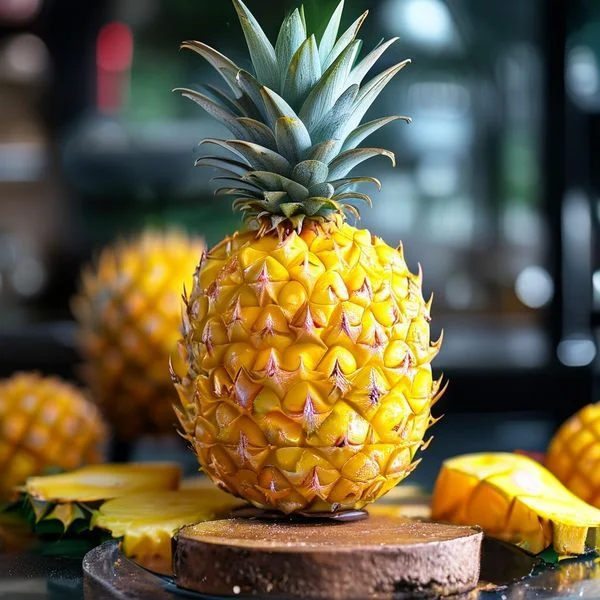
An automatic pineapple cutting machine drastically reduces labor costs, improves safety, and ensures a uniform product, making it an indispensable tool for high-volume food service operations.
The Mechanics of Automated Pineapple Processing
The internal workings of an automatic pineapple cutting machine are a marvel of food engineering. Most commercial models utilize a pneumatic or electric pressing system combined with stainless steel circular blades. The process typically begins by placing the fruit onto a centered platform. Once the machine is activated, a cylindrical blade descends, simultaneously stripping the outer “eyes” and skin while a secondary inner blade removes the core.
One of the primary advantages of this automated approach is the precision of the cut. When a person uses a knife, they often cut too deep into the flesh to ensure the skin is removed, leading to significant waste. An automatic machine can be calibrated to follow the specific diameter of the fruit, increasing the usable fruit yield by up to 20 percent compared to manual methods. Furthermore, these machines are built with food-grade materials that are easy to sanitize, ensuring that the fruit remains uncontaminated during high-speed processing.
Industrial-grade machines often feature adjustable settings to accommodate different fruit sizes. This flexibility is crucial because pineapples are naturally irregular. By using sensors or manual adjustments, the machine ensures that the blade path is optimized for each individual piece. This level of technical sophistication ensures that every slice or ring produced is identical, which is vital for packaging and presentation in retail environments.
Efficiency and Safety in the Commercial Kitchen
In a busy commercial environment, such as a grocery store prep station or a large-scale catering kitchen, time is the most valuable resource. Using an automatic pineapple cutting machine allows staff to process dozens of fruits in the time it would take to hand-cut just one or two. This efficiency translates directly into lower labor costs and higher output. Instead of spending hours at a prep table, employees can focus on more complex culinary tasks, improving the overall workflow of the kitchen.
Safety is another significant factor that drives the adoption of these machines. Pineapple skin is slippery, and the pressure required to cut through it with a traditional chef’s knife can easily lead to accidents. Automated systems enclose the cutting elements within a protective housing or use two-hand safety starts to ensure the operator’s hands are nowhere near the blades during the cycle. By removing the need for sharp knives and repetitive sawing motions, businesses can significantly reduce the risk of workplace injuries and long-term strain issues like carpal tunnel syndrome.
Beyond safety, the consistency offered by automation is a key selling point for consumer-facing businesses. Customers expect a certain level of uniformity when they purchase pre-cut fruit cups or garnishes. A machine ensures that every ring is the same thickness and every wedge is perfectly symmetrical. This consistency not only looks better in the packaging but also ensures that the fruit cooks evenly when used in various culinary applications.
Maximizing the Utility of Processed Pineapple
Once the automatic pineapple cutting machine has done the heavy lifting, the fruit is ready for immediate use in a variety of ways. Because the machine handles the difficult task of removing the exterior, your prep time for any dish is essentially eliminated. You are left with a perfectly cleaned cylinder of fruit that can be transformed into a healthy snack or a sophisticated dessert.
For those looking to create a quick and healthy treat, consider a simple grilled pineapple recipe. The ingredients are minimal: one fresh pineapple processed by your machine, a tablespoon of honey, and a pinch of cinnamon. Because the fruit is already cored and sliced, the instructions are straightforward. Simply toss the rings in the honey and cinnamon mixture and place them on a hot grill. The cooking time is only about three minutes per side, just enough to caramelize the natural sugars.
This preparation provides approximately six servings, making it an excellent option for family gatherings. In terms of nutritional value, a single serving is quite lean, containing roughly 70 calories while offering a massive dose of Vitamin C and manganese. The speed at which you can move from a whole, prickly fruit to a finished, plated dish is the true testament to the value of automation in the kitchen.
Comparing Tabletop vs. Industrial Models
When selecting an automatic pineapple cutting machine, it is important to distinguish between tabletop models and full-scale industrial units. Tabletop models are often seen in juice bars or small cafes. They are compact, usually hand-cranked or lightly motorized, and designed to process one fruit at a time. These are excellent for businesses that need fresh fruit on demand but do not have the floor space for larger equipment.
Industrial models, on the other hand, are often fully automated and integrated into a conveyor system. These machines can process hundreds of pineapples per hour and are typically found in canning factories or large-scale produce distribution centers. They often include additional features like water-jet cleaning and automatic waste discharge, which moves the discarded skins and cores into a separate bin for composting or disposal.
The choice between these models depends entirely on your volume requirements. A small restaurant might find a manual-assist cutter perfectly adequate, while a grocery chain will likely invest in a fully electric, high-speed unit to keep up with daily demand for pre-packaged fruit salads. Regardless of the size, the core benefits of hygiene, speed, and yield remain constant across all levels of automated pineapple processing technology.
Expert Tips for Machine Maintenance
To ensure your automatic pineapple cutting machine remains in peak condition, regular maintenance is non-negotiable. The high acidity of pineapple juice can be corrosive over time, even to stainless steel components. Therefore, it is essential to wash the machine thoroughly after every shift. Focus on the blade housing and the base plate, as these areas tend to collect juice and small fragments of fruit that can harden and affect the machine’s performance.
Another professional recommendation is to keep the blades professionally sharpened. A dull blade will not only produce ragged edges on the fruit but will also put unnecessary strain on the machine’s motor or pneumatic cylinders. If you notice the machine struggling to pass through the fruit or if the edges of the pineapple rings look crushed rather than sliced, it is time for a blade replacement or sharpening.
Expert Tips
Maintaining the temperature of the fruit can also impact the quality of the cut. Professional food processors often chill their pineapples before putting them through the machine. Cold fruit is firmer, which allows the blades to glide through the flesh with minimal resistance, resulting in a cleaner, more aesthetically pleasing cut. Additionally, always ensure the pineapple is properly centered on the platform; an off-center fruit will lead to uneven peeling and wasted flesh on one side.
- Always size your pineapples before processing to ensure they match the diameter of your machine’s cutting head.
- Apply a food-grade lubricant to moving parts weekly to prevent mechanical fatigue and noise.
- Use the discarded cores to infuse water or create syrups, ensuring zero-waste operations.
Conclusion
Investing in an automatic pineapple cutting machine is a strategic move for any operation that handles large quantities of this tropical fruit. By automating the peeling and coring process, you significantly enhance kitchen safety, ensure product consistency, and maximize your profit margins through increased yield. While the initial investment may seem substantial, the savings in labor and the reduction in food waste provide a rapid return on investment. Whether you are serving a simple fresh snack or preparing a complex culinary creation, these machines are the key to unlocking the full potential of the pineapple with minimal effort.
❓ Frequently Asked Questions
1
How long does pineapple last in fridge?
Once processed by an automatic cutting machine, fresh pineapple lasts about 5 to 7 days in the refrigerator. To maintain freshness, store the slices in an airtight container or a sealed plastic bag with as much air removed as possible to prevent oxidation and drying.


2
Can I make prep ahead of time?
Yes, using an automatic machine allows you to prep large batches of pineapple quickly. You can cut the fruit up to three days in advance of a party or meal prep session. Just ensure the containers are sealed tightly and kept at a consistent cold temperature.
3
What can I substitute for a machine?
If you do not have an automatic pineapple cutting machine, you can substitute it with a manual pineapple corer or a sharp chef’s knife. While these methods are slower and require more effort, they achieve similar results for peeling and removing the tough center core of the fruit.
4
How do I know when the machine is done?
Most automatic machines complete their cycle in seconds. You will know it is done when the blade has fully passed through the fruit and the core is separated. On electric models, the motor will usually stop or return to its starting position once the process is finished.
5
Can I freeze the cut pineapple?
Freshly cut pineapple from your machine freezes exceptionally well. Spread the pieces on a baking sheet to flash freeze them individually before transferring them to a freezer-safe bag. This prevents clumping and allows the pineapple to stay good for up to twelve months for smoothies and baking.