Herbs for Tomato Sauce: Ultimate Homemade Guide
There is nothing quite like the intoxicating aroma of a homemade tomato sauce simmering on the stove, filling your kitchen with the scent of a rustic Italian trattoria. This recipe focuses on the foundational secret that separates a mediocre sauce from a culinary masterpiece: the perfect balance of herbs for tomato sauce. By combining fresh and dried aromatics at the right moments, you create a deep, complex flavor profile that is both bright and comforting. Whether you are coating a plate of al dente pasta or layering it into a lasagna, this sauce offers a velvety texture and a rich, herbaceous finish. This recipe is special because it teaches you how to layer flavors properly, making it a favorite for home cooks who want professional results with minimal effort.
- ⏱️ Prep Time: 10 minutes
- 🍳 Cook Time: 30 minutes
- 👥 Servings: 4 servings
- 📊 Difficulty: Easy
Essential Recipe Ingredients
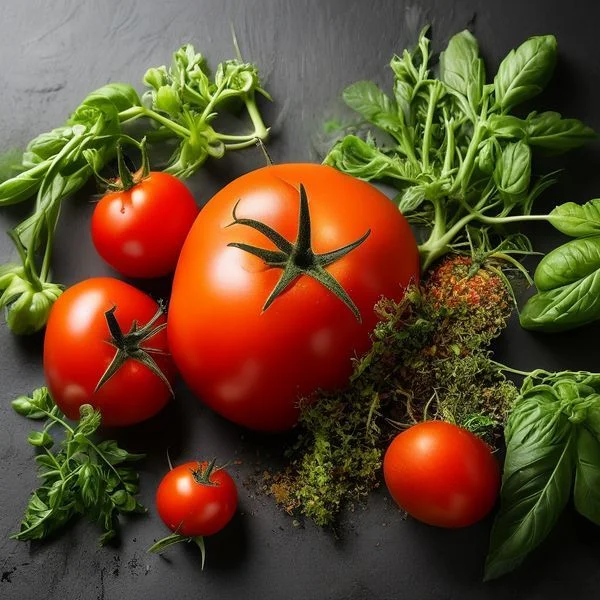
To create the best herb-infused tomato sauce, you will need a combination of pantry staples and high-quality aromatics. This list is designed to provide four generous servings.
The Base Components:
- 28 ounces of crushed San Marzano tomatoes
- 2 tablespoons of extra-virgin olive oil
- 1 medium yellow onion, finely diced
- 4 cloves of fresh garlic, minced
- 1 tablespoon of tomato paste
- 1/2 cup of vegetable or chicken broth (optional, for thinning)
The Herb Blend:
- 1 teaspoon of dried oregano
- 1/2 teaspoon of dried thyme
- 1/4 teaspoon of dried red pepper flakes
- 1/2 cup of fresh basil leaves, torn by hand
- 1 tablespoon of fresh flat-leaf parsley, chopped
Seasoning:
- 1 teaspoon of granulated sugar (to balance acidity)
- Salt and freshly cracked black pepper to taste
Step-by-Step Instructions
The key to a successful herb-laden sauce is the timing of when you add your ingredients. Follow these steps to ensure the maximum extraction of flavor and the perfect consistency.
1. Begin by preparing your aromatic base. Place a large, heavy-bottomed saucepan or a Dutch oven over medium heat. Add the extra-virgin olive oil and allow it to shimmer. Once the oil is hot, add your finely diced yellow onions. Sauté the onions for about five to seven minutes, stirring occasionally. You want them to become translucent and soft, but not browned. The natural sweetness of the onion provides the perfect backdrop for the herbs for tomato sauce that you will add later.
2. Once the onions are soft, create a small well in the center of the pan and add your minced garlic and the tomato paste. Use a wooden spoon to stir these into the oil. This process, known as blooming, allows the garlic to release its oils and the tomato paste to caramelize slightly. This adds a “cooked-down” depth of flavor in a fraction of the time. Cook this mixture for only 60 to 90 seconds until the garlic is fragrant and the paste turns a slightly darker shade of brick red.
3. Now it is time to add your dried herbs. Stir in the dried oregano, dried thyme, and red pepper flakes. Adding these dried components directly into the hot oil and aromatics helps to “wake up” the dried leaves, releasing their essential oils more effectively than if they were just dropped into liquid. Stir for 30 seconds until the kitchen smells incredible. Pro tip: Always crush dried oregano between your palms as you drop it in to break the cell walls and release more flavor.
4. Pour in the crushed San Marzano tomatoes. Use a splash of broth or water to rinse out the can and add that liquid to the pot as well. Stir everything together thoroughly so the sautéed base is evenly distributed throughout the tomato mixture. Bring the sauce to a gentle bubble.
5. Reduce the heat to low and let the sauce simmer uncovered for about 20 minutes. This cooking time is crucial because it allows the water to evaporate slightly, thickening the sauce and concentrating the flavor of the herbs. Stir every five minutes to prevent the bottom from scorching. If the sauce becomes too thick for your liking, you can add a tablespoon of water or broth to reach your desired consistency.
6. About five minutes before the cooking time is finished, add your fresh herbs. Stir in the hand-torn basil and the chopped parsley. Fresh basil is delicate and can turn bitter if cooked for too long, so adding it at the very end preserves its peppery, sweet profile. Season the sauce with sugar, salt, and black pepper. Taste the sauce carefully; the sugar helps neutralize the acidity of the tomatoes, making the herbal notes shine.
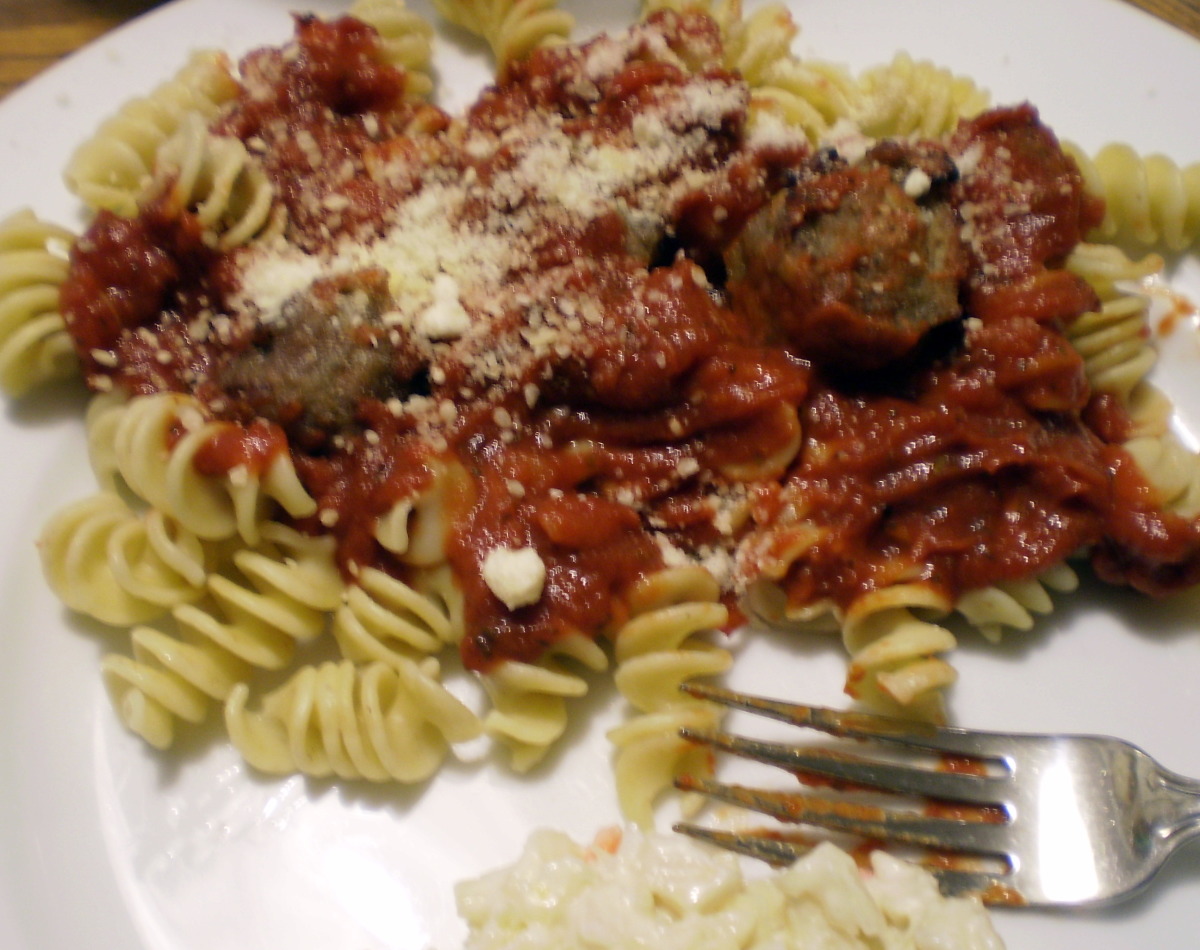
7. Turn off the heat and let the sauce sit for two minutes before serving. This brief resting period allows the flavors to meld together. Your sauce is now ready to be tossed with your favorite pasta, used as a dipping sauce for breadsticks, or as a base for an incredible homemade pizza.
For an even richer flavor, add a small piece of parmesan rind to the sauce while it simmers. The salty, umami notes of the cheese will infuse into the tomatoes and complement the fresh herbs beautifully. Also, never chop your basil with a knife if you can avoid it; tearing it by hand prevents the leaves from bruising and turning black, keeping the color vibrant.
Variations and Substitutions
This recipe is incredibly versatile and can be adapted to suit various dietary needs or flavor preferences. For a vegan-friendly version, ensure your broth is vegetable-based or simply use water. To make a spicy “Arrabbiata” style sauce, double the amount of red pepper flakes and add a pinch of cayenne pepper. If you do not have fresh basil on hand, you can use a tablespoon of high-quality jarred pesto stirred in at the end for a similar effect. For those who prefer a smoother texture, you can use a stick blender to puree the sauce after it has finished simmering but before you add the fresh basil. If you want a heartier sauce, you can add sautéed mushrooms or browned ground meat during step one.
Storage and Make Ahead Tips
This herb-infused tomato sauce actually tastes better the next day as the herbs for tomato sauce continue to infuse into the liquid. You can store any leftovers in an airtight container in the refrigerator for up to five days. This recipe is also perfect for freezing. Allow the sauce to cool completely at room temperature, then transfer it to freezer-safe bags or containers. It will stay fresh in the freezer for up to three months. To reheat, simply thaw overnight in the fridge and warm it in a saucepan over low heat until it reaches your desired temperature.
- Calories: 145 kcal
- Total Fat: 7g
- Carbohydrates: 18g
- Fiber: 4g
- Protein: 3g
- Sodium: 480mg
Note: Nutritional values are estimates based on standard ingredients.

❓ Frequently Asked Questions
1
How long does herb-infused tomato sauce last in fridge?
Your homemade herb-infused tomato sauce will stay fresh in an airtight container for up to five days. Cooling the sauce completely before refrigerating helps maintain the integrity of the herbs. The flavors often deepen and meld overnight, making the sauce taste even better the following day.
2
Can I make this herb sauce ahead of time?
Yes, making tomato sauce ahead of time is highly recommended. Preparing it 24 hours in advance allows the dried herbs like oregano and thyme to fully penetrate the tomato base. Just remember to wait until you are reheating the sauce to stir in any delicate fresh basil.
3
What can I substitute for fresh basil?
If fresh basil is unavailable, use one teaspoon of dried basil for every tablespoon of fresh required. Alternatively, fresh Italian parsley provides a bright, clean finish, though it lacks the peppery sweetness of basil. A small spoonful of prepared basil pesto can also serve as a flavorful substitute.
4
How do I know when the herbs have infused?
The herbs have properly infused when the sauce emits a consistent, savory aroma and the sharp texture of dried seasonings has softened. This usually occurs after simmering for 20 to 30 minutes. Taste the sauce periodically to ensure the flavors are balanced and not too bitter.
5
Can I freeze tomato sauce with herbs?
Tomato sauce with herbs freezes exceptionally well for up to three months. Use freezer-safe bags or containers and leave a little headspace for expansion. While fresh herbs may darken slightly upon thawing, the concentrated flavor profile will remain intact and delicious for your next pasta meal.