Peel Parsnips for Soup: The Ultimate Guide
Whether you need to peel parsnips for soup depends primarily on their age and size. You do not strictly need to peel small, young parsnips as their skin is thin and tender. However, larger, older parsnips should be peeled because their skins can become tough, fibrous, and slightly bitter during the simmering process. For a perfectly smooth, creamy soup or a refined stock, peeling is recommended to ensure the best texture and color.
The Science and Texture: Why Peeling Matters for Your Soup
When preparing a hearty batch of parsnip soup, the decision to peel often comes down to the desired final result and the quality of the root vegetable. Parsnips are closely related to carrots, and much like their orange cousins, the skin is entirely edible. However, as parsnips grow larger, their exterior undergoes a transformation. The skin thickens to protect the root, often developing a woody texture that doesn’t break down easily, even after hours of simmering in a slow cooker or a one-pot meal.
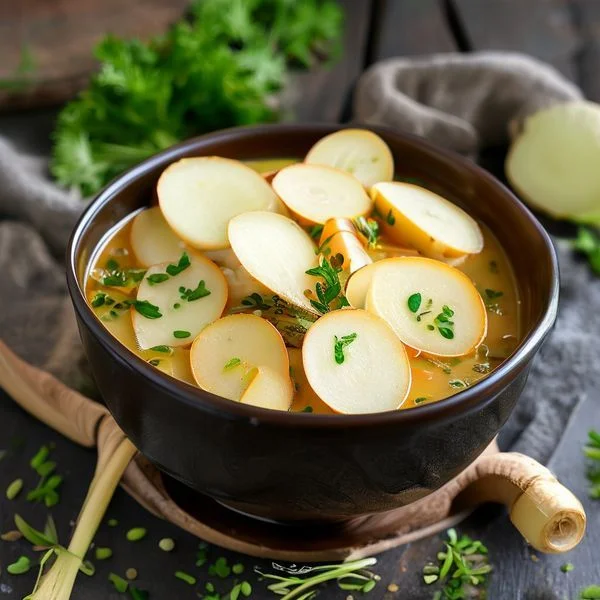
From a culinary perspective, peeling is often preferred when the goal is a silky, creamy consistency. If you are making a blended soup, unpeeled parsnips can leave behind tiny, dark flecks and a slightly grainy mouthfeel. Furthermore, the skin can carry a stronger, more earthy flavor that might border on bitter. By removing the outer layer, you reveal the pale, sweet flesh underneath, which caramelizes beautifully and provides that signature comfort food sweetness. If you are using an instant pot for a quick meal, the high pressure can soften the skin, but it still won’t achieve the same level of refinement as a peeled parsnip.
There is also a nutritional and safety component to consider. While the skin contains fiber and various nutrients, it is also the part of the vegetable most likely to hold onto soil, grit, and potential pesticide residue. Even with vigorous scrubbing, the deep ridges of an older parsnip can trap dirt. For those prioritizing organic produce and rustic textures, leaving the skin on is a viable option for a chunky, country-style stew. However, for a professional-grade stock or a velvety puree, the peeler remains your best friend in the kitchen.
How to Properly Prepare Parsnips for Soup: A Step-by-Step Guide
Preparing parsnips doesn’t have to be a chore. Whether you are aiming for a rustic one-pot dish or a refined vegetable stock, following these steps ensures your parsnips are ready for the heat.

1. Selection and Sorting: Begin by examining your parsnips. If they are no thicker than a finger, you can likely skip the peeling. If they are large and wax-coated (often found in supermarkets to preserve freshness), peeling is mandatory to remove the wax and the thick skin underneath.
2. Thorough Cleaning: Before your knife ever touches the vegetable, wash the parsnips under cold running water. Use a dedicated vegetable brush to scrub away dirt from the crevices. This is especially important if you have decided to leave the skins on for a more hearty texture.
3. Trimming the Ends: Lay the parsnip on a cutting board and trim off the leafy top end and the very tip of the root. These areas are often tough and do not provide good flavor to the simmering broth.
4. Peeling (If Necessary): Use a Y-peeler or a swivel peeler to remove the skin in long, downward strokes. You only need to remove the very top layer. If you notice the parsnip is particularly old, you may see a “woody” core. For large parsnips, it is often best to quarter them lengthwise and cut out the fibrous center core, as this part remains hard even after long cooking times in a slow cooker.
5. Chopping for Even Cooking: To ensure all pieces soften at the same rate in your soup, chop the parsnips into uniform cubes or slices. For an instant pot recipe, slightly larger chunks work well, while smaller dice are better for quick stovetop simmering. Uniformity is key to achieving that perfect creamy finish when you eventually blend the soup.

Important Considerations for Flavor and Texture
While the “to peel or not to peel” debate is central, there are other factors that influence how parsnips behave in a soup. One major consideration is the bitterness found in the core of exceptionally large roots. This core doesn’t just affect the texture; it can actually alter the flavor profile of your entire pot of comfort food. If you are making a delicate stock, that bitterness will infuse into the liquid, potentially ruining the balance of your dish.
Another consideration is the color of your soup. Parsnips are prized for their ivory-white appearance. Leaving the skins on, particularly if they are slightly oxidized or bruised, will result in a muddy, brownish-grey soup rather than a bright, appetizing cream color. This is why most professional chefs insist on peeling parsnips for any recipe where aesthetics matter. If you are making a dark, rustic beef stew where the parsnips will be submerged in a rich, brown gravy, the skin is much less of an issue.
Lastly, think about your cooking method. If you are using a slow cooker, the vegetables have a long time to break down, which can help soften skins. However, in an instant pot, the rapid cooking might not give the skins enough time to lose their “snap.” Always tailor your preparation to your specific appliance and the final texture you want to enjoy.
- If you choose not to peel, use a stainless steel scrubber to remove the outermost thin layer of skin without losing the nutrients underneath.
- To prevent peeled parsnips from turning brown (oxidizing) while you prep other ingredients, keep them in a bowl of cold water with a squeeze of lemon.
- Save your parsnip peels! If they are clean and organic, you can deep-fry them for a crispy soup garnish or add them to a scrap bag for making homemade vegetable stock.
Conclusion: The Final Verdict on Peeling
In the world of soup making, parsnips offer a unique sweetness and depth that defines classic comfort food. While you do not strictly need to peel them—especially if they are young, organic, and well-scrubbed—peeling remains the gold standard for most recipes. It ensures a silky, creamy texture and prevents any unwanted bitterness from creeping into your stock. Whether you are throwing together a quick one-pot meal or letting flavors meld in a slow cooker, taking the extra two minutes to peel larger parsnips will almost always result in a superior bowl of soup. Trust your senses: if the skin looks thick or waxy, peel it away to reveal the sweet potential inside.
❓ Frequently Asked Questions
1
How long does parsnip soup last in fridge?
Homemade parsnip soup lasts for 3 to 4 days in the refrigerator when stored in an airtight container. Make sure to let the soup cool to room temperature before sealing it. Reheat gently on the stovetop, adding a splash of stock if the consistency has thickened too much during cooling.
2
Can I make parsnip soup ahead of time?
Yes, parsnip soup is an excellent make-ahead dish as the flavors often deepen and meld together overnight. Prepare the soup as directed, cool it, and store it in the fridge. When you are ready to serve, simply reheat it over low heat, stirring occasionally to maintain its creamy texture.
3
What can I substitute for parsnips?
If you run out of parsnips, carrots are the best substitution because they have a similar texture. However, carrots are sweeter and lack the nutty, peppery bite of parsnips. You could also use parsley root or even rutabaga for a more earthy, hearty comfort food alternative in your recipe.
4
How do I know when parsnip soup is done?
The soup is done when the parsnips are fork-tender and easily pierced. If you are making a creamy soup, the vegetables should be soft enough to mash against the side of the pot. Ensure the stock has simmered long enough to fully develop the deep, aromatic vegetable flavors.
5
Can I freeze parsnip soup?
You can freeze parsnip soup for up to 3 months. If the recipe contains dairy, it is best to freeze the soup before adding cream or milk, as dairy can separate when thawed. Thaw in the fridge overnight before reheating and blending again to ensure a smooth, delicious result.