
Using Juice Pulp as Fertilizer: Ultimate Guide
Making a fresh, vibrant drink in your kitchen is one of the most rewarding ways to start the day. Whether you are using a high-speed blender to whip up a thick smoothie or a cold-press machine for a crisp liquid treat, the process is inherently satisfying. However, once you have poured that refreshing beverage over a bed of ice and added a beautiful mint garnish, you are often left with a significant amount of fibrous waste. Many people simply toss this colorful mash into the trash, but there is a far more sustainable way to close the loop. By using juice pulp as fertilizer, you can transform these leftovers into a nutrient-rich amendment for your garden. In this guide, we will explore how to repurpose your beverage waste to boost soil health and promote plant growth.
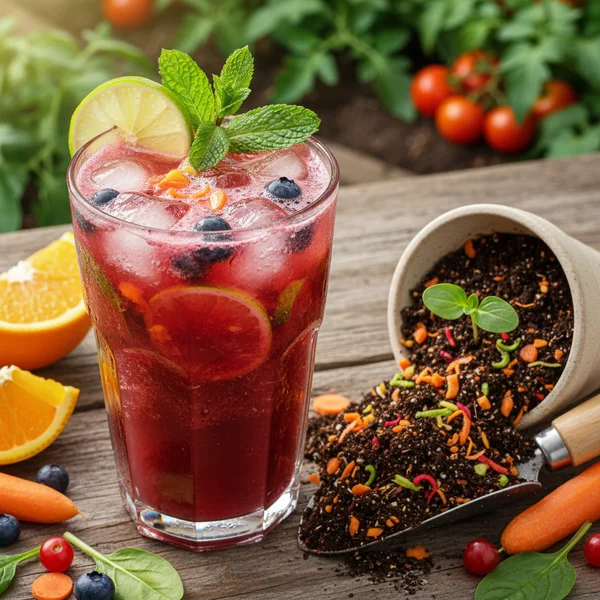
Using juice pulp as fertilizer provides an immediate source of nitrogen, potassium, and trace minerals to your soil, reducing waste while improving the moisture retention of your garden beds through natural organic matter.
The Nutritional Profile of Juice Pulp for Plants
When you extract the liquid from fruits and vegetables to create a hydrating beverage, the machine leaves behind the insoluble fiber. While the juice contains the vitamins and sugars, the pulp contains the structural components of the plant, which are packed with carbon and essential minerals. Using juice pulp as fertilizer works because these fibers break down into humus, which is the cornerstone of healthy, fertile soil.
The specific nutrient content of your pulp depends entirely on what you were juicing. For instance, if you just finished making a refreshing green juice with kale and spinach, your pulp will be exceptionally high in nitrogen. Nitrogen is critical for leafy growth and the production of chlorophyll. On the other hand, a pulp made from carrots or apples will be higher in carbon and potassium, which supports root development and overall plant resilience. Because these materials are already finely shredded by your machine or blender, they have a high surface area, allowing soil microbes to process them much faster than whole food scraps.
Beyond the primary macronutrients, juice pulp contains various micronutrients and enzymes. These elements act as a slow-release multivitamin for your garden. Unlike synthetic fertilizers that can sometimes “burn” plants with a sudden surge of chemicals, organic pulp releases its bounty gradually as it decomposes. This ensures your garden stays fed over several weeks, mimicking the natural cycle of decomposition found on a forest floor.
Methods for Applying Juice Pulp to Your Garden
There are several ways to integrate your beverage leftovers into your landscape, depending on how much time you have and the type of plants you are growing. The most common method is direct soil incorporation. This involves digging a small trench or hole near the root zone of your plants and burying the pulp. It is essential to cover the pulp with at least two to four inches of soil to prevent attracting unwanted pests like fruit flies or rodents.
Another effective strategy is creating a “pulp tea” or a liquid drench. If you have leftover pulp that has been kept chilled in the refrigerator, you can place it back into a blender with some water and pulse it until it reaches a thin, watery consistency. This creates a liquid fertilizer that can be poured directly onto the base of the plant. This method allows the nutrients to reach the roots more quickly, especially during hot summer months when plants are thirsty and need a hydrating boost.
For those who prefer a more traditional approach, composting is the gold standard. Adding juice pulp to your compost bin provides a “green” (nitrogen-rich) layer that helps heat up the pile. Because the pulp is so fine, it acts as an accelerant, helping the “brown” materials like dried leaves or straw break down more efficiently. Below is a comparison of these application methods:
| Method | Best For | Speed of Nutrient Release |
|---|---|---|
| Direct Burial | Fruit trees and deep-rooted perennials | Moderate (2-4 weeks) |
| Liquid Drench | Potted plants and annual flowers | Fast (1-3 days) |
| Composting | Large vegetable gardens | Slow (3-6 months) |
Managing pH and Acidity in Fruit-Based Pulps
When using juice pulp as fertilizer, it is important to consider the acidity of the ingredients. Many people enjoy refreshing citrus-based beverages or juices made with tart apples and berries. While these are delicious and hydrating for humans, the resulting pulp can be quite acidic. If you apply large amounts of citrus pulp to a single area, you may temporarily lower the pH of the soil.
Most garden vegetables prefer a slightly acidic to neutral pH (6.0 to 7.0). However, some plants, like blueberries, azaleas, and rhododendrons, thrive in high-acid environments. For these “acid-loving” plants, citrus and berry pulps are an excellent choice. If you are fertilizing alkaline-loving plants like lavender or asparagus, you should use fruit pulp sparingly or mix it with crushed eggshells to neutralize the acidity.
One way to mitigate the risk of over-acidifying your soil is to spread the pulp across a wide area rather than concentrating it in one spot. You can also mix the pulp with some wood ash or garden lime if you know your soil is already leaning towards the acidic side. By being mindful of the ingredients in your blender, you can tailor your “garden snacks” to meet the specific needs of your plants.
Storing and Preserving Juice Pulp for Future Use
You might not always have time to run out to the garden immediately after making your morning beverage. If you produce a lot of juice, you may find yourself with more pulp than you can use at once. To prevent the pulp from fermenting or growing mold, proper storage is essential.
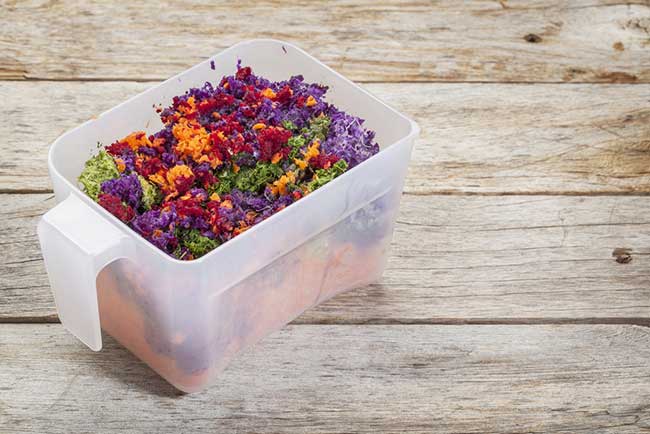
The simplest way to keep pulp fresh is to store it in an airtight container in the refrigerator. When kept chilled, most vegetable and fruit pulps will remain stable for about three to five days. If you want to save a large batch for a specific gardening weekend, you can store it in the freezer. Frozen pulp retains all its mineral content and can be thawed whenever you are ready to amend your soil.
Using frozen pulp is actually quite beneficial because the freezing and thawing process breaks down the cell walls of the plant fibers even further. This makes the nutrients even more accessible to soil microbes once the pulp is applied. You can even freeze the pulp in ice cube trays to create small, manageable portions that can be dropped into the soil of indoor houseplants.
Expert Tips for Maximizing Your Garden’s Potential
To get the most out of using juice pulp as fertilizer, professional gardeners often recommend “trench composting.” This involves digging a hole about 12 inches deep, adding a layer of pulp, and then covering it with soil. This depth ensures that the pulp decomposes in an anaerobic environment that doesn’t smell and keeps animals from digging it up.
Another insider tip is to pay attention to the moisture content. Juice pulp is naturally wet, which is great for hydrating the soil, but if you have a garden that is already prone to drainage issues, adding too much wet pulp can create a soggy mess. In these cases, it is better to mix the pulp with a “brown” material like shredded cardboard or dry straw before burying it. This creates air pockets and improves the overall structure of the soil while the nutrients are being absorbed.
Finally, consider the timing of your application. Applying nutrient-rich pulp during the early spring or late autumn is ideal, as it gives the soil time to process the organic matter before the peak growing season or during the resting period.
- Avoid using pulp that contains large amounts of ginger or hot peppers, as these can irritate beneficial earthworms in high concentrations.
- Mix your pulp with a handful of used coffee grounds to provide an extra boost of nitrogen and help suppress certain soil-borne diseases.
- If you use your pulp as a top-dress (mulch), always cover it with a layer of straw or wood chips to prevent a crust from forming on the surface.
Conclusion
Transforming your beverage waste into a resource is a powerful step toward a more sustainable lifestyle. Using juice pulp as fertilizer not only saves space in landfills but also builds a resilient, nutrient-dense foundation for your garden. From refreshing green mashes to chilled fruit scraps, every bit of fiber can contribute to the health of your plants. By understanding the nutritional profile of your pulp and choosing the right application method, you can enjoy your hydrating drinks knowing that your garden is getting just as much of a boost as you are. Start incorporating your pulp today and watch your landscape thrive.
❓ Frequently Asked Questions
1
How long does juice pulp last for plants?
Pulp is best used immediately after your blender session for maximum nutrients. If stored, keep it in an airtight container in the fridge for up to 24 hours. Fresh pulp is more hydrating for your soil and provides better organic matter than dried-out remains that have lost their vitality.
2
Can I add ice to the pulp for garden use?
While you should not put ice directly on sensitive roots, chilled pulp from a cold-pressed juice is perfectly fine. Once the pulp reaches room temperature, it begins to break down effectively. This process creates a refreshing boost for your garden soil without shocking the delicate root systems of your plants.
3
What can I substitute for juice pulp?
If you lack fresh pulp, use finely chopped vegetable scraps or even leftover garnish from beverages, like mint leaves or cucumber slices. Any organic matter that is hydrating and nutrient-dense will work similarly to improve the overall quality and moisture retention of your garden soil over time.
4
How do I know when the pulp is integrated?
In a compost pile, the pulp is fully processed when it resembles dark, rich earth. If buried directly in the garden, it usually breaks down within a few weeks. It disappears into the dirt, providing a healthy foundation for new growth and helping your garden stay lush and green.
5
Can I freeze juice pulp for later use?
Yes, you can freeze pulp if you are not ready to garden immediately. Thaw it completely before mixing it into your soil. This allows the organic fibers to remain hydrating for the plants once they are integrated, ensuring your garden stays healthy throughout the various growing seasons.