Can Carrot Juice Be Frozen? Complete Guide
Yes, you can absolutely freeze carrot juice to extend its shelf life. While fresh carrot juice typically lasts only 24 to 48 hours in the refrigerator, freezing it allows you to preserve its nutrients and flavor for three to six months. For best results, freeze the juice immediately after extraction in airtight, freezer-safe containers, leaving ample headspace for expansion. Once thawed, a quick shake or stir will restore its vibrant consistency, making it a perfect, hydrating addition to your daily routine.
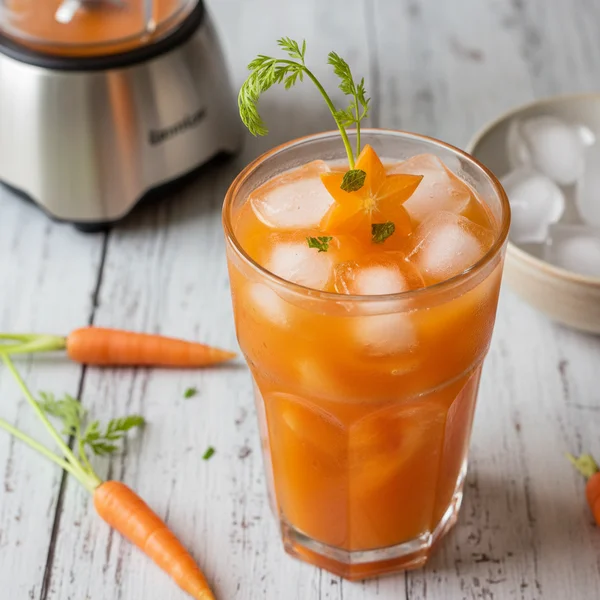
How Freezing Affects the Quality of Carrot Juice
Freezing is one of the most effective ways to stop the clock on the natural degradation of fresh produce. When you process carrots through a blender or a centrifugal juicer, the structural integrity of the vegetable is broken down, exposing the liquid to oxygen. This oxidation process begins almost immediately, leading to a loss of color and a decrease in vital nutrients like Vitamin A and antioxidants. By placing the juice in a frozen state, you significantly slow down these enzymatic reactions, locking in the juice’s nutritional profile.
From a scientific perspective, carrot juice is primarily composed of water, natural sugars, and suspended solids (fiber and pigments). When the temperature drops below the freezing point, the water molecules form ice crystals. Because water expands as it freezes, the physical structure of the juice changes slightly. This is why you may notice some separation after thawing; the heavier pigments and solids may settle at the bottom, while the water content remains on top. However, this does not mean the juice has spoiled. It simply requires a vigorous stir to reintegrate the components and return it to its refreshing, uniform state.
Furthermore, freezing helps maintain the hydrating properties of the juice. While some delicate enzymes may diminish slightly over several months, the core minerals and beta-carotene remain largely intact. The key to maintaining quality is the speed of freezing and the exclusion of air. Using a flash-freeze method or simply ensuring your freezer is set to its coldest setting will prevent large ice crystals from forming, which helps preserve the original texture and mouthfeel of the chilled beverage.
Can You Freeze Carrot Juice? A Step-by-Step Guide
To ensure your carrot juice remains delicious and nutrient-dense, follow these specific steps for preparation and storage. Whether you are batch-prepping for the week or saving excess harvest, the method you choose will dictate the final quality of the drink.
Step 1: Preparation and Extraction
Start with the freshest carrots possible. Wash and peel them to remove any earthy bitterness from the skin. If you are using a blender, you may need to add a small amount of filtered water to help the blades move. Once the carrots are pulverized, strain the mixture through a nut milk bag or a fine-mesh sieve to remove the pulp. If you use a dedicated juicer, your liquid is ready for the next step immediately.
Step 2: Choose the Right Containers
Never use glass jars that are not specifically rated for freezing, as the expansion of the liquid can cause them to shatter. Instead, opt for BPA-free plastic containers, silicone molds, or freezer-safe glass with straight sides. If you plan on using the juice for smoothies, consider pouring the liquid into ice cube trays. Once these cubes are frozen, you can transfer them to a heavy-duty freezer bag.
Step 3: Leave Headspace
This is the most critical step in the process. Because carrot juice contains a high percentage of water, it will expand by about 10% when it turns to ice. Always leave at least one to two inches of “headspace” at the top of your container. If you fill it to the brim, the pressure will either pop the lid off or crack the container, leading to freezer burn and a messy cleanup.
Step 4: Seal and Label
Remove as much air as possible from the container before sealing. Air is the enemy of freshness, as it causes oxidation even in the freezer. Use a permanent marker to label the container with the date. While the juice remains safe to consume for up to six months, it is at its peak flavor and nutritional value within the first three months.
Step 5: The Thawing Process
When you are ready to enjoy your chilled drink, transfer the container from the freezer to the refrigerator. Allow it to thaw slowly overnight. Avoid thawing at room temperature on the counter, as this can encourage bacterial growth. Once thawed, you might see a layer of ice still floating or a separated appearance. Give it a good shake or a quick whirl in the blender to restore its smooth, refreshing texture.
Important Considerations and Common Mistakes
While freezing carrot juice is straightforward, there are several nuances to keep in mind to avoid common pitfalls. One major consideration is the change in flavor. As juice sits in the freezer, the natural sugars can sometimes undergo subtle changes, leading to a slightly less sweet profile. To combat this, some enthusiasts add a splash of lemon juice before freezing; the acidity acts as a natural preservative and keeps the color vibrant.
Another mistake is freezing juice that has already sat in the refrigerator for several days. For the best results, you should freeze your juice within two hours of making it. If the juice has already begun to ferment or smell slightly “off” in the fridge, freezing will not reverse this process; it will only preserve the spoiled flavor. Always prioritize “fresh-to-frozen” transitions to ensure the highest quality hydrating experience.
Be mindful of the “separation” phenomenon. Because carrot juice is a suspension rather than a solution, the solids will always want to settle. This is particularly noticeable in juice made with a blender, which may contain more micro-fibers than juice from a cold-press machine. Don’t be alarmed by the dark orange sludge at the bottom of your thawed container—this is where most of the nutrients are! Simply stir it back in. Finally, avoid refreezing carrot juice once it has been thawed. Each freeze-thaw cycle damages the cellular structure of the juice further and increases the risk of contamination.
- Flavor Boost: Add a small piece of ginger or a squeeze of lime to the blender before freezing to keep the taste refreshing and punchy after thawing.
- Portion Control: Freeze juice in ice cube trays. Two or three cubes are perfect for adding a hydrating boost to a morning smoothie without needing to thaw a whole jar.
- Garnish for Service: When serving thawed juice, add a fresh mint garnish or a slice of orange to distract from any minor changes in texture and enhance the visual appeal.
- Check the Seal: Use freezer-grade bags or containers with airtight gaskets to prevent the juice from picking up odors from other frozen foods like fish or onions.
Conclusion
In summary, freezing carrot juice is an excellent strategy for anyone looking to maintain a healthy, hydrating lifestyle without the need for daily juicing. By following proper storage techniques—such as leaving headspace for ice expansion and using airtight containers—you can enjoy a refreshing and nutrient-rich beverage months after the carrots were first harvested. While you may encounter minor separation or texture shifts, these are easily managed with a quick stir. Whether you drink it chilled with a fresh garnish or toss frozen cubes into your blender for a snack, frozen carrot juice remains a versatile and delicious pantry staple.
❓ Frequently Asked Questions
1
How long does carrot juice last in fridge?
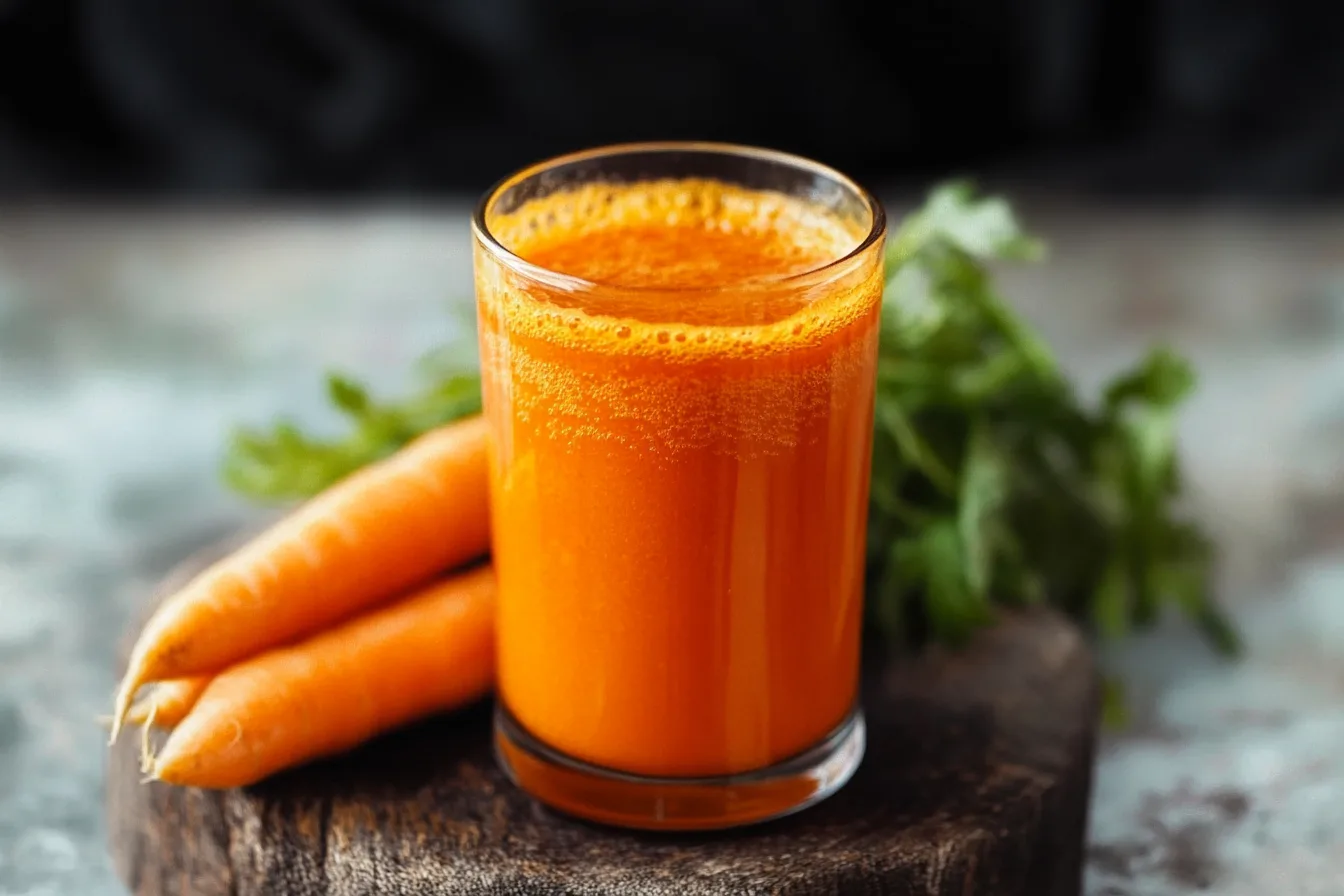
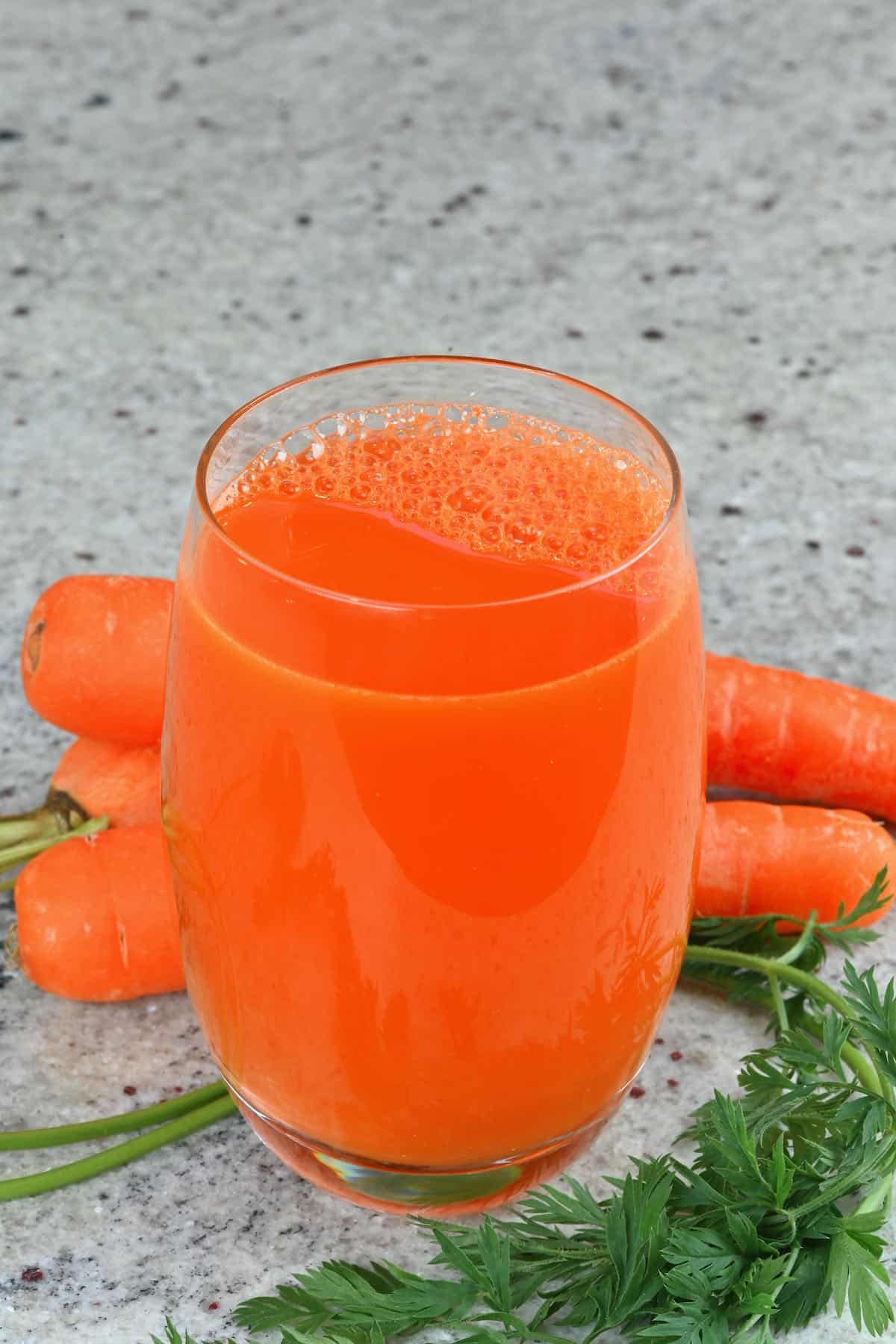
Fresh carrot juice typically lasts between 48 and 72 hours in the refrigerator. Because it lacks preservatives, it oxidizes quickly. For the best taste and nutrient retention, store it in a tightly sealed glass jar and consume it as soon as possible after juicing or thawing.
2
Can I make carrot juice ahead of time?
Yes, you can make carrot juice ahead of time if you freeze it immediately. Freezing locks in the vitamins and minerals. Simply pour the fresh juice into containers, leaving space at the top, and freeze. This allows you to enjoy a hydrating beverage whenever you need a boost.
3
What can I substitute for fresh carrot juice?
If you don’t have fresh juice, you can substitute it with high-quality store-bought organic carrot juice or a blend of pumpkin puree and water. While the flavor profile may shift slightly, these options still provide a vibrant color and a refreshing, sweet earthiness to your recipes or smoothies.
4
How do I know when thawed juice is done?
The juice is ready to consume once it has completely melted into a liquid state with no ice crystals remaining. Since it is a beverage, it doesn’t have a ‘doneness’ like cooked food, but you should check for a consistent orange color and a fresh, sweet aroma.
5
Can I freeze carrot juice with other ingredients?
Absolutely. Freezing carrot juice blended with apple, ginger, or lemon is a great way to create a pre-made refreshing base. You can even freeze the juice with a mint garnish inside the ice cubes to add a decorative and flavorful touch to your water or tea later.