Fun Facts About Pineapples: Surprising & Healthy
Pineapples are far more than just a prickly tropical treat or a controversial pizza topping. These vibrant fruits carry a rich history that spans continents, serving as symbols of extreme wealth, hospitality, and even architectural inspiration. Most people recognize their golden flesh and sweet, tangy flavor, but the botanical and cultural reality of the fruit is truly fascinating. From their unique growth patterns to the complex enzymes that make your mouth tingle, there is a wealth of knowledge hidden beneath that tough, hexagonal skin. In the following sections, we will explore the most intriguing fun facts about pineapples, their nutritional profile, and how you can incorporate them into your kitchen through a simple yet delicious preparation method.
A pineapple is not a single fruit but a cluster of individual berries fused together around a central core, taking up to two years to reach full maturity.
The Botanical Mystery: One Fruit or Many?
One of the most mind-blowing fun facts about pineapples is that they are technically not a single fruit. Botanically speaking, a pineapple is a “collective fruit” or a “multiple fruit.” This occurs when a cluster of individual flowers—sometimes up to 200—blooms around a single stalk. Each flower eventually produces a fruitlet, and as these fruitlets grow, they fuse together to form the large, cohesive unit we recognize in the grocery store. If you look closely at the exterior of a pineapple, each “eye” or hexagonal scale represents an individual flower that once bloomed.
Furthermore, pineapples do not grow on trees, despite the common misconception. They are bromeliads, a type of plant that grows low to the ground. The plant consists of a rosette of long, spiked leaves, with the fruit emerging from the very center on a sturdy stalk. This growth process is incredibly slow. It can take anywhere from 18 to 24 months for a single pineapple plant to produce just one fruit. Once the fruit is harvested, the plant may produce a “sucker” or “slip” that can grow another pineapple, but the commercial yield is typically limited, making every bite of this tropical fruit a result of significant time and patience.
Because they are so slow to grow, pineapples have developed unique defense mechanisms. The leaves are incredibly sharp, and the skin is tough and fibrous to protect the precious sugars developing inside. Interestingly, pineapples are also the only edible bromeliad for humans, a family of plants that otherwise includes mostly ornamental species and Spanish moss.
A Historical Status Symbol of the Elite
In the modern era, you can find a pineapple at almost any supermarket for a few dollars. However, in the 17th and 18th centuries, pineapples were the ultimate symbol of opulence and prestige in Europe. When explorers first brought them back from the Caribbean, the fruit was so rare and difficult to transport without rotting that a single pineapple could cost the equivalent of thousands of dollars today. They were so valuable that they were rarely eaten; instead, they were used as centerpieces at high-society dinner parties.

The demand for pineapples was so high among the elite that a rental market actually emerged. People who could not afford to purchase a pineapple outright could rent one for the evening to display on their table, signaling to their guests that they were wealthy and well-connected. The fruit would be returned the next day to be sold to someone even wealthier who could actually afford to cut it open. This history is why the pineapple became a universal symbol of hospitality. You will often see pineapple motifs carved into bedposts, gatehouses, and door knockers in colonial-style architecture, signifying that guests are welcome.
The quest to grow pineapples in cooler climates led to the invention of “pineries.” These were specialized, heated greenhouses that used massive amounts of coal and manure to simulate tropical heat. The cost of maintaining these structures was astronomical, further cementing the pineapple’s status as the “King of Fruits.” It wasn’t until the development of steamships and industrial canning in the late 19th century that the fruit became accessible to the general public.

The Science of Bromelain: The Fruit That Eats You Back
Have you ever noticed a slight tingling or “burn” on your tongue after eating several slices of fresh pineapple? This is due to a powerful enzyme called bromelain. Bromelain is a protease, which means its primary job is to break down proteins. When you chew a piece of raw pineapple, the bromelain starts to break down the proteins in the surface of your tongue and cheeks. Don’t worry, though—your stomach acid quickly neutralizes the enzyme, and your mouth cells regenerate fast enough that no permanent damage occurs.
This biological property makes pineapple an incredible ingredient in the culinary world, particularly as a meat tenderizer. If you add fresh pineapple juice to a tough cut of steak in a recipe, the enzymes will soften the muscle fibers, resulting in a much more tender dish. However, you must be careful with the instructions and timing; if you leave meat in a pineapple marinade for too long, it can turn the texture into mush. Interestingly, this enzyme is also why you cannot use fresh pineapple in gelatin desserts. The bromelain breaks down the protein bonds in the gelatin, preventing it from ever setting firm.
Beyond the kitchen, bromelain is studied for its medicinal properties. It is often used as a supplement to reduce inflammation, treat digestive issues, and even assist in the recovery of sports injuries. While the calories in a pineapple are relatively low—about 50 per 100 grams—the nutritional density is high, providing a massive dose of Vitamin C and manganese, which are essential for immune health and bone strength.
Culinary Versatility and Preparation
While many enjoy pineapple raw, cooking it transforms the flavor profile by caramelizing the natural sugars. If you are looking for a quick way to enjoy this fruit, a simple grilled pineapple dish is a perfect choice. Below is a breakdown of how to prepare this classic treat, often used as a side dish for barbecues or a light dessert.
| Metric | Details |
|---|---|
| Prep Time | 10 minutes |
| Cooking Time | 6 minutes |
| Servings | 4 people |
| Calories | Approximately 85 per serving |
To start, you will need basic ingredients: one whole fresh pineapple, two tablespoons of honey, and a pinch of cinnamon. The instructions are straightforward. First, peel and core the pineapple, then cut it into thick rings or spears. Whisk the honey and cinnamon together and lightly brush the mixture onto the fruit. Place the pieces on a medium-high grill for about three minutes per side until char marks appear. This process reduces the acidity and enhances the sweetness, making it a crowd favorite. This method is far superior to using canned varieties, which often sit in heavy syrup and lose the textural integrity of the fresh fruit.
Expert Tips for Choosing the Perfect Pineapple
Selecting the right pineapple at the store is an art form. Most people believe that pulling a leaf from the crown is the best way to check for ripeness; if it comes out easily, it’s ready. However, experts suggest this isn’t always reliable. A better indicator is the scent. Smell the base of the pineapple; it should have a sweet, fragrant aroma. If it has no scent, it is likely underripe. If it smells fermented or vinegary, it is past its prime.
Another professional tip is to check the weight and “give” of the fruit. A ripe pineapple should feel heavy for its size, indicating it is full of juice. When you give it a gentle squeeze, there should be a slight softness to the skin, but it shouldn’t feel mushy. Unlike some fruits, pineapples do not continue to ripen significantly after they are harvested. While they might get softer and change color from green to gold on your counter, the sugar content does not increase once it is cut from the mother plant.
- Store fresh pineapples upside down for a day before cutting; this helps the sugars concentrated at the base redistribute throughout the entire fruit.
- To regrow a pineapple, twist off the green top (the crown), let it dry for two days, and place it in a jar of water until roots form.
- Never use fresh pineapple in recipes involving raw gelatin or dairy-based puddings unless you cook the fruit first to deactivate the bromelain.
Conclusion
From its complex botanical structure as a cluster of berries to its storied past as a luxury icon of the 18th century, the pineapple is a fruit that commands respect. Whether you are harnessing its enzymes to tenderize a meal or enjoying its high Vitamin C content for a health boost, it remains one of the most versatile and interesting foods on the planet. Next time you pick up a pineapple, remember the two-year journey it took to reach your table, and perhaps try a new preparation method to truly appreciate its unique flavor profile.
❓ Frequently Asked Questions
1
How long does fresh pineapple last in the fridge?
Once cut, fresh pineapple stays good in the refrigerator for about 3 to 5 days when stored in an airtight container. To keep it even fresher, store it in its own juice. If the fruit begins to smell fermented or looks mushy, it is past its prime.
2
Can I make pineapple juice ahead of time?
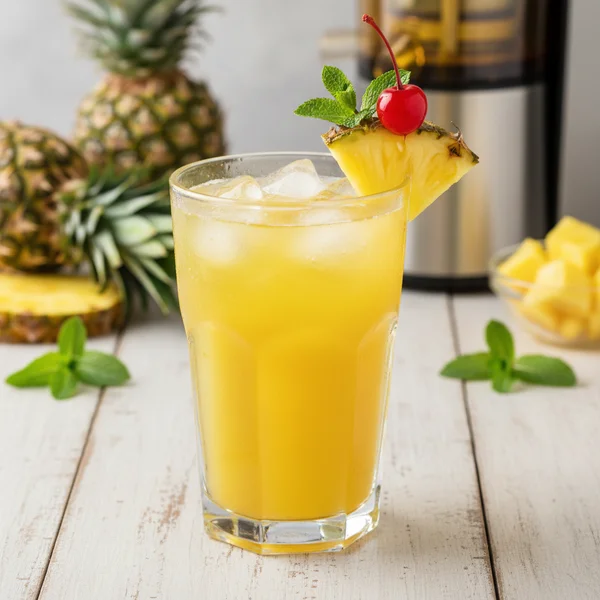
Yes, you can prepare fresh pineapple juice up to two days in advance. Keep it chilled in a sealed glass jar or pitcher. Give it a good stir or shake before serving, as the pulp tends to settle at the bottom over time for a consistent taste.
3
What can I substitute for fresh pineapple ingredients?
Canned pineapple is the most common substitute, though it is often sweeter due to added syrup. For a similar acidic profile in savory dishes, try using mango or kiwi. In baking, applesauce or crushed peaches can sometimes work, though the distinct tropical flavor will be missing.
4
How do I know when pineapple is done ripening?
Pineapples do not ripen significantly after being harvested. To find the best one, look for a firm fruit that feels heavy for its size with a sweet aroma at the base. Avoid any that are completely green or have bruised skin and brown leaves.
5
Does cooking time affect the nutrients in pineapple?
Yes, while cooking pineapple can enhance its sweetness in a recipe, high heat can break down the beneficial enzyme bromelain. Short cooking times are best to retain vitamins. Always prepare your ingredients before starting to ensure the best texture and flavor during the heating process.
6
Can I freeze pineapple?
Absolutely! Freezing pineapple is a great way to preserve it for smoothies or baking. Cut the fruit into chunks, flash-freeze them on a baking sheet, and then transfer to a freezer-safe bag. It will maintain its quality for up to six to twelve months.