How to Toast Sesame Seeds in a Pan: Easy Guide
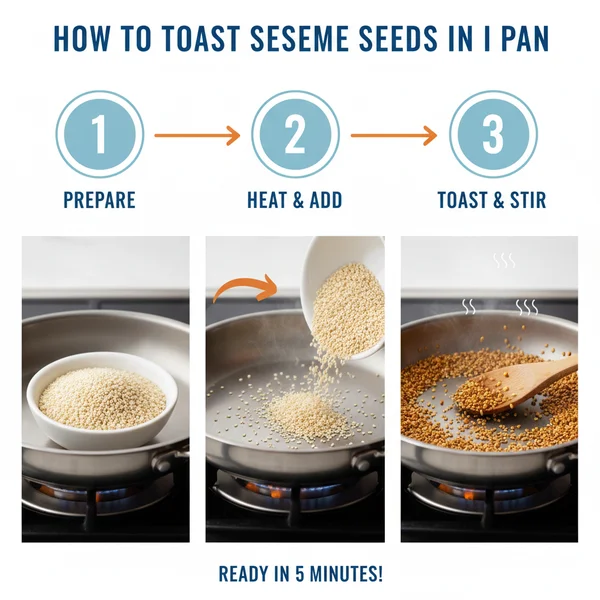
To toast sesame seeds in a pan, place raw seeds in a dry skillet over medium-low heat. Shake the pan or stir constantly for 3 to 5 minutes until the seeds turn a light golden brown and emit a fragrant, nutty aroma. Immediately remove the seeds from the hot pan and transfer them to a plate or bowl to stop the cooking process, as residual heat can quickly lead to burning.
Understanding the Science and Benefits of Pan-Toasting Sesame Seeds
Learning how to toast sesame seeds in a pan is a fundamental culinary skill that dramatically elevates the flavor profile of various dishes. While raw sesame seeds have a mild, slightly sweet, and somewhat milky taste, the application of dry heat initiates a chemical transformation known as the Maillard reaction. This process rearranges the amino acids and sugars within the seed, resulting in a complex, savory, and deeply nutty flavor that raw seeds simply cannot match.
Beyond flavor, toasting releases the essential oils trapped within the tiny hulls of the seeds. These oils, primarily sesamin and sesamolin, are responsible for the distinct aroma that fills your kitchen during the toasting process. Furthermore, the heat alters the physical texture of the seed. A raw sesame seed is relatively soft and can feel slightly waxy; a toasted seed, however, becomes delightfully crisp and brittle, providing a necessary textural contrast when used as a garnish for salads, sushi, or stir-fries.
One of the most practical reasons to choose the pan method over oven-toasting is control. Because sesame seeds are incredibly small and contain high oil content, they can transition from perfectly golden to acrid and burnt in a matter of seconds. Using a pan on the stovetop allows you to monitor the color and scent in real-time, providing the agility to remove them from the heat the moment they reach peak toasted perfection. This method is also far more efficient for smaller batches, saving the energy and time required to preheat a full-sized oven.
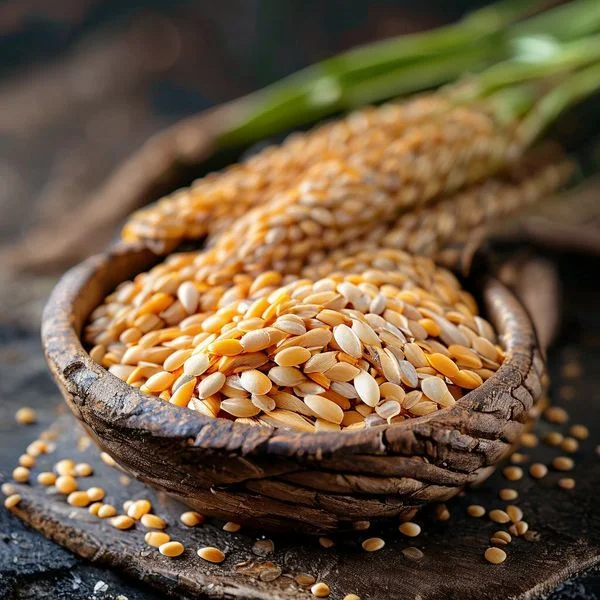
When selecting seeds for your recipe, you may find both hulled (white) and unhulled (brown or black) varieties. Hulled white sesame seeds are the most common and show the most visible color change during toasting, making them the easiest for beginners to work with. Black sesame seeds, while striking, require more attention to scent and sound, as their dark color makes it difficult to visually track the browning process. Regardless of the variety, the dry pan method remains the gold standard for achieving a uniform, high-quality toast.
Step-by-Step Instructions for Perfectly Toasted Sesame Seeds
Following a precise set of instructions ensures that your seeds are evenly cooked and free from burnt bitter notes. This process requires minimal prep time and only a few minutes of active cooking time.
Preparation and Ingredients
- Prep Time: 1 minute
- Cooking Time: 3–5 minutes
- Servings: Varies (typically 1/2 cup)
- Calories: Approximately 52 calories per tablespoon
- Ingredients: Raw sesame seeds (white, black, or brown)
The Toasting Process
- Select Your Pan: Use a wide, heavy-bottomed skillet or frying pan. Stainless steel or cast iron is ideal because they distribute heat evenly. Ensure the pan is completely dry and free of any oil or cooking spray, as we are looking for a dry toast.
- Measure and Spread: Add your raw sesame seeds to the cold pan. Spread them out in a single, even layer. Avoid overcrowding the pan; if you are toasting a large quantity, it is better to work in batches to ensure every seed makes contact with the heat.
- Apply Heat: Turn the burner to medium-low. While it may be tempting to use high heat to speed up the recipe, sesame seeds are delicate. Low and slow heat prevents the exterior from burning before the interior is properly toasted.
- Agitate Constantly: As the pan heats up, begin stirring the seeds with a wooden spoon or heat-resistant spatula. Alternatively, you can frequently shake the pan using the handle. This constant motion is the most critical part of the instructions, as it ensures even browning and prevents the seeds at the bottom from scorching.
- Monitor for Cues: After about 2 minutes, you will start to smell a nutty fragrance. Shortly after, the white seeds will begin to turn a pale tan or golden color. You may also hear a faint “popping” or “crackling” sound, similar to tiny popcorn.
- Immediate Removal: Once the seeds are golden-brown and fragrant, remove the pan from the heat immediately. Do not leave the seeds in the hot pan, as the residual heat from the metal will continue to cook them, often leading to over-toasting.
- Cooling: Pour the toasted seeds onto a cold plate or a wide baking sheet. Spread them out so the steam can escape and they cool down rapidly. This preserves their crisp texture.
Important Considerations and Common Mistakes to Avoid
While the process of toasting sesame seeds is straightforward, there are several nuances that can make or break the final result. Understanding these factors will help you achieve professional-grade results every time you step into the kitchen.
One of the most common mistakes is failing to account for “carry-over cooking.” Because sesame seeds are small and hold heat well due to their oil content, they continue to darken for about thirty seconds after they are removed from the flame. Therefore, you should pull them off the stove when they are just a shade lighter than your desired final color. If they look perfectly dark in the pan, they will likely taste burnt by the time they cool.
The choice of pan also plays a significant role. A thin, cheap aluminum pan often develops “hot spots,” causing some seeds to burn while others remain raw. If you must use a lighter pan, you will need to be even more vigilant with your stirring. Furthermore, never add oil to the pan. Adding fats like butter or olive oil changes the process from toasting to frying. Fried sesame seeds have a different texture and a much shorter shelf life, as the added fats can go rancid quickly.
Another consideration is the age of your seeds. Sesame seeds have a high fat content, which means they can go rancid if stored in a warm pantry for too long. Before you begin to toast, smell your raw seeds. If they have a sour or “paint-like” odor, they have spoiled. Toasting will not fix the flavor of rancid seeds; in fact, it will often intensify the bitterness. Always store your seeds in a cool, dark place, or even the refrigerator, to maintain their quality.
Finally, be mindful of the difference between white and black seeds. If you are toasting black sesame seeds, you cannot rely on color changes. Instead, you must rely entirely on the aroma and the popping sound. A good trick for beginners is to mix a few white seeds in with the black ones. When the white seeds turn golden, you know the black seeds are also finished.
- Batch Prep: Toast a larger batch than you need and store the extras. Toasted seeds stay fresh in an airtight container for up to three months in the fridge.
- Taste Test: If you aren’t sure they are done, let a few seeds cool for 10 seconds and taste them. They should be crunchy and flavorful, not soft or bitter.
- Use a Wide Pan: The more surface area the seeds have, the more evenly they will toast. Avoid high-sided saucepans where steam can get trapped.
- Scent is Key: Your nose is your best tool. The moment the kitchen smells like roasted nuts, the seeds are likely very close to being done.
Conclusion
Mastering the art of how to toast sesame seeds in a pan is a simple yet transformative addition to your culinary repertoire. By spending just five minutes at the stove, you turn a humble, quiet ingredient into a powerhouse of flavor and texture. Whether you are using them to top a vibrant poke bowl, whisking them into a homemade tahini, or garnishing a fresh loaf of bread, the depth provided by toasted seeds is incomparable. Remember to maintain low heat, stir constantly, and cool them immediately to ensure a perfect, golden finish every time. With these techniques, you can confidently enhance any recipe with the rich, toasted essence of sesame.
❓ Frequently Asked Questions
1
How long does toasted sesame seeds last in fridge?
Toasted sesame seeds last for about six months in the refrigerator when stored in an airtight container. Keeping them chilled prevents the natural oils from becoming rancid, ensuring the seeds maintain their fresh, nutty flavor and crunchy texture for all your future recipes and garnishes throughout the year.


2
Can I make toasted sesame seeds ahead of time?
Yes, you can easily make these ahead of time to simplify your cooking routine. Simply follow the instructions to toast a large batch, let them cool entirely, and store them in a cool, dark pantry. This prep time effort makes adding flavor to stir-fries or salads much faster.
3
What can I substitute for sesame seeds?
If you lack sesame seeds, you can substitute them with toasted sunflower seeds, poppy seeds, or chopped hemp hearts. While the flavor profile changes slightly, these alternatives provide a similar crunch. Be sure to adjust your cooking time if toasting these substitutes, as their density varies compared to sesame.
4
How do I know when sesame seeds are done?
You will know the sesame seeds are perfectly toasted when they transition from a pale white to a light golden-brown hue. They will also release a rich, nutty aroma and may start to pop slightly in the pan. Watch them closely, as they can burn within seconds.
5
Can I freeze toasted sesame seeds?
Toasted sesame seeds freeze exceptionally well for up to one year. Place the completely cooled seeds into a freezer-safe bag, squeezing out any excess air before sealing. You can use them directly from the freezer without thawing, adding a quick flavor boost to any dish with zero extra prep.