Is Orange Juice Gluten Free? Perfect Guide
Yes, pure orange juice is naturally gluten-free because oranges are citrus fruits and do not contain wheat, barley, rye, or triticale. Most commercially available brands of 100% orange juice are safe for those with celiac disease or gluten sensitivity. However, always check labels for “natural flavors” or additives in blended juice drinks, as these can occasionally harbor gluten-based stabilizers or be subject to cross-contamination during the manufacturing process.

Understanding the Gluten-Free Status of Orange Juice
When navigating a gluten-free lifestyle, it is essential to look beyond the obvious sources of gluten like bread and pasta. Many people wonder about beverages, specifically if orange juice is gluten-free. The short answer is a resounding yes. Since orange juice is derived directly from the orange fruit, it is inherently free from gluten proteins. This hydrating beverage provides a significant source of Vitamin C and potassium without the risk associated with grain-based products.
The primary reason orange juice remains safe for those on a restricted diet is the simple nature of its production. In its most basic form, the juice is extracted from the pulp of the fruit, pasteurized to ensure safety, and bottled. Whether you prefer a pulpy texture or a smooth, chilled glass of juice, the raw ingredients remain the same. However, the complexity increases when we look at “juice drinks” or “fruit cocktails.” These products often contain added sweeteners, colors, and preservatives. While the majority of these additives are also gluten-free, some thickening agents or “natural flavors” can be derived from barley or other gluten-containing grains.
From a scientific perspective, gluten is a group of proteins found specifically in certain grass-related grains. Citrus trees belong to a completely different botanical family. Therefore, there is no biological way for an orange to produce gluten. The concern for consumers usually lies in the processing facility. If a facility processes multiple types of beverages—some of which might contain barley malt (common in some bottled teas or energy drinks)—there is a marginal risk of cross-contact. Thankfully, major orange juice manufacturers typically use dedicated lines for their citrus products to maintain purity and flavor.
Furthermore, frozen orange juice concentrate is almost always gluten-free. The process involves removing the water content from the juice to create a thick syrup that is then frozen for longevity. When you reconstitute this at home, you are simply adding water back into the concentrated fruit solids. As long as the label specifies “100% orange juice,” you can be confident that no gluten-containing fillers have been added to the mix.
How to Prepare Fresh Gluten-Free Orange Juice at Home
While store-bought options are convenient, making your own juice at home ensures total control over the ingredients and eliminates any fear of cross-contamination. Here is a detailed guide to creating a refreshing and hydrating orange beverage using two different methods.
Method 1: The Classic Squeeze
1. Select Your Fruit: Choose heavy, thin-skinned oranges like Valencias or Navels for the highest juice yield. Ensure they are at room temperature to make juice extraction easier.

2. Prep the Oranges: Firmly roll each orange on the counter with your palm to break the internal membranes. Slice them in half horizontally.
3. Extract: Use a manual or electric citrus juicer. Press and twist each half until only the white pith remains. If you enjoy texture, keep the pulp; otherwise, strain the liquid through a fine-mesh sieve.
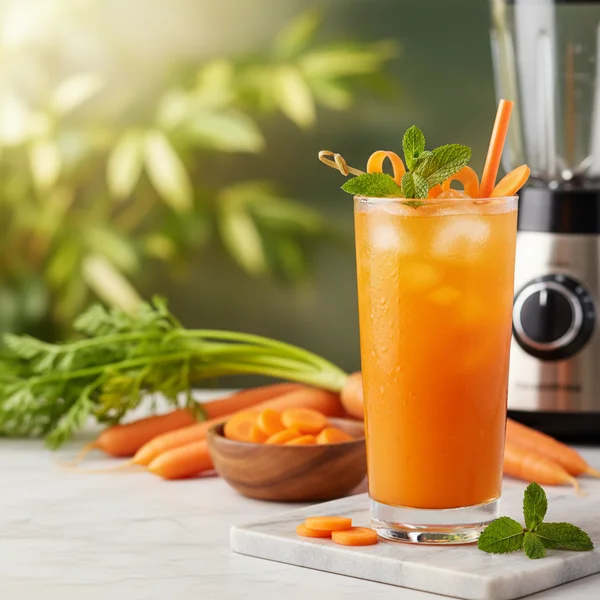
4. Chill and Serve: Pour the juice into a glass filled with ice. For an elegant touch, add a garnish of fresh mint or an orange wheel.
Method 2: The Whole-Fruit Blender Method
Using a blender is an excellent way to retain more fiber, making the drink even more nutritious. This method creates a thicker, more filling beverage similar to a smoothie.
1. Peel and Seed: Completely peel three large oranges, removing as much of the bitter white pith as possible. Check for and remove any seeds.
2. Load the Blender: Place the orange segments into the blender. Add a half-cup of ice to ensure the drink is chilled immediately during the process.
3. Liquefy: Blend on high speed for 60 seconds until the mixture is completely smooth. If it is too thick, add a small splash of cold water or coconut water for extra electrolytes.

4. The Final Touch: Pour into a tall glass. This version is incredibly refreshing and retains the natural zest and oils of the fruit that are often lost in commercial processing.
Important Considerations and Potential Risks
Even though orange juice is naturally safe, there are specific scenarios where gluten could potentially enter the equation. Being a savvy consumer involves more than just reading the front of the box; it requires an understanding of labeling laws and manufacturing practices.
First, be cautious with “fortified” orange juices. Some brands add Omega-3 fatty acids, Vitamin D, or Calcium to their juices. While these are generally gluten-free, the carriers used for these nutrients can sometimes involve starches. In the United States, the FDA requires any gluten-containing grain to be clearly identified, but it is always safer to look for a certified gluten-free seal if you are highly sensitive.
Second, “natural flavors” are a common catch-all term on ingredient lists. In rare instances, natural flavors can be derived from barley malt. While this is more common in candies and sodas than in fruit juice, it remains a point of scrutiny for the celiac community. If a juice label lists anything other than “orange juice” and “ascorbic acid” (Vitamin C), take a moment to verify the source of those ingredients.
Third, consider the environment of a restaurant or juice bar. If you are ordering a refreshing orange juice at a cafe, ask if the blender used to mix fruit drinks is also used for malted shakes or drinks containing oat milk (which isn’t always certified gluten-free). Cross-contamination in shared kitchen equipment is one of the most common ways gluten is accidentally ingested. Always ensure that the garnish used—like a maraschino cherry or a sprig of herbs—hasn’t been handled near bread products.
Finally, be wary of “fruit-flavored” powdered mixes. These often contain anti-caking agents or thickeners that may contain wheat starch. Pure, liquid orange juice or frozen 100% concentrate are always safer bets than powdered alternatives.
- Always look for the “100% Juice” label to avoid added syrups and thickeners that might contain gluten.
- If buying from a juice bar, request that they clean the blender or juicer before preparing your drink to avoid cross-contact.
- For the best flavor, serve your juice chilled over ice rather than at room temperature.
- Make frozen orange juice ice cubes to prevent your drink from becoming watered down as you enjoy it.
- Use a citrus garnish like a twist of peel to add aromatic oils without adding calories or sugars.
Conclusion
In summary, orange juice is a safe, hydrating, and delicious choice for anyone following a gluten-free diet. Because it is a fruit-based beverage, it does not naturally contain the proteins found in wheat or barley. To ensure the highest safety standards, stick to 100% pure orange juice or frozen concentrates, and be mindful of “juice drinks” with complex ingredient lists. Whether you are using a blender to whip up a whole-fruit treat or enjoying a chilled glass with a fresh garnish, you can sip with confidence knowing that this refreshing classic is naturally free from gluten. Always remember to check labels for peace of mind, especially when trying new brands or fortified varieties.
❓ Frequently Asked Questions
1
How long does orange juice last in fridge?
Freshly squeezed orange juice typically lasts about 2 to 3 days in the refrigerator. To maintain its flavor and nutrient density, store it in an airtight glass container. If you notice a sour smell or a fizzy texture, the juice has fermented and should be discarded immediately.
2
Can I make orange juice ahead of time?
You can certainly squeeze orange juice a day in advance, though it is best enjoyed immediately for maximum vitamin C content. If preparing ahead, keep it tightly sealed and cold. For longer storage, freeze the juice in silicone trays to create convenient cubes for future smoothies or drinks.
3
What can I substitute for orange juice?
If you need a gluten-free alternative, grapefruit juice or tangerine juice offer similar acidity and sweetness. For cooking or baking, you can use apple juice or even a splash of lemon juice diluted with water. Always verify that any commercial substitute is certified gluten-free before using it.
4
How do I know when orange juice is done?
When squeezing fresh oranges, the juice is ready once you have extracted all the liquid from the pulp. If you prefer a smoother consistency, pass the liquid through a fine-mesh strainer. The juice should have a vibrant color and a bright, citrusy aroma without any fermented notes.
5
Can I freeze orange juice?
Yes, orange juice freezes very well for up to four months. Use freezer-safe containers, leaving a little space at the top for expansion. Alternatively, toss the juice into a blender with frozen fruit after freezing it in ice trays to create a quick, hydrating, and nutritious slushie.