Does Pineapple Juice Help With Swelling? Best Guide
Yes, pineapple juice can help reduce swelling and inflammation thanks to a powerful enzyme called bromelain. Bromelain triggers the body’s ability to fight pain and reduce edema (fluid retention). It is particularly effective for post-surgical swelling, sports injuries, and inflammatory conditions like sinusitis. To get the most benefit, it is best to consume fresh, unprocessed juice, as the heating process in pasteurization can often neutralize the active enzymes needed for healing.
Understanding How Pineapple Juice Reduces Swelling
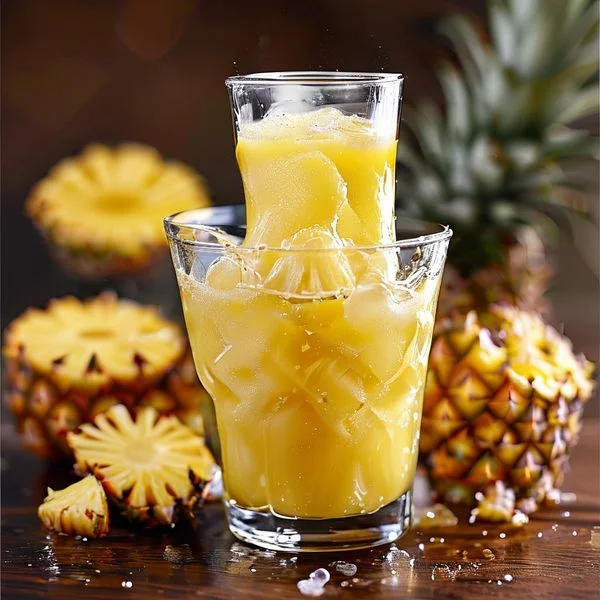
The primary reason pineapple juice is touted for its anti-inflammatory properties is the presence of bromelain. Bromelain is not a single substance but a mixture of enzymes that digest protein. Scientifically, these enzymes interfere with the biological pathways that lead to inflammation. When you experience swelling—whether from an ankle sprain or dental surgery—your body sends various cells to the site of the injury, causing fluid buildup and pain. Bromelain helps by breaking down fibrin, a protein involved in blood clotting and swelling, thereby improving circulation and allowing the body to reabsorb excess fluid more efficiently.
Beyond its enzymatic power, pineapple juice is incredibly hydrating. Proper hydration is a cornerstone of managing swelling because it helps the kidneys flush out excess sodium, which is a common cause of water retention. When you sip on a refreshing glass of pineapple juice, you are providing your body with a dense concentration of Vitamin C and manganese. These antioxidants support the immune system and help repair damaged tissues, making the recovery process smoother.
It is important to note that most of the bromelain in a pineapple is concentrated in the stem and the core. When you enjoy a chilled glass of commercially processed juice, you may be getting a delicious beverage, but you are likely missing out on the therapeutic levels of enzymes found in the raw fruit. This is because heat treatment (pasteurization) typically destroys bromelain. For those looking to target specific swelling issues, such as post-operative recovery or joint inflammation, fresh-pressed versions are the gold standard.
How to Prepare Fresh Pineapple Juice for Inflammation
To maximize the anti-swelling benefits, you should prepare your juice at home using fresh fruit. This ensures the enzymes remain active and you avoid the added sugars found in many shelf-stable cartons.
1. Select a Ripe Pineapple: Look for a pineapple that is golden-yellow at the base and has a sweet aroma. A ripe fruit ensures a better flavor profile and a higher concentration of nutrients. Don’t discard the core; while it is tougher than the flesh, it contains the highest concentration of bromelain.
2. Prepare the Fruit: Peel the pineapple and cut it into chunks. Be sure to include the central core in your pieces. If the core is too tough for your taste, a high-powered blender will easily break it down into a smooth consistency.
3. Use a High-Speed Blender: Place the pineapple chunks into your blender. To make the drink more hydrating and easier to process, add a small amount of coconut water or plain filtered water.
4. Add Ice for Texture: If you prefer a frozen or slushie-like consistency, add a handful of ice before blending. This transforms the juice into a refreshing, chilled treat that can soothe a sore throat or provide cooling relief on a hot day.
5. Strain or Serve Pulp-In: For maximum fiber, drink the juice as is. However, if you prefer a smoother texture, use a fine-mesh strainer or a nut milk bag to remove the pulp.
6. Garnish and Serve: Pour the juice into a glass and add a garnish like a sprig of mint or a slice of lime. Serve it immediately to ensure you are getting the enzymes at their peak potency.
Important Considerations and Best Practices
While pineapple juice is a natural remedy, there are several things to keep in mind to ensure you are using it safely and effectively. First and foremost, the acidity of pineapple can be hard on the stomach or the mouth. Some people experience “pineapple sting” or small mouth sores due to the bromelain breaking down proteins on the tongue. To mitigate this, avoid drinking excessive amounts in one sitting.
Another consideration is the sugar content. Even natural fruit sugar (fructose) can add up quickly. If you are managing blood sugar levels or are on a calorie-restricted diet, it is better to consume the whole fruit or limit your juice intake to one small glass per day. Furthermore, bromelain can act as a mild blood thinner. If you are currently taking anticoagulant medications or are scheduled for surgery, you must consult with your doctor before using pineapple juice as a therapeutic tool, as it may increase the risk of bleeding.
Finally, always prioritize fresh over canned. Canned pineapple juice has been heated to high temperatures to ensure shelf stability, which effectively kills the bromelain enzymes. While the canned version is still a source of Vitamin C, it will not provide the same anti-swelling benefits as a juice you made yourself in a blender just minutes before consumption.
- Combine pineapple with a pinch of black pepper and turmeric to further enhance the anti-inflammatory effects.
- Freeze fresh pineapple juice into ice cubes to add to water throughout the day for a subtle, hydrating boost.
- Avoid adding refined sugars; if the juice is too tart, add a splash of coconut water to naturally sweeten it.
- Drink the juice on an empty stomach if you are using it specifically for its anti-inflammatory properties, as this allows the enzymes to focus on the body rather than digesting food.
Conclusion
Pineapple juice is more than just a tropical, refreshing beverage; it is a functional drink that can play a significant role in managing swelling and inflammation. By utilizing the power of bromelain, you can support your body’s natural healing processes after an injury or surgery. For the best results, stick to fresh-made versions prepared in a blender and serve them chilled to preserve the delicate enzymes. While it is not a replacement for medical treatment, incorporating this hydrating juice into a balanced diet offers a delicious and effective way to feel your best.
❓ Frequently Asked Questions
1
How long does pineapple juice last in fridge?
Freshly made pineapple juice typically lasts about 2 to 3 days in the refrigerator when stored in an airtight container. However, for the maximum anti-inflammatory benefits and the freshest taste, it is best to consume it within 24 hours of preparation before the enzymes begin to degrade.


2
Can I make pineapple juice ahead of time?
You can prepare pineapple juice ahead of time, but its nutritional potency decreases over time. If you must make it in advance, store it in a glass jar with a tight seal to minimize oxidation. Shake well before serving as natural separation will occur while sitting in the fridge.
3
What can I substitute for fresh pineapple?
While fresh pineapple is best for swelling due to the high bromelain content in the core, you can use frozen pineapple chunks if fresh isn’t available. Avoid canned pineapple if possible, as the heat used in the canning process destroys the beneficial enzymes needed to help reduce inflammation.
4
How do I know when the juice is done?
When using a high-speed blender, your juice is ready once the mixture is completely smooth and frothy. There should be no visible chunks of fruit or ice remaining. If you prefer a thinner consistency, you can strain the pulp through a fine-mesh sieve or a nut milk bag.
5
Can I freeze pineapple juice?
Yes, you can freeze pineapple juice for up to three months. Freezing is a great way to preserve the juice, though it may lose some enzymatic activity. Try freezing it in ice cube trays to add to other hydrating beverages or smoothies for a refreshing, anti-inflammatory kick later.