Calamansi Juice with Honey: Refreshing & Healthy
Calamansi juice with honey is far more than just a simple citrus beverage; it is a nutritional powerhouse and a cornerstone of traditional wellness in Southeast Asia. This vibrant drink combines the intense, zesty tartness of the calamansi fruit—often referred to as the Philippine lime—with the smooth, floral sweetness of natural honey. Whether you are looking for a natural way to boost your immune system or simply need a revitalizing drink to beat the heat, this combination offers a complex flavor profile that satisfies the palate while providing essential vitamins. In this guide, you will discover the science behind its health benefits, various methods of preparation using modern kitchen tools, and creative ways to elevate this humble juice into a gourmet experience.
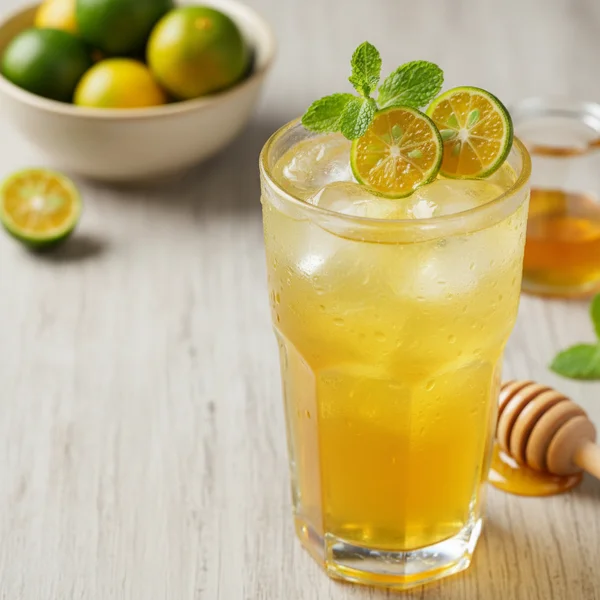
Calamansi juice with honey is an elite hydrating beverage that balances high acidity with natural enzymes, making it an ideal choice for immune support, detoxification, and natural energy without the crash of refined sugars.
The Nutritional Profile of Calamansi and Honey
Understanding why calamansi juice with honey is so effective starts with its chemical composition. The calamansi fruit (Citrus microcarpa) is exceptionally high in Vitamin C, which acts as a potent antioxidant. Unlike standard lemons, calamansi possesses a unique aroma and a thinner skin, which often contains essential oils that contribute to its distinctive scent. When you consume this juice, you are flooding your system with ascorbic acid, which is vital for collagen production and skin health.
Honey acts as the perfect functional partner to the tartness of the fruit. Raw honey contains trace amounts of pollen, enzymes, and minerals like potassium and magnesium. When these two ingredients are mixed, they create a synergistic effect. The natural sugars in honey provide a steady release of glucose, while the citric acid in the calamansi helps the body absorb minerals more efficiently. This makes the drink incredibly hydrating, especially when consumed after physical exertion or during hot weather when electrolyte loss is a concern.
Furthermore, the antibacterial properties of honey combined with the high acidity of calamansi make this a go-to remedy for sore throats and early signs of a cold. The acidity creates an environment that is less hospitable to certain bacteria, while the honey provides a soothing coating for the esophagus. It is a traditional “functional food” that has stood the test of time across generations.
Preparation Methods: From Manual Squeezing to the Blender
The traditional way to prepare this drink is by hand-squeezing the tiny fruits, but modern techniques can help you extract more juice and create different textures. To begin, always wash your calamansi thoroughly. Because the skin is so thin, many of the beneficial oils can be incorporated into the drink if you are using a high-speed blender. However, most prefer a clear, chilled juice which requires a bit more finesse in preparation.

| Method | Best For | Texture |
|---|---|---|
| Manual Squeeze | Quick single servings | Thin, clear, traditional |
| Blender Pulse | Large batches & Slushies | Frothy, slightly pulpy |
| Cold Infusion | Low-acid preference | Mild, infused water style |
If you choose the blender method, you can add a handful of ice cubes to create a frozen calamansi honey slushie. This is particularly refreshing during mid-afternoon slumps. Simply slice the fruit in half, remove the seeds (which can be bitter), and toss the pulp and juice into the blender with a generous tablespoon of honey and some water. Pulse until the mixture is uniform. If you prefer a more refined drink, use a fine-mesh strainer to remove any remaining fibers before serving.
For those who enjoy a more sophisticated presentation, serving the juice over large ice spheres ensures the drink stays cold without diluting too quickly. The temperature plays a crucial role; while some prefer it warm as a soothing tonic, the chilled version is superior for highlighting the bright, citrusy notes of the fruit.

Health Benefits and Modern Wellness Integration
The rise of “clean label” beverages has brought calamansi juice with honey into the spotlight of modern wellness. One of its primary benefits is detoxification. The citric acid helps stimulate liver enzymes, aiding in the body’s natural filtration process. Unlike commercial “detox” teas that can be harsh, calamansi juice is a gentle way to support your metabolic health. It is often consumed first thing in the morning to “wake up” the digestive system.
In addition to digestive support, this beverage is a champion of skin health. The high concentration of Vitamin C is a precursor to collagen synthesis. Regular consumption may lead to a brighter complexion and better resilience against environmental stressors. Because honey is a humectant, it helps the body retain moisture, further supporting the hydrating properties of the water base.
Weight management is another area where this drink shines. By replacing sugary sodas or processed fruit juices with a honey-sweetened calamansi drink, you significantly reduce your intake of high-fructose corn syrup. The acidity of the calamansi can also help curb cravings and provide a sense of satiety. When integrated into a balanced diet, it serves as a delicious, low-calorie alternative that doesn’t feel like a sacrifice.
Creative Variations and Serving Suggestions
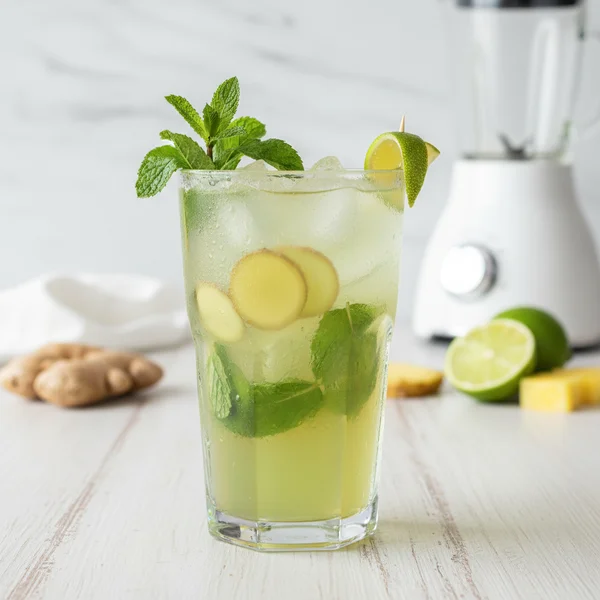
While the classic duo is fantastic on its own, adding a few extra ingredients can transform the drink into a centerpiece for a gathering. A popular addition is fresh mint leaves. Muddle the mint at the bottom of the glass before adding your ice and juice to add a cooling herbal note. For a bit of spice, a small slice of ginger can be blended into the mixture, which also enhances the digestive benefits.
The garnish you choose can also impact the sensory experience. A thin wheel of calamansi floated on top, perhaps with a sprig of rosemary or a cinnamon stick, adds an aromatic layer that hits the nose before the first sip. If you are serving this at a dinner party, try rimming the glass with a mixture of sea salt and organic sugar to play up the “sweet and sour” elements of the fruit.
For a carbonated version, replace half of the water with sparkling mineral water or club soda. The bubbles help lift the heavy sweetness of the honey and make the drink feel more like a cocktail. This “Calamansi Honey Spritz” is an excellent non-alcoholic option for social events. If you want to go the extra mile, you can freeze calamansi juice and honey into ice trays. Use these frozen cubes in plain water; as they melt, they slowly release their flavor, keeping your drink consistently refreshing from start to finish.
Storage and Long-Term Use
Freshness is key when dealing with citrus. Calamansi juice can oxidize quickly, losing its bright color and some of its Vitamin C content if left out. To store your juice, keep it in an airtight glass container in the refrigerator. It is best consumed within 24 to 48 hours. If you find yourself with an abundance of fruit, you can squeeze the juice and mix it with honey to create a concentrated syrup.
This concentrate can be stored in the fridge for up to a week. When you’re ready for a drink, simply add a few tablespoons of the concentrate to a glass of water and stir. For even longer storage, the frozen juice method is superior. Freeze the pure juice (without honey) in silicone molds. Once frozen, transfer the cubes to a freezer bag. This allows you to have “instant” calamansi juice throughout the year, even when the fruit is out of season.
Expert Tips for the Best Results
To truly master this beverage, professionals recommend focusing on the quality of the honey. While clover honey is common, using a darker honey like Manuka or wildflower honey adds a depth of flavor that complements the sharp acidity of the calamansi. The temperature of the water used to dissolve the honey is also vital. Avoid using boiling water, as extreme heat can degrade the beneficial enzymes in raw honey. Instead, use lukewarm water to create a honey slurry before adding the cold juice and ice.
Another expert tip involves the “zest factor.” If you want a more intense aroma, lightly bruise the skin of the calamansi before squeezing it. This releases the essential oils located in the rind. However, be careful not to over-squeeze, as the white pith can introduce a bitter aftertaste that masks the delicate floral notes of the honey.
- Always add the honey to warm water first to ensure it dissolves completely before adding ice or chilled water.
- Use a blender to incorporate the pulp if you want a fiber-rich version, but strain it if you prefer a crisp, elegant garnish-ready drink.
- For an extra refreshing kick, add a pinch of Himalayan pink salt to enhance the hydrating electrolytes.
In conclusion, calamansi juice with honey is a versatile, nutrient-dense beverage that serves as a perfect alternative to modern sugary drinks. By balancing the high Vitamin C content of the calamansi with the natural sweetness and enzymes of honey, you create a drink that is as functional as it is delicious. Whether you prefer it as a chilled morning tonic or a frozen afternoon treat, incorporating this drink into your routine is a simple yet effective way to support your overall wellness. Start experimenting with different honey varieties and garnishes today to find your perfect blend.
❓ Frequently Asked Questions
1
How long does calamansi juice with honey last in fridge?
Calamansi juice with honey is best enjoyed immediately for the most vibrant flavor. However, you can store it in a sealed glass pitcher in the refrigerator for up to three days. Stir the juice well before serving, as the honey and pulp may settle at the bottom over time.
2
Can I make calamansi juice with honey ahead of time?
Yes, you can prepare a large batch of this hydrating beverage ahead of time. Store the mixture in the fridge, but wait to add the ice until you are ready to serve to prevent dilution. This ensures your refreshing drink maintains its bold, tart citrus flavor and sweetness.
3
What can I substitute for calamansi in this recipe?
If you cannot find fresh calamansi, the best substitute is a mixture of lime and orange juice to mimic its unique tart-sweet profile. Alternatively, a combination of lemon and lime juice works well. Always adjust the honey levels to balance the acidity of whichever citrus fruit you choose.
4
How do I know when the honey is properly dissolved?
When using a blender, the honey should incorporate almost instantly. If mixing by hand, stir vigorously until you no longer see streaks of honey at the bottom of the pitcher. The liquid should appear uniform in color and have a consistent sweetness throughout when you perform a taste test.
5
Can I freeze calamansi juice with honey?
You can absolutely freeze this juice to make refreshing citrus popsicles or ice cubes. Freezing the juice into cubes is a great way to chill future drinks without diluting them. For best results, consume frozen treats within one month to ensure the flavor remains bright and the vitamins stay intact.