What to Eat After a Juice Cleanse: Ultimate Guide
Completing a juice cleanse is a significant milestone for your digestive health, but the transition back to solid foods is where the real transformation happens. Knowing exactly what to eat after a juice cleanse is essential to avoid overwhelming your system, which has been in a state of physiological rest. This comprehensive five-day schedule is designed to help you reintroduce nutrients systematically, preventing digestive distress while maintaining the clarity and energy you gained during your fast. By following this structured plan, you will move from liquid-based nourishment to complex, whole-food meals, ensuring your metabolism remains steady and your gut microbiome thrives in its revitalized state.
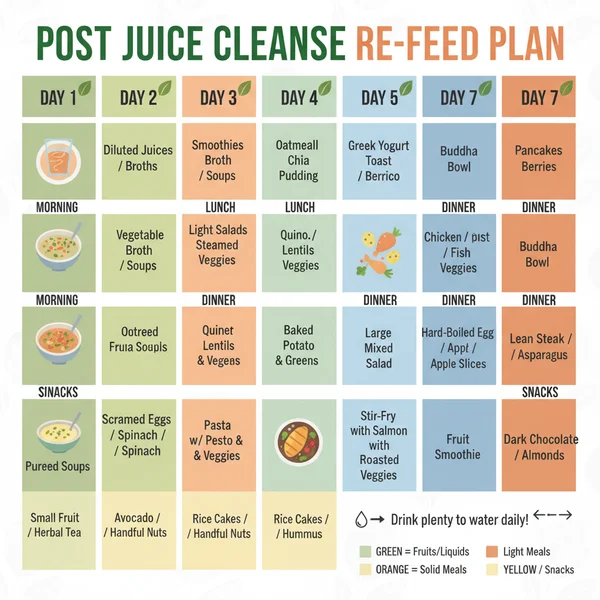
Figure 1: The 5-Day Post-Cleanse Transition Roadmap
Duration: 5 Days
Goals: Gentle digestive reawakening, nutrient density, and blood sugar stabilization.
Expected Outcomes: Sustained energy levels, reduced bloating, and a long-term shift toward whole-food eating habits.
Before You Start
Before you take your first bite of solid food, preparation is paramount. Your digestive enzymes have been less active during your cleanse, so you need to gather specific ingredients that are easy to break down. Stock your kitchen with high-water-content fruits, leafy greens, and easily digestible fats like avocado. You will also need a high-speed blender to create smooth textures that bridge the gap between juice and solids. It is crucial to consider the temperature of your food; while a chilled smoothie is refreshing, your stomach may prefer room-temperature or slightly warmed foods on the first day to prevent cramping. Ensure you have plenty of filtered water on hand, as hydrating remains a top priority even as you start eating again. Finally, remember the golden rule: chew every bite until it is nearly liquid to assist your body in the transition process.
Day-By-Day Schedule
Day 1: The Liquid-to-Puree Bridge
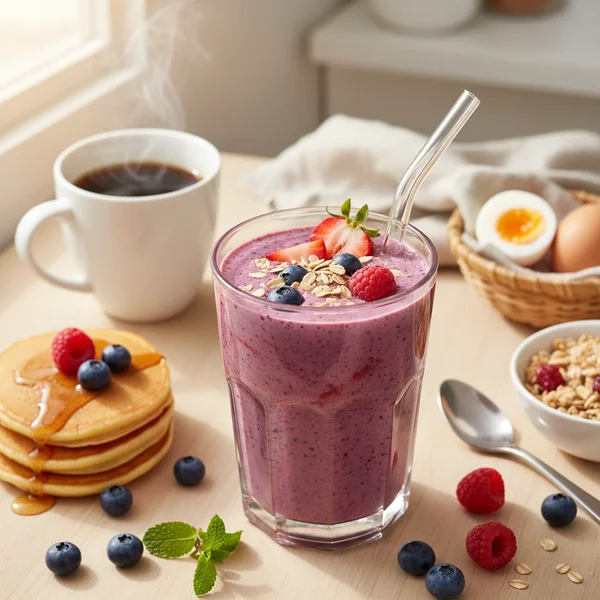
On your first day back, the goal is to introduce fiber without taxing the gut. Start with a meal that feels familiar to your cleanse but offers more substance. A chilled smoothie is the perfect transition. Using your blender, combine spinach, half an avocado, and a handful of frozen berries. The frozen fruit provides a thick, satisfying texture without the need for dairy. If the mixture is too thick, add a few cubes of ice to keep it refreshing and light. For dinner, a pureed vegetable soup (like butternut squash) provides warmth and comfort to your digestive tract.

- Breakfast: Green smoothie with avocado and frozen mango slices.
- Lunch: Pureed carrot and ginger soup, served at room temperature.
- Dinner: Blended zucchini and basil soup with a light garnish of fresh herbs.
Day 2: Soft Solids and Hydrating Fruits
Today, you can move away from the blender for at least one meal. Focus on “wet” foods—those with high water content that are naturally hydrating. This helps the fiber move through your system smoothly. Watermelon, cucumber, and oranges are excellent choices. For lunch, try a simple salad of peeled cucumber and tomato. Peeling the skins can make the transition easier on your stomach. By dinner, you can introduce soft, steamed vegetables like carrots or sweet potatoes, which are rich in beta-carotene and gentle on the colon.
- Breakfast: A large bowl of refreshing watermelon and lime juice.
- Lunch: Peeled cucumber and tomato salad with a squeeze of lemon.
- Dinner: Steamed sweet potato mash with a small garnish of cilantro and sea salt.
Day 3: Plant-Based Proteins and Healthy Fats
Day three is about building satiety. You will introduce plant-based proteins that are low in sulfur to prevent gas. Soaked chia seeds or hemp hearts are perfect additions to your morning routine. At lunch, a small portion of well-cooked quinoa or lentils provides the amino acids your body needs for repair. If you find yourself craving something chilled, a smoothie bowl topped with sliced banana is a great option. Use a blender to combine frozen acai or blueberries with coconut water for a hydrating base that feels like a treat.
- Breakfast: Chia seed pudding made with unsweetened almond milk.
- Lunch: Quinoa bowl with steamed spinach and a garnish of pumpkin seeds.
- Dinner: Red lentil dal (well-cooked) with a side of steamed broccoli florets.
Day 4: Complex Textures and Fermented Foods
Your digestive system should now be ready for more complex textures. This is the day to introduce healthy fats like nuts (if soaked) and fermented foods to repopulate your gut with beneficial bacteria. A small serving of sauerkraut or kimchi can be a powerful garnish for your lunch bowl. You can also start incorporating healthy fats into your blender recipes, such as almond butter or flax oil. If the weather is warm, a refreshing salad with a variety of raw greens can be introduced at dinner, provided you chew thoroughly.
- Breakfast: Overnight oats with frozen raspberries and a dollop of almond butter.
- Lunch: Mixed green salad with sauerkraut, avocado, and a lemon-tahini dressing.
- Dinner: Roasted root vegetables (beets, parsnips) with a side of chickpeas.
Day 5: Full Integration and Lean Proteins
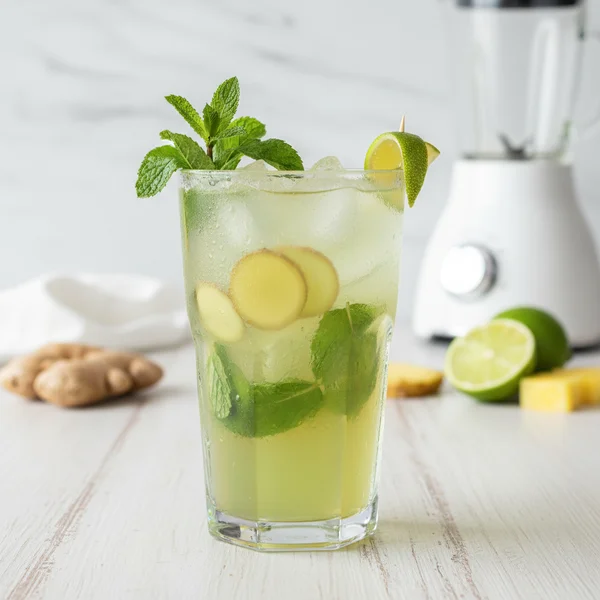
On the final day of the plan, you can return to a more standard whole-food diet. If you consume animal products, this is the time to introduce small portions of lean protein like wild-caught fish or organic chicken. If you are plant-based, fermented tempeh or firm tofu are great choices. Your meals should now include a balance of protein, healthy fats, and complex carbohydrates. Continue to focus on hydrating throughout the day. A chilled herbal tea or a refreshing sparkling water with a fruit garnish can replace the juices you’ve grown accustomed to over the last week.
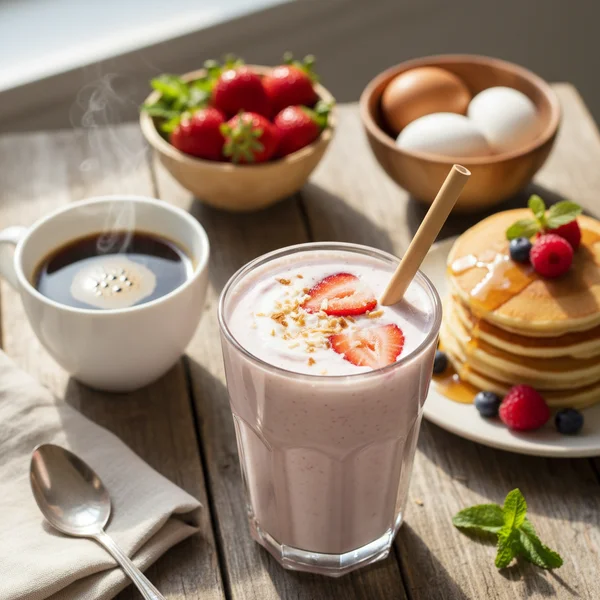
- Breakfast: Scrambled eggs or tofu with sautéed mushrooms and kale.
- Lunch: Buddha bowl with brown rice, black beans, avocado, and microgreens.
- Dinner: Grilled salmon or tempeh with roasted asparagus and a small green salad.
Modifications & Alternatives
Every body reacts differently when determining what to eat after a juice cleanse. If you experience any bloating or sharp pains on Day 2 or 3, simply revert to the previous day’s liquid-focused menu for an extra 24 hours. For those with high activity levels, you may need to increase your portion sizes of complex carbohydrates like quinoa or sweet potatoes earlier in the schedule. If you are sensitive to raw vegetables, continue steaming your greens through Day 5. Alternatively, if you find that frozen smoothies are too cold for your digestion, let your blender concoctions sit at room temperature for ten minutes before consuming. You can also swap any fruit for a lower-glycemic option like green apples or berries if you are monitoring your blood sugar closely.
- Chew Thoroughly: Aim for 30 chews per bite to predigest your food with salivary enzymes.
- Mind the Temperature: Avoid ice-cold drinks directly after meals to keep your digestive “fire” active.
- Stay Hydrated: Drink 16 ounces of water between meals to keep your system hydrating and moving.
- Limit Caffeine: Wait until Day 4 or 5 to reintroduce coffee or strong black teas to avoid jitters.
- Listen to Your Body: If you feel full, stop eating. Your stomach capacity may have temporarily decreased.
Conclusion
Following this five-day plan ensures that the transition from a juice cleanse to a solid diet is as smooth as possible. By systematically reintroducing fiber, protein, and fats, you allow your digestive system to adapt without the common pitfalls of post-cleanse bloating or fatigue. You should now feel more refreshing and energized, with a clearer understanding of how different foods affect your body. Moving forward, aim to keep the principles of this plan—high nutrient density, proper hydration, and mindful eating—as the foundation of your long-term wellness journey.
❓ Frequently Asked Questions
1
How long does this smoothie last in fridge?
This hydrating recovery drink is best consumed immediately for maximum freshness. However, you can store it in a sealed glass jar for up to 24 hours. Give it a quick shake or a pulse in the blender if separation occurs to restore its refreshing, smooth texture.
2
Can I make this recovery drink ahead of time?
Yes, you can prepare the ingredients ahead of time by portioning the fruit and greens into freezer-safe bags. When you are ready to eat after a juice cleanse, just toss the frozen mix into your blender with coconut water and ice for a quick, nutritious meal.
3
What can I substitute for coconut water?
If you don’t have coconut water, filtered water or unsweetened nut milks are great alternatives. These options keep the drink hydrating and light, which is essential when deciding what to eat after a juice cleanse to avoid overwhelming your digestive system with heavy fats or sugars.
4
How do I know when the smoothie is done?
The smoothie is finished when the mixture looks vibrant green and completely uniform. Ensure there are no large bits of leaves or ice remaining. A high-speed blender usually achieves this perfect, refreshing consistency in about 45 to 60 seconds of blending on high power.
5
Can I freeze this smoothie?
You can freeze this mixture into ice cube trays to use later in other refreshing drinks. However, for the best post-cleanse experience, it is recommended to drink it fresh. This ensures you get the most out of the hydrating ingredients and live enzymes while they are at their peak.