What Juice is Good for Gout? Best Healing Options
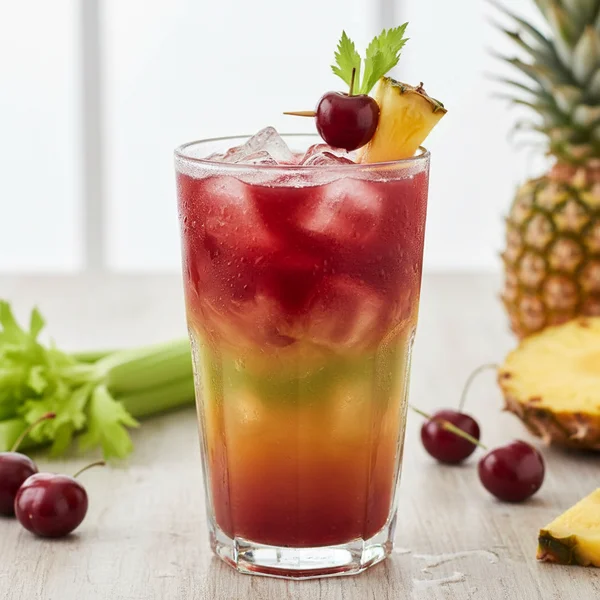
The most effective juice for gout is tart cherry juice, which contains anthocyanins that help lower uric acid levels and reduce inflammation. Other beneficial options include celery juice, which acts as a natural alkalizer, and pineapple juice, which contains the anti-inflammatory enzyme bromelain. To maximize benefits, choose 100% pure, unsweetened juices and stay well-hydrated to help your kidneys flush out excess purines.
Understanding Which Juices Best Manage Gout Symptoms
Gout is a complex form of arthritis characterized by sudden, severe attacks of pain, swelling, and redness in the joints. It is caused by the accumulation of urate crystals, which form when you have high levels of uric acid in your blood. While diet plays a critical role in managing this condition, liquid intake—specifically the right kind of juice—can be a powerful tool in your management arsenal. The goal of consuming specific juices is twofold: to lower the production of uric acid and to encourage the kidneys to eliminate it more efficiently.
Tart cherry juice stands at the forefront of natural gout remedies. Scientific studies have consistently shown that cherries possess potent antioxidant and anti-inflammatory properties. The dark pigments in cherries, known as anthocyanins, are the primary compounds responsible for these effects. Consuming tart cherry juice can significantly lower the concentration of uric acid in the plasma, which helps prevent the crystallization process that leads to painful “flares.” For many, a daily glass of this refreshing beverage serves as a proactive measure against future attacks.
Beyond cherries, celery juice has gained popularity as a hydrating and alkalizing drink. Celery contains compounds like luteolin and 3-n-butylphthalide (3nB) that may help reduce inflammation and lower uric acid production. Because celery is mostly water, it also aids in flushing the renal system. Similarly, pineapple juice is highly regarded due to bromelain, a mixture of enzymes that help digest protein and reduce swelling in the joints. When these juices are prepared fresh, they provide a bioactive punch that store-bought, pasteurized versions often lack.
Vitamin C-rich juices, such as lemon or lime juice diluted in water, are also highly recommended. Vitamin C is known to have a uricosuric effect, meaning it helps the kidneys excrete uric acid. Incorporating these into your daily routine—perhaps as a chilled morning tonic—can create an internal environment that is less hospitable to crystal formation. The key is to ensure these juices are free from added sugars, as high fructose levels can actually trigger gout flares rather than prevent them.
How to Prepare a Gout-Friendly Juice Blend
Creating your own gout-relief beverages at home ensures that you are getting the highest concentration of nutrients without the hidden sugars found in commercial products. Using a high-speed blender is often better than a traditional juicer because it allows you to retain some of the fiber, which slows down the absorption of natural sugars. Follow these steps to create a potent, inflammation-fighting drink.
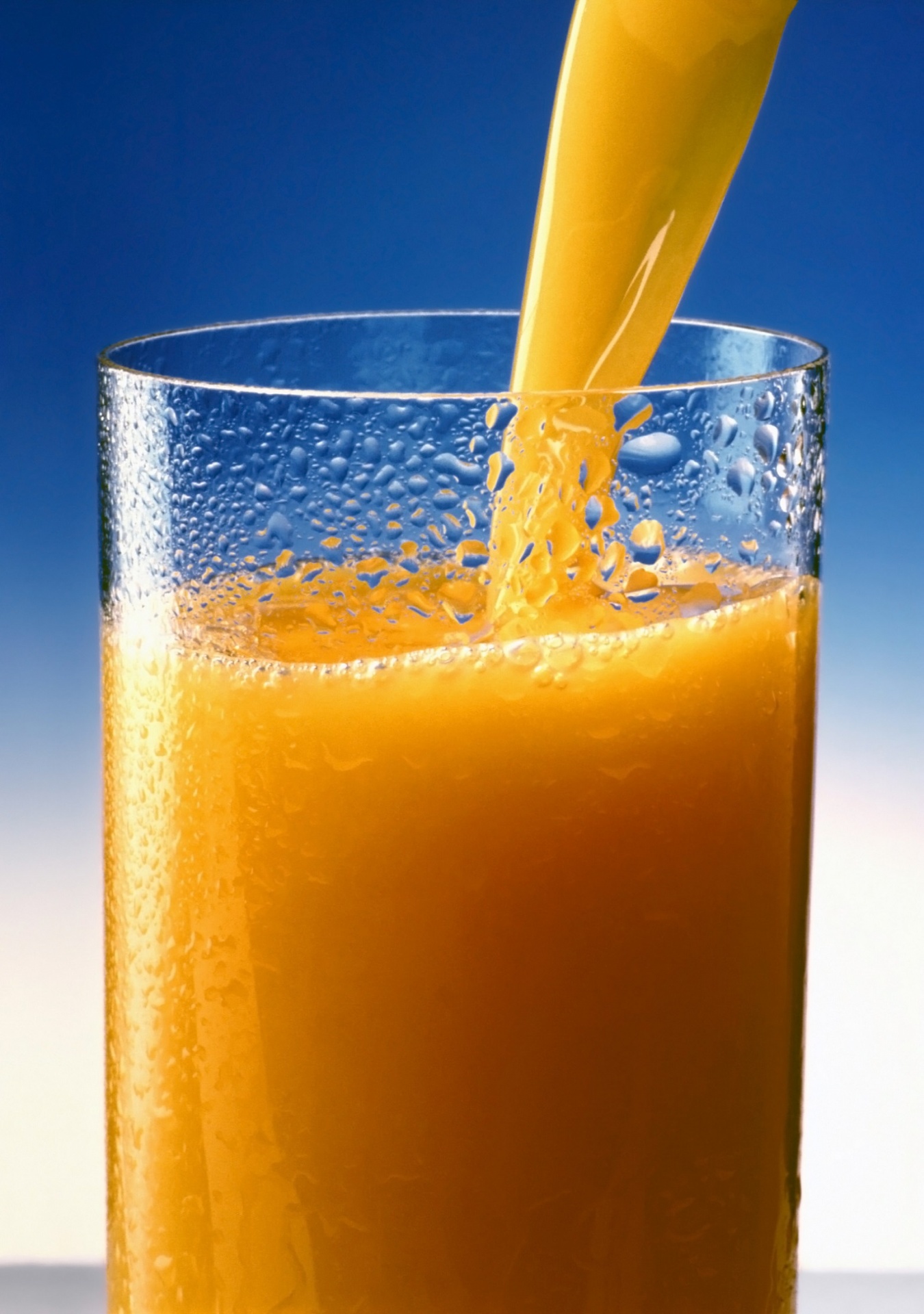
- Gather Your Ingredients: Start with a base of 1 cup of frozen tart cherries. Using frozen fruit is excellent because it gives the drink a thick, smoothie-like consistency without requiring extra liquid. Add half a cup of fresh pineapple chunks and two stalks of organic celery.
- Add Hydration: Pour in one cup of filtered water or coconut water. Coconut water is particularly hydrating and provides essential electrolytes that support kidney function. Avoid using sweetened nut milks or processed fruit “cocktails” as your liquid base.
- Incorporate Citric Acid: Squeeze the juice of half a fresh lemon into the blender. This adds a burst of Vitamin C and a bright, zesty flavor that balances the sweetness of the fruit.
- Blend Until Smooth: Pulse the mixture on high until all ingredients are fully liquified. If the mixture feels too thick, you can add a handful of ice cubes and blend again to create a frozen slushy texture that is incredibly soothing during a hot day or a painful flare-up.
- Strain if Necessary: If you prefer a thinner consistency, you can pour the mixture through a fine-mesh strainer or a nut milk bag to remove the pulp. However, keeping the pulp provides fiber that is beneficial for overall metabolic health.
- Garnish and Serve: Pour the juice into a tall glass. For an extra touch of sophistication and flavor, add a garnish of fresh mint leaves or a thin slice of cucumber. Serve the drink chilled immediately to ensure you receive the maximum antioxidant benefit.
For those who find the taste of pure tart cherry or celery juice too intense, blending them together with a small amount of green apple can make the drink more palatable. The malic acid in apples is also thought to help neutralize uric acid. Experimenting with different ratios will help you find a recipe that you enjoy drinking daily, which is essential for long-term gout management.
Essential Considerations for Gout-Friendly Beverages
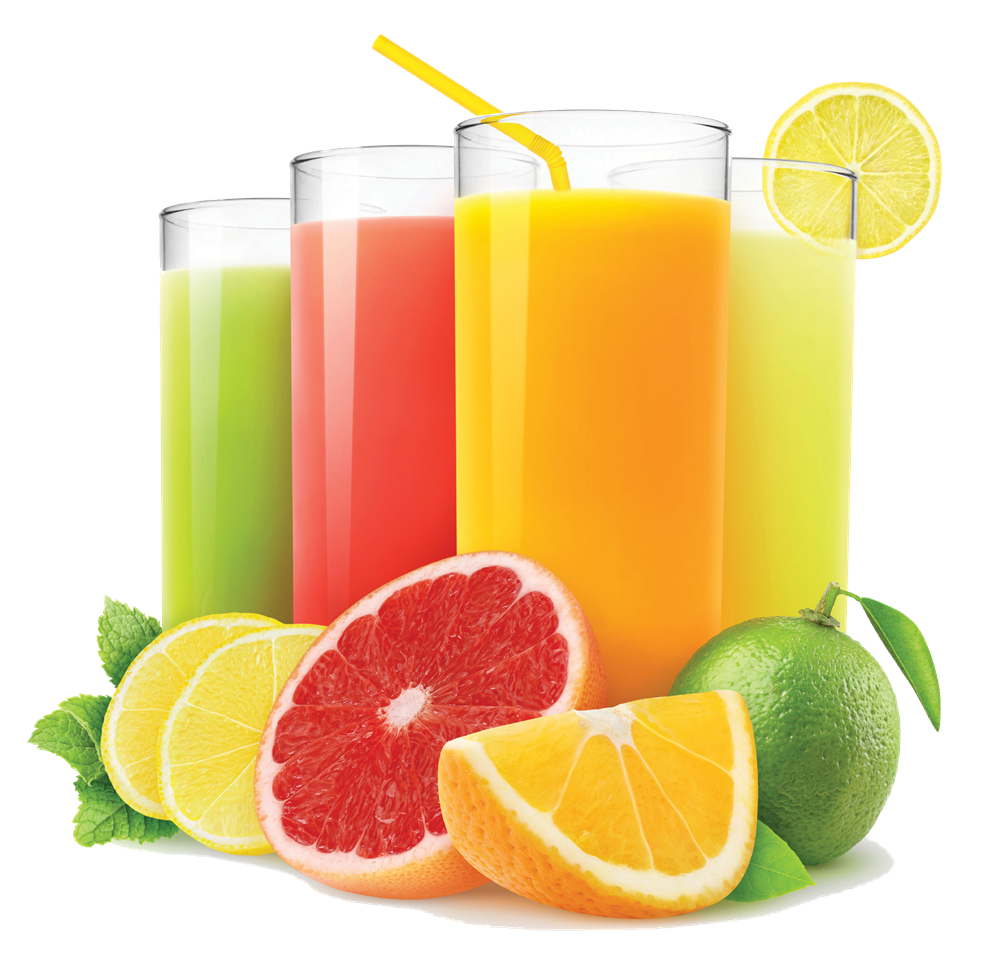
While juice can be a wonderful supplement to a gout diet, there are several critical factors to keep in mind. The most important is the sugar content. Fructose, the sugar naturally found in fruits, is the only carbohydrate known to increase uric acid levels. When you consume fruit in juice form, you are taking in more fructose at a faster rate than you would by eating whole fruit. Therefore, it is vital to focus on low-fructose fruits and vegetables and to limit your total daily intake of even the healthiest juices.
Another common mistake is choosing “juice drinks” or “concentrates” that contain high fructose corn syrup (HFCS). HFCS is a major trigger for gout and should be avoided entirely. Always read labels carefully; if the ingredient list includes anything other than 100% fruit juice, it is best to leave it on the shelf. Pure, organic, and cold-pressed options are the gold standard when you aren’t making the juice yourself at home.
Consistency is also key. Drinking a single glass of cherry juice during an active flare-up may provide some relief, but the real power of these beverages lies in prevention. Maintaining a steady, hydrating routine helps keep uric acid levels stable throughout the day. However, do not use juice as a replacement for water. Pure water remains the most important liquid for flushing the kidneys. Think of these juices as “medical boosters” rather than your primary source of hydration.
Finally, always consult with your healthcare provider or a registered dietitian before making significant changes to your diet, especially if you are taking medications like allopurinol or colchicine. Some juices can interact with medications or may not be suitable for individuals with underlying conditions like diabetes or kidney disease due to their natural sugar and potassium content.
- Drink your juice early in the day to give your kidneys plenty of time to process the nutrients and flush out uric acid before bed.
- Use a blender to include the skin of the cherries whenever possible, as this is where a high concentration of antioxidants is stored.
- If the juice is too sweet, dilute it with sparkling water for a refreshing, low-calorie spritzer.
- Always serve your therapeutic juices chilled; heat can degrade some of the sensitive enzymes like bromelain in pineapple juice.
- Add a pinch of ginger to your blender; ginger is a powerful anti-inflammatory that complements the flavor of cherry and lemon perfectly.
Conclusion
Managing gout requires a multi-faceted approach, and incorporating the right juices is a delicious and effective strategy. Tart cherry, celery, and pineapple juices offer science-backed benefits that can help reduce the frequency and severity of gout attacks. By using a blender to create your own refreshing, hydrating blends at home, you avoid the pitfalls of processed sugars while maximizing nutrient density. Remember to serve your drinks chilled, use frozen ingredients for texture, and always prioritize 100% pure juice to keep your uric acid levels in check and your joints pain-free.
❓ Frequently Asked Questions
1
How long does fresh cherry juice last in the fridge?
Freshly made cherry juice is best consumed immediately for maximum nutrient density. However, if you store it in an airtight glass jar, it can last for up to 48 hours in the refrigerator. Shake well before drinking, as natural separation may occur over time while the juice is sitting.
2
Can I make gout-friendly juice ahead of time?
Yes, you can prep your ingredients or blend a batch a day in advance. While fresh is always best, storing it in a sealed container helps preserve the vitamin C and enzymes. Just give it a quick stir or a shake before serving to ensure the flavor remains consistent.
3
What can I substitute for tart cherries?
If tart cherries are unavailable, black cherries or blueberries are excellent substitutes as they also contain anthocyanins. Celery or cucumber can be used for a more savory, hydrating base. These alternatives still provide significant antioxidant properties that help manage uric acid levels effectively during a painful gout flare-up.
4
How do I know when the juice is done?
When using a high-speed blender, the juice is done once the mixture is completely smooth and no large chunks of fruit or vegetable remain. If you prefer a thinner consistency, you can pour the liquid through a fine-mesh strainer or nut milk bag to remove any excess pulp.
5
Can I freeze gout-friendly juice?
You can certainly freeze your juice into ice cube trays to use later in smoothies or as refreshing flavored ice for water. Frozen juice cubes will stay fresh for up to three months. This is a convenient way to always have a quick, anti-inflammatory boost ready to go.