How to Juice Wheatgrass: Easy & Healthy Guide
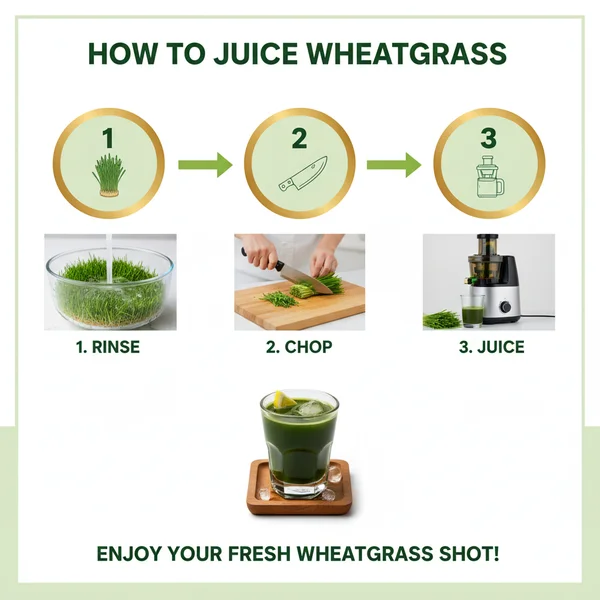
To juice wheatgrass effectively, use a masticating juicer for maximum yield or a high-speed blender paired with a fine strainer. Simply harvest the grass when it reaches 6–8 inches in height, rinse it thoroughly, and process it until liquid. For a refreshing and hydrating experience, serve the juice immediately over ice or blend it with a small amount of water. This nutrient-dense beverage is best consumed chilled to preserve its delicate enzymes and vibrant flavor profile.
Understanding the Mechanics of Wheatgrass Juicing
Juicing wheatgrass is fundamentally different from juicing firm vegetables like carrots or watery fruits like apples. Because wheatgrass consists of tough, fibrous stalks, the goal is to rupture the cell walls to extract the “liquid gold” inside—a deep green juice packed with chlorophyll, amino acids, and essential vitamins. The two primary schools of thought involve the use of a specialized masticating juicer or a standard kitchen blender.
Masticating juicers, often referred to as cold-press juicers, are the gold standard for this task. These machines use a slow-turning auger to crush and squeeze the blades of grass against a stainless steel mesh screen. This slow process minimizes heat friction, which is crucial because the enzymes in wheatgrass are highly sensitive to temperature changes. By keeping the process cool, you ensure the juice remains biologically active and nutritionally potent.
For those who do not own a specialized juicer, a high-speed blender is a versatile alternative. While a blender doesn’t “juice” in the traditional sense, it pulverizes the grass into a pulp when combined with a small amount of water. This mixture must then be strained through a nut milk bag or cheesecloth to separate the liquid from the indigestible fiber. While this method introduces slightly more oxygen and heat than a cold-press juicer, it remains a highly effective way to create a refreshing and hydrating drink at home. The resulting juice is a potent shot of wellness that can be served as a standalone tonic or as a base for more complex beverage recipes.
Why Fresh Extraction Matters
The nutritional profile of wheatgrass begins to degrade almost immediately after the blades are cut and the juice is extracted. Oxygen exposure leads to oxidation, which turns the bright emerald liquid into a dull brownish hue and alters the taste. This is why most enthusiasts prefer to juice in small batches for immediate consumption. When you juice at home, you have total control over the freshness and purity of the beverage, ensuring that no preservatives or heat-pasteurization methods interfere with the natural benefits.
A Step-by-Step Guide to Perfect Wheatgrass Juice
Whether you are using a dedicated juicing machine or a standard blender, the preparation process is vital for ensuring a clean, vibrant taste. Follow these steps to achieve a professional-quality result in your own kitchen.
Step 1: Harvest and Preparation
Harvest your wheatgrass when it is between six and eight inches tall. This is the “jointing stage” where the nutrient density is at its peak. Use sharp kitchen shears to cut the grass about half an inch above the soil or mat. Once harvested, rinse the blades thoroughly in cool, filtered water to remove any dust or potential mold spores that can occasionally develop near the root system. Pat the grass dry or use a salad spinner to remove excess moisture.
Step 2: The Extraction Process
Using a Masticating Juicer:
Feed small bunches of the grass into the juicer’s chute. Avoid overloading the machine, as the long fibers of the wheatgrass can wrap around the auger. Use the plunger to gently guide the grass down. You will notice a very dry pulp exiting one end and a concentrated green liquid exiting the other.
Using a High-Speed Blender:
Place about two cups of chopped wheatgrass into the blender canister. Add half a cup of chilled, filtered water to help the blades catch the grass. Pulse the blender a few times to break down the long fibers, then blend on high for approximately 30 to 60 seconds until the mixture looks like a thick green smoothie.
Step 3: Straining (Blender Method Only)
If you used a blender, place a nut milk bag or a fine-mesh sieve lined with cheesecloth over a bowl. Pour the green mixture into the bag. Use your hands to squeeze the bag firmly, extracting as much liquid as possible. Discard the dry pulp, or compost it, as the human digestive system cannot process these tough cellulose fibers.
Step 4: Chilling and Serving
Wheatgrass juice has a very intense, sweet-yet-grassy flavor that many find more palatable when served chilled. Pour your freshly squeezed juice into a glass. For a more refreshing experience, you can add a few cubes of ice. If the flavor is too intense, dilute it with a bit of coconut water for extra hydration or a splash of fresh apple juice.
Step 5: Adding a Finishing Touch
To make your beverage feel like a true spa-quality treat, consider a garnish. A thin slice of lemon or a sprig of mint not only makes the drink look appealing but also adds a bright aromatic quality that cuts through the earthy scent of the grass.
Important Considerations for Beginners
Juicing wheatgrass is a rewarding practice, but there are several best practices to keep in mind to ensure your experience is positive and your juice is of the highest quality.
Managing Flavor Intensity
The flavor of pure wheatgrass is incredibly concentrated. For many, the first “shot” can be a bit overwhelming. It is common to experience a slight “throat tickle” or a sense of nausea if consumed on an empty stomach in large quantities. Start with a small amount—about one ounce (30ml) per day—and gradually increase your intake as your body adjusts. If the taste is a barrier, blending it into a larger hydrating smoothie with pineapple or ginger can mask the grassiness while still providing all the nutritional benefits.
Storage and the Frozen Option
While fresh is always best, life often gets in the way of daily juicing. If you have a large harvest, you can juice the wheatgrass in bulk and immediately pour the liquid into ice cube trays. Once frozen, these “wheatgrass cubes” can be stored in a sealed bag. This frozen format is perfect for dropping into a blender for a morning smoothie, providing a chilled, nutrient-boosted addition to your daily routine without the need for daily cleanup of the juicer.
Cleanliness and Equipment Maintenance
Wheatgrass is grown in moist environments, which can sometimes lead to the growth of mold at the base of the blades. Always inspect your grass before juicing. If you see any white or black fuzz near the soil, discard that section. Furthermore, clean your juicer or blender immediately after use. The pigments in wheatgrass are incredibly strong and can stain plastic components if left to sit, and the fibrous pulp can harden, making it difficult to remove later.
- Temperature Control: Always use chilled water if you are using the blender method. This helps counteract the heat generated by the high-speed blades, protecting the enzymes.
- The Citrus Secret: Squeezing a bit of fresh lemon juice into your wheatgrass shot not only improves the flavor but the vitamin C also helps your body absorb the non-heme iron found in the grass.
- Hydration Balance: Wheatgrass is a powerful detoxifier. Ensure you stay well-hydrated throughout the day by drinking plenty of plain water alongside your wheatgrass routine.
- Double Juicing: If using a manual juicer, you can sometimes run the pulp through a second time to extract every last drop of moisture.
Conclusion
Learning how to juice wheatgrass at home is an excellent way to take control of your nutritional intake. Whether you opt for the surgical precision of a masticating juicer or the convenient power of a kitchen blender, the result is a vibrant, hydrating, and refreshing tonic that rivals any store-bought supplement. By serving it chilled over ice and incorporating it into a balanced routine, you can enjoy the full spectrum of its benefits. Remember to start slow, prioritize cleanliness, and enjoy the process of crafting this potent green elixir from scratch.
❓ Frequently Asked Questions
1
How long does wheatgrass juice last in the fridge?
Wheatgrass juice is most potent when consumed immediately after extraction. If you must store it, place the liquid in an airtight glass container in the refrigerator for no more than 24 hours. The live enzymes and nutrients begin to degrade quickly, so fresh is always the superior choice.

2
Can I make wheatgrass juice ahead of time?
While you can make it ahead, it is not recommended due to rapid oxidation which reduces health benefits. If you need to prepare it in advance, freezing the juice into ice cube trays is the best method to preserve the nutrient profile for later use in smoothies or beverages.
3
What can I substitute for a masticating juicer?
If you don’t have a specialized juicer, a high-speed blender is an excellent substitute. Simply blend the wheatgrass with a small amount of water and then strain the mixture through a fine-mesh nut milk bag or cheesecloth to remove the fibrous pulp before serving your refreshing green drink.
4
How do I know when wheatgrass juice is done?
The process is complete when you have extracted a vibrant, dark green liquid from the blades. If using a blender, ensure the grass is fully pulverized into a bright green slurry before straining. The final shot should be smooth, liquid, and completely free of any large, fibrous grassy pieces.
5
Can I freeze wheatgrass shots?
Yes, you can freeze wheatgrass shots to significantly extend their shelf life. Pour the freshly squeezed juice into silicone ice cube trays and freeze immediately. These cubes can be stored for up to six months and easily popped into water or smoothies for a quick, hydrating nutritional boost.