Joe’s Mean Green Juice Recipe: Healthy & Energizing
Stepping into the world of juicing can feel like a revelation, especially when you discover a classic that balances flavor and nutrition as perfectly as joes mean green juice recipe. This vibrant, emerald-hued elixir is more than just a drink; it is a concentrated burst of vitality that has inspired thousands of people to embrace a healthier lifestyle. Whether you are looking for a morning pick-me-up or a post-workout recovery aid, this juice delivers an incredible punch of vitamins and minerals. The crispness of the apples, the zing of the ginger, and the earthy depth of the kale create a refreshing profile that makes drinking your vegetables a truly enjoyable experience. You will love how this drink leaves you feeling light, energized, and deeply hydrating from the inside out.
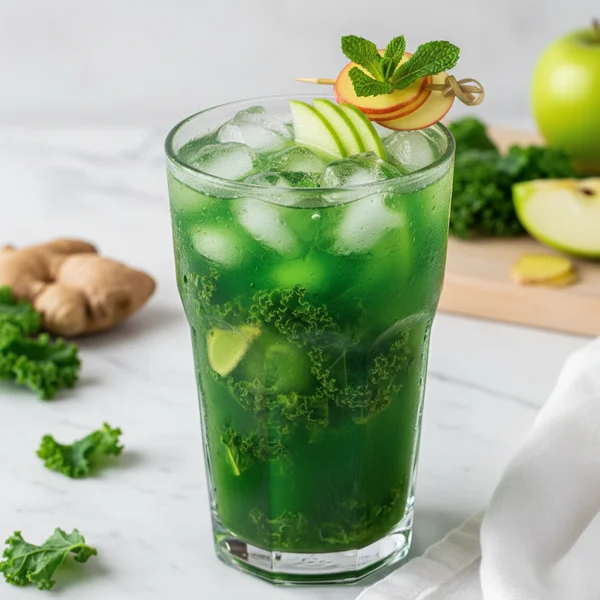
- ⏱️ Prep Time: 10 minutes
- 🍳 Cook Time: 0 minutes
- 👥 Servings: 2 servings
- 📊 Difficulty: Easy
Ingredients for the Ultimate Mean Green Juice
To achieve the perfect balance of sweetness and detoxifying power, quality produce is essential. This recipe relies on water-dense vegetables and tart fruits to create a smooth, drinkable consistency. Here is exactly what you will need for two generous servings:
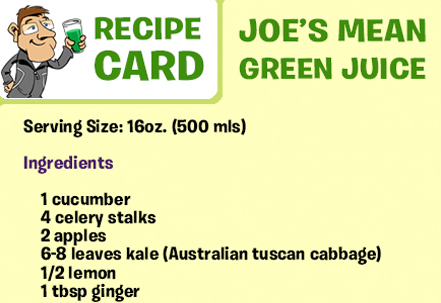
- 🥬 Kale: 4 to 6 large leaves (Lacinato or Curly kale both work beautifully).
- 🥒 Cucumber: 1 large English cucumber (these are less bitter and have thinner skin).
- 🎋 Celery: 4 tall stalks, including the nutrient-rich leaves.
- 🍏 Apples: 2 medium Granny Smith apples for a tart, low-sugar sweetness.
- 🍋 Lemon: 1/2 a lemon, peeled (keep the white pith for extra bioflavonoids).
- 🫚 Ginger: 1-inch piece of fresh ginger root, scrubbed clean.
Step-by-Step Instructions
Creating this joes mean green juice recipe is a straightforward process, but the order in which you process the ingredients can significantly impact the yield and quality of your juice. By following these detailed steps, you ensure that every drop of liquid sunshine is extracted efficiently, whether you are using a high-end centrifugal juicer or a standard kitchen blender.
Step 1: Wash and Prepare Your Produce
Start by thoroughly washing all your fruits and vegetables. Since you are juicing the skins and leaves, it is vital to remove any dirt, wax, or pesticide residue. Fill your sink or a large bowl with cold water and a splash of apple cider vinegar for a natural cleaning soak. After five minutes, scrub the cucumber and apples, and rinse the kale and celery under running water. Pat everything dry with a clean kitchen towel so you do not dilute the concentrated juice with excess tap water.
Step 2: Chopping for Efficiency
While modern juicers have wide chutes, your machine will last longer and work more effectively if you do a little prep work. Cut the cucumber and apples into long slices that fit easily into your machine’s feed tube. Leave the skin on the apples and cucumber, as that is where much of the fiber and nutrient density lives. For the ginger, there is no need to peel it unless it is particularly old and woody; just slice it into a small coin. Remove the peel from the lemon to avoid an overly bitter essential oil flavor from the zest, but leave as much of the white pith as possible.
Step 3: The Juicing Sequence
The secret to a high yield is the “sandwich method.” Start by feeding a few stalks of celery through the juicer. Next, take your kale leaves, roll them tightly into a cigar shape, and push them through followed immediately by a piece of cucumber. The high water content of the cucumber helps flush the leafy greens through the blades. Continue this by alternating the ginger and lemon with the remaining apple slices. Ending with the apples or cucumber ensures that all the potent ginger and kale juice is pushed out of the machine and into your glass.
Step 4: Using a Blender (The Alternative Method)
If you do not own a juicer, you can still enjoy this recipe by using a high-speed blender. Place all the chopped ingredients into the blender canister. Add 1/2 cup of filtered water or coconut water to help the blades catch. Pulse on low until the produce begins to break down, then ramp up to high speed for 60 seconds. Once you have a thick, green slurry, pour the mixture through a nut milk bag or a fine-mesh strainer into a bowl. Squeeze the bag firmly with your hands to extract all the refreshing liquid, leaving the dry pulp behind.
Step 5: Chilling and Serving
Fresh juice is best enjoyed immediately to prevent oxidation, but it tastes significantly better when served chilled. If your produce was at room temperature, stir in a few cubes of ice or pour the juice into a glass that has been sitting in the freezer. Give the juice a quick stir with a long spoon to incorporate the layers, as the lemon and ginger often settle at the bottom. This ensures a consistent flavor profile from the first sip to the last.
Step 6: The Finishing Garnish
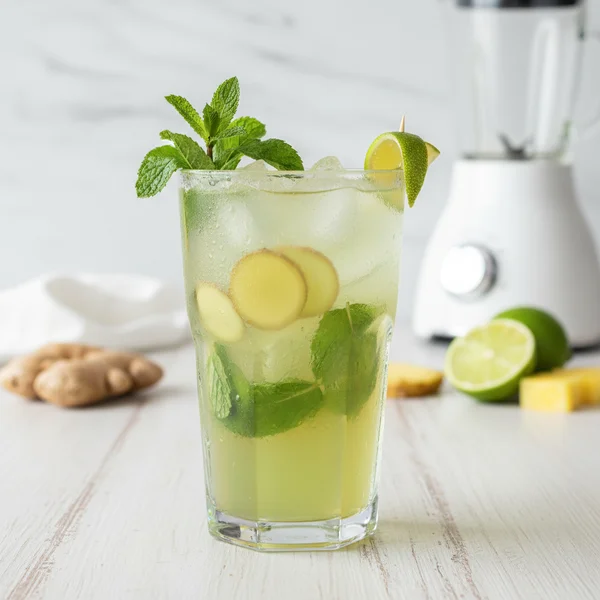
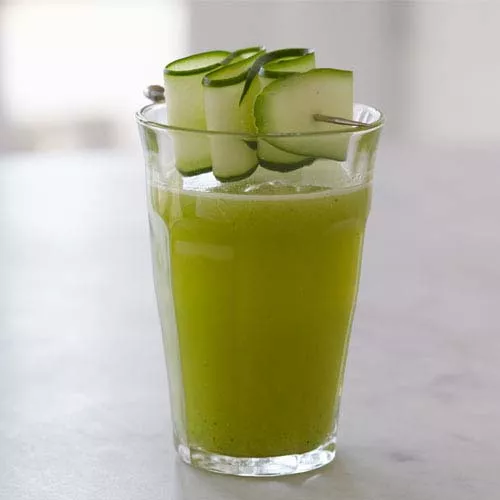
For a professional touch, add a garnish to your glass. A thin slice of cucumber or a small sprig of fresh mint can enhance the aromatic experience of the drink. Presentation matters, especially when you are nourishing your body. Serve your mean green juice in a chilled glass and drink it slowly to allow your body to absorb the nutrients efficiently.
To maximize your juice yield, always sandwich your leafy greens (kale) between harder, water-rich vegetables like cucumbers or apples. If you find the taste too “green” at first, add an extra half of a Granny Smith apple to increase the sweetness. For an even more hydrating boost, use an English cucumber instead of a standard garden cucumber, as they contain more juice and have a milder flavor profile that won’t overpower the delicate ginger notes.
Variations & Substitutions
The beauty of the joes mean green juice recipe lies in its versatility. If you find kale too bitter, you can easily substitute it with baby spinach or Swiss chard for a milder, more delicate flavor. Those who want to lower the sugar content even further can replace one of the apples with an extra cucumber or a few stalks of Romaine lettuce. For a tropical twist, try adding a small handful of frozen pineapple chunks into the blender version; this adds a creamy texture and a bright acidity. If you enjoy a bit of heat, double the amount of ginger or add a tiny pinch of cayenne pepper to jumpstart your metabolism. For a savory variation, omit the apples and add a squeeze of lime and a pinch of sea salt for a refreshing, hydrating garden tonic.
Storage & Make Ahead Instructions
Fresh juice is highly volatile and begins to lose its nutritional potency as soon as it is exposed to air and light. For the best results, drink your mean green juice within 20 minutes of extraction. However, if you need to prepare it in advance, store it in an airtight glass jar, filling it all the way to the brim to minimize the amount of oxygen trapped inside. Keep it chilled in the refrigerator for up to 24 hours. If you find yourself with extra juice, you can pour it into ice cube trays and keep them frozen. These green ice cubes are perfect for popping into a blender for a quick smoothie later in the week, ensuring that none of your hard work or fresh produce goes to waste.
Nutrition Information (Per Serving)
Calories: 145 kcal
Carbohydrates: 34g
Fiber: 8g (if using blender method)
Sugar: 18g
Protein: 4g
Vitamin A: 180% DV
Vitamin C: 120% DV
Iron: 10% DV
Embracing the joes mean green juice recipe is a fantastic step toward a more vibrant lifestyle. By incorporating this drink into your weekly routine, you are providing your body with a massive dose of phytonutrients in an easily digestible form. Remember that the best juice is the one you actually enjoy drinking, so feel free to tweak the ratios until you find your perfect “green” balance. Whether you use a juicer or a blender, the result is a glass full of life-affirming energy that tastes just as good as it makes you feel. Cheers to your health!
❓ Frequently Asked Questions
1
How long does Mean Green Juice last in the fridge?
For maximum nutrient density, it is best consumed immediately. However, you can store it in an airtight glass container in the refrigerator for up to 24 hours. Adding a bit of extra lemon juice helps preserve the vibrant color and prevents rapid oxidation while it sits in storage.
2
Can I make Mean Green Juice ahead of time?
While fresh is best, you can prep the ingredients the night before by washing and chopping them. If you must juice in advance, keep it in a tightly sealed mason jar with minimal headspace to reduce air exposure, ensuring the juice stays refreshing and hydrating for your morning.
3
What can I substitute for kale?
If kale is too bitter for your palate, spinach is an excellent, milder substitute. Swiss chard or romaine lettuce also work well as hydrating bases. These alternatives provide similar nutritional benefits while maintaining the signature vibrant green color and refreshing taste of the original Mean Green juice recipe.
4
How do I know when the juice is done?
The process is complete once all solid produce has passed through the juicer and only dry pulp remains in the waste container. If using a blender, blend until the mixture is completely smooth and liquid, then strain through a fine-mesh sieve or cheesecloth for a clean, pulp-free finish.
5
Can I freeze Mean Green Juice?
Yes, you can freeze the juice in silicone ice cube trays for later use. Once frozen, transfer the cubes to a freezer bag. These cubes are perfect for popping into a blender to make a quick chilled smoothie or to keep your fresh juice cold without diluting the flavor.