Green Drink Aesthetic: Styling the Perfect Wellness Vibe
Mastering the green drink aesthetic requires a blend of minimalist styling, high-quality glassware, and vibrant natural ingredients like matcha or kale. This visual trend transcends simple nutrition, serving as a key symbol of the That Girl lifestyle and modern wellness branding.
🎯 Key Takeaways
- Use fluted or ribbed glassware to add texture and catch natural morning light.
- Incorporate sage, emerald, and forest green shades using matcha, spinach, or spirulina.
- Style with minimalist props like marble coasters, silk journals, or fresh flowers.
- Prioritize soft, indirect sunlight to capture the true vibrancy of green hues.
- Balance drink color by layering textures like foam or floating garnishes.
The green drink aesthetic is the ultimate visual shorthand for an intentional, high-vibe lifestyle. To recreate this look for your social media, you must master the intersection of vibrant organic hues and clinical minimalism. It is the visual hallmark of the wellness movement, signaling a morning routine that is both disciplined and effortlessly beautiful. By focusing on the interplay between liquid color and light, you transform a basic beverage into a high-end lifestyle statement.
Mastering this aesthetic matters because it creates a cohesive digital presence that feels both aspirational and attainable. A well-styled green juice is more than just a drink; it is a prop that communicates your commitment to self-care and aesthetic precision. Whether you are aiming for a moody forest green or a bright, airy mint, the visual components of your setup determine whether your content feels like a generic health post or a curated work of art.
The Visual Language of the Clean Girl Wellness Aesthetic
The “Clean Girl” wellness aesthetic relies on a “less is more” philosophy that prioritizes quality over quantity. To achieve this, your frame must feel airy, intentional, and expensive. This is accomplished through a specific color palette that pairs the natural, raw vibrancy of the drink with neutral, earthy backdrops. The goal is to make the green liquid the focal point while ensuring the surrounding environment feels calm and uncluttered.

Mastering the Balance of Organic and Clinical
The core of this aesthetic is the contrast between the “organic” (the juice) and the “clinical” (the sharp lines and clean surfaces). Use textures that ground the image without distracting from the color of the drink. When you frame your shot, aim for a composition that leaves plenty of “white space” or negative space around the glass. This suggests a sense of peace and luxury often found in high-end spa environments.
- Marble Surfaces: Adds a cold, luxury feel that makes the green pop with a high-end, “clean” edge.
- Linen Textiles: A wrinkled linen napkin in oatmeal or white suggests a relaxed, slow morning-at-home vibe.
- Matte Ceramics: Using a stone or matte ceramic coaster provides a modern, tactile quality that balances the shine of the glass.
- Hard Light vs. Soft Light: Direct sunlight creates “hard” shadows for a high-fashion, high-contrast look, while indirect morning light provides a “soft” glow for a cozy, approachable feel.
Color Theory: Sage, Emerald, and Mint Shades
Not all greens are created equal in the world of aesthetics. You should choose your backdrop based on the specific “mood” of your green drink. A pale, creamy sage green smoothie looks best against darker, warmer wood tones. Conversely, a translucent, vibrant emerald juice shines brightest when placed against stark white or cool grey marble. Understanding how light passes through different densities of liquid will help you choose the right setting for your specific recipe.
Essential Glassware and Minimalist Props for High-End Styling
The vessel you choose dictates the entire mood of your image. A standard pint glass or a plastic shaker bottle will immediately devalue the aesthetic you are trying to build. You need glassware that reflects light, shows off the clarity of the liquid, and adds architectural interest to the frame. The right glass acts as a frame for the juice, elevating it from a kitchen staple to a design object.
The Geometry of Luxury Glassware
Focus on glassware that offers texture and unique silhouettes. Ribbed or fluted glass is currently the gold standard for the wellness aesthetic because it adds vertical lines and catches the light in a way that creates a “shimmer” effect. Thin-walled borosilicate glass is also highly recommended; its extreme clarity ensures the color of your juice remains true to life and looks incredibly refreshing.
- Fluted Highball Glasses: These create a sophisticated, elongated look that feels very professional and “editorial.”
- Short Ribbed Tumblers: Perfect for thicker, forest-green smoothies or “wellness shots” that need to look substantial yet refined.
- Stemmed Wine or Coupe Glasses: Using a stemmed glass for green juice gives your wellness routine an elevated, “celebratory” energy that mimics a cocktail aesthetic.
- Double-Walled Glass: This creates a “floating” effect for the liquid, which looks futuristic and exceptionally clean in photos.
Styling the Scene: Beyond the Glass
To make the image feel lived-in and authentic, you need to incorporate minimalist props that tell a story. The props should never compete with the drink for attention. Instead, they should support the narrative of a productive, healthy morning. Think about what else exists in your “wellness world” and place those items strategically in the blurred background or just on the edge of the frame.
Start with functional items like straws. Stainless steel, glass, or bamboo straws are essential; they signal sustainability and add a sleek, polished finish to the drink. Avoid plastic at all costs, as it breaks the “high-end” illusion. Next, consider “lifestyle” anchors. A single, open journal, a pair of minimalist gold hoop earrings on a tray, or a high-quality skincare bottle can provide context to the drink. These elements suggest that the green juice is just one part of a larger, curated lifestyle.
Garnishing for Texture and Height
Garnishing is where most people overdo it. In the high-end aesthetic, a “fruit salad” on the rim of the glass is a mistake. You want garnishes that add height and texture without looking cluttered. A single, long sprig of mint or a thin, vertical slice of cucumber curled against the inside of the glass adds professional-level styling with minimal effort. The key is to keep the garnish monochrome or within the same green family to maintain a sleek, monochromatic look.
Color Theory in Green Juices: Achieving Sage vs. Emerald Tones
The visual impact of your green drink depends heavily on color theory. Just as a painter selects a specific palette to evoke a mood, your ingredient choices determine whether your drink looks like a calming “clean girl” accessory or a high-intensity “superfood” elixir. Understanding how different greens interact with liquids and light is the secret to a professional-looking aesthetic.
The Sophisticated Sage Palette
Muted, creamy greens—often referred to as sage or pistachio—are currently dominating the wellness space. These tones feel soft, approachable, and luxurious. Achieving this look requires moving away from water-based juices and toward creamy bases that provide opacity. These tones work beautifully in minimalist settings with neutral backgrounds.
- The Base: Use almond milk, coconut milk, or a spoonful of Greek yogurt to “whiten” the green and create a pastel finish.
- The Green Source: Ceremonial grade matcha or a light touch of spirulina powder provides that signature dusty green.
- Styling Tip: Pair sage-toned drinks with matte ceramics or frosted glassware to enhance the “soft” visual texture.
Vibrant Emerald and Deep Forest Hues
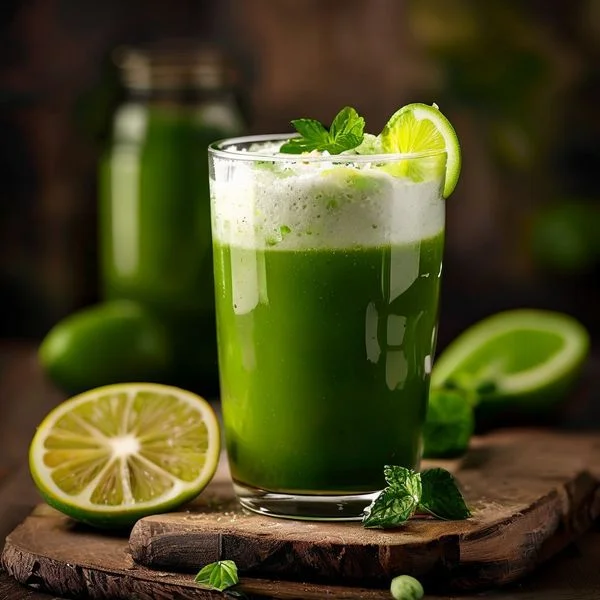
If you want your content to scream “vitality” and “energy,” aim for deep, jewel-toned greens. These colors look best in clear, thin-walled glassware where the light can pass through the liquid, highlighting the clarity of the juice. These tones are bold and act as a natural focal point against a bright white or marble background.
- The Green Source: Use chlorophyll drops, fresh kale, or wheatgrass shots for maximum saturation.
- Maintaining Vibrancy: Add a squeeze of lemon or lime early on; the acidity helps prevent the chlorophyll from oxidizing and turning a muddy brown.
- Lighting: Use backlit positioning (light coming from behind the glass) to make the liquid glow with an inner emerald light.
Integrating Beverage Content into a Cohesive Lifestyle Brand
A green drink shouldn’t feel like a random addition to your feed; it should feel like a natural extension of your daily life. To build a cohesive brand, your beverage content needs to reflect the same values, colors, and textures as your fashion or home decor posts. It is about selling a lifestyle, not just a recipe.
Matching Your Juice to Your Feed’s Color Story
Consistency is the backbone of any strong aesthetic. If your brand features warm, earthy tones, a bright neon green juice might feel jarring. Conversely, if your brand is high-contrast and modern, a muted matcha might get lost. The key is to adapt the styling of the drink to match your existing visual language.
- Prop Coordination: Use straws, linens, and coasters that echo the colors in your wardrobe or home. For example, a gold metal straw adds a touch of “glam” wellness.
- Background Consistency: Shoot your green drinks in the same locations you take your other lifestyle photos—at your desk, on your nightstand, or on your kitchen counter.
- The “Human Element”: Include your hand in the frame with a curated manicure or a stack of rings to bridge the gap between “food photography” and “lifestyle content.”
Storytelling Through “In-the-Moment” Captures
Static shots are great, but the wellness aesthetic thrives on the feeling of a “life well-lived.” Integrating your green drink into a narrative makes it more relatable and aspirational for your audience. It transforms the juice from a mere object into a symbol of self-care and productivity.
- The Morning Workflow: Position your green juice next to an open planner, a pair of blue-light glasses, or a laptop to signal a focused start to the day.
- The Post-Workout Glow: Capture the drink alongside a rolled-up yoga mat or a pair of aesthetic sneakers to emphasize the “refuel” aspect of your routine.
- Movement and Life: Show the condensation on the glass or a slight swirl in the liquid to make the photo feel fresh and immediate rather than overly staged.
Final Thoughts: Elevating Your Everyday Ritual
Creating the perfect green drink aesthetic is more than just a social media trend; it is about romanticizing the habits that make you feel your best. By paying attention to color palettes, lighting, and how your beverage fits into your broader brand story, you turn a simple health habit into a visual art form. Remember, the most “aesthetic” drink is the one that actually makes you excited to nourish your body.
To get started, try choosing one signature glass that makes you feel elevated every time you use it. Focus on mastering one specific “tone” of green that matches your home’s vibe, and start documenting the process. We would love to see your creations—tag us in your next wellness post and show us how you style your glow!
❓ Frequently Asked Questions
Why is the green drink aesthetic so popular on social media?
It aligns with the growth of wellness culture and ‘Clean Girl’ trends, where green hues visually represent health, freshness, and a disciplined lifestyle. These images perform well because they are aspirational yet visually calming.
How does lighting affect the color of a green smoothie?
Natural, indirect sunlight is essential for capturing the true green pigment. Harsh artificial or yellow lighting can make vibrant greens look muddy, unappetizing, or overly dark in photographs.
What are the best ingredients for a sage green aesthetic?
To achieve a soft sage green, mix matcha powder with creamy plant-based milks like oat or almond. Adding a small amount of banana or avocado can also provide that muted, matte finish.
Can I use props to enhance the wellness vibe of my photo?
Absolutely; including props like a silk journal, blue-light glasses, or a yoga mat helps tell a broader story of a mindful morning routine. Keep props minimal to ensure the drink remains the focal point.
What is the difference between a matte and a vibrant green look?
Vibrant forest greens are usually achieved with kale, spinach, or spirulina in water-based juices. Matte looks come from blending greens with fats or proteins like yogurt, coconut milk, or hemp seeds.
How does glassware shape impact the perception of the drink?
Taller, thinner glasses often convey a refreshing, ‘detox’ or hydration-focused message. Wider, shorter glasses or jars often suggest a more nourishing, meal-replacement smoothie vibe.