
Juice for Upset Stomach: Ultimate Soothing Guide
Dealing with an upset stomach can disrupt your entire day, making even the thought of solid food unappealing. When nausea strikes, or your digestion feels sluggish, turning to specific beverages can provide much-needed relief without taxing your digestive system. Finding the right juice for upset stomach issues is not just about choosing a tasty drink; it is about selecting specific ingredients that calm inflammation, balance acidity, and restore lost fluids. In this guide, you will learn about the science behind liquid nutrition, which ingredients are most effective for gut health, and how to prepare these drinks to maximize their soothing properties.
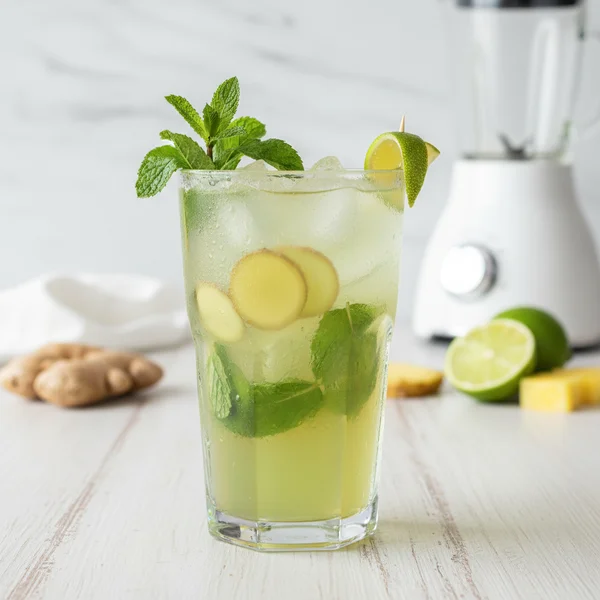
The most effective juices for an upset stomach focus on low-acidity, anti-inflammatory ingredients like ginger, mint, and apple, which provide hydration while being incredibly easy for the digestive tract to process.
The Science of Using Liquid Nutrition for Gastric Distress
When your gastrointestinal tract is inflamed or irritated, its ability to break down complex fibers and proteins is significantly compromised. This is why a heavy meal often exacerbates feelings of bloating or nausea. Utilizing a juice for upset stomach symptoms allows your body to bypass the intensive mechanical digestion required for solids. Liquid nutrition provides immediate access to vitamins, minerals, and enzymes that can help repair the gut lining and reduce systemic inflammation.
Furthermore, the act of juicing removes most of the insoluble fiber while retaining the soluble fiber and essential nutrients. While fiber is usually beneficial, an acutely upset stomach often requires a “low-residue” approach to rest the bowel. By consuming these nutrients in liquid form, you ensure that the stomach does not have to work overtime, allowing your energy to be redirected toward healing. This method is particularly effective for those dealing with viral gastroenteritis, motion sickness, or general indigestion.
Top Ingredients for a Soothing Gut-Healing Beverage
Not all fruits and vegetables are created equal when it comes to soothing a rebellious stomach. Some acidic fruits, like oranges or grapefruits, may actually worsen heartburn or irritation. To create a truly therapeutic drink, you must focus on ingredients known for their carminative and anti-inflammatory properties.
Ginger is perhaps the most famous remedy for nausea. It contains bioactive compounds called gingerols and shogaols, which help speed up gastric emptying and stimulate digestive enzymes. Apple is another excellent base; it contains pectin, a soluble fiber that can help firm up stools if diarrhea is the primary concern. Mint is widely recognized for its antispasmodic effects, helping to relax the muscles of the digestive tract and reduce cramping.
Below is a comparison of common ingredients and their specific benefits for the stomach:
| Ingredient | Primary Benefit | Best For |
|---|---|---|
| Ginger | Anti-emetic (anti-nausea) | Nausea, morning sickness |
| Peppermint | Antispasmodic | Bloating, gas, cramping |
| Apple | Pectin source | Diarrhea, mild irritation |
| Carrot | Alkalizing minerals | Acid reflux, sour stomach |
| Coconut Water | Electrolytes | Dehydration relief |
How to Prepare Your Juice: Blender vs. Juicer
The method you choose to prepare your juice can impact how your stomach reacts to it. If you use a high-speed blender, you are creating a “whole food” juice that still contains all the fiber of the ingredients. For some people, this added bulk might be too much during a flare-up. If using a blender, it is often wise to strain the mixture through a fine-mesh sieve or a nut milk bag to remove the pulp, creating a smooth, refreshing liquid that is easier on the gut.
Alternatively, a dedicated juicer will automatically separate the juice from the pulp. This results in a very thin, hydrating liquid that requires almost zero effort from the stomach to process. Regardless of the machine used, the addition of ice during the blending process or serving the drink chilled can help dull the taste buds if you are feeling particularly sensitive to smells or flavors. For those with severe nausea, small sips of a frozen juice slushie can be more tolerable than a full glass of liquid.
The Importance of Hydration and Electrolyte Balance
When you have an upset stomach, especially if it involves vomiting or diarrhea, the risk of dehydration becomes a significant concern. Pure water is essential, but it doesn’t always provide the electrolytes (sodium, potassium, magnesium) needed to maintain cellular function. A well-crafted juice for upset stomach recovery acts as a natural sports drink.
Coconut water is a fantastic base for these juices because it is naturally hydrating and contains a balance of electrolytes that mimic human plasma. By mixing coconut water with a small amount of ginger and apple juice, you create a powerful recovery tonic. Adding a garnish of fresh mint or a thin slice of cucumber can add a subtle aroma that further helps to settle the senses. Keeping the drink chilled ensures it goes down smoothly and helps lower the body temperature if a mild fever is present.
Step-by-Step Guide to the Ideal Stomach-Soothing Blend
To create a balanced juice that addresses multiple symptoms, follow this simple framework:
- Select your base: Choose a hydrating, low-acid liquid like coconut water, diluted apple juice, or even a cooled ginger tea.
- Add a “Settler”: Fresh ginger root is the gold standard. A one-inch piece is usually sufficient for a single serving.
- Incorporate a “Smoother”: Carrots or cucumbers provide nutrients without high acidity or intense sugars.
- Balance the flavor: A small squeeze of lemon can provide vitamin C and alkalize the stomach, but use it sparingly if you suffer from acid reflux.
- Adjust the texture: Blend the ingredients with ice for a frozen consistency, or serve over ice for a chilled, refreshing experience.
Once blended, pour the mixture into a tall glass. Adding a garnish like a sprig of mint or a slice of lime not only makes the drink look more appealing but provides aromatherapy benefits that can reduce the psychological impact of nausea.
Expert Tips for Consumption
Medical professionals and nutritionists often recommend a “sip and wait” approach when dealing with gastric distress. Rather than drinking a full eight-ounce glass of juice at once, which can stretch the stomach and trigger a gag reflex, aim for small, frequent sips. Taking two or three tablespoons every ten minutes allows the stomach to absorb the nutrients slowly without feeling overwhelmed.
It is also important to consider the temperature of the beverage. While a chilled drink is often more refreshing when you feel hot and nauseated, some individuals find that room-temperature liquids are less shocking to the system if they are experiencing severe cramping. If you prefer your juice cold, using a blender to incorporate ice can create a frozen treat that melts slowly in the mouth, providing gradual hydration.
- Peel your ginger before adding it to the blender to ensure the smoothest possible texture and avoid woody bits.
- If the juice is too sweet, dilute it with 50% water or sparkling mineral water to reduce the sugar load on your intestines.
- Prepare a large batch and pour it into ice cube trays; these frozen cubes can be sucked on throughout the day for steady relief.
Conclusion
Selecting the right juice for upset stomach relief is an effective and natural way to manage digestive discomfort. By focusing on anti-inflammatory ingredients like ginger, utilizing the hydrating power of coconut water, and using a blender to create a smooth, chilled beverage, you can provide your body with the tools it needs to recover. Remember to sip slowly, prioritize refreshing flavors, and listen to your body’s cues. With the right combination of nutrients and preparation, you can settle your stomach and return to your daily routine with ease.
❓ Frequently Asked Questions
1
How long does juice for upset stomach last in fridge?
Freshly made juice is best enjoyed immediately to ensure you get the most nutrients and the best taste. However, you can store it in an airtight glass container in the refrigerator for up to 24 hours. Be sure to stir it well before drinking, as natural separation is common.


2
Can I make juice for upset stomach ahead of time?
While you can prepare the ingredients ahead of time, it is best to blend the juice just before you plan to consume it. This ensures the drink remains refreshing and hydrating. Fresh juice begins to lose its vital enzymes and oxidizes quickly once exposed to the air after blending.
3
What can I substitute for ginger?
If ginger is too strong, you can substitute it with fresh peppermint leaves or a small amount of fennel. Both are excellent for calming the digestive tract. You can also use a bit of chamomile tea as the liquid base to provide additional soothing benefits for a sensitive stomach.
4
How do I know when juice for upset stomach is done?
When using a blender, your juice is ready once the mixture is completely smooth with no visible chunks of ginger or fruit. For a thinner, juice-like consistency, you should strain the mixture through a fine-mesh sieve or a nut milk bag to remove the excess fiber and pulp.
5
Can I freeze juice for upset stomach?
Yes, you can freeze this juice into ice cubes for a convenient way to settle your stomach later. Simply pop a few cubes into a glass of water or suck on them slowly. This is a great way to maintain hydration when you are feeling particularly nauseous or ill.