Best Juice for Gastritis: Soothing & Healthy
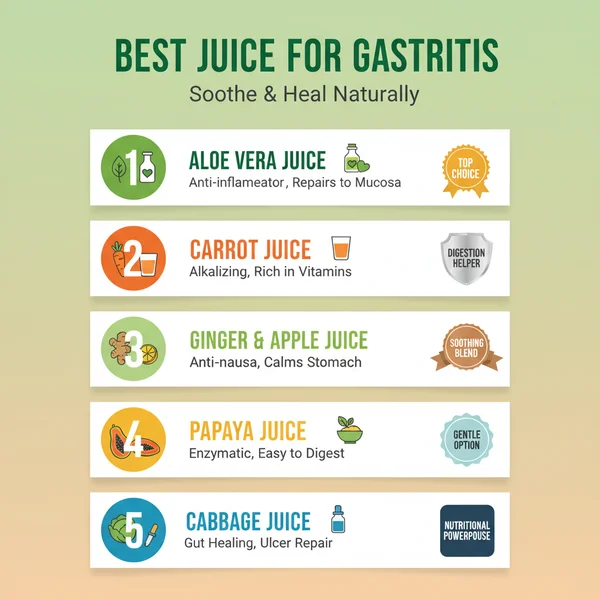
Dealing with the persistent burning sensation and discomfort of gastritis requires a careful approach to everything you consume. While many acidic beverages can trigger flare-ups and aggravate the stomach lining, selecting the best juice for gastritis can actually serve as a natural remedy to soothe inflammation and promote healing. This list focuses on low-acid, alkaline-rich, and nutrient-dense drinks that provide relief while keeping you hydrated. You will discover which ingredients contain the specific enzymes and vitamins needed to repair the gastric mucosa, helping you manage your symptoms effectively. From traditional root juices to modern green blends, these options are designed to calm your digestive system and offer a refreshing break from dietary irritation.
- Raw Potato Juice
- Fresh Cabbage Juice
- Carrot and Ginger Juice
- Aloe Vera Leaf Juice
- Papaya and Pear Blend
- Cucumber and Mint Infusion
- Spinach and Celery Green Juice
- Banana and Oat Smooth Juice
- Coconut Water with Watermelon
- Apple and Zucchini Juice
The Best Juices for Gastritis Relief
#1: Raw Potato Juice
Raw potato juice is widely considered the gold standard for immediate gastritis relief due to its highly alkaline nature. When consumed on an empty stomach, it works to neutralize excess stomach acid and creates a protective coating over the stomach lining. To prepare this, you should peel and grate a large potato, then squeeze the juice through a cheesecloth. While the taste is neutral, its healing properties are potent. It contains minerals that help reduce the “burning” sensation almost instantly. For those who find the texture difficult, you can briefly pulse it in a blender with a small amount of water to ensure a smooth consistency before straining it into a glass.
#2: Fresh Cabbage Juice
Cabbage juice is a powerhouse for digestive health, specifically due to its high concentration of Vitamin U (S-Methylmethionine). This specific compound is known for its ability to heal peptic ulcers and reduce inflammation in the gastric mucosa. For the best results, use a green cabbage and drink the juice immediately after extraction. If you find the flavor too intense, try serving it chilled to mellow the peppery notes. Cabbage juice helps regenerate the stomach lining by boosting the production of protective mucus. Many health experts recommend a small glass before meals to prepare the stomach for digestion and prevent the irritation often associated with gastritis flare-ups.
#3: Carrot and Ginger Juice
Carrot juice is naturally sweet and incredibly gentle on a sensitive stomach. It is rich in beta-carotene and antioxidants that support tissue repair. When paired with a small amount of ginger, it becomes an anti-inflammatory powerhouse. Ginger is famous for reducing nausea, a common symptom of gastritis. To make this refreshing beverage, juice four large carrots with a half-inch knob of ginger. The alkaline nature of the carrots helps balance the pH levels in your stomach. It is best enjoyed fresh, but you can add a few cubes of ice if you prefer a colder drink, though room temperature is often gentler for those in the middle of a severe flare-up.
#4: Aloe Vera Leaf Juice
Aloe vera is famous for its external skin-soothing properties, but it is equally effective at “cooling” an inflamed stomach lining. Pure aloe vera juice acts as an anti-inflammatory and antibacterial agent, which can be particularly helpful if your gastritis is caused by H. pylori bacteria. It is important to use food-grade aloe vera juice or extract the gel carefully from a fresh leaf, avoiding the bitter yellow latex layer. Because the texture can be somewhat thick, many people prefer to mix it into a blender with a bit of coconut water. This creates a deeply hydrating drink that provides a protective barrier against gastric acid, allowing the stomach wall time to heal.
#5: Papaya and Pear Blend
This tropical combination is one of the most palatable options on the list. Papaya contains papain, a digestive enzyme that helps break down proteins, reducing the workload on your stomach. Pears are one of the least acidic fruits available, making them incredibly safe for gastritis patients. To achieve a juice-like consistency, place ripe papaya and peeled pear into a blender with a splash of water. This blend is not only delicious but also provides a significant amount of fiber that isn’t too harsh on the gut. You can add a sprig of mint as a garnish to enhance the flavor profile and add further digestive-calming benefits to the drink.
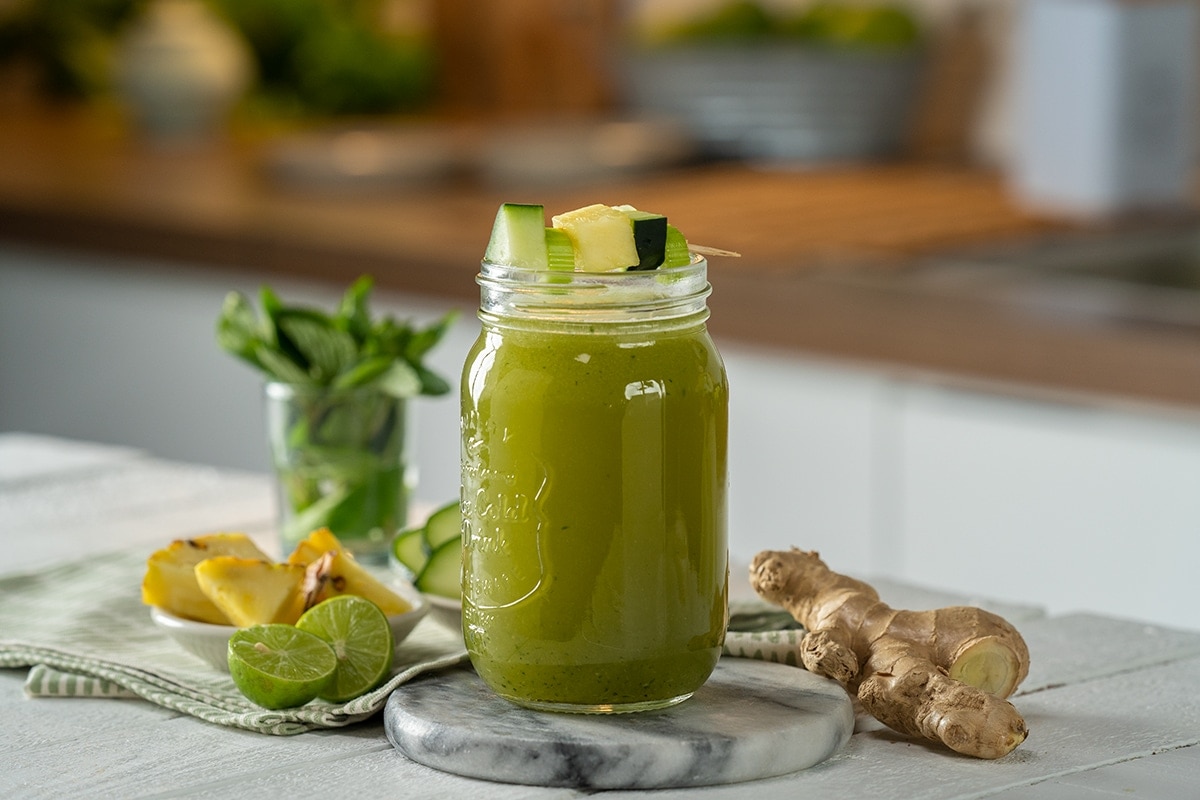
#6: Cucumber and Mint Infusion
Cucumber is composed of about 95% water, making it exceptionally hydrating and cooling. For those suffering from the heat and burning of gastritis, cucumber juice acts as a literal internal coolant. When juiced, cucumbers provide an alkaline liquid that helps dilute stomach acid. Adding fresh mint leaves to the juicer provides additional antispasmodic benefits, helping to relax the stomach muscles and reduce cramping. This juice is best served chilled but not frozen, as extreme cold can sometimes shock a sensitive stomach. It is a light, clean drink that can be consumed throughout the day to maintain a stable stomach environment and keep inflammation at bay.
#7: Spinach and Celery Green Juice
A green juice made from spinach and celery is an alkalizing powerhouse. Celery is unique because it contains specific polysaccharides that have been shown to improve the stomach lining and decrease the risk of gastric ulcers. Spinach provides a gentle dose of iron and antioxidants without the acidity found in many other vegetables. When combined, they create a nutrient-dense liquid that supports the body’s natural healing processes. Use a high-quality juicer to remove the tough fibers, or use a blender and strain the mixture carefully. This juice is highly effective at neutralizing acid and providing a refreshing boost of electrolytes that are often lost during digestive distress.
#8: Banana and Oat Smooth Juice
While technically a very thin smoothie, this “smooth juice” is excellent for coating the stomach. Bananas are low-acid and contain pectin, a soluble fiber that helps move food through the digestive tract smoothly. Oats are known for their ability to absorb excess acid. To keep it light, blend a frozen banana with a tablespoon of soaked oats and a cup of water or almond milk. The frozen element gives it a creamy texture without the need for dairy, which can be a trigger for some people. This drink is particularly useful as a breakfast replacement when solid food feels too heavy or painful to consume during a gastritis episode.
#9: Coconut Water with Watermelon
Coconut water is naturally isotonic and highly alkaline, making it one of the best liquids for someone with gastritis. When mixed with watermelon juice, it becomes an incredibly hydrating and delicious remedy. Watermelon is very low in acid and contains lycopene, which has anti-inflammatory properties. To prepare, simply juice the watermelon flesh and mix it with fresh coconut water in equal parts. You can serve it over a small amount of ice for a refreshing summer treat that won’t hurt your stomach. The high potassium content in both ingredients helps regulate fluid balance and can soothe the nerves in the digestive tract that signal pain.
#10: Apple and Zucchini Juice
Apples (specifically sweet, non-tart varieties like Gala or Fuji) contain pectin, which helps regulate the stomach environment. Zucchini is a surprising but effective addition to gastritis juices because it is incredibly mild, alkalizing, and easy to digest. When juiced together, they create a subtle, sweet drink that is very soft on the gastric mucosa. Ensure you peel the apples to remove any waxes or pesticides that could irritate the stomach. This combination is particularly good for those who have a “weak” stomach and need something that feels substantial yet safe. It can be served chilled with a thin slice of apple as a garnish to make it more appealing.
How to Choose the Right Juice for Your Symptoms
Selecting the best juice for gastritis involves understanding the current state of your digestive system. If you are experiencing an acute flare-up with significant burning, you should prioritize highly alkaline options like potato or cabbage juice. These act as immediate buffers against acid. For chronic, low-level irritation, focus on “healing” juices like aloe vera or carrot, which provide the vitamins necessary for long-term tissue repair.
Always consider the acidity levels; avoid citrus fruits like oranges, lemons, and grapefruits, as well as tomato juice, which are known triggers. Look for “low-acid” or “alkaline” labels if buying pre-made versions, though fresh is always superior. Texture also matters; if your stomach is feeling particularly sensitive, ensure your juice is well-strained. Using a high-speed blender and then a fine-mesh strainer ensures you get all the nutrients without the insoluble fiber that might cause bloating or gas. Finally, pay attention to temperature. While a chilled drink is refreshing, some find that room-temperature liquids are less shocking to the system during a flare-up. Always listen to your body’s immediate reaction after a few sips.
- Small Sips: Don’t gulp your juice. Drinking slowly prevents the stomach from distending, which can trigger more acid production.
- Freshness Matters: Enzymes like papain and Vitamin U degrade quickly. Drink your juice within 15 minutes of juicing for maximum healing benefits.
- Avoid Sweeteners: Do not add sugar or honey to your juices, as sugar can ferment in the stomach and cause further irritation.
- Test for Triggers: Everyone’s stomach is different. Try a small amount of a new juice first to ensure it doesn’t cause discomfort.
Conclusion
Finding the best juice for gastritis is a journey of discovering what calms your unique digestive system. Whether you opt for the potent healing properties of raw potato and cabbage juice or the refreshing and hydrating qualities of cucumber and coconut water, the goal remains the same: reduce inflammation and provide your stomach with the nutrients it needs to heal. For those new to this dietary change, starting with carrot or pear juice is often the easiest transition. By consistently incorporating these soothing beverages, you can manage your symptoms naturally and return to a life free from the constant discomfort of gastritis.

❓ Frequently Asked Questions
1
How long does this juice last in the fridge?
This juice is best consumed immediately for maximum enzymatic activity. If you must store it, keep it in an airtight glass jar for no more than 12 hours. The nutrients degrade quickly, and the potato starch may settle, affecting both the taste and the effectiveness of the remedy.
2
Can I make this juice ahead of time?
It is not recommended to make this juice ahead of time. Gastritis-friendly juices rely on fresh nutrients to soothe the stomach lining effectively. For the most refreshing and hydrating experience, prepare it right before drinking to ensure the ingredients are active and the flavor is at its peak.
3
What can I substitute for potato?
If you prefer not to use potato, celery is an excellent alkaline substitute. It provides a similar hydrating effect and helps neutralize stomach acid. Cucumber is another refreshing option, though potato is traditionally preferred for its unique starch content that specifically coats and protects the stomach lining during flares.
4
How do I know when the juice is ready?
The juice is ready when it is completely smooth and free of large pulp bits. If using a high-speed blender, this usually takes about 60 seconds. You can strain it through a fine-mesh sieve or nut milk bag if you prefer a thinner, pulp-free consistency that is easier to digest.
5
Can I freeze this juice?
Freezing is not recommended for this specific healing juice. The freezing and thawing process alters the cellular structure of the vegetables and degrades the soothing properties required for gastritis relief. For the best results, always use fresh ingredients and drink the juice at a cool or room temperature.