What is Pulp in Orange Juice? Complete Guide
Pulp in orange juice consists of the solid, fibrous components of the orange fruit, primarily the juice sacs (vesicles) and the thin membranes that hold them together. When an orange is squeezed or processed in a blender, these sacs rupture, releasing the liquid juice while leaving behind the textured plant material. Rich in fiber and flavonoids, pulp provides a more hydrating and nutritionally complete version of the drink compared to strained varieties, making it a refreshing choice for health-conscious consumers.
Understanding the Anatomy and Purpose of Orange Pulp
To understand what pulp is, one must look at the biological structure of citrus fruits. An orange is categorized as a hesperidium, a type of modified berry with a tough, leathery rind. Inside this rind are segments filled with tiny, teardrop-shaped structures called juice vesicles. These vesicles are what we commonly refer to as pulp. Each vesicle is essentially a tiny membrane-bound bag filled with water, sugars, vitamins, and minerals.
When juice is manufactured, whether in a factory or at home, the extraction process determines how much of this solid material remains in the final glass. In commercial “no pulp” or “pulp-free” juices, the liquid undergoes a rigorous filtration or centrifugation process to remove every trace of the vesicles. Conversely, “high pulp” or “grovestand” varieties intentionally leave these sacs intact to mimic the experience of eating a fresh, whole orange.
The presence of pulp significantly alters the nutritional profile of the beverage. While clear orange juice is mostly water and fructose, pulpy juice contains significant amounts of cellulose and hemicellulose—types of dietary fiber. It also contains high concentrations of hesperidin, a potent flavonoid found primarily in the membranes and juice sacs. These compounds are known for their antioxidant and anti-inflammatory properties. Because pulp slows down the absorption of fruit sugars into the bloodstream, drinking pulpy juice is often considered a more hydrating and balanced way to enjoy the fruit’s benefits without a sharp glucose spike.
Beyond nutrition, pulp provides a distinct mouthfeel. Some consumers find the added texture refreshing and authentic, while others prefer the smooth, thin consistency of strained juice. This preference has led to a wide variety of commercial classifications, ranging from “calcium-fortified no-pulp” to “extra heavy pulp.”
Step-by-Step Guide: How to Customize Pulp Levels at Home
Creating the perfect glass of orange juice requires a bit of technique, especially if you want to control the exact amount of fiber and texture. Depending on your preference, you can use a manual reamer, a motorized juicer, or a high-speed blender.
Step 1: Select and Prepare the Fruit
Choose heavy, thin-skinned oranges like Valencias or Navels. Thin-skinned fruit generally contains more juice and more delicate vesicles. Wash the fruit thoroughly, then roll them firmly on the counter with your palm. This “massaging” helps break down the internal membranes, making it easier for the juice and pulp to release during processing.
Step 2: Choose Your Extraction Method
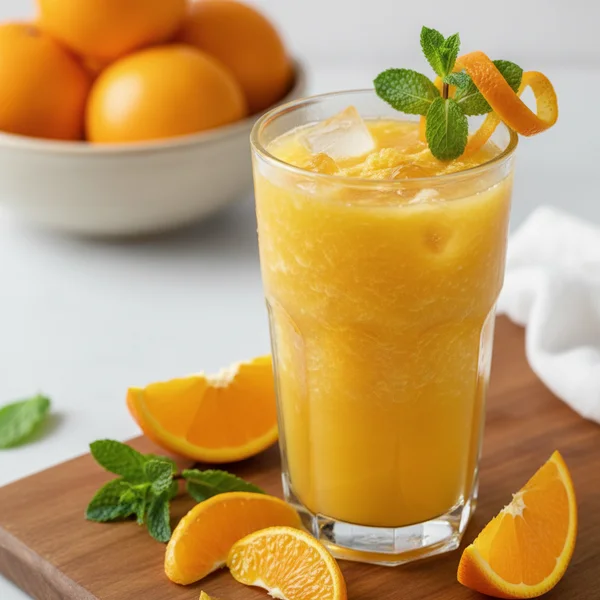
If you enjoy high-pulp juice, using a blender is the most efficient method. Simply peel the orange, remove the seeds, and toss the entire segments into the blender. Pulse the fruit briefly rather than running a long cycle. This breaks the segments into a drinkable consistency without completely pulverizing the beneficial fiber. If you prefer a chilled drink, add a handful of ice cubes during this stage to create a frozen, slushy texture that is incredibly hydrating on a hot day.
Step 3: Manual Straining for Precision
If you have used a traditional citrus press but find the pulp too chunky, use a stainless steel mesh strainer. Pour the juice through the strainer into a chilled carafe. For “medium pulp,” use a spoon to press some of the solids through the mesh. For “no pulp,” let the juice sit and drain naturally without agitation.
Step 4: Enhancing the Presentation
Once your juice reaches the desired consistency, pour it into a cold glass. To make the drink feel like a professional beverage, add a thin orange wheel as a garnish on the rim. The aromatic oils from the peel in the garnish enhance the overall sensory experience.
Important Considerations for Pulp Lovers and Haters
When deciding between pulp-heavy and pulp-free orange juice, there are several practical factors to keep in mind regarding shelf life, culinary use, and health.
The Shelf Life Factor
Pulp contains enzymes and organic matter that can cause juice to spoil faster than its filtered counterparts. In fresh-squeezed juice, the pulp can begin to ferment or develop a bitter taste within 24 to 48 hours if not kept strictly chilled. If you are making a large batch, it is often better to strain the juice for longevity or to store the pulp separately and mix it back in just before serving.
Culinary Versatility
The texture of the juice dictates how it can be used in the kitchen. For example, if you are making a frozen granita or orange-flavored sorbet, high pulp content adds a pleasant body and prevents the dessert from becoming a solid block of ice. However, if you are using the juice in a delicate vinaigrette or a clear cocktail, the pulp might settle at the bottom or create an unappealing “clumpy” appearance. In these cases, a smooth, filtered juice is preferable.
Digestion and Health
For individuals with sensitive digestive systems, such as those with Diverticulitis or certain IBD conditions, the insoluble fiber in orange pulp can sometimes be irritating. On the other hand, for most people, the fiber is a massive benefit. It aids in digestion and provides a feeling of fullness. If you find the texture of pulp off-putting but want the health benefits, blending the oranges at a high speed until the pulp is microscopic is a great middle-ground solution.
- Temperature Matters: Always serve pulpy juice chilled. When warm, the texture of the pulp can feel “heavy” on the tongue, whereas cold temperatures keep it crisp and refreshing.
- Don’t Waste the Solids: If you prefer juice without pulp, don’t throw the leftover solids away! They can be added to muffin batters or smoothies for an extra boost of fiber and flavor.
- The Frozen Hack: Pour high-pulp juice into ice cube trays. These frozen cubes can be used to chill future glasses of juice without diluting the flavor as they melt.
- Garnish with Style: A sprig of mint or a garnish of zest on top of a pulpy glass of juice can elevate the drink from a breakfast staple to a gourmet treat.
Conclusion
Pulp is more than just “bits” in your drink; it is a nutritional powerhouse that brings the authentic essence of the orange to your glass. Whether you prefer your juice smooth and filtered or thick and “grovestand” style, understanding that pulp is simply the fiber-rich juice sacs of the fruit allows you to make better choices for your palate and your health. By using a blender with ice for a frozen treat or simply serving it chilled with a beautiful garnish, you can transform this hydrating beverage into a customizable, refreshing experience tailored perfectly to your lifestyle.
❓ Frequently Asked Questions
1
How long does orange juice with pulp last in fridge?
Freshly squeezed orange juice with pulp typically lasts about 2 to 3 days in the refrigerator. Ensure it is stored in a tightly sealed container to prevent oxidation. Because pulp can harbor bacteria faster than clear juice, it is best to consume it quickly for peak freshness and flavor.

2
Can I make pulp-free juice at home?
Yes, you can easily make pulp-free juice by pouring your fresh squeezed orange juice through a fine-mesh strainer or cheesecloth. This removes the fibrous vesicles and membrane bits, resulting in a smooth, thin consistency that many people prefer for a lighter, refreshing drinking experience without the added texture.
3
What can I substitute for orange pulp?
If you want the texture of pulp without using oranges, you can try adding finely chopped bits of other citrus fruits like pomelo or grapefruit. Alternatively, pulsing a small amount of the inner orange membrane in a high-speed blender can recreate that thick, fiber-rich mouthfeel in your drink.
4
How do I know when the juice is ready?
Orange juice is ready once the citrus has been fully pressed and your desired amount of pulp has been collected. If you are using a blender, blend until the fruit is liquified but stop before the pulp disappears entirely if you prefer a textured, hydrating beverage served over ice.
5
Can I freeze orange juice with pulp?
You can freeze orange juice with pulp for up to four months. Use freezer-safe containers or ice cube trays for easy portioning. When thawed, the texture of the pulp may change slightly, becoming a bit softer, so give it a vigorous stir or a quick pulse in a blender.