Why Am I Craving Orange Juice? Essential Guide
Have you ever found yourself standing in front of the open refrigerator at midnight, staring longingly at a carton of citrus gold? You are not alone. It is a surprisingly common phenomenon to experience a sudden, intense urge for citrus. While it might seem like a random whim, your body is often trying to communicate something specific when it triggers a sudden urge for that tart, sweet, and refreshing citrus hit. In this guide, we will explore the physiological and psychological reasons behind why you are craving orange juice, ranging from simple dehydration to specific nutrient deficiencies. You will learn how to decipher these signals and the best ways to enjoy this classic beverage to maximize its health benefits.
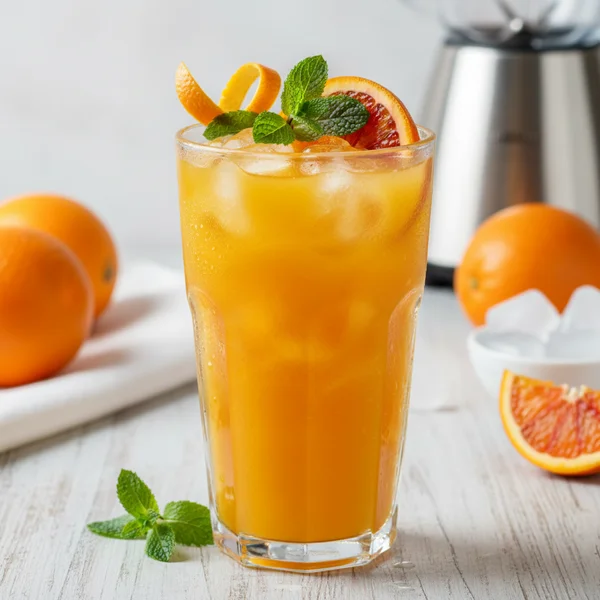
Cravings for orange juice are most commonly linked to a need for Vitamin C, natural glucose for energy, or deep cellular hydration. Your body utilizes the high potassium and antioxidant content in citrus to recover from stress, illness, or physical exertion.
The Vitamin C and Immune System Connection
The most immediate association people make with orange juice is Vitamin C, also known as ascorbic acid. This essential nutrient is a powerhouse for the immune system, but humans are among the few mammals that cannot produce it internally. This means we must source it entirely from our diet. If you find yourself wondering “why am I craving orange juice” during the change of seasons or when you feel “run down,” your body may be preemptively trying to bolster its defenses.
Vitamin C is not just for fighting off the common cold. It plays a critical role in the repair of all body tissues, the absorption of iron, and the maintenance of cartilage, bones, and teeth. When your levels are low, your brain may trigger a specific craving for the most efficient source it knows: oranges. Interestingly, the adrenal glands also contain some of the highest concentrations of Vitamin C in the body. During periods of high stress, these glands can become depleted. A sudden desire for a chilled glass of juice might be a biological signal that your stress-response system needs a chemical “refill” to keep functioning optimally.
Furthermore, orange juice contains bioflavonoids, which work synergistically with Vitamin C to improve its absorption. This makes the juice a more attractive option to the body than a synthetic supplement. When the body detects a dip in these vital antioxidants, the craving can become quite powerful, leading you to seek out that familiar citrus tang as a form of self-regulation.
Hydration, Electrolytes, and Fluid Balance
While we often reach for water when we are thirsty, thirst can sometimes manifest as a craving for a flavorful, hydrating beverage. Orange juice is approximately 88% water, but it offers much more than simple H2O. It is packed with electrolytes, particularly potassium. Potassium is essential for muscle function, nerve signaling, and maintaining a healthy heart rate. If you have been sweating heavily, whether due to exercise or warm weather, your body loses these vital salts.
The natural balance of sugars and minerals in orange juice makes it an effective tool for rehydration. Some even compare it to a natural sports drink. The combination of water, fruit sugars, and potassium allows the fluid to be absorbed quickly by the cells. If you are feeling particularly parched, you might find that a glass of juice over ice feels more satisfying than plain water because it addresses the mineral imbalance along with the fluid deficit.
Below is a comparison of how orange juice stacks up against other common liquids in terms of its primary hydrating and nutritional components:
| Beverage | Vitamin C Content | Potassium Levels | Primary Benefit |
|---|---|---|---|
| Orange Juice | Very High | High | Immunity & Electrolytes |
| Apple Juice | Low (unless fortified) | Moderate | Quick Energy |
| Coconut Water | Moderate | Very High | Rapid Hydration |
| Plain Water | None | Trace | Basic Fluid Replacement |
Blood Sugar and the Search for Quick Energy
Another major factor in the “why am I craving orange juice” mystery involves your blood sugar levels. Your brain depends almost exclusively on glucose for energy. When your blood sugar drops—perhaps because you skipped a meal or engaged in intense mental activity—the brain sends out a high-priority signal for a fast-acting sugar source.
Orange juice provides natural fructose and glucose that enter the bloodstream relatively quickly. Unlike a candy bar, which provides “empty” calories, orange juice offers a nutrient-dense way to raise blood glucose levels. This is why many people crave a glass of OJ in the morning after a night of fasting. The body is essentially looking for a “jumpstart” to get its metabolic processes moving.
However, it is important to note the difference between whole fruit and processed juice. When you crave the juice specifically, your body might be looking for a rapid delivery system that doesn’t require the work of digesting fiber. While eating a whole orange is generally healthier due to the fiber content, the intense craving for the liquid form is often about the speed of nutrient and sugar delivery.
Psychological Comfort and Sensory Satisfaction
Cravings are not always about survival or nutrients; sometimes, they are about the sensory experience. The bright, acidic profile of orange juice is highly stimulating to the palate. If you have been eating a diet that is heavy in fats or proteins, your tongue might crave the “brightness” of citrus to cut through the richness. This is a culinary concept known as palate cleansing.
There is also a significant psychological component. For many, orange juice is associated with childhood, vacation breakfasts, or feeling cared for while sick. These positive associations can trigger a craving during times of emotional stress or fatigue. The act of drinking something chilled and vibrant can provide a momentary mood boost, thanks to both the sugar content and the refreshing sensory input.
The temperature and texture play a role as well. In the heat of summer, the thought of a frozen orange juice slushie or a glass filled with crushed ice provides a psychological cooling effect that water alone cannot match. The “zing” of the citric acid provides a tactile sensation on the tongue that helps wake up the senses, making it a go-to for those feeling mentally foggy or sluggish.
Elevating Your Juice Experience
If you find that your cravings are frequent, you might want to experiment with how you prepare and serve your citrus. Instead of just pouring from a carton, consider the benefits of fresh-squeezed options or “whole-fruit” juices made in a high-speed blender. Using a blender allows you to keep some of the pith and pulp, which contains additional fiber and essential phytonutrients that are lost in standard straining processes.
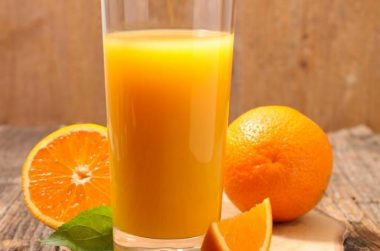
For a more sophisticated and satisfying experience, pay attention to the presentation. A sprig of mint or a thin slice of orange as a garnish can enhance the aromatic experience, which is a major part of flavor perception. If you want to reduce the sugar impact while still satisfying the craving, try mixing a small amount of juice with sparkling water. This creates a refreshing spritzer that provides the flavor and Vitamin C you desire with a lower glycemic load.
Expert Tips for Satisfying the Craving
When satisfying a craving for orange juice, quality is paramount. Nutritionists often recommend choosing juice that is “not from concentrate” to ensure the highest possible enzyme and vitamin content. If you are buying store-bought, check the label to ensure there is no added cane sugar or high fructose corn syrup; the natural sugars in oranges are more than enough to satisfy the body’s needs.
Experts also suggest timing your intake. Drinking orange juice alongside a meal that contains iron (like spinach or red meat) can actually increase your iron absorption by up to 67%. This is a great way to turn a simple craving into a strategic nutritional choice. If you find the acidity is too much for your stomach, try diluting the juice slightly or opting for low-acid varieties that are specifically processed to be gentler on the digestive system.
- Add a pinch of high-quality sea salt to your juice to create a powerful homemade electrolyte drink after a workout.
- If you prefer a thicker texture, freeze orange juice in ice cube trays and blend them for a frozen healthy treat.
- Always look for juice with “extra pulp” if you want to slow down the sugar absorption and improve digestion.
Summary of the Citrus Sensation
Craving orange juice is usually a benign and helpful signal from your body. Whether you are seeking a boost in Vitamin C to fight off an impending cold, looking for a way to rebalance your electrolytes after a long day, or simply needing a quick burst of glucose for brain power, orange juice provides a dense package of nutrients. By choosing high-quality sources, utilizing a blender for added fiber, and serving your drink chilled with a garnish, you can turn a simple craving into a healthful ritual. Listen to your body—it usually knows exactly what it needs to stay hydrating and vibrant.
❓ Frequently Asked Questions
1
How long does fresh orange juice last in fridge?
Freshly squeezed orange juice typically lasts for about two to three days in the refrigerator. To maintain its vibrant flavor and high nutritional value, store it in an airtight glass container. Over time, the Vitamin C content begins to degrade and the flavor may turn slightly bitter or sour.

2
Can I make orange juice ahead of time?
You can definitely make orange juice ahead of time, but it is best consumed within 24 hours for peak taste. If you need to prep earlier, consider freezing it in ice cube trays to use later in a blender for a refreshing, slushy-like hydrating treat on a hot day.
3
What can I substitute for orange juice?
If you are craving the acidity and Vitamin C of orange juice, you can substitute it with grapefruit juice or a blend of lemon and lime diluted with water. For a similar natural sweetness, pineapple juice works well, especially when served cold with a citrus garnish to mimic the flavor.
4
How do I know when orange juice is done?
Since orange juice doesn’t require cooking, it is ready once you have extracted the liquid and removed any unwanted seeds or excess pulp. It should have a bright, vibrant color and a sweet-tart aroma. For a smoother experience, pass it through a fine-mesh strainer before pouring it over ice.
5
Can I freeze orange juice?
Yes, you can freeze orange juice effectively. Pour it into freezer-safe containers or ice cube trays, leaving a little room for expansion. Frozen juice stays fresh for up to four months. These cubes are perfect for adding to a blender to create a quick, refreshing, and hydrating frozen citrus beverage.