Juicing for Energy and Stamina: Ultimate Guide
In an era where the demands of professional and personal life are constantly increasing, finding a sustainable source of vitality is more critical than ever. Many individuals reach for a third cup of coffee or a synthetic energy drink to power through the afternoon slump, yet these often lead to an inevitable “crash” and jittery nerves. Juicing for energy and stamina offers a physiological alternative by delivering a concentrated burst of vitamins, minerals, and phytonutrients directly into the bloodstream. Unlike solid food, which requires significant metabolic energy to digest, fresh juice provides bioavailable fuel that the body can utilize almost instantly. In the following sections, we will explore the science behind liquid nutrition, identify the most potent ingredients for endurance, and provide a structured protocol for integrating juicing into a high-performance lifestyle.
Juicing for energy and stamina works by providing rapid-acting micronutrients and nitrates that enhance blood flow and cellular oxygenation, leading to sustained physical and mental endurance without the typical caffeine crash.
The Biological Impact of Fresh Juice on Stamina
To understand why juicing for energy and stamina is so effective, one must look at the cellular level. Every movement we make and every thought we process is powered by Adenosine Triphosphate (ATP), the energy currency of our cells. The production of ATP requires a steady supply of oxygen and specific micronutrients such as magnesium, B vitamins, and iron. When you consume a cold-pressed juice, you are effectively bypassing the complex digestive process that can take hours. This “liquid gold” enters the small intestine and is absorbed rapidly, providing the mitochondria with the raw materials needed for energy production.
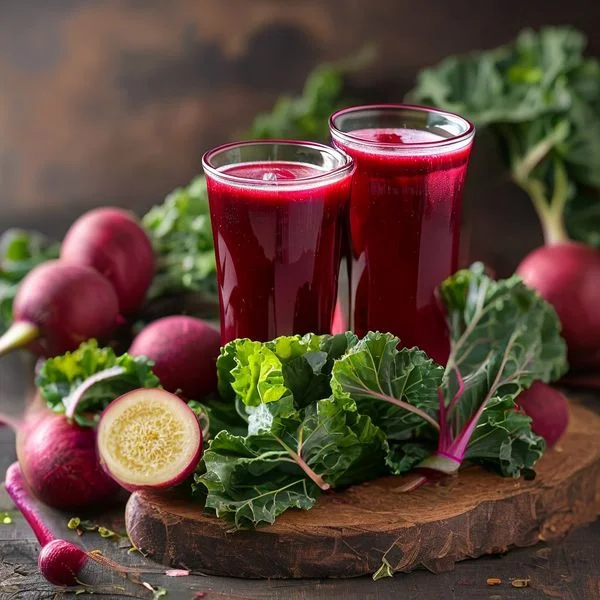
One of the most significant factors in stamina is nitric oxide production. Certain vegetables, most notably beetroot, are rich in inorganic nitrates. Once consumed, the body converts these nitrates into nitric oxide, a molecule that relaxes and dilates blood vessels. This process, known as vasodilation, improves blood flow and allows oxygen to be transported more efficiently to the muscles and the brain. Athletes have long used beetroot juice as a legal performance enhancer, but the same principles apply to the office worker or the parent who needs to maintain focus throughout a twelve-hour day. By reducing the oxygen cost of exercise and daily activity, juicing allows you to perform at a higher intensity for a longer duration.
Furthermore, fresh juices are rich in antioxidants that combat oxidative stress. Physical exertion and mental stress produce free radicals, which can damage cells and lead to fatigue. The polyphenols found in dark leafy greens and vibrant berries act as a defense shield, neutralizing these free radicals and allowing for faster recovery times. This means that juicing doesn’t just provide an immediate lift; it builds a foundation for long-term stamina by protecting the body’s internal machinery from the wear and tear of daily life.
Top Ingredients for Maximizing Vitality
When selecting ingredients for an energy-focused juice, it is important to choose produce that offers a balance of quick-release sugars and long-term metabolic support. Not all juices are created equal; a juice consisting entirely of fruit may cause a blood sugar spike followed by a lethargic low. The goal is to create a synergetic blend that stabilizes energy levels. Below is a table highlighting the most effective ingredients for juicing for energy and stamina.
| Ingredient | Primary Benefit | Nutrient Highlight |
|---|---|---|
| Beetroot | Increases oxygen efficiency | Nitrates, Betalains |
| Spinach/Kale | Supports red blood cell function | Iron, Magnesium, Vitamin K |
| Ginger | Stimulates circulation and digestion | Gingerol |
| Lemon/Lime | Cleanses the liver and brightens flavor | Vitamin C, Bioflavonoids |
| Green Apple | Provides balanced glucose release | Quercetin, Malic Acid |
Incorporating ginger is particularly useful for those who suffer from “brain fog.” Ginger stimulates the circulatory system, ensuring that nutrient-rich blood reaches the brain efficiently. Meanwhile, leafy greens like kale and spinach provide magnesium, which is a cofactor in over 300 enzymatic reactions, including those responsible for the creation of ATP. Without sufficient magnesium, your body will struggle to convert the food you eat into the energy you feel. By combining these diverse ingredients, you create a complex nutritional profile that addresses fatigue from multiple physiological angles.
The Ultimate Energy and Stamina Juice Recipe
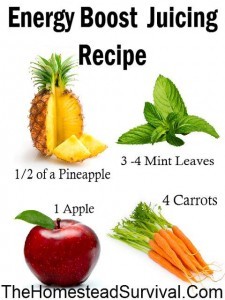
Creating a high-performance juice requires more than just throwing random vegetables into a machine. To achieve the best results, you need a balanced recipe that tastes palatable while providing maximum impact. This specific blend is designed to be the “gold standard” for those looking to improve their physical endurance and mental clarity throughout the day.
Prep time: 10 minutes
Cooking time: 0 minutes (Fresh juice should never be heated)
Servings: 2 servings (approx. 16-20 oz total)
Calories: Approximately 145 calories per serving
Ingredients
- 2 medium-sized Beetroots (scrubbed, ends trimmed)
- 4 stalks of Celery (provides natural electrolytes)
- 2 handfuls of fresh Spinach
- 1 large Green Apple (cored)
- 1-inch piece of fresh Ginger root (peeled)
- 1/2 of a Lemon (peeled)
- Optional: A pinch of cayenne pepper for a metabolic kick
Instructions
- Prepare the Produce: Wash all ingredients thoroughly under cold water. If using non-organic produce, consider a vinegar soak to remove wax and pesticides.
- Chop for Efficiency: Depending on the type of juicer you own (centrifugal vs. masticating), cut the beets and apples into sizes that easily fit the chute to prevent jamming.
- The Juicing Process: Begin by juicing the spinach and ginger first. Following them with high-water-content items like celery and apple helps to “push” the more fibrous leafy greens through the machine.
- Finish with the Lemon: Juice the lemon last to ensure all the citric acid helps preserve the color and nutrients of the other vegetables.
- Stir and Serve: Give the juice a gentle stir with a wooden or glass spoon. Drink one of the servings immediately for peak nutrient absorption.
- Storage: If you are not drinking both portions at once, store the second serving in an airtight glass jar with minimal headspace. It should be consumed within 24 hours to ensure the enzymes remain active.
Managing Glycemic Load for Consistent Energy
One common mistake in the world of juicing is the over-reliance on high-sugar fruits like pineapple, oranges, and grapes. While these fruits contain beneficial vitamins, juicing removes the fiber that normally slows down sugar absorption. When you drink a juice that is too fruit-heavy, your blood sugar spikes, causing a surge in insulin. Shortly after, your blood sugar levels plumment, leaving you feeling more exhausted than before you drank the juice. To achieve true stamina, you must master the art of the 80/20 rule.
The 80/20 rule suggests that 80% of your juice volume should come from low-glycemic vegetables (cucumbers, celery, leafy greens, herbs) and only 20% should come from lower-sugar fruits like green apples, pears, or berries. This ratio ensures that you receive a steady stream of energy rather than a fleeting rush. Furthermore, adding a healthy fat or protein on the side—such as a few almonds or a spoonful of almond butter—can further stabilize the metabolic response to the juice.
Additionally, the order in which you consume your juice matters. Drinking juice on an empty stomach allows for the fastest absorption, making it an ideal “pre-workout” or “pre-work” ritual. However, if you find that you are sensitive to natural sugars, try consuming your juice alongside a meal that contains healthy fiber and protein. This approach allows you to reap the micronutrient benefits of the juice while maintaining perfectly level blood sugar throughout your afternoon meetings or training sessions.
Strategic Timing: When to Juice for Maximum Impact
Timing is everything when it comes to juicing for energy and stamina. Most people find the most significant benefit when they consume their juice in the morning. After a night of fasting, the body is primed to absorb nutrients. Starting the day with a nutrient-dense green and beet juice can alkalize the body and set a positive tone for metabolic function. It replaces the need for a high-carb breakfast that often leads to a mid-morning slump.
Another strategic time to juice is approximately 30 to 60 minutes before a physical workout or a high-stakes cognitive task. Because the nitrates in beet juice take a short amount of time to be processed into nitric oxide, drinking the juice about an hour before you need the energy peak is ideal. This gives your circulatory system enough time to respond and begin delivering enhanced oxygen to your tissues. For those who experience the “afternoon wall” around 3:00 PM, a ginger-heavy juice can act as a natural stimulant, clearing away adenosine (the chemical that makes us feel sleepy) and providing a second wind without interfering with sleep later that night.
Expert Tips for Long-Term Success
Transitioning into a juicing lifestyle requires a bit of strategy to maintain consistency. Professionals in the nutrition space recommend “cycling” your ingredients. Do not use the same greens every day; alternate between kale, spinach, chard, and parsley. This prevents the buildup of trace alkaloids found in certain vegetables and ensures a broader spectrum of minerals. Furthermore, always prioritize organic produce when juicing. Since juicing concentrates the nutrients, it can also concentrate pesticide residues. If organic is not an option, peeling the produce is a mandatory step to protect your health.
Another expert recommendation is to pay attention to the temperature of your ingredients. Using cold produce straight from the refrigerator helps keep the juice cool during the extraction process, which is especially important if you are using a centrifugal juicer that generates heat. Excessive heat can denature sensitive enzymes, reducing the overall efficacy of the juice. Finally, don’t throw away the pulp! You can use the leftover fiber from carrots, beets, and greens in soups, stews, or even as a base for veggie burgers to ensure nothing goes to waste.
- Add a slice of lemon zest to the juicer; the essential oils in the peel contain powerful limonene for mood elevation.
- If the flavor of beets is too earthy, add an extra stalk of celery or a small cucumber to mellow the profile without adding sugar.
- Drink your juice through a silicone or glass straw to protect your tooth enamel from the natural acids and pigments.
Juicing for energy and stamina is a transformative habit that bridges the gap between basic nutrition and peak performance. By focusing on nitrate-rich vegetables, managing the glycemic load, and timing your consumption for maximum physiological impact, you can reclaim your vitality naturally. Remember that consistency is key; the cumulative effect of daily micronutrient infusions far outweighs the occasional “detox.” Start with the provided recipe, listen to your body’s response, and enjoy the sustained clarity and endurance that comes from fueling yourself with the very best that nature has to offer.
❓ Frequently Asked Questions
1
How long does energy juice last in fridge?
For the best results, drink your juice immediately after preparation. If you must store it, keep it in an airtight glass container for up to 24 hours. Nutrient levels begin to drop as soon as the produce is oxidized, so fresh is always the most effective choice.
2
Can I make energy juice ahead of time?
While you can prep your ingredients the night before, it is best to juice them right before consumption. If you are short on time, juice in the morning and store it in a vacuum-sealed bottle to prevent oxidation and maintain the energy-boosting enzymes and vitamins for later.
3
What can I substitute for beets?
If you don’t like beets, carrots are a great alternative as they provide natural sugars and beta-carotene for a steady energy release. Pomegranates are another excellent choice for stamina due to their high antioxidant content and ability to support healthy blood flow and muscle recovery during physical activity.
4
How do I know when the juice is done?
Your juice is ready as soon as you have processed all ingredients through the machine and the pulp coming out is relatively dry. Give the juice a quick stir to combine the different layers and flavors before pouring it into a glass to enjoy your natural energy boost.
5
Can I freeze juice for energy and stamina?
Yes, you can freeze fresh juice in silicone molds or freezer-safe jars for up to three months. However, freezing may slightly degrade the taste and some sensitive enzymes. Thaw in the refrigerator and shake well before drinking to ensure the ingredients are properly mixed and flavorful for consumption.