How Do People Stay Skinny: Best Science-Backed Tips
People stay skinny by maintaining a consistent “recipe” for a balanced lifestyle that prioritizes metabolic health and mindful habits. This involves focusing on high-quality ingredients in their diet, managing daily calories through portion control, and integrating movement naturally into their day. Rather than following a temporary diet, they follow a set of lifestyle instructions that emphasize high protein, fiber-rich servings, and minimal processed sugars to maintain a stable weight effortlessly.
Staying skinny is often perceived as a mystery or a gift of genetics, but for the majority of people, it is the result of a specific lifestyle recipe that balances energy intake with expenditure. While some individuals do have a faster basal metabolic rate, staying lean usually comes down to the daily choices made regarding food, movement, and psychological triggers. Understanding how these elements work together provides the necessary instructions for anyone looking to maintain a healthy, lean physique without feeling deprived.

The Biological Recipe: How Metabolism and Habits Intersect
When we ask how people stay skinny, we are really looking at the ingredients of their metabolic health. Metabolism is the process by which your body converts what you eat and drink into energy. People who remain naturally thin often have a high level of Non-Exercise Activity Thermogenesis (NEAT). This includes all the calories burned through activities that are not deliberate exercise, such as walking to the store, fidgeting, or even standing while talking. This constant movement serves as a background cooking time for burning energy throughout the day.
Another key factor is hormonal regulation, specifically the balance between ghrelin (the hunger hormone) and leptin (the satiety hormone). Those who stay lean often have a highly sensitive response to leptin, meaning their brain receives the “I’m full” signal much faster than others. They don’t ignore these signals; instead, they follow their body’s internal instructions to stop eating once they are satisfied, regardless of how much food is left on the plate. This natural portion control ensures that the total calories consumed do not exceed their daily requirements.
Furthermore, the types of ingredients chosen play a massive role. A diet rich in whole foods—such as lean proteins, complex carbohydrates, and healthy fats—requires more energy to digest. This is known as the Thermic Effect of Food (TEF). For example, protein-rich servings require significantly more energy to break down than fats or simple sugars. By prioritizing these ingredients, skinny individuals are essentially increasing their metabolic rate every time they eat, making it easier to maintain their weight over time.
A Step-by-Step Guide to the “Stay Skinny” Routine
If you were to write a recipe for staying thin, it would focus less on restriction and more on the preparation and quality of your daily habits. Follow these instructions to build a sustainable lifestyle that supports a lean body.

Step 1: Optimize Your Prep Time
The most successful lean individuals spend significant prep time planning their meals. This doesn’t necessarily mean spending hours in the kitchen, but rather ensuring that healthy ingredients are readily available. When you have pre-cut vegetables, cooked grains, and portioned proteins in your fridge, you are less likely to reach for high-calorie convenience foods. Think of this as setting the stage for a successful cooking time later in the day.
Step 2: Focus on High-Volume, Low-Calorie Ingredients
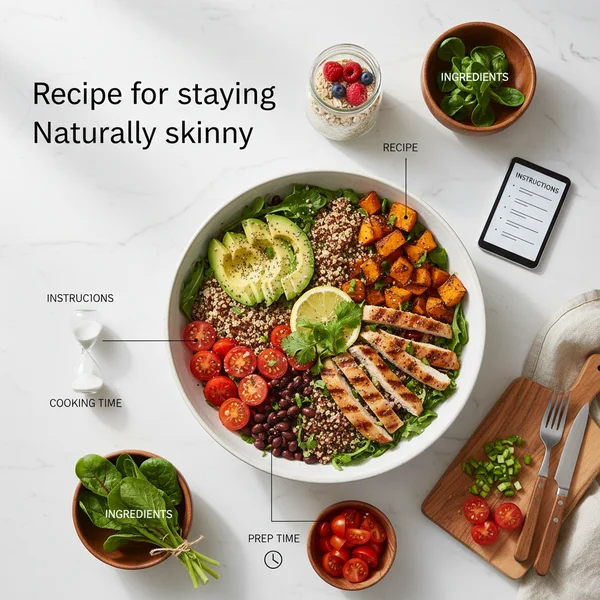
To stay full while keeping calories low, focus on volume eating. This means filling your plate with ingredients that have high water and fiber content, such as leafy greens, cruciferous vegetables, and berries. These foods allow you to eat large servings, satisfying the visual and physical need for a full plate without the heavy caloric load. A massive salad with grilled chicken may have fewer calories than a small handful of processed snacks.
Step 3: Master the Art of the Serving Size
Understanding servings is crucial. People who stay skinny often practice “intuitive portioning.” They use smaller plates to trick the brain into thinking the portion is larger, and they are careful with calorie-dense additions like oils, dressings, and sauces. While these ingredients add flavor, they can triple the calories of a meal if not measured correctly. Always prioritize the main protein and vegetable components of your recipe.
Step 4: Mindful Cooking and Eating Instructions
The way you prepare food matters. Reducing the cooking time of vegetables (steaming or lightly sautéing instead of deep frying) preserves nutrients and avoids unnecessary fats. More importantly, how you eat is as vital as what you eat. Chewing slowly and avoiding distractions like television allows your body time to register fullness. It takes about twenty minutes for your stomach to communicate with your brain; giving yourself that time is a key secret to staying thin.

Important Considerations for Long-Term Maintenance
While following a healthy recipe for life is effective, there are important considerations to keep in mind. One common mistake is the “all or nothing” mentality. People who successfully stay skinny do not view a single high-calorie meal as a failure. Instead, they view it as one ingredient in a much larger, weekly recipe. They balance a heavy dinner with a lighter lunch the next day, maintaining an average caloric equilibrium over time.
It is also essential to watch out for liquid calories. Many people consume hundreds of calories through sodas, sweetened coffees, and alcoholic beverages without realizing it. These do not provide the same satiety as solid food servings, leading to an accidental surplus. Opting for water, herbal teas, or black coffee is a staple habit of the lean.
Finally, sleep and stress management are non-negotiable. Lack of sleep increases ghrelin levels and decreases leptin, making you crave high-calorie, sugary ingredients. High stress levels produce cortisol, which can lead to fat storage around the midsection. Staying skinny isn’t just about the kitchen and the gym; it’s about how you manage your body’s recovery and mental state.
- Drink a glass of water 15 minutes before every meal to improve digestion and control hunger.
- Prioritize protein in every serving to maintain muscle mass and keep metabolic rates high.
- Walk for at least 10 minutes after eating to help stabilize blood sugar levels.
- Use herbs and spices instead of heavy sauces to add flavor without adding calories.
- Limit processed food ingredients that are designed to bypass your body’s fullness signals.
The Psychology of Staying Lean
Beyond the physical instructions of diet and exercise, there is a psychological component to how people stay skinny. Many naturally thin individuals have a “neutral” relationship with food. They view food as fuel and pleasure, but not as a primary coping mechanism for emotion. When food is used to treat boredom, sadness, or anxiety, the “recipe” for weight maintenance breaks down because the intake is no longer tied to physical hunger.
Developing this mindset involves shifting your focus from what you cannot have to what your body needs. Instead of focusing on the calories you are cutting, focus on the nutrients you are adding. When you fill your day with high-quality ingredients, your body naturally begins to crave those foods more than the processed alternatives. This transition takes time—often referred to as the “prep time” for a new lifestyle—but once established, it becomes the default mode of operation.
Consistency is the final, most important ingredient. People who stay skinny don’t just “diet” for a few weeks; they adopt a sustainable rhythm. Their instructions for daily living include plenty of movement, adequate hydration, and a focus on whole foods. They allow for flexibility, ensuring that their servings of indulgence are enjoyed without guilt, knowing that their overall habits will keep them on track.
In conclusion, staying skinny is a multifaceted process that combines biological awareness with disciplined, yet flexible, habits. By treating your health like a carefully crafted recipe—selecting the right ingredients, following the proper instructions for eating and movement, and allowing for the necessary prep time and recovery—you can maintain a lean physique for the long term. Focus on the quality of your servings, be mindful of your calories, and remember that consistency is the key to a healthy and thin body.
❓ Frequently Asked Questions
1
How long does a healthy meal last in fridge?
Most healthy meals prepped for weight management last about 3 to 4 days in the fridge. To maintain the best texture and flavor, store ingredients in airtight containers. This ensures you always have a nutritious option ready, reducing the temptation to order high-calorie takeout on busy weeknights.
2
Can I make weight loss meals ahead of time?
Yes, meal prepping is a secret to how people stay skinny. Spending an hour on Sunday to chop vegetables and cook protein reduces the cooking time during busy weekdays. This strategy helps you stick to your nutritional goals by having portion-controlled ingredients ready to go at any moment.
3
What can I substitute for high-calorie snacks?
You can substitute processed snacks with nutrient-dense alternatives like Greek yogurt, nuts, or fresh fruit. These ingredients provide essential vitamins and minerals while keeping you satiated. Choosing fiber-rich snacks is a simple instruction for anyone looking to manage their weight effectively without feeling constantly hungry or deprived of treats.
4
How do I know when my diet is working?
You will know your lifestyle changes are working when you feel consistent energy levels throughout the day. While the scale is one metric, improved sleep and better digestion are key indicators. Following a sustainable instructions-based approach to eating rather than a crash diet leads to long-term success and health.
5
Can I freeze healthy meal prep?
Many healthy recipes are freezer-friendly. Grains, stews, and grilled proteins can be frozen for up to three months. This helps maintain a skinny lifestyle by ensuring you always have a home-cooked meal available, even when you don’t have the prep time to start a meal from scratch.