Going Out To Eat: Quick & Easy Guide
Going out to eat is more than just a way to satisfy hunger; it is a cultural cornerstone that blends social connection with culinary exploration. Whether you are celebrating a milestone or simply seeking a break from the daily grind of meal preparation, visiting a restaurant offers a unique sensory experience that home cooking often cannot replicate. From the ambiance and service to the mastery of professional chefs, the decision to dine out involves a variety of factors including budget, nutrition, and convenience. In this guide, we will explore the multifaceted world of dining out, comparing it to home-cooked meals, and providing strategies to make the most of your next gastronomic adventure.
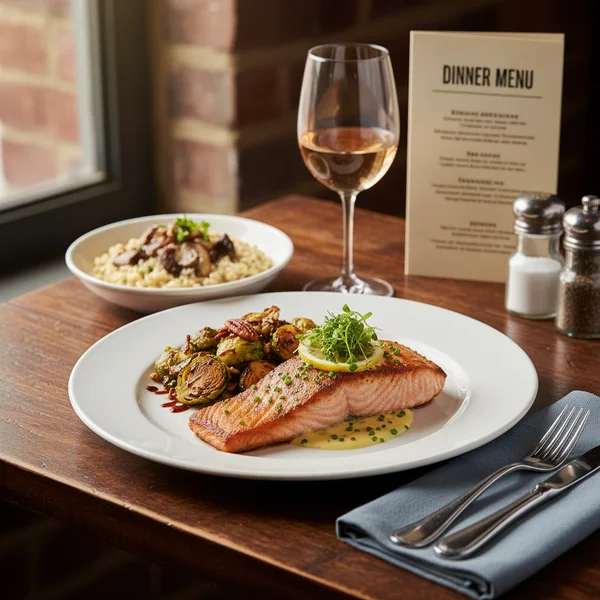
Going out to eat offers a unique blend of convenience and social engagement, but it requires a conscious balance of nutritional awareness and financial planning to ensure a positive long-term experience.
The Social and Psychological Benefits of Dining Out
The primary appeal of going out to eat lies in the atmosphere. Unlike eating at home, where the environment is familiar and often associated with chores, a restaurant provides a curated space designed for relaxation and enjoyment. This change of scenery can have a significant impact on mental well-being. It provides a dedicated time for face-to-face interaction, free from the distractions of household responsibilities like washing dishes or managing a complex recipe.
Psychologically, the act of being served creates a sense of indulgence. When you sit down at a table, you are essentially outsourcing every step of the food production process. You do not have to worry about the prep time required to chop vegetables or the stress of timing different components of a meal so they finish at the same time. This allows for a deeper focus on conversation and the flavors of the food. Furthermore, restaurants often provide access to cuisines that require specialized equipment or ingredients that are difficult to find at a local grocery store, turning a simple meal into an educational experience.
Research suggests that dining out can also strengthen social bonds. Breaking bread with others has been a communal tradition for millennia, and the modern restaurant serves as the contemporary “village hearth.” Whether it is a business lunch, a romantic date, or a family gathering, the shared experience of tasting new dishes creates lasting memories. The variety of options available means that every person can find something that suits their palate, reducing the friction often found in home-cooked meals where one person’s dietary preference might dictate the entire menu.
Comparing the Economics: Restaurant Dining vs. Home Cooking
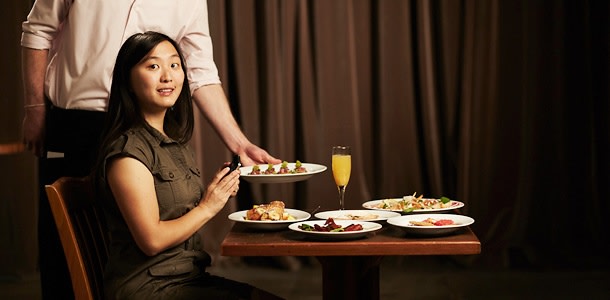
When considering the frequency of going out to eat, financial impact is usually the first concern. It is a well-known fact that dining at a restaurant is more expensive than preparing food at home. However, the cost comparison is not always straightforward. When you pay for a meal at a restaurant, you are paying for more than just the raw ingredients. You are covering the labor of the chefs, the service of the waitstaff, the rent of the building, and the utility costs associated with high-heat cooking.
To understand the value, one must look at the cost per servings. A standard restaurant meal might cost three to five times more than the same dish made in your own kitchen. For example, a pasta dish that costs $20 at a local bistro might only require $4 worth of ingredients if prepared at home. However, this ignores the value of your time. If a specific recipe requires a prep time of 45 minutes and a cooking time of an hour, the “cost” of that meal includes your labor. For many busy professionals, the convenience of avoiding instructions and cleanup justifies the higher price tag of the restaurant.
| Factor | Home Cooking | Going Out to Eat |
|---|---|---|
| Ingredient Cost | Low (Bulk savings possible) | High (Marked up for overhead) |
| Labor/Time | Significant (Prep & Cleanup) | Minimal (Service included) |
| Experience | Familiar/Comfortable | Novel/Social |
| Skill Level | Limited by cook’s ability | Professional grade |

Despite the higher costs, there are ways to manage a budget while going out to eat. Many establishments offer “happy hour” specials, lunch menus with smaller servings at a lower price point, or loyalty programs. By strategically choosing when and where to dine, you can enjoy the perks of the restaurant industry without compromising your financial goals.
The Nutritional Landscape: Managing Calories and Health
One of the biggest challenges of going out to eat regularly is the impact on health. Restaurants are businesses designed to make food taste as delicious as possible, which often means an increased use of butter, oil, salt, and sugar. Consequently, a single restaurant meal can sometimes contain more calories than a person needs for an entire day. Unlike cooking at home, where you have total control over the ingredients, a restaurant kitchen is often a “black box” regarding nutritional content.
Studies have shown that people tend to underestimate the calories in restaurant meals by as much as 20% to 50%. This is compounded by the fact that restaurant servings are typically much larger than the recommended portion sizes. A standard plate of nachos or a large gourmet burger can easily exceed 1,500 calories before you even consider the calories in drinks or desserts. However, many modern restaurants are becoming more transparent, providing nutritional information on their menus or websites.
To maintain a healthy lifestyle while going out to eat, it is essential to be a proactive diner. Look for keywords on the menu that indicate healthier preparation methods, such as “grilled,” “steamed,” or “roasted,” rather than “fried,” “breaded,” or “creamy.” You can also ask for dressings and sauces on the side, allowing you to control exactly how much you consume. Another effective strategy is to ask for a “to-go” box at the start of the meal and immediately pack away half of the servings, ensuring you don’t overeat simply because the food is in front of you.
Bridging the Gap: Bringing the Restaurant Experience Home
Sometimes, the desire for a restaurant-quality meal doesn’t align with the desire to leave the house. This has led to the rise of the “home bistro” movement, where home cooks attempt to recreate the experience of going out to eat in their own dining rooms. Achieving this requires more than just following a recipe; it requires attention to detail and a focus on high-quality ingredients.
If you want to replicate a favorite restaurant dish, start by deconstructing it. Identify the key flavors—is it the acidity of a lemon-butter sauce or the smoky depth of a charcoal grill? While the instructions for a professional dish might seem intimidating, most can be broken down into manageable steps. Pay close attention to the prep time; restaurants often do hours of “mise en place” (preparing ingredients) before a single plate is served. By doing your chopping and measuring in advance, you can reduce the stress of the actual cooking time and focus on the technique.
To truly mimic the experience of going out to eat, don’t forget the non-food elements. Clear the clutter from your table, light a few candles, and put on a curated playlist. Even if the meal itself is simple, the effort put into the presentation and atmosphere can make a home-cooked dinner feel like a special event. This approach allows you to enjoy the best of both worlds: the high-quality taste of a professional meal with the comfort and cost-effectiveness of staying at home.
The Future of the Dining Experience
The landscape of going out to eat is constantly evolving, driven by technology and changing consumer preferences. In recent years, we have seen a massive shift toward digital integration. From QR code menus to mobile payment systems, the physical interactions of dining are being streamlined. While some miss the traditional touch of a physical menu, these innovations often lead to faster service and fewer errors in ordering.
Furthermore, the “fast-casual” sector has exploded in popularity. These establishments bridge the gap between traditional fast food and full-service restaurants, offering high-quality ingredients and customizable servings without the need for a tip-based service model or a long wait time. This caters to the modern diner who values quality but has a limited amount of time for their meal. As the industry continues to adapt, the core essence of going out to eat remains the same: a desire for delicious food, convenience, and a break from the routine of daily life.
Expert Tips for a Better Dining Experience
To truly master the art of going out to eat, one must look beyond the menu. Professional food critics and industry insiders often use specific strategies to ensure they get the best possible experience every time they visit a new establishment. First, consider the timing. Mid-week dining (Tuesday through Thursday) often results in a more attentive staff and a less rushed atmosphere compared to the frantic pace of a Saturday night.
Additionally, do not be afraid to communicate with your server. If you have a specific dietary restriction or simply a strong preference, a good restaurant will be happy to accommodate you if they are informed early. Finally, keep an eye on the “specials.” While sometimes used to move older inventory, specials are often where the chef gets to be most creative, using the freshest seasonal ingredients that didn’t make it onto the permanent menu.
- Check online reviews but focus on the most recent ones to get an accurate picture of current service quality and menu consistency.
- When ordering for a group, consider “family style” dining to taste more dishes and better manage the total cost per person.
- Always make a reservation for peak hours to avoid the psychological fatigue of waiting in a crowded lobby.
Going out to eat is a multifaceted experience that serves as a vital escape from the mundane. By understanding the balance between cost, nutrition, and convenience, you can transform a simple meal into a highlight of your week. Whether you are navigating a high-end menu or enjoying a quick bite at a local cafe, the keys to success are mindfulness and a willingness to explore. Remember that the best dining experiences are those where the food, the company, and the environment come together to create something truly special. Next time you head out, use these insights to choose wisely and savor every bite.