Journey of Food From Farm to Plate: Ultimate Guide
Every time we sit down to a meal, we are participating in a global symphony of biology, logistics, and culinary art. The journey of food from farm to plate is a sophisticated narrative that begins with a single seed and concludes in our kitchens. Understanding this lifecycle is more than a lesson in agriculture; it is an exploration of how resources, labor, and time coalesce to provide us with nourishment. In this comprehensive guide, we will trace the path of our nourishment, highlighting how raw components transform into the meals we love, while examining the vital steps that ensure the safety, quality, and flavor of every bite.
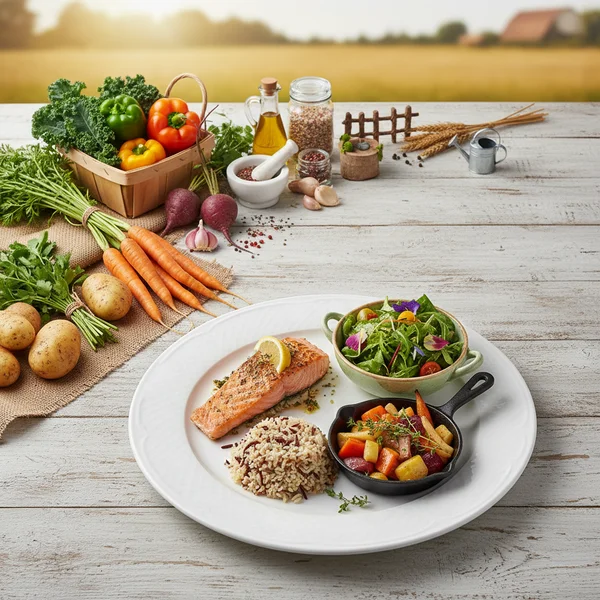
The food supply chain is a multi-step process involving cultivation, harvesting, processing, and distribution, all of which influence the final quality, nutritional value, and safety of the ingredients we use in our daily cooking.
The Foundation of Flavor: Agriculture and Harvesting
The journey begins in the soil. Whether it is a stalk of wheat, a crisp apple, or a head of kale, the quality of our food is dictated by the environment in which it grows. Farmers manage complex ecosystems, balancing soil health, water access, and pest control to ensure that the primary ingredients of our future meals are nutrient-dense. This stage is where the potential of a recipe is first established. If the soil lacks minerals, the resulting produce will be less flavorful and offer fewer vitamins, regardless of how skilled a chef might be.
Harvesting is a critical window in the journey of food from farm to plate. Timing is everything. Picking produce too early may lead to a lack of sweetness, while picking too late results in spoilage. Modern agriculture uses a mix of traditional knowledge and high-tech sensors to determine the exact moment of peak ripeness. Once harvested, the “clock” begins. For many vegetables, the sugar content starts converting to starch the moment they are detached from the vine, which is why rapid cooling and transportation are essential to maintaining the “farm-fresh” quality consumers crave.
Processing and the Logistics of Freshness
After leaving the field, food enters the processing and distribution phase. This stage is often invisible to the consumer, yet it is responsible for making ingredients accessible. Processing can be as simple as washing and bagging salad greens or as complex as milling grain into flour. During this phase, food is sorted by size and quality. Produce that doesn’t meet aesthetic standards for the grocery store shelf is often diverted to become frozen ingredients or pre-cut components for convenience-focused products. This helps reduce waste and ensures that every part of the harvest is utilized.
Logistics play a massive role in the modern food system. The “cold chain”—a temperature-controlled supply chain—is what allows a consumer in a cold climate to enjoy tropical fruits or fresh seafood. Cold storage facilities and refrigerated trucks maintain the integrity of the food, slowing down the natural degradation process. This logistical mastery ensures that when you look at the ingredients for a complex recipe, those items have traveled hundreds or even thousands of miles while remaining safe for consumption. Without this infrastructure, our culinary diversity would be strictly limited to local, seasonal availability.
Designing the Perfect Recipe: From Market to Kitchen
Once the food reaches the retail environment, the journey shifts from a macro-logistical scale to a personal one. Selecting ingredients is the first step in the actual cooking process. A well-constructed recipe relies on the synergy between different food groups. When we shop, we are looking for the best representations of those ingredients to ensure our instructions lead to a successful outcome. The transition from the grocery bag to the cutting board is where the culinary journey truly accelerates.
In the kitchen, we take over the role of the processor. This is where “prep time” becomes a factor. Preparing ingredients—peeling, chopping, marinating—is essentially the final stage of the food’s transformation. Effective preparation respects the journey the food has taken; for instance, using proper techniques to retain the nutrients that the farmer worked so hard to cultivate. When we follow specific instructions, we are honoring the chemical properties of the ingredients, using heat and seasoning to unlock flavors that have been developing since the seed was first planted in the earth.
The Science of the Meal: Cooking Time and Servings
The final transformation occurs during the actual cooking process. This is where heat is applied to change the molecular structure of our ingredients. Understanding cooking time is vital, as overcooking can destroy delicate vitamins and alter the texture, while undercooking can pose safety risks. The heat of a pan or oven is the final “processing” step in the journey of food from farm to plate. It is here that raw fibers soften, proteins denature, and sugars caramelize, creating the sensory experience we associate with a “home-cooked meal.”
Beyond the flavor, we must consider the functional aspects of the meal, such as servings and portion control. Modern recipes provide guidance on servings to help families manage their intake and reduce food waste. By understanding the density of the food we are preparing, we can better appreciate the energy it provides. The culmination of this long journey—from a sun-drenched field to a steaming plate—is the moment of consumption, where the labor of hundreds of individuals finally fulfills its
Mindful Consumption: Calories and Nutritional Integrity
In the modern era, our journey doesn’t end with the taste; it extends to how the food affects our bodies. Evaluating calories and nutritional content is a key part of contemporary food literacy. Every calorie represents the energy that was captured by plants via photosynthesis or processed through livestock. When we look at the nutritional label or a recipe’s health breakdown, we are seeing the “receipt” of the food’s journey. High-quality soil and minimal processing usually result in food that is more nutrient-dense per calorie, providing better value for our health.
Maintaining nutritional integrity throughout the journey is a collaborative effort. Farmers use sustainable practices to keep minerals in the soil, distributors use refrigeration to prevent vitamin loss, and cooks use specific instructions—like steaming instead of boiling—to keep those nutrients intact. Being mindful of this journey encourages us to choose ingredients that are not only delicious but also ethically sourced and biologically potent. It transforms the act of eating from a mindless routine into a conscious appreciation of the global food system.
Expert Tips for Maximizing Food Quality
To truly honor the journey of food from farm to plate, one must be an informed participant in the final stages of the process. Experts suggest focusing on seasonality; buying produce when it is naturally in season ensures it hasn’t spent an excessive amount of time in storage, which preserves both flavor and vitamins. Additionally, understanding the “source” can change how you handle food. For example, heirloom varieties of vegetables may require different cooking times than standard commercial varieties due to differences in water content and fiber density.
Another professional recommendation is to minimize the “dead time” between the market and the fridge. Thermal bags for transport can help maintain the cold chain even on the drive home. When it comes to preparation, professional chefs often suggest “mise en place”—having all ingredients prepped and ready before the heat is turned on. This ensures that the cooking time is precise and that no ingredient is over-exposed to heat while you are still chopping another. These small habits preserve the hard work done by everyone earlier in the food’s long journey.
- Store ethylene-producing fruits like bananas away from green leafy vegetables to prevent premature wilting and spoilage.
- To preserve the most nutrients, use cooking methods like roasting or sautéing rather than boiling, which can leach vitamins into the water.
- Always check the “packed on” date rather than just the “best by” date to get a true sense of the ingredient’s age and freshness.
The journey of food from farm to plate is a remarkable testament to human ingenuity and the resilience of nature. From the initial planting of ingredients to the final instructions followed in a kitchen, every step is vital for ensuring a meal is safe, delicious, and nutritious. By understanding this process, we can make more informed choices at the market, reduce waste in our homes, and develop a deeper respect for the resources required to fill our plates. Next time you prepare a meal, take a moment to consider the incredible distance and effort those ingredients have traveled to reach you.
❓ Frequently Asked Questions
1
How long does farm-fresh food last in the fridge?
Most farm-fresh produce lasts between five to seven days when stored correctly in the refrigerator. Unlike supermarket items that sit in transit, farm-to-table ingredients are often picked at peak ripeness, meaning they have a shorter shelf life but offer significantly higher nutrient density and much better natural flavor.


2
Can I make farm-to-table meals ahead of time?
Yes, you can certainly prepare components of farm-to-table meals ahead of time to save on cooking time during the week. Blanching fresh vegetables or prepping grains allows you to maintain the integrity of the ingredients while ensuring you have healthy, ready-to-eat options available for your busy daily schedule.
3
What can I substitute for local ingredients?
If specific local ingredients are unavailable, you can substitute with frozen organic options which are often flash-frozen shortly after harvest. This preserves the ‘farm to plate’ quality. Alternatively, look for seasonal produce with similar textures or flavor profiles to ensure your recipe remains balanced and delicious throughout the year.
4
How do I know when the journey of food is done?
The journey concludes when the food reaches your plate and is ready for consumption. You know the process was successful when the ingredients maintain their vibrant color, firm texture, and aromatic smell. Proper cooking instructions ensure that the hard work of the farmer is honored through a perfectly prepared meal.
5
Can I freeze farm-fresh produce?
Freezing is an excellent way to extend the journey of food. Most vegetables should be blanched before freezing to stop enzyme activity, which preserves color and nutrients. This allows you to enjoy the taste of summer harvest during winter months while maintaining a high standard of home-cooked nutrition.