Difference Between Cold Press Juicer and Centrifugal: Best Guide
Deciding to upgrade your wellness routine often starts with a single, vibrant glass of juice. However, as you stand in the appliance aisle, you are faced with a pivotal choice: the slow, methodical cold press juicer or the lightning-fast centrifugal model. Understanding the difference between cold press juicer and centrifugal machines is essential for anyone looking to maximize their daily intake of vitamins and minerals. While both appliances aim to transform raw produce into a liquid goldmine of nutrition, their mechanical processes, juice quality, and even the sound they make in your kitchen couldn’t be more different. Whether you are seeking a hydrating morning ritual or a quick, refreshing snack, the technology you choose dictates the shelf-life and nutrient density of every sip.
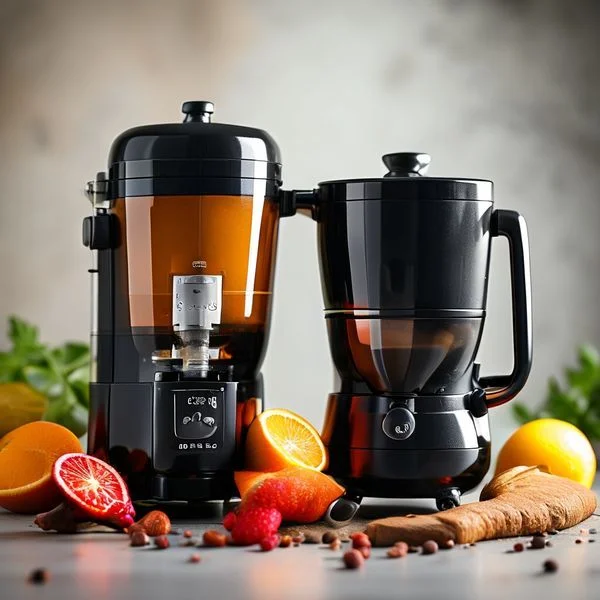
The Cold Press (Masticating) Juicer is the superior choice for health enthusiasts seeking maximum nutrient extraction and longer shelf life. However, the Centrifugal Juicer wins for those on a tight budget who prioritize speed and convenience over maximum yield.
Comparison Table
| Feature | Cold Press (Masticating) | Centrifugal (High Speed) |
|---|---|---|
| Extraction Method | Slow-turning auger (crushing) | High-speed spinning blades |
| Juice Quality | High (minimal oxidation) | Moderate (higher oxidation/foam) |
| Leafy Green Yield | Excellent | Poor |
| Operation Noise | Quiet and steady | Loud (like a blender) |
| Preparation Time | Higher (small feed chutes) | Minimal (wide feed chutes) |
| Juice Shelf Life | Up to 72 hours | Consume immediately |
| Price Range | Higher Investment ($200 – $600) | Budget-friendly ($50 – $150) |
Detailed Analysis
To truly grasp the difference between cold press juicer and centrifugal options, we must look at the science of extraction. Centrifugal juicers are the most common household variety. They operate using a flat cutting blade that spins at incredibly high speeds (often between 6,000 and 14,000 RPM). This centrifugal force pushes the pulp through a sharp screen, separating the liquid. While this is incredibly efficient for hard fruits like apples or carrots, the high-speed spinning generates heat and introduces a significant amount of oxygen into the juice. This leads to rapid oxidation, causing the juice to separate and lose its refreshing, hydrating qualities quickly. If you don’t drink centrifugal juice immediately, it can lose its vibrant color and nutritional potency within minutes.
In contrast, a cold press juicer, also known as a masticating juicer, uses a slow-turning screw or auger to crush and squeeze produce against a mesh screen. Operating at a mere 40 to 80 RPM, this method mimics the human chewing motion. Because there is no high-speed friction, the juice remains chilled and stable. This “cold” process preserves sensitive enzymes and antioxidants. Furthermore, cold press machines are far superior at handling fibrous materials. If you enjoy juicing kale, spinach, or wheatgrass, a cold press machine will extract significantly more liquid than a centrifugal model, which often flings leafy greens into the pulp bin before they can be properly processed.
When comparing these to a standard blender, it is important to remember that juicers are designed to remove insoluble fiber entirely. A blender keeps the whole fruit, including the pulp, which creates a thicker consistency. However, for those who want a concentrated burst of nutrients that enters the bloodstream rapidly, juicing is the preferred route. If you find your juice too concentrated, you can always pour it over ice or add a splash of chilled alkaline water to make it more hydrating. Cold press juicers also allow for more versatility; many models can process frozen fruits to create sorbets or even grind nuts into butter, whereas centrifugal machines are strictly for liquid extraction.

When to Choose Each
Choosing a Cold Press Juicer: This is the ideal option for the dedicated “health nut” or anyone planning a multi-day juice cleanse. If you prefer to “batch juice” on a Sunday evening to have refreshing drinks ready for the work week, the cold press is your only viable option. Its ability to keep juice fresh for up to three days without significant nutrient degradation is a game-changer for busy schedules. It is also the best choice if you prioritize quiet mornings; while a centrifugal juicer sounds like a loud blender, a masticating juicer is quiet enough to use while others are sleeping.
Choosing a Centrifugal Juicer: This is the go-to for the “on-the-go” individual who wants a quick glass of juice before heading out the door. If you have a limited budget and want to see if juicing fits into your lifestyle before committing to a high-end machine, start here. Centrifugal juicers handle large chunks of produce, meaning you spend less time chopping and more time drinking. It’s perfect for making a fast, hydrating base for a cocktail or a chilled afternoon pick-me-up where immediate consumption is the goal. Just remember to drink it fast to enjoy the peak flavor!
If your goal is to juice leafy greens or celery regularly, invest in a Cold Press Juicer. The increased yield and nutrient quality will pay for the machine over time through savings on produce. However, if you only juice occasionally and prefer hard fruits like apples and ginger, a high-quality Centrifugal Juicer offers the best bang for your buck.
Conclusion
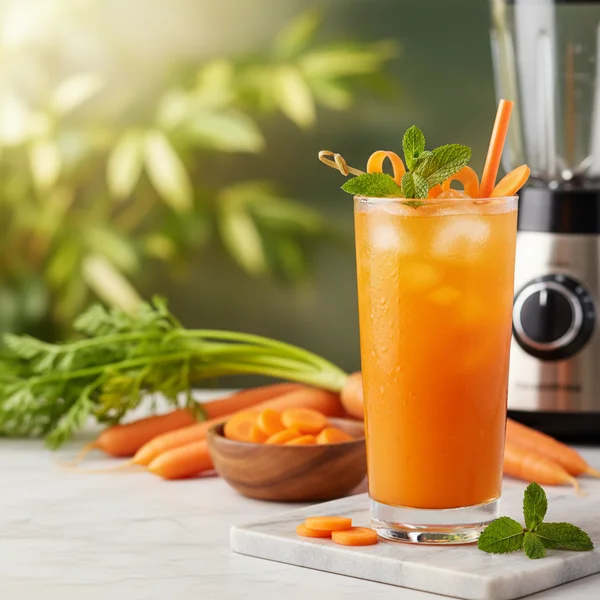
The difference between cold press juicer and centrifugal technology ultimately comes down to your lifestyle priorities: speed versus quality. If you value a quiet kitchen and the highest possible nutrient density for your hydrating beverages, the cold press juicer is a worthy investment. However, if you need a refreshing drink in under two minutes and don’t mind the extra noise, a centrifugal juicer serves as an excellent entry point. Regardless of your choice, serving your creation in a chilled glass with a fresh mint garnish will ensure your journey into juicing is as enjoyable as it is healthy.
❓ Frequently Asked Questions
1
How long does cold press juice last in fridge?
Cold-pressed juice stays fresh for up to 72 hours when stored in an airtight glass container. Because the extraction process minimizes heat and oxidation, the juice remains hydrating and nutrient-dense longer than juice made with a centrifugal machine or a standard kitchen blender.
2
Can I make juice ahead of time?
Yes, you can make cold-pressed juice up to three days in advance. To keep it refreshing, fill your storage container to the very top to minimize air exposure. Centrifugal juice should be consumed within 24 hours as it oxidizes much faster due to the high-speed blades.
3
What can I substitute for a juicer?
A high-speed blender is the most common substitute for a juicer. To get a juice-like consistency, blend your produce with water and then strain the mixture through a nut milk bag or fine-mesh sieve. Serve over ice with a citrus garnish for a professional look.
4
How do I know when my juice is done?
Juicing is complete when the pulp being ejected feels relatively dry and no more liquid is dripping from the juice outlet. For the best flavor, stir the collected juice to combine different layers of produce before pouring it into a glass to enjoy.
5
Can I freeze fresh juice?
You can freeze fresh juice for up to three months in freezer-safe containers. For a convenient hydrating snack, freeze the juice in ice cube trays. You can add these juice cubes to a blender for a quick slushy or use them to chill other drinks without dilution.