Is V8 Juice Good for Your Liver? Healthy Guide
V8 juice can be beneficial for liver health because it is packed with antioxidants like lycopene and essential vitamins from vegetables like tomatoes, beets, and carrots. These nutrients help reduce oxidative stress and inflammation in the liver. However, the high sodium content in the original version can be a drawback. To maximize the liver-boosting benefits, opt for the Low Sodium version, which provides the vitamins without the risk of fluid retention or blood pressure spikes.
How V8 Juice Supports Liver Function and Health
When examining whether V8 juice is good for your liver, it is essential to look at the profile of the vegetables included in the blend. The primary ingredient in most V8 varieties is tomato juice, which is one of the world’s best sources of lycopene. Lycopene is a powerful antioxidant that has been studied for its ability to protect the liver from DNA damage and reduce the accumulation of fat, which is particularly beneficial for those concerned about non-alcoholic fatty acid liver disease.
Beyond tomatoes, the juice typically contains a blend of carrots, celery, beets, parsley, lettuce, watercress, and spinach. Each of these ingredients offers unique liver-supporting properties. For instance, beets contain betalains, which help the liver neutralize toxins and support the natural detoxification process. The leafy greens provide a refreshing dose of chlorophyll, which can help filter heavy metals and other impurities from the bloodstream, taking some of the heavy lifting off the liver’s metabolic workload.
Maintaining a hydrating environment is another critical factor for liver health. The liver requires adequate fluid to process nutrients and flush out waste products efficiently. Drinking a chilled glass of vegetable juice contributes to your daily fluid intake, keeping the body well-hydrated. However, the nutritional context matters. While the vitamins are excellent, the liver’s health is also tied to how much sodium the body processes. Excess salt can lead to inflammation and scarring in the liver over time. Therefore, while V8 provides a concentrated dose of plant-based phytonutrients, the “Low Sodium” variety is far superior for anyone looking to use this beverage as a tool for organ health.
How to Prepare a Liver-Boosting V8 Cooler
While you can certainly drink V8 straight from the bottle, creating a custom vegetable cooler can make the experience more enjoyable and enhance the nutritional value. By using a blender and a few fresh additions, you can turn a simple juice into a powerhouse of hydration.
Step 1: Choose Your Base
Start with a base of Low Sodium V8 juice. This ensures you are getting the vegetable benefits without the excessive salt. Pour about 8 to 12 ounces into a high-speed blender. If you want a more hydrating experience, you can dilute the juice with a splash of coconut water, which adds potassium.
Step 2: Add Temperature and Texture
To make the drink truly refreshing, add a handful of ice to the blender. If you prefer a texture more like a frozen slushie, use more ice and blend on high until the mixture reaches a smooth, frosty consistency. This is especially pleasant during warm months when maintaining a chilled internal temperature is a priority for comfort and hydration.
Step 3: Enhance with Fresh Ingredients
Boost the liver-cleansing properties by adding half a squeezed lemon or a small knob of fresh ginger into the blender. Lemon provides Vitamin C, which helps the liver produce glutathione, a compound essential for neutralizing toxins. Ginger acts as an anti-inflammatory agent that supports digestive health, which is closely linked to liver function.
Step 4: Blend and Serve
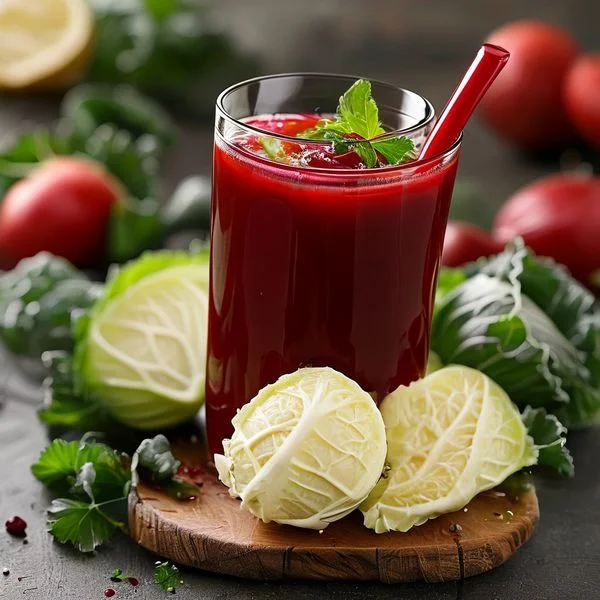
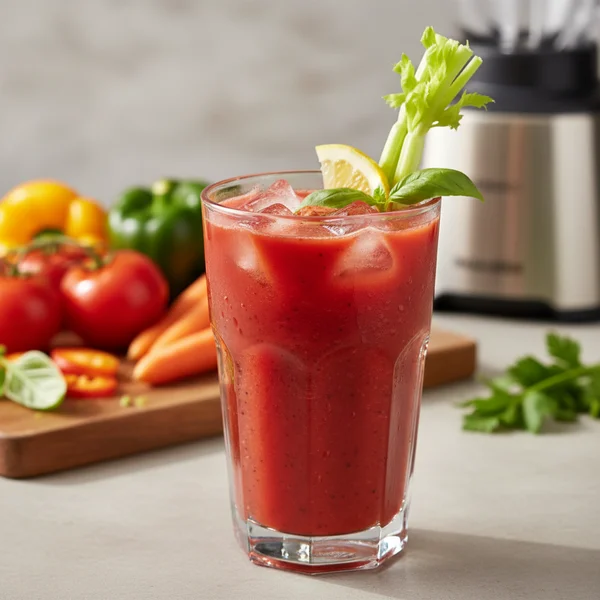
Pulse the blender until the ingredients are fully integrated. Pour the vibrant red liquid into a tall glass. For an extra touch, use a garnish of fresh parsley or a celery stalk. Parsley is not just for decoration; it is highly alkalizing and rich in antioxidants.
Step 5: Enjoy Mindfully
Drink the mixture slowly. Taking your time allows your digestive enzymes to begin the process of breaking down the nutrients, ensuring your liver receives the maximum benefit from the vitamins and minerals present in the juice.
Important Considerations for Liver Health and Vegetable Juices
While V8 juice offers many benefits, there are several factors to keep in mind to ensure you are supporting your liver without causing accidental harm. The most significant concern is the sodium content. A single serving of original V8 can contain nearly 30% of the recommended daily allowance for sodium. For individuals with existing liver conditions, such as cirrhosis, high sodium intake can lead to a dangerous buildup of fluid in the abdomen (ascites) and legs (edema).
Another consideration is the lack of fiber. When vegetables are juiced, the insoluble fiber is removed. Fiber is crucial for the liver because it helps regulate blood sugar levels and prevents the rapid absorption of sugars that can lead to fat deposits in the liver. If you rely solely on juice for your vegetable intake, you are missing out on the “scrubbing” effect that fiber has on the digestive tract. It is always best to view V8 as a supplement to a diet rich in whole, solid vegetables rather than a replacement.
Furthermore, be wary of “fruit-blend” V8 varieties. While the original vegetable blend is low in sugar, some of the fruit-based versions can be high in fructose. High fructose consumption is directly linked to an increased risk of fatty liver disease. Always read the label to ensure you are consuming a vegetable-heavy beverage rather than a sugar-laden fruit drink. Finally, if you are on blood-thinning medication, consult your doctor, as the high Vitamin K content in green vegetables found in V8 can interfere with these drugs.
- Always choose the “Low Sodium” or “Essential Antioxidants” version of V8 to minimize salt intake while maximizing liver-protective vitamins.
- Turn your juice into a meal-starter by adding a pinch of black pepper; piperine in pepper can help increase the bioavailability of certain nutrients in the juice.
- Keep your V8 chilled in the back of the refrigerator to maintain the best flavor and preserve the integrity of the heat-sensitive vitamins.
- Try making V8 “ice cubes” and adding them to your blender when making a savory smoothie to keep the drink frozen and concentrated without watering it down.
Conclusion
V8 juice is a convenient and effective way to increase your intake of liver-friendly antioxidants like lycopene, beta-carotene, and Vitamin C. When consumed in its low-sodium form, it serves as a hydrating and refreshing beverage that supports the body’s natural detoxification pathways. By combining it with other fresh ingredients in a blender and serving it chilled with a healthy garnish, you can create a daily ritual that promotes long-term organ health. However, remember that no single beverage is a magic cure; the best results for your liver come from a balanced diet, regular hydration, and a lifestyle that prioritizes whole foods alongside your favorite vegetable juice.
❓ Frequently Asked Questions
1
How long does V8 juice last in fridge?
Once opened, a bottle of V8 juice typically lasts about 7 to 10 days in the refrigerator. Always ensure the cap is tightly sealed and check for any off-smells or changes in texture before consuming to ensure you receive the maximum freshness and nutritional value from the drink.
2
Can I make a V8-style juice at home?
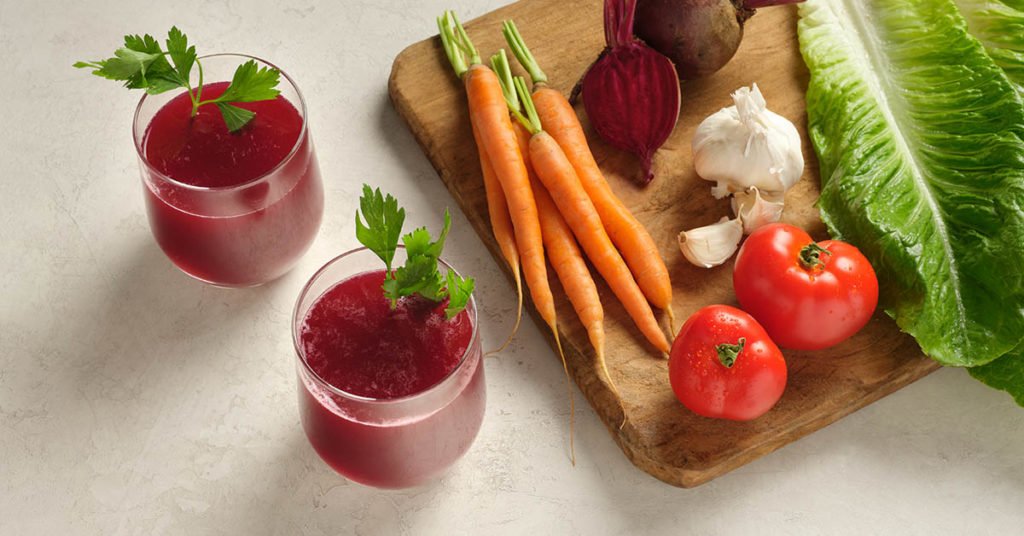
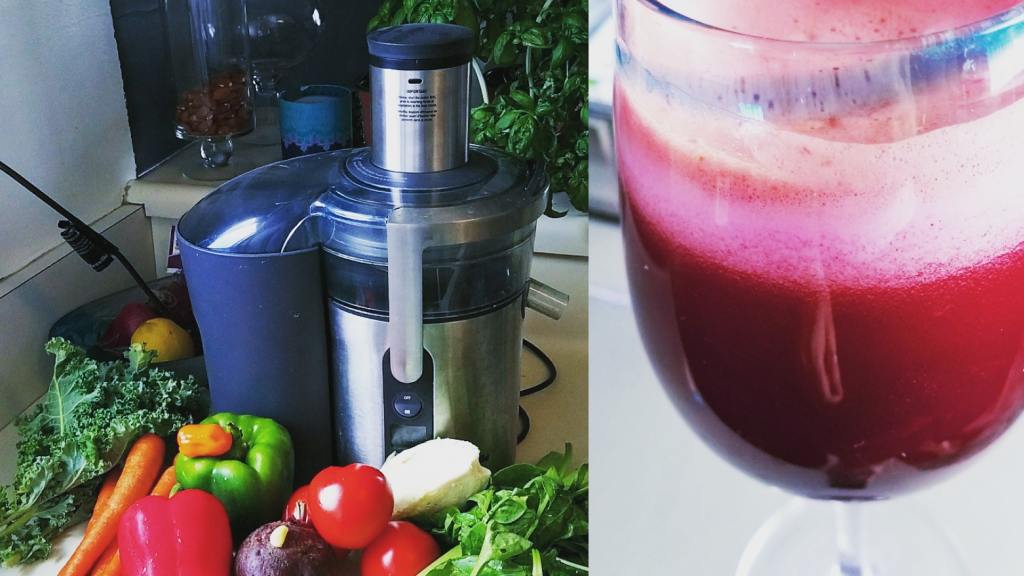
Yes, you can create a homemade version using a high-speed blender or juicer. Combine tomatoes, carrots, celery, beets, parsley, lettuce, watercress, and spinach. Making it at home allows you to control the sodium levels and ensures you are getting the most hydrating, nutrient-dense beverage possible without any added preservatives.
3
What can I substitute for V8 juice?
You can substitute V8 with fresh tomato juice, a homemade green vegetable blend, or other low-sodium vegetable juice brands. Look for options that prioritize whole vegetables and avoid added sugars or excessive preservatives to maintain the refreshing health benefits similar to the original commercial vegetable juice blend.
4
How do I know when V8 juice is spoiled?
Check the ‘best by’ date on the bottle, but also look for signs of spoilage such as a sour smell, mold around the rim, or an unusually thick or fizzy texture. If the container is bulging, discard it immediately, as this indicates bacterial growth and fermentation inside the bottle.
5
Can I freeze V8 juice for later?
You can freeze V8 juice for up to 3 months for long-term storage. To maintain quality, leave some headspace in the container as the liquid expands when frozen. Thaw it in the refrigerator and give it a good shake or a quick whirl in the blender before serving over ice.