Cold Pressed Juice Myth: Ultimate Truth & Guide
The health and wellness world has long been captivated by the vibrant hues and sleek packaging of cold-pressed beverages. For many, these drinks represent the gold standard of liquid nutrition, often accompanied by a premium price tag and claims of miraculous health benefits. However, as the trend has matured, a significant “cold pressed juice myth” has emerged, suggesting that this specific extraction method is the only way to truly unlock the nutritional power of fruits and vegetables. In reality, while cold-pressing offers unique advantages, it is just one of many ways to enjoy a refreshing and nutrient-dense drink. This article explores the science behind the hype, comparing different extraction methods and revealing what truly matters for your health and hydration.
While cold-pressed juice is a high-quality source of vitamins and minerals, the claim that traditional juicers or blenders “kill” nutrients through heat is largely exaggerated; the best choice depends on your specific fiber needs and lifestyle preferences.
Decoding the Cold Pressed Juice Myth: Heat and Oxidation
One of the most pervasive elements of the cold pressed juice myth is the idea that centrifugal juicers—the traditional high-speed machines—generate enough heat to destroy the enzymes and vitamins in the produce. Centrifugal juicers use a rapidly spinning metal blade to shred produce and then force the pulp against a mesh screen. While this process does create a small amount of friction, scientific studies have shown that the temperature increase is generally negligible, usually not rising enough to cause significant thermal degradation of nutrients.
The real enemy of fresh juice isn’t necessarily heat, but oxidation. When a centrifugal juicer spins at high speeds, it incorporates more air into the liquid. This oxygen exposure can lead to a faster breakdown of certain sensitive vitamins, like Vitamin C. Cold-pressed juicers, often called masticating or slow juicers, use a hydraulic press or a slow-turning screw to crush the produce. This method introduces less air, which is why cold-pressed juice can often be stored longer without separating or losing its vibrant color. However, if you are drinking your juice immediately, the difference in nutritional value between a high-speed juicer and a cold-press machine is minimal for the average consumer.
Furthermore, many people assume that “cold-pressed” means the juice has never been processed. In reality, most commercially sold cold-pressed juices undergo High-Pressure Processing (HPP). This involves subjecting the bottled juice to immense pressure to kill bacteria and extend shelf life. While HPP is a “cold” process that preserves more flavor than traditional heat pasteurization, it is still a form of processing that distinguishes bottled juice from something made fresh in your kitchen blender or juicer.
Fiber and the Blender Factor
When discussing the cold pressed juice myth, we must address the “missing ingredient” in almost all juicing methods: fiber. Juicing, regardless of whether it is cold-pressed or centrifugal, removes the insoluble fiber from the fruits and vegetables. This fiber is crucial for digestive health, regulating blood sugar levels, and maintaining a healthy gut microbiome. By removing the fiber, the natural sugars in the fruit are absorbed into the bloodstream much faster, which can lead to rapid spikes and crashes in energy.
This is where the blender becomes a powerful alternative. Unlike a juicer, a high-speed blender keeps the whole fruit or vegetable intact, pulverizing the fiber into a smooth consistency. A smoothie made in a blender provides a more sustained release of energy and keeps you feeling full for longer. If you find yourself reaching for a cold-pressed juice as a meal replacement, you might actually be better served by a blended beverage that includes the whole plant.
Many enthusiasts enjoy a hybrid approach, using a blender to create a base of leafy greens and frozen berries, then adding a splash of chilled juice for flavor. This ensures you receive the hydrating benefits of the juice along with the satiety and gut-health benefits of the fiber. Below is a quick comparison of the beverage types:
| Feature | Cold-Pressed Juice | Centrifugal Juice | Blended Smoothie |
|---|---|---|---|
| Fiber Content | Minimal/None | Minimal/None | High (Whole Plant) |
| Shelf Life | 3-5 Days (Fresh) | 24 Hours | 24-48 Hours |
| Oxidation Rate | Low | High | Moderate |
| Prep Speed | Slow | Fast | Fast |
Hydration, Experience, and the Art of the Chill
Regardless of the method you choose, the primary benefit of these beverages is that they are incredibly hydrating. In a world where many people struggle to drink enough water, a refreshing vegetable-based drink can be a delicious way to meet your fluid goals. To maximize the hydrating qualities of your drink, it is best served chilled. The temperature doesn’t just make the drink more palatable; it can also make the experience feel more like a treat rather than a health chore.
When making drinks at home, using ice is a versatile way to control texture and temperature. For those who find pure juice too intense or sugary, “cutting” the juice with ice or sparkling water creates a lighter, more refreshing spritzer. You can also use frozen fruit in your blender to create a thick, sorbet-like consistency that is perfect for hot afternoons.
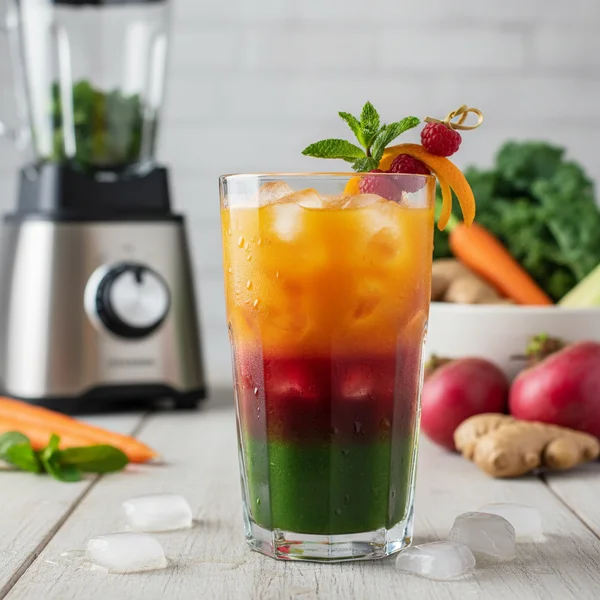
The aesthetic experience is also part of why we enjoy these drinks. A beautiful garnish—such as a sprig of fresh mint, a slice of cucumber, or a wedge of lime—can elevate a simple beverage into a spa-like experience. When a drink is visually appealing and served in a chilled glass, you are more likely to sip it slowly and mindfully, allowing your body to better signal when it is satisfied. This mindful consumption is often ignored in the “cold pressed juice myth” discussion, but it is a vital part of a healthy relationship with food and drink.
The Economic Reality of the Juicing Craze
Another layer of the cold pressed juice myth is the implied necessity of the high price point. Because cold-press machines are more expensive and the process is more time-consuming, the retail price of these juices is often double or triple that of standard juices. This has created a perception that “expensive equals healthier.” However, if the high cost of cold-pressed juice prevents you from consuming fresh produce regularly, then it is actually a barrier to health rather than a benefit.
It is much more effective to have a consistent habit of consuming whole fruits and vegetables or making affordable juices at home than to occasionally splurge on a luxury bottle. You can achieve excellent results with a mid-range blender or a standard centrifugal juicer. By focusing on seasonal produce and making your own chilled beverages, you can control the ingredients, avoid added sugars, and save a significant amount of money. The most “nutritious” juice is the one you actually drink consistently, not the one that sits in a fancy bottle at the store because it was too expensive to buy for the whole week.
Expert Tips for the Ultimate Beverage Experience
To get the most out of your juicing or blending routine, it helps to think like a professional. Experts suggest that the secret to a balanced drink is the ratio of vegetables to fruit. Aim for a 3:1 ratio of vegetables to fruits to keep the sugar content low while maintaining a pleasant flavor profile. For instance, a base of cucumber and celery provides a highly hydrating foundation, while a single apple or a handful of frozen pineapple adds just enough sweetness to make it refreshing.
Another insider tip is to pay attention to the order of operations. If you are using a blender, add your liquids first, followed by fresh produce, and finally your frozen items or ice. This helps the blades catch the ingredients more efficiently and prevents the motor from straining. If you are juicing, alternate between hard vegetables like carrots and soft leafy greens like spinach; the harder pieces help “push” the leaves through the mechanism, ensuring you get the maximum yield from your greens.
- Always add a squeeze of lemon or lime to your fresh juice; the acidity helps preserve the color and slows down the oxidation process.
- Don’t throw away the pulp! If you use a juicer, you can add the leftover vegetable pulp to soups, stews, or even muffin batters to reclaim that lost fiber.
- For a more refreshing texture, store your glasses in the freezer for 10 minutes before serving to keep your drink chilled for longer without diluting it with melting ice.
- Experiment with herbs like basil or cilantro as a garnish; they add a complex aromatic layer that makes simple vegetable juices taste gourmet.
In conclusion, the cold pressed juice myth has elevated a specific extraction method to a status that science doesn’t entirely support. While cold-pressing is an excellent way to produce a smooth, long-lasting juice with minimal oxidation, it is not the only path to wellness. Whether you prefer the fiber-rich profile of a drink from a blender, the quick convenience of a centrifugal machine, or the crisp taste of a cold-pressed bottle, the most important factor is the quality and variety of the produce you consume. Focus on hydration, keep your drinks chilled, and don’t be afraid to mix and match methods to find the refreshing routine that fits your lifestyle and budget. Take the first step today by blending a handful of greens with some ice and your favorite fruit for a simple, hydrating boost.
❓ Frequently Asked Questions
1
How long does cold pressed juice last in fridge?
Cold pressed juice typically stays fresh for 48 to 72 hours when stored properly in an airtight glass container. Because it undergoes no heat pasteurization, it is highly perishable. For the best taste and maximum nutrient retention, aim to consume your juice within the first 24 hours of preparation.
2
Can I make cold pressed juice ahead of time?
You can certainly make juice ahead of time, though immediate consumption is always ideal. If prepping for the week, fill your bottles to the very brim to reduce the amount of oxygen trapped inside. Keep it refrigerated at all times and give it a quick shake before drinking it.
3
What can I substitute for a cold press juicer?
A powerful blender is the most versatile substitute for a specialized cold press juicer. Simply blend your produce with a splash of water or ice until smooth, then pour the mixture through a nut milk bag or fine-mesh strainer. This creates a similar consistency while being much easier to clean.
4
How do I know when the juice is done?
Your juice is done when all liquid has been extracted and the remaining pulp feels dry to the touch. If you are using the blender method, ensure the mixture is completely liquefied without visible chunks before straining. The final result should be a smooth, vibrant, and incredibly refreshing beverage.
5
Can I freeze cold pressed juice?
Freezing is an excellent way to preserve juice for up to three months without losing significant nutrients. Use silicone freezer-safe containers or ice cube trays, leaving a little room for expansion. Thaw the juice in the refrigerator overnight and enjoy it as a hydrating treat or a smoothie base.