Can You Juice Mint? The Ultimate Refreshing Guide
Yes, you can juice mint, but it is rarely juiced on its own due to its low water content and intense potency. To extract the most liquid, you should “sandwich” the mint leaves between denser, high-moisture produce like cucumbers, apples, or lemons. Whether using a cold-press juicer or a high-speed blender, adding mint transforms a standard drink into a deeply refreshing, hydrating beverage packed with aromatic essential oils and digestive benefits.

Understanding the Science and Benefits of Juicing Mint
Juicing mint is a fantastic way to elevate the nutritional and sensory profile of your homemade beverages. Unlike juicing heavy fruits like oranges or watery vegetables like celery, mint belongs to the category of “low-yield” herbs. This means that if you were to put a handful of mint into a juicer by itself, you would likely only get a few concentrated drops of dark green liquid. However, those few drops are incredibly powerful.
The primary reason to juice mint is to capture its volatile oils, most notably menthol. Menthol is responsible for the signature cooling sensation that makes mint-infused drinks feel so refreshing. When you juice the leaves rather than simply steeping them, you break down the plant’s cellular structure more aggressively, releasing a higher concentration of these oils and chlorophyll into your drink. This results in a more vibrant flavor and a more immediate cooling effect on the palate.
From a practical standpoint, mint is a powerhouse for those looking for a hydrating boost. While the herb itself isn’t the primary source of hydration, its flavor profile encourages more fluid intake. Furthermore, mint has long been celebrated for its ability to soothe the digestive system. By incorporating it into a chilled juice, you are creating a functional beverage that can help alleviate bloating and indigestion while keeping you cool.
There are two main ways to process mint: using a dedicated juicer or a high-speed blender. A masticating juicer (cold-press) is generally superior for herbs because it slowly crushes the leaves, preventing heat-induced oxidation that can turn the mint bitter. If you opt for a blender, you are essentially creating a whole-food “smoothie juice” which can then be strained. This method is often preferred by those who want to ensure every bit of the mint’s essence is captured without wasting any leaves in a pulp bin.
A Step-by-Step Guide to Juicing Mint Properly
To get the most out of your mint, you cannot simply toss it into a machine and hope for the best. Because the leaves are light and thin, they can easily get stuck in the gears or be ejected into the pulp bin before they are fully processed. Follow these steps for maximum efficiency.
1. Clean and Prep the Herbs: Start by thoroughly rinsing your mint under cold running water. It is important to remove any grit or soil hidden in the crevices of the leaves. While you can juice the stems of young, tender mint, older woody stems can be quite bitter. For the best flavor, pluck the leaves from the tougher stalks.
2. The “Sandwich” Technique: If you are using a centrifugal or masticating juicer, the best way to extract mint juice is to bunch the leaves tightly into a small ball. Place this ball of mint between two pieces of high-moisture produce, such as half an apple and a cucumber slice. The denser produce acts as a plunger, pushing the mint through the blades or auger and ensuring the liquid is squeezed out rather than the leaves being thrown away as waste.
3. The Blender Method: If you don’t own a juicer, you can still achieve a similar result with a blender. Place your mint leaves in the blender along with a base liquid (like coconut water or plain water) and your other chosen fruits. Blend on high until the mixture is completely liquefied. To turn this into a true juice, pour the mixture through a fine-mesh strainer or a nut milk bag to remove the fibrous bits.
4. Chill and Serve: Freshly juiced mint is best enjoyed immediately. Pour your juice into a glass filled with ice to keep it chilled. The addition of ice not only keeps the drink cold but slightly dilutes the intense mint oil as it melts, making for a more balanced sipping experience.
5. Utilize the Garnish: Never underestimate the power of presentation. Save a few of the smallest, prettiest leaves to use as a garnish on top of your glass. This adds an olfactory element to the drink, as you smell the fresh herb every time you take a sip, enhancing the overall perception of freshness.
Important Considerations for Working with Fresh Mint
While juicing mint is straightforward, there are several common mistakes that can ruin a fresh batch of juice. The most significant issue is oxidation. Mint leaves contain enzymes that react with oxygen once the cell walls are broken. If left to sit for too long, your bright green juice will eventually turn a muddy brown color. To prevent this, add a source of vitamin C, such as lemon or lime juice, to your mixture. The acidity acts as a natural preservative and keeps the color vibrant.
Another consideration is the type of mint you choose. Spearmint is the most common variety used for juicing because it has a sweet, mellow flavor that pairs well with almost any fruit. Peppermint, on the other hand, is much more intense and contains higher levels of menthol. Peppermint can easily overwhelm a juice blend, so it should be used more sparingly.
Quantity is also key. Because mint is so potent, a little goes a long way. For a standard 16-ounce glass of juice, a small handful (about 10 to 15 leaves) is usually sufficient to provide a clear minty note without making the drink taste like toothpaste. If you find you have juiced too much, you can pour the excess into an ice cube tray and store it in the freezer. These frozen mint juice cubes can be dropped into water or tea later for a quick flavor boost.
Finally, be aware of the temperature. Heat is the enemy of fresh mint. If you are using a high-speed blender, the friction can generate enough heat to “cook” the delicate herbs slightly, changing their flavor profile. Always use cold water or add a few cubes of ice to the blender to keep the temperature down during the process.
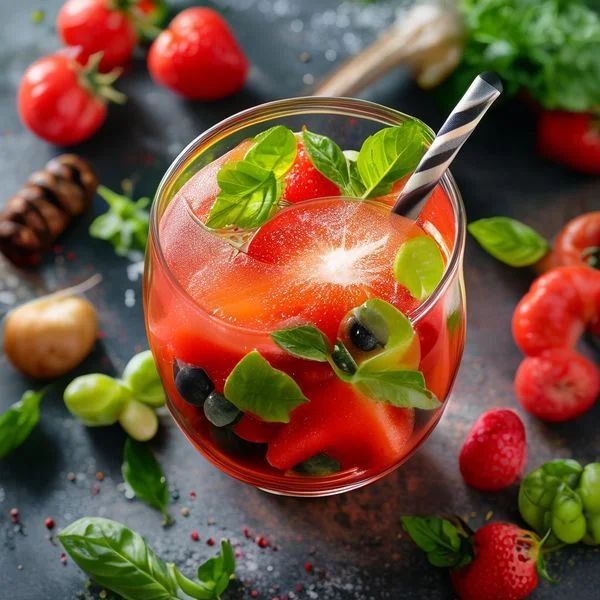
- Pair mint with watermelon and lime for the ultimate hydrating summer drink that mimics a virgin mojito.
- If your mint is starting to wilt, soak it in a bowl of ice water for 15 minutes before juicing to “wake up” the cells and increase juice yield.
- Use frozen mint leaves if you want to create a slushie-like consistency in your blender without needing as much extra ice.
- Always juice the mint toward the beginning of your juicing session so the subsequent watery vegetables can “wash out” any remaining mint oils from the machine.
Conclusion
Juicing mint is a simple yet highly effective way to transform your daily hydration routine. While the herb requires a bit of strategy to extract efficiently—primarily through the “sandwich” method or by using a high-powered blender—the results are well worth the effort. By combining mint with other hydrating ingredients and serving it chilled over ice, you create a beverage that is both physically cooling and nutritionally dense. Whether you use it as a primary flavor or a subtle garnish, fresh mint juice is a versatile addition to any healthy lifestyle.
❓ Frequently Asked Questions
1
How long does mint juice last in fridge?
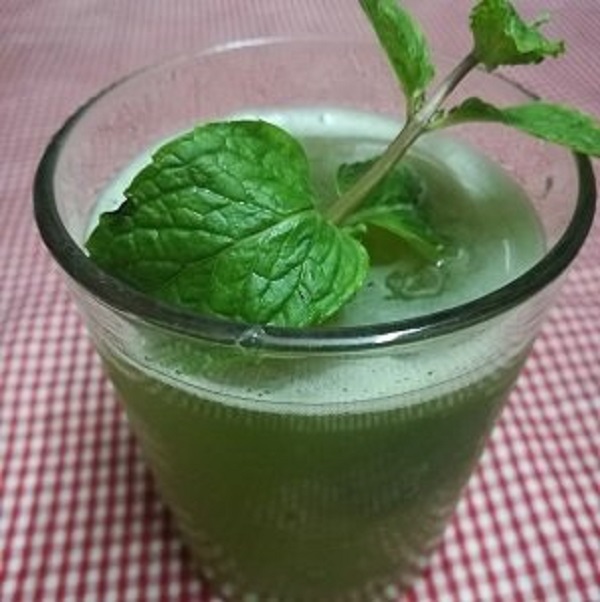
Fresh mint juice is best consumed immediately to enjoy its peak flavor and nutrients. However, you can store it in an airtight container in the refrigerator for up to 24 hours. If the color starts to turn dark or the aroma fades, it is past its prime.

2
Can I make mint juice ahead of time?
You can prepare mint juice a few hours in advance, but it may lose some of its vibrant green color due to oxidation. To keep it fresh, add a splash of lemon juice to act as a natural preservative and keep it chilled until you are ready.
3
What can I substitute for fresh mint?
If you do not have fresh mint, you can use peppermint or spearmint extract, though the flavor will be much more concentrated. For a similar herbal freshness, try juicing fresh basil or cilantro, which offers a different but equally refreshing profile for hydrating beverages.
4
How do I know when mint juice is done?
Mint juice is done once the leaves have been fully processed and the liquid is a bright, clear green. If using a blender, ensure the mixture is completely smooth before straining through a fine-mesh sieve or nut milk bag to remove any fibrous particles or pulp.
5
Can I freeze mint juice?
Yes, freezing mint juice is a great way to preserve it. Pour the juice into ice cube trays and freeze until solid. These minty ice cubes are perfect for adding to water, lemonade, or cocktails for a slow-release refreshing flavor without diluting your beverage.