What Percentage of Almond Milk Is Water: Expert Guide
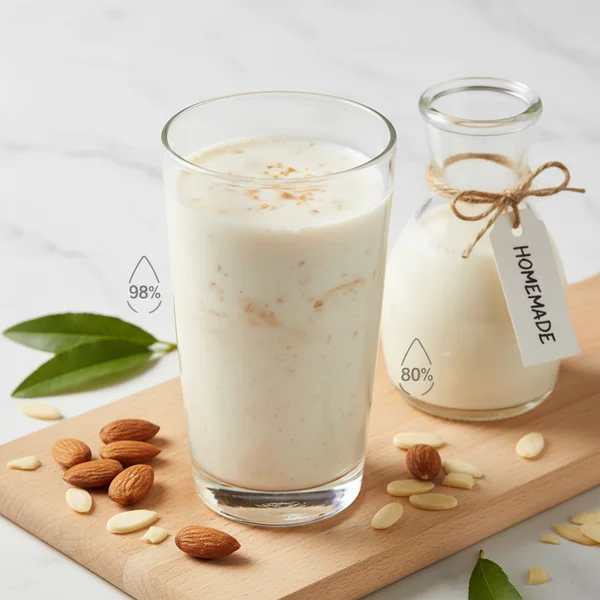
Most commercial almond milk consists of approximately 95% to 98% water, with almonds making up only 2% to 5% of the total volume. In contrast, a standard homemade recipe typically yields a much richer consistency, containing about 80% to 85% water and 15% to 20% almonds. This high water content is necessary to create a drinkable, milk-like consistency and to keep the calorie count low for mass-market consumption.

The Science and Production: Why Is Almond Milk Mostly Water?
To understand what percentage of almond milk is water, one must first look at the industrial manufacturing process. Commercial brands aim for a product that mimics the viscosity and mouthfeel of dairy milk while remaining shelf-stable and affordable. If a carton of almond milk contained 50% almonds, it would be a thick, paste-like concentrate rather than a beverage. Consequently, the vast majority of the carton is filtered water used to extract the flavor, fats, and proteins from the nut.
The standard industry ratio for commercial almond milk is roughly one cup of almonds for every 16 to 20 cups of water. During production, almonds are soaked, ground into a slurry, and then filtered to remove the solid pulp, known as pomace. What remains is a liquid emulsion of almond oils and water. Because so much of the almond’s fiber and solid mass is removed during this filtration process, the resulting liquid is incredibly dilute. This explains why a serving of commercial almond milk contains only about 30 to 60 calories, whereas a handful of raw almonds contains significantly more.
Another reason for the high water content is the inclusion of additives. Because the natural ratio of almonds to water is so low, the mixture would naturally separate or feel “thin” to the palate. Manufacturers compensate for the high water percentage by adding thickeners and emulsifiers like carrageenan, guar gum, or xanthan gum. These ingredients create a creamy texture that tricks the tongue into thinking the beverage is denser than its actual nutrient profile suggests.
Commercial vs. Homemade Water Ratios
If you have ever followed a homemade almond milk recipe, you likely noticed a stark difference in quality. A typical DIY instructions set suggests a ratio of one cup of almonds to three or four cups of water. In this scenario, the water percentage drops to roughly 80%. This results in a higher concentration of healthy fats, protein, and vitamin E, but it also increases the calories per servings. Homemade versions lack the heavy dilution found in store-bought cartons, which is why they taste significantly more “nutty” and possess a naturally thicker body without the need for chemical stabilizers.
How to Make High-Nutrient Almond Milk at Home
Creating your own almond milk allows you to control the water-to-nut ratio, ensuring you get more nutrients per glass. By reducing the water percentage, you increase the creaminess and flavor. Below is a comprehensive guide to crafting a high-quality batch that far exceeds the nutritional value of store-bought alternatives.
The Essential Ingredients
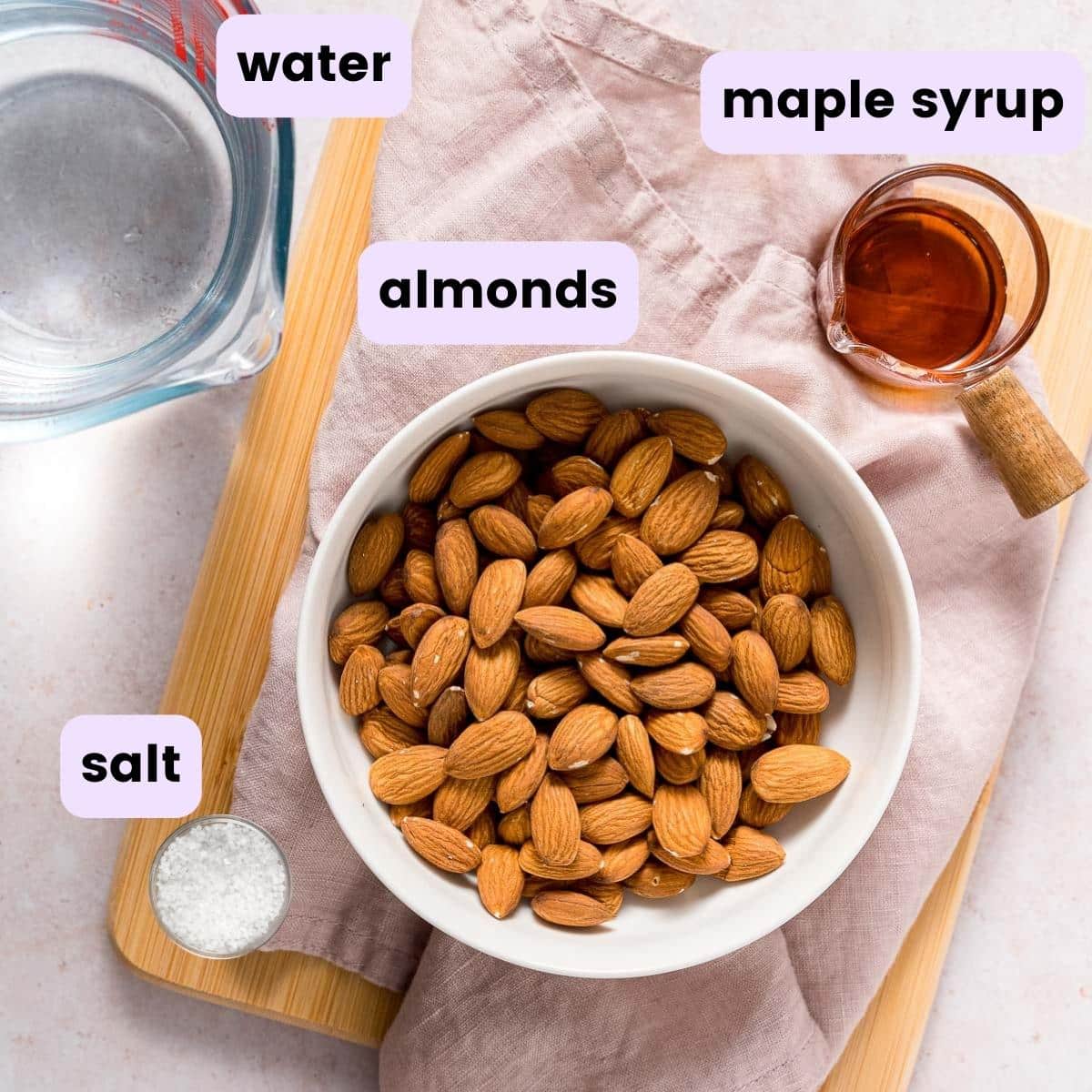
- 1 cup raw, organic almonds (unpasteurized if possible)
- 3 to 4 cups filtered water (for blending)
- 2 cups water (for soaking)
- A pinch of sea salt (optional, for flavor enhancement)
- Optional sweeteners: 2 dates or 1/2 tsp vanilla extract
Detailed Instructions
- Soaking the Almonds: Place the almonds in a bowl and cover them with two cups of water. Let them soak for at least 8 to 12 hours. This step is crucial as it softens the nuts and neutralizes phytic acid, making the nutrients easier for your body to absorb.
- Rinsing: Drain the soaking water and rinse the almonds thoroughly under cold running water. Discard the soaking water as it contains the bitter compounds released during the process.
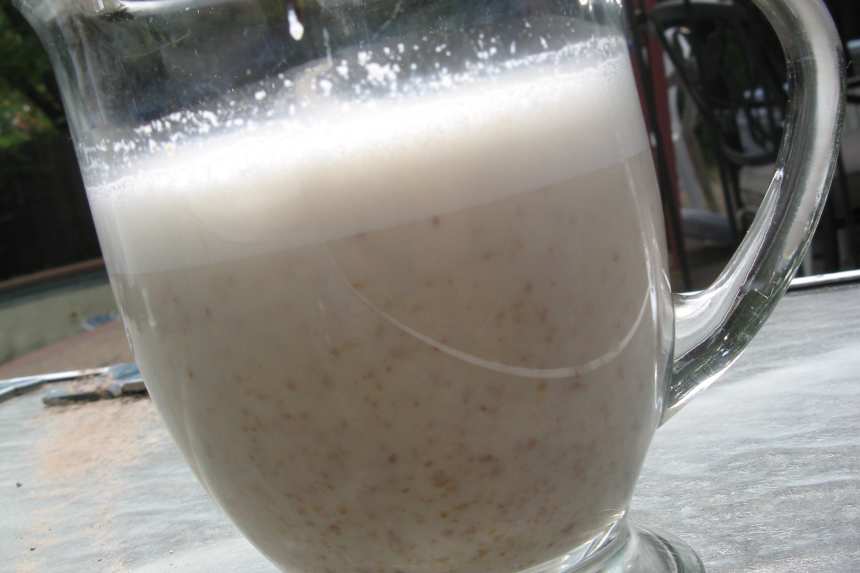
- Blending: Combine the soaked almonds, 3 to 4 cups of fresh filtered water, and any optional ingredients in a high-speed blender. Blend on high for 2 minutes until the mixture is white and frothy.
- Straining: Place a nut milk bag or a fine cheesecloth over a large bowl. Pour the blender contents into the bag. Squeeze the bag firmly with your hands to extract all the liquid. The dry pulp remaining in the bag can be saved for baking or composting.
- Storage: Pour the fresh milk into a glass jar and refrigerate immediately.
Recipe Metrics
When following this recipe, your prep time is approximately 10 minutes (after the 12-hour soak). There is zero cooking time involved, as this is a raw preparation. This batch typically yields about 4 servings, with each serving containing roughly 120-150 calories depending on the exact amount of water used.
Important Considerations for Almond Milk Consumers
When evaluating the water content in almond milk, it is important to consider how this affects your overall nutrition. Since commercial milk is mostly water, it is often “fortified” with synthetic vitamins. While the label may boast high levels of Vitamin D or Calcium, these are added back into the water base because the almonds themselves (at such low concentrations) cannot provide them.
Watch Out for Sugars: Because the high water content can leave the milk tasting bland, many manufacturers add significant amounts of cane sugar. An “Original” flavored carton may contain up to 7-10 grams of sugar per serving. To avoid this, always opt for “Unsweetened” varieties, which maintain the low calorie count without the glycemic spike.
Separation is Normal: Especially in homemade versions or “clean” store brands with no emulsifiers, the water and almond fats will naturally separate. This is a sign that the product has fewer chemical stabilizers. A simple shake of the bottle will reintegrate the ingredients before you pour it into your coffee or cereal.
Environmental Impact: Some consumers worry about the water footprint of almond milk. It takes about 1.1 gallons of water to grow a single almond. When you factor in the 95% water content in the final bottle, the environmental cost is significant. If you are environmentally conscious, making your own milk with a higher nut-to-water ratio ensures you are getting more “value” for the water used during the agricultural phase.
- Adjust for Texture: If you want a creamer for coffee, use a 1:2 ratio of almonds to water. For a light beverage to drink straight, a 1:4 ratio is best.
- Don’t Waste the Pulp: The leftover almond meal from your recipe can be dried in the oven at a low temperature to create almond flour.
- Shelf Life: Because homemade almond milk doesn’t have preservatives, it will only stay fresh for 3 to 5 days in the coldest part of your refrigerator.
- Flavor Boost: Adding a pinch of salt actually makes the milk taste sweeter by balancing the natural fats of the almond.
The Nutritional Reality of High Water Content
The high percentage of water in almond milk isn’t necessarily a bad thing, depending on your dietary goals. For individuals on a weight loss journey, the fact that almond milk is mostly water makes it an excellent low-calorie substitute for dairy milk. While cow’s milk contains natural sugars (lactose) and higher protein, the diluted nature of almond milk allows for a much lighter footprint in smoothies and lattes.
However, if you are looking for a protein source, the 95% water ratio in commercial brands will disappoint you. Most store-bought options contain only 1 gram of protein per serving, whereas whole almonds are a protein powerhouse. If protein is your priority, you are better off eating the whole nuts or making a very concentrated homemade version where the water percentage is kept to a minimum.
Conclusion
In summary, while the answer to “what percentage of almond milk is water” depends on the brand, the vast majority of commercial options are 95% to 98% water. Homemade versions are more concentrated, typically hovering around 80% water. Understanding this ratio helps you make informed decisions about your nutrition and grocery budget. For the best flavor and highest nutrient density, making your own almond milk with a controlled recipe is the superior choice. This ensures you get fewer additives and a richer, more authentic taste in every serving.
❓ Frequently Asked Questions
1
How long does almond milk last in fridge?
Homemade almond milk usually lasts between 3 to 5 days when stored in an airtight glass container in the coldest part of your refrigerator. Since it contains no preservatives or stabilizers, it will spoil faster than commercial brands, so it is best to make it in small batches for freshness.
2
Can I make almond milk ahead of time?
Yes, almond milk is perfect for making ahead of time as part of your weekly meal prep. While it may separate while sitting in the fridge, this is a natural process. Simply give the container a vigorous shake before pouring to recombine the ingredients and enjoy a smooth, creamy beverage.
3
What can I substitute for almonds?
If you are looking for a substitute, cashews are an excellent choice as they often don’t require straining. You can also use oats for a nut-free version or macadamia nuts for a richer, fattier milk. Each alternative will change the flavor profile and the percentage of water needed for balance.
4
How do I know when almond milk is done?
Your almond milk is ready once the liquid is completely white and opaque with a creamy consistency. If you are making it at home, ensure all almond fragments have been strained out through a fine cloth. The final product should be smooth on the palate without any grittiness or particles remaining.
5
Can I freeze almond milk?
You can freeze almond milk, but it is not recommended for drinking once thawed because the texture often becomes separated and grainy. However, frozen almond milk cubes are perfect for adding to smoothies or using in cooked recipes like oatmeal where the texture change is not as noticeable.