Best Fruits for Juicing: Ultimate Guide
Starting a juicing journey is one of the most effective ways to flood your body with essential vitamins, minerals, and antioxidants. However, not all produce is created equal when it comes to the extractor. Selecting the best fruits for juicing involves balancing sugar content, yield, and flavor profiles to create a drink that is both delicious and nutritionally dense. Whether you are looking for a morning energy boost or a post-workout recovery tonic, understanding which fruits provide the best base and which offer the most potent benefits is key. In this guide, we will rank the top contenders that should be staples in your kitchen, ensuring every glass you pour is a masterpiece of health.
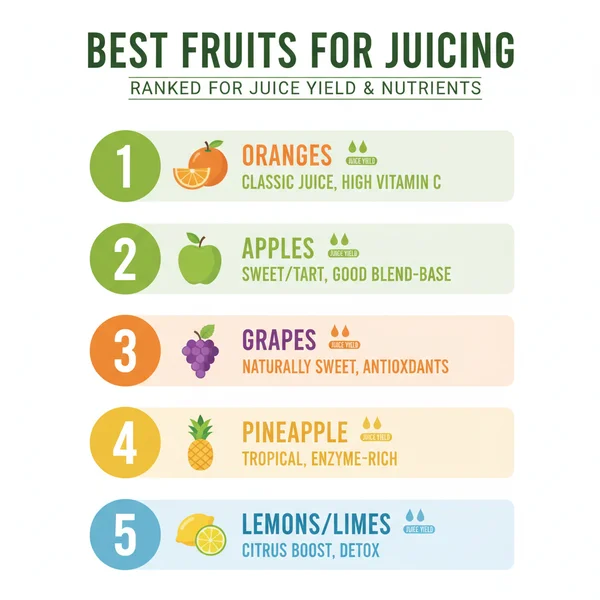
- Apples (The Ultimate Base)
- Oranges (Vitamin C Powerhouse)
- Pineapples (Anti-Inflammatory Tropical Treat)
- Lemons and Limes (The Flavor Brighteners)
- Watermelon (Hydration Hero)
- Pears (The Gentle Sweetener)
- Blueberries (Antioxidant King)
- Grapes (Natural Energy Source)
- Pomegranates (Heart Health Superfood)
- Grapefruit (Metabolism Booster)
The Complete List of Best Fruits for Juicing
#1: Apples
Apples are widely considered the gold standard for any juicing recipe because of their high juice yield and mild, sweet flavor that pairs well with almost any vegetable. They are rich in pectin, which aids digestion, and contain flavonoids that support heart health. When preparing your ingredients, you can leave the skin on for extra nutrients, but always remove the seeds as they contain small amounts of amygdalin. The prep time is minimal, usually taking only two minutes to slice into wedges. A medium apple adds approximately 95 calories to your drink, making it a perfect, sustainable base for your daily green juice routine.
#2: Oranges
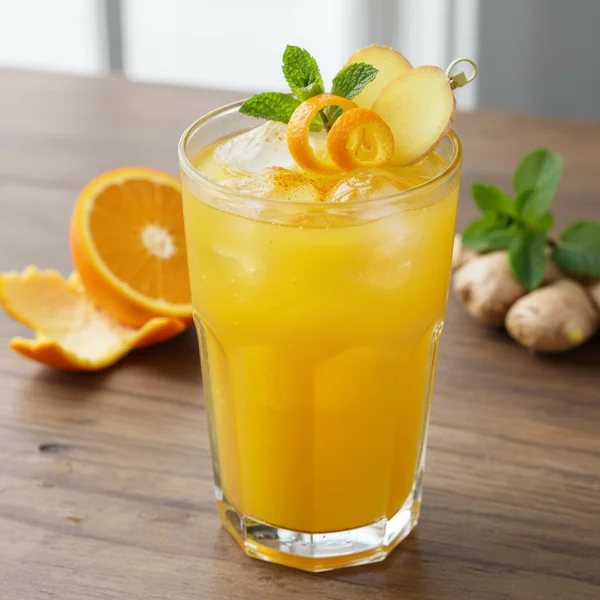
Oranges are the quintessential breakfast fruit, offering a massive dose of Vitamin C and a refreshing citrus zing. Unlike other fruits, oranges require a bit more prep time because the bitter white pith and outer zest should be removed to avoid an unpleasant taste, though a citrus press can save you the hassle. When following instructions for citrus juicing, aim for varieties like Valencia or Navel for the highest liquid volume. One large orange typically yields one of your daily servings of fruit and provides a burst of folate and potassium. Because there is no cooking time required, it is the fastest way to enjoy a fresh, preservative-free beverage.
#3: Pineapples
Pineapple is a tropical powerhouse that introduces a thick, frothy texture to your juices. It is the only major food source of bromelain, an enzyme that reduces inflammation and aids in protein digestion. While the prep time can be longer due to the tough outer skin, the core can actually be juiced for extra nutrients. A cup of pineapple juice contains about 130 calories, making it a more indulgent option. It is an essential component in any tropical recipe, masking the earthy taste of kale or spinach perfectly. Just be sure to follow the instructions for your specific juicer, as the fibrous texture can sometimes clog centrifugal models.
#4: Lemons and Limes
While you wouldn’t juice these to drink straight, lemons and limes are indispensable ingredients for balancing flavors. Their high acidity cuts through the bitterness of leafy greens and prevents oxidation, keeping your juice vibrant and fresh. They are very low in calories, adding only about 10 to 15 per fruit. Adding a squeeze of lime to a spicy ginger recipe creates a sophisticated palate. Since they require no cooking time and almost zero prep time other than a quick slice in half, they are the easiest way to “brighten” a dull vegetable blend. They also significantly boost the bioavailability of iron found in green vegetables.
#5: Watermelon
Watermelon is the ultimate hydrator, consisting of about 92% water. This leads to an incredible juice yield, where a single small melon can provide four to six servings of juice. It is rich in lycopene and L-citrulline, which helps with muscle recovery, making it a great post-workout choice. The prep time involves removing the heavy rind, though many modern juicers can handle the nutrient-rich white part of the rind as well. Because it is so liquid-heavy, the instructions for juicing are simple: just feed it through slowly. At only 30 calories per 100 grams, it allows you to enjoy a large, satisfying drink without caloric guilt.
#6: Pears
Pears are often overlooked but are fantastic for those with sensitive stomachs. They have a lower acidity level than apples and provide a silky, smooth consistency to any recipe. Pears are high in Vitamin K and copper, which are essential for bone health and immune function. When choosing your ingredients, look for Bartlett or Anjou varieties for the best juice flow. The prep time is nearly identical to an apple, requiring only a quick wash and a rough chop. One medium pear contains roughly 100 calories and provides a mellow sweetness that doesn’t overpower other delicate flavors like cucumber or mint in a blended drink.
#7: Blueberries
Known as an antioxidant “superfood,” blueberries add a deep purple hue and a complex tart-sweet flavor to your glass. While they have a lower yield than watery fruits, they are packed with anthocyanins that support brain health. For the best recipe results, juice them alongside a “carrier” fruit like an apple to help push the pulp through the machine. The prep time is non-existent—just a quick rinse. Because blueberries are low in calories (about 85 per cup) but high in nutrients, they are a frequent addition to anti-aging wellness protocols. These tiny berries transform a standard juice into a gourmet experience with minimal effort.
#8: Grapes
Grapes are nature’s candy and produce a very sweet, thin juice that kids and adults alike will love. Red and purple grapes contain resveratrol, the same heart-healthy compound found in red wine. When following instructions for juicing grapes, it is best to leave them on the stems if using a high-quality masticating juicer, as the stems contain additional polyphenols. They provide a quick energy boost, though they are higher in calories and sugar than citrus. Using grapes as one of your main ingredients ensures a high-yield liquid that requires no cooking time and acts as a natural sweetener for bitter greens like dandelion or kale.
#9: Pomegranates
Pomegranate juice is legendary for its heart-health benefits and ability to improve blood flow. While the prep time can be significant because you must extract the arils from the tough skin, the results are worth the effort. The juice is rich in punicalagins, which are potent antioxidants. Most instructions for pomegranate juicing suggest using a manual citrus press to avoid the bitterness of the white membranes. One cup of arils yields about half a cup of juice, providing two concentrated servings of nutrients. It is a high-impact fruit that adds a luxurious, deep red color and a sophisticated, astringent finish to any juice blend.
#10: Grapefruit
For those looking to support weight management and metabolic health, grapefruit is a top-tier choice. Its unique bitter-sweet profile is incredibly refreshing, especially in the summer. Grapefruit is high in Vitamin A and C and has a very high water content, ensuring a great yield for your recipe. Ensure you follow instructions regarding medication interactions, as grapefruit can affect how certain drugs are processed. With only 52 calories per half fruit, it is a lean addition to a morning routine. Prep time is quick; simply peel and quarter. It serves as a fantastic wake-up call for the digestive system and pairs beautifully with a hint of ginger.
How to Choose the Best Fruits for Your Juicer
Choosing the right fruits for juicing is an art that requires looking beyond just the flavor. First, consider the water content. Fruits like watermelon, oranges, and apples provide the bulk of your liquid, while denser fruits like berries and bananas (which should actually be blended, not juiced) offer more concentrated nutrients but less volume. Always prioritize organic produce when possible, especially for fruits where you juice the skin, such as apples and pears, to avoid pesticide residue.
Another selection criterion is ripeness. Under-ripe fruit can be tart and provide less juice, while over-ripe fruit may be too soft and create a “mush” that clogs your machine rather than a clean liquid. Look for fruit that is firm but yields slightly to pressure. Also, think about the glycemic load. If you are watching your sugar intake, balance high-sugar fruits like grapes and pineapples with lower-sugar options like lemons, limes, or green apples. By selecting a variety of colors and textures, you ensure a diverse range of phytonutrients in every recipe you create.
- Alternate Textures: When juicing, alternate between soft fruits (like berries) and hard fruits (like apples) to help clear the juicer’s screen and maximize yield.
- Drink Immediately: To get the most out of the enzymes and vitamins, try to consume your juice within 15-20 minutes of extraction before oxidation occurs.
- Don’t Waste Pulp: Save the fruit pulp to use in baking ingredients like muffins or fruit leather to keep the fiber in your diet.
Conclusion
Juicing is a powerful habit that can transform your health, one glass at a time. By utilizing the best fruits for juicing—starting with the reliable apple and branching out into exotic pineapples or pomegranates—you can create endless flavor combinations that satisfy your palate and your body’s nutritional needs. If you are a beginner, we recommend starting with a simple apple and orange recipe to get a feel for your machine. Once you are comfortable, start experimenting with different ingredients to find your perfect blend. Happy juicing!
❓ Frequently Asked Questions
1
How long does fresh juice last in the fridge?
Freshly pressed juice is best consumed immediately, but it can be stored in an airtight glass container for up to 48 hours. Oxidation begins quickly, so keeping the container full to minimize air exposure helps preserve the nutrients and vibrant color of your homemade juice recipe.
2
Can I make juicing easier with prep time?
Reducing your daily prep time is easy if you wash and chop your ingredients in advance. Store your pre-cut fruits in airtight containers in the refrigerator. This makes following your favorite juice recipe much faster during busy mornings when you need a quick and healthy nutrient boost.
3
What are the instructions for juicing hard fruits?
When juicing hard fruits like apples, the instructions usually recommend feeding them slowly into the chute. This prevents the motor from overheating and ensures you get the maximum amount of liquid. Always remove large pits or stones from fruits like peaches before you begin the juicing process.
4
How do I know when the juice is done?
You will know the process is complete when the flow of liquid from the machine slows to a stop and the pulp appears dry. Since there is no cooking time involved, the entire process is very fast, usually taking less than five minutes from start to finish.
5
Can I freeze fresh fruit juice?
Yes, you can freeze fresh juice for up to three months in freezer-safe containers. Leave some space at the top for expansion. While it is always best fresh, freezing allows you to prepare large batches of your favorite recipe and enjoy them at your convenience later on.