Benefits of Drinking Apple Juice: Ultimate Guide
When it comes to fruit juices that have stood the test of time, few can rival the universal appeal of apple juice. From lunchboxes to brunch tables, this golden nectar is more than just a sweet treat; it is a powerhouse of plant compounds and essential nutrients. Understanding the benefits of drinking apple juice goes beyond simply quenching your thirst. This beverage serves as a concentrated source of the phytonutrients found in whole apples, offering a convenient way to boost your daily intake of vitamins and minerals. In this guide, we will explore the science-backed advantages of including this beverage in your diet, how it supports various bodily functions, and the best ways to prepare it to maximize its nutritional value.
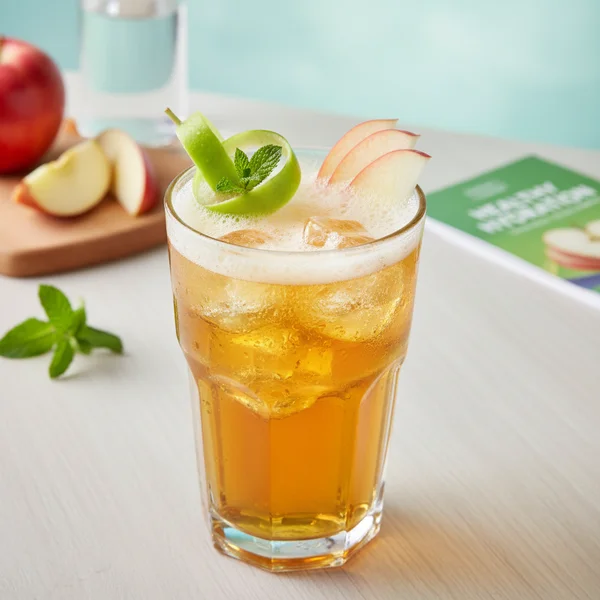
Apple juice is exceptionally effective for maintaining hydration and providing a quick boost of energy through natural sugars and electrolytes, while its rich antioxidant profile supports heart and brain health.
Hydration and Electrolyte Balance
One of the most immediate benefits of drinking apple juice is its incredible ability to keep the body hydrating and functional. Apple juice consists of approximately 88% water, making it an excellent fluid source for those who find plain water unappealing. Beyond just water content, it contains essential minerals known as electrolytes, specifically potassium. Potassium is vital for maintaining proper fluid balance within cells, supporting nerve signals, and ensuring consistent muscle contractions.
For individuals recovering from mild illness or those looking for a post-workout recovery drink, apple juice can be a gentler alternative to heavy sports drinks. When served chilled, it provides a refreshing sensation that encourages consistent fluid intake. Pediatricians often recommend diluted apple juice for children to prevent dehydration during minor bouts of stomach upset, as the natural sugars provide a small energy boost while the water content replenishes lost fluids. To make it even more enticing on a hot day, pouring the juice over a glass full of ice ensures that every sip remains crisp and cool.
Rich Source of Plant Compounds and Antioxidants
Apples are famous for being rich in polyphenols, which are plant compounds that protect the body from oxidative stress. When apples are juiced, particularly if they are processed into “cloudy” juice, many of these beneficial compounds remain. These antioxidants, such as quercetin and procyanidins, play a significant role in reducing inflammation throughout the body. By neutralizing free radicals, these compounds help protect cells from damage that can lead to chronic diseases.
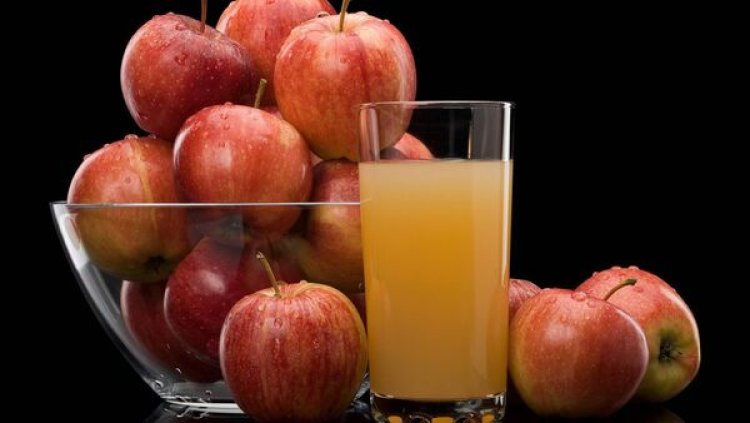
Research suggests that the polyphenols in apple juice may specifically help in protecting the lining of the cardiovascular system. Regular consumption has been linked to lower levels of “bad” LDL cholesterol oxidation. When LDL cholesterol oxidizes, it is more likely to build up in the arteries, leading to atherosclerosis. By drinking apple juice, you are providing your body with the tools necessary to maintain clearer, more flexible blood vessels. Below is a comparison of the key nutrients found in a standard serving of apple juice:
| Nutrient | Benefit |
|---|---|
| Vitamin C | Supports immune function and skin health. |
| Potassium | Regulates heart rhythm and fluid balance. |
| Polyphenols | Reduces oxidative stress and inflammation. |
| Natural Sugars | Provides a quick source of metabolic energy. |
Supporting Cognitive Function and Brain Health
The benefits of drinking apple juice extend to the brain, offering potential protection against age-related cognitive decline. Studies have indicated that apple juice may help preserve acetylcholine, a neurotransmitter that is essential for memory and overall brain health. As we age, levels of acetylcholine tend to decrease, which is a factor often associated with Alzheimer’s disease. Animal studies have shown that subjects fed apple juice performed better on maze tests and exhibited less oxidative damage to brain tissue compared to those who were not.
Furthermore, the high concentration of antioxidants helps to combat the neuroinflammation that can impair cognitive speed. While eating the whole fruit is always beneficial for fiber, the juice provides a concentrated dose of these brain-boosting chemicals that are easily absorbed by the digestive system. For those looking to maintain mental sharpness as they get older, incorporating a glass of fresh-pressed apple juice into a balanced diet could be a delicious and proactive strategy.
Digestive Health and Metabolic Support
While apple juice lacks the high fiber content of a whole apple, it still contains malic acid, which can aid in digestion and support liver function. Malic acid is known to help soften gallstones and improve the overall flow of bile, which is necessary for the breakdown of fats. Additionally, the hydration provided by the juice helps keep the digestive tract moving smoothly, preventing the sluggishness often associated with dehydration.
When you prepare your own juice at home using a blender and then straining it, you can often retain more of the pectin than commercial clear juices. Pectin is a soluble fiber that can help regulate blood sugar levels by slowing down the absorption of glucose. Even in juice form, the natural malic acid and trace minerals contribute to a healthy metabolic environment. For an extra digestive kick, some people enjoy mixing their apple juice with a splash of ginger or lemon, which adds a refreshing zing and further stimulates digestive enzymes.
Creative Ways to Enjoy Apple Juice at Home
To truly maximize the benefits of drinking apple juice, the method of preparation and serving matters. While store-bought options are convenient, making it at home allows you to control the quality of the fruit and avoid added sugars or preservatives. Using a high-speed blender to liquefy whole apples (with the cores removed) and then passing the mixture through a fine-mesh sieve or nut milk bag results in a “cloudy” juice that is far superior in nutrient density compared to clear, processed varieties.
For a sophisticated presentation, serve the juice in a tall glass with plenty of ice and a beautiful garnish such as a cinnamon stick or a thin slice of green apple. If you want a more treat-like experience, you can take frozen apple juice cubes and blend them into a slushie for a healthy alternative to sugary sodas. This method keeps the beverage chilled for longer and provides a wonderful texture that kids and adults alike will enjoy. You can even use apple juice as a base for smoothies, pairing it with leafy greens or berries to create a nutritional powerhouse that is as tasty as it is healthy.
Expert Tips for Maximizing Nutritional Value
When selecting apples for your juice, experts recommend choosing organic varieties whenever possible, as apples frequently appear on the “Dirty Dozen” list for pesticide residue. Furthermore, different apple varieties offer different nutrient profiles. For instance, Granny Smith apples tend to be lower in sugar and higher in certain phytonutrients compared to sweeter varieties like Fuji or Gala. Mixing different types of apples can create a more complex flavor profile while providing a broader range of antioxidants.
Another professional tip is to consume the juice shortly after it has been prepared. Exposure to air and light causes the juice to oxidize, which can degrade the Vitamin C and polyphenol content over time. If you must store it, use an airtight glass container and keep it in the back of the refrigerator where it is coldest. Adding a squeeze of lemon juice not only prevents the juice from browning but also adds a dose of Vitamin C that acts as a natural preservative, keeping your beverage refreshing and nutrient-dense for a longer period.
- Always leave the skin on when using a blender to make juice, as the peel contains the highest concentration of antioxidants and quercetin.
- To create a frozen treat, pour apple juice into popsicle molds and add a mint leaf garnish for a healthy summer snack.
- If buying commercial juice, always look for labels that say “unfiltered” or “cloudy” to ensure you are getting the most plant compounds possible.
Conclusion
The benefits of drinking apple juice make it a standout choice in the world of beverages. From its superior hydrating properties and heart-healthy antioxidants to its potential to protect cognitive function, it offers a wealth of health advantages in every glass. Whether you enjoy it chilled over ice, blended into a smoothie, or as a refreshing morning ritual, apple juice is a versatile and nutrient-rich addition to any diet. By choosing high-quality apples and preparing your juice thoughtfully, you can turn this simple drink into a powerful tool for long-term wellness.
❓ Frequently Asked Questions
1
How long does fresh apple juice last in fridge?
Freshly made apple juice typically lasts about 2 to 3 days in the refrigerator when stored in an airtight glass container. Because it lacks preservatives, it oxidizes quickly, so it is best consumed within 24 to 48 hours to ensure you get the maximum nutritional value and flavor.
2
Can I make apple juice ahead of time?
Yes, you can make apple juice ahead of time, but it is best enjoyed immediately. If you must prepare it in advance, add a splash of lemon juice to prevent browning and store it in the coldest part of your fridge. Shake well before serving as settling naturally occurs.
3
What can I substitute for a juicer?
If you don’t have a juicer, you can use a high-powered blender. Simply blend chopped apples with a little water until smooth, then strain the mixture through a fine-mesh sieve or cheesecloth. This method allows you to enjoy fresh juice without needing specialized kitchen equipment or expensive tools.
4
How do I know when apple juice is spoiled?
You can tell apple juice has gone bad if it develops a sour smell, an off-flavor, or visible mold. If the container appears bloated or the liquid becomes unusually cloudy or fizzy, it has likely fermented. Always discard any juice that shows these signs to avoid illness.
5
Can I freeze apple juice?
Absolutely! You can freeze apple juice in airtight containers or ice cube trays for up to six months. Leave some headspace in the container as the liquid expands when frozen. Thaw it in the refrigerator overnight and give it a good stir before drinking for the best quality.