Juice Peene Ke Fayde: Healthy & Refreshing Guide
In today’s fast-paced world, maintaining optimal health has become a priority for many, and one of the most effective ways to achieve this is through the inclusion of fresh juices in your daily diet. When we talk about juice peene ke fayde, we are referring to a powerhouse of vitamins, minerals, and antioxidants that are easily absorbed by the body. Unlike whole fruits that require significant digestion time, liquid nutrition provides an almost instantaneous energy boost. This guide explores the multifaceted benefits of fresh juices, ranging from improved digestion to radiant skin, and offers practical advice on how to prepare the perfect refreshing beverage at home. Whether you are looking to detoxify your system or simply stay hydrating throughout a hot summer day, understanding the nutritional profile of different juices is the first step toward a healthier lifestyle.

Drinking fresh juice daily provides a concentrated dose of essential nutrients that support immune function, enhance skin health, and promote efficient detoxification, making it a superior alternative to processed drinks.
The Core Nutritional Advantages: Juice Peene Ke Fayde
The phrase juice peene ke fayde is often associated with traditional wellness because liquid nutrients bypass long digestive processes. When you consume fresh juice, your body receives a direct infusion of phytonutrients. These compounds are essential for fighting oxidative stress and reducing inflammation. For instance, citrus juices are packed with Vitamin C, which is vital for collagen production and immune defense. Meanwhile, green juices derived from spinach or kale provide a dense source of Vitamin K and iron.
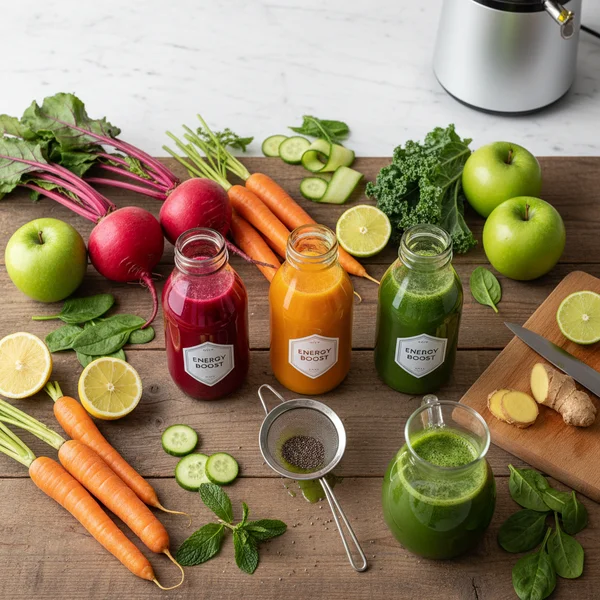
One of the primary benefits is the sheer volume of produce you can consume in one sitting. It is much easier to drink the essence of three carrots, an apple, and a stalk of celery than it is to eat them whole. This concentrated nutrition helps in filling dietary gaps that common modern meals often leave behind. Regular consumption can lead to improved metabolic rates and better weight management, provided the juices are made from whole ingredients without added sugars. Furthermore, the high water content in fresh produce ensures that your body remains adequately hydrated, which is essential for every cellular function.
Comparing Different Juice Types for Maximum Impact
Not all juices are created equal, and understanding the differences between fruit juices and vegetable juices is crucial for tailoring your health goals. While fruit juices are high in vitamins and provide a quick energy surge, vegetable juices are often lower in sugar and higher in minerals. A balanced approach usually yields the best results.
| Juice Category | Key Nutrients | Primary Benefit |
|---|---|---|
| Green Vegetable Juice | Chlorophyll, Iron, Magnesium | Detoxification & Alkalinity |
| Citrus Fruit Juice | Vitamin C, Flavonoids | Immunity & Skin Glow |
| Root Vegetable Juice | Beta-carotene, Nitrates | Stamina & Liver Health |
| Berry Juices | Antioxidants, Anthocyanins | Anti-aging & Heart Health |
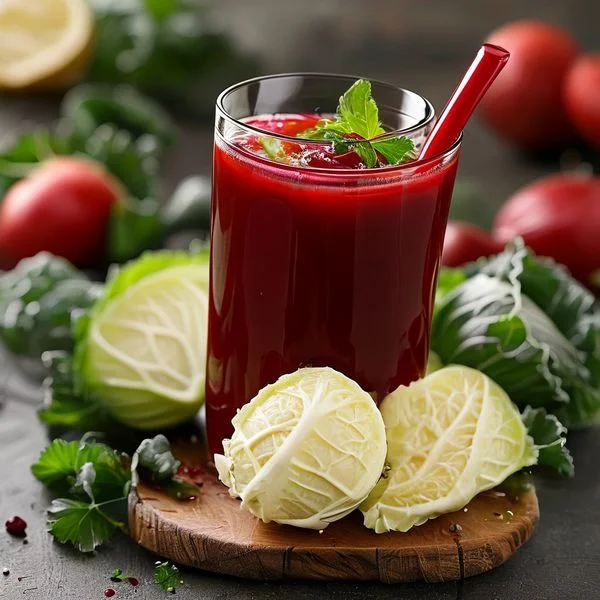
Incorporating a variety of colors into your juicing routine ensures a broad spectrum of health benefits. For example, beetroot juice is known for its ability to improve blood flow and lower blood pressure, while pomegranate juice is a heavy hitter in the antioxidant department. By rotating your ingredients, you prevent nutrient imbalances and keep your palate excited.
The Art of Preparation: Using a Blender and Fresh Ingredients
To truly unlock the juice peene ke fayde, the preparation method matters immensely. While centrifugal juicers are popular, many health enthusiasts prefer using a high-speed blender to create “whole food” juices. This method allows you to retain some of the pulp, which contains beneficial fiber, or you can strain the mixture through a nut milk bag for a smoother consistency.
When preparing your beverage, start with fresh, organic produce. Wash all ingredients thoroughly to remove any pesticides or dirt. If you are using a blender, add a small amount of liquid, such as coconut water or plain filtered water, to help the blades move. For a refreshing texture, many people choose to add several cubes of ice directly into the blender. This results in a chilled, slushy-like consistency that is incredibly satisfying on a warm afternoon. If you prefer a more liquid result, you can add frozen fruits like berries or mango chunks, which chill the drink without diluting the flavor as much as regular ice might.
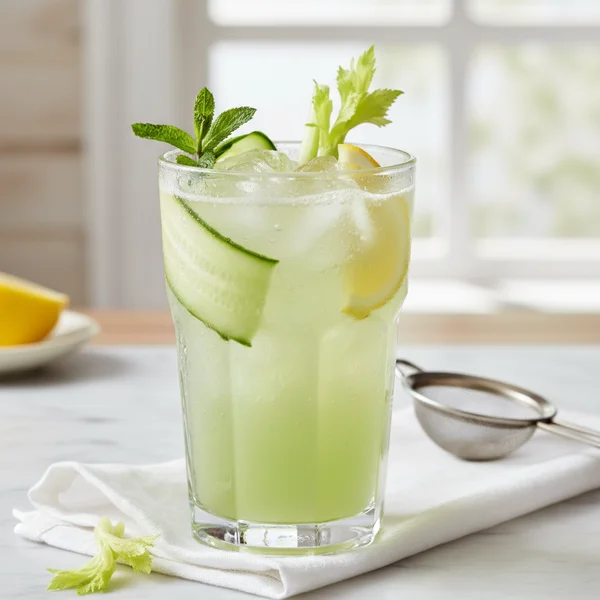
The presentation also plays a role in the overall experience. A beautiful garnish, such as a sprig of mint, a slice of lime, or a dusting of cinnamon, can elevate a simple glass of juice into a gourmet health tonic. Always serve your juice immediately after preparation to ensure that the enzymes and vitamins remain active and potent.
Hydration and Skin Radiance: A Natural Solution
One of the most visible juice peene ke fayde is the transformation of the skin. Chronic dehydration and a lack of vitamins often lead to dull, tired-looking skin. Because juices are incredibly hydrating, they help plump the skin cells from the inside out. Juices rich in Vitamin A, such as carrot or pumpkin juice, promote cell turnover and can help clear up acne and blemishes.
The hydrating properties of cucumber and watermelon juice are particularly noteworthy. Cucumber is composed of about 95% water and contains silica, which is a trace mineral that strengthens connective tissues. Drinking these types of juices helps maintain the skin’s elasticity and provides a natural glow that topical creams often cannot replicate. Furthermore, the antioxidants found in dark-colored juices like grape or blueberry protect the skin from UV damage and environmental pollutants. By replacing sugary sodas or excessive caffeine with chilled, natural juices, you reduce the toxic load on your liver, which in turn leads to clearer, more radiant skin and brighter eyes.
Detoxification and Internal Cleansing
Modern diets are often high in processed foods that can sluggishly move through the digestive system. A significant aspect of juice peene ke fayde is the “flush” effect. Juicing allows the digestive organs—the stomach, liver, and pancreas—to take a break from the heavy lifting of breaking down complex solids. This energy is then diverted toward cellular repair and detoxification.
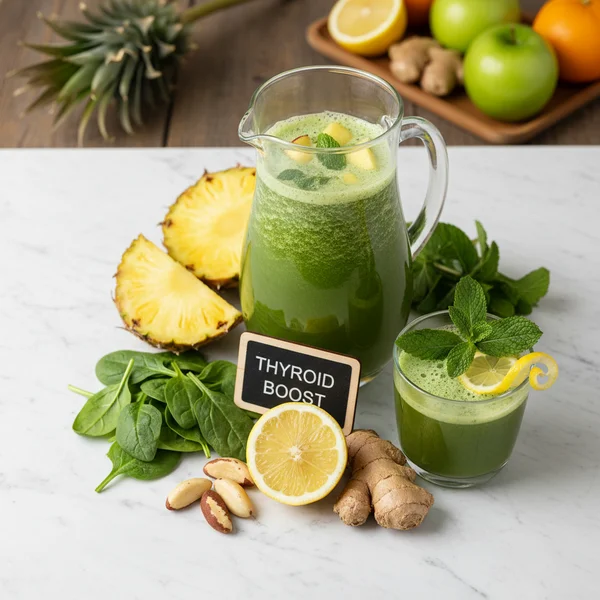
Natural juices act as mild diuretics and laxatives, helping the body eliminate waste more efficiently. For instance, celery juice has gained global popularity for its ability to restore stomach acid balance and help the liver flush out toxins. Pineapple juice contains bromelain, an enzyme that aids in protein digestion and reduces gut inflammation. When your internal system is clean, you naturally feel more energetic and mentally focused. The key is consistency; a daily glass of vegetable-forward juice can provide long-term benefits for your gut microbiome, leading to improved overall health and a stronger immune system.
Expert Tips for the Ultimate Juicing Experience
Transitioning to a lifestyle that prioritizes fresh juices requires a bit of strategy to ensure you stick with it. Nutritionists often recommend drinking your juice on an empty stomach, typically in the morning, to allow for the fastest absorption of nutrients. If you find vegetable juices too bitter, try the “80/20 rule”—80% vegetables and 20% fruit—to add a hint of natural sweetness without overdoing the sugar content.
Another expert tip is to pay attention to the temperature. While a chilled drink is often preferred for taste, drinking juice that is too frozen can sometimes shock the digestive system. Aim for a cool, refreshing temperature rather than an icy one. Additionally, always try to consume your juice within 20 minutes of making it. If you must store it, use an airtight glass container and keep it in the refrigerator for no more than 24 hours to prevent oxidation.
- Enhance Absorption: Add a tiny drop of healthy oil (like flaxseed or olive oil) to juices containing fat-soluble vitamins (A, D, E, K).
- Utilize the Pulp: Don’t throw away the blender pulp; use it in muffin batters, soups, or as garden compost.
- Zest it Up: Use a bit of lemon or ginger to provide a refreshing kick and boost the anti-inflammatory properties of any juice.
- Frozen Prep: Freeze pre-cut fruits and vegetables in portion bags to save time during busy mornings.
In conclusion, embracing the various juice peene ke fayde can lead to a significant improvement in your quality of life. From providing a concentrated source of vital nutrients to aiding in detoxification and skin health, fresh juices are a versatile and delicious addition to any diet. By using a blender, experimenting with refreshing ingredients like ice and mint garnish, and choosing a variety of colorful produce, you can create a hydrating habit that supports your long-term wellness. Start small by incorporating one glass of fresh juice into your morning routine and observe the positive changes in your energy and vitality. Your journey toward better health is just one glass away.
❓ Frequently Asked Questions
1
How long does fresh juice last in fridge?
Fresh juice is best consumed immediately to get the full nutritional benefits. If necessary, you can store it in an airtight glass container in the refrigerator for up to 24 hours. However, the flavor and vitamin content will gradually decrease due to oxidation over time.


2
Can I make juice ahead of time?
While you can prepare juice a few hours early, it is not recommended for long periods. Exposure to air and light breaks down essential enzymes and vitamins. If you must prepare it ahead, fill the container to the very top to minimize the amount of oxygen inside.
3
What can I substitute for a blender?
If you do not have a blender, you can use a dedicated centrifugal juicer or a cold-press juicer. For soft fruits like citrus or watermelon, a manual hand-press or even mashing the fruit through a fine-mesh sieve works effectively to extract the refreshing liquid from the pulp.
4
How do I know when the juice is perfectly balanced?
A well-balanced juice should offer a harmony of sweetness and acidity. If the juice tastes too sugary, add a squeeze of lemon or lime. If it feels too earthy or bitter from vegetables, balance the flavor profile by adding a small amount of apple or honey.
5
Can I freeze fresh fruit juice?
Yes, you can freeze fresh juice in airtight containers or ice cube trays for up to three months. This is an excellent way to preserve seasonal flavors. Simply thaw the juice in the refrigerator overnight or toss the juice cubes into a blender for a quick slushy.