
Juicing for Thyroid Health: Ultimate Healing Guide
The thyroid gland, a small butterfly-shaped organ located at the base of your neck, plays a monumental role in regulating your metabolism, energy levels, and hormonal balance. When this gland is sluggish or overactive, it can lead to a cascade of symptoms including fatigue, weight fluctuations, and brain fog. Juicing for thyroid health has emerged as a popular supplemental strategy to deliver concentrated doses of essential micronutrients that support endocrine function. By extracting liquid nutrition from specific vegetables and fruits, you can provide your body with the selenium, iodine, and antioxidants it needs to thrive. In this guide, you will learn how to select the best ingredients, navigate the controversy surrounding goitrogens, and implement a daily routine that empowers your thyroid.
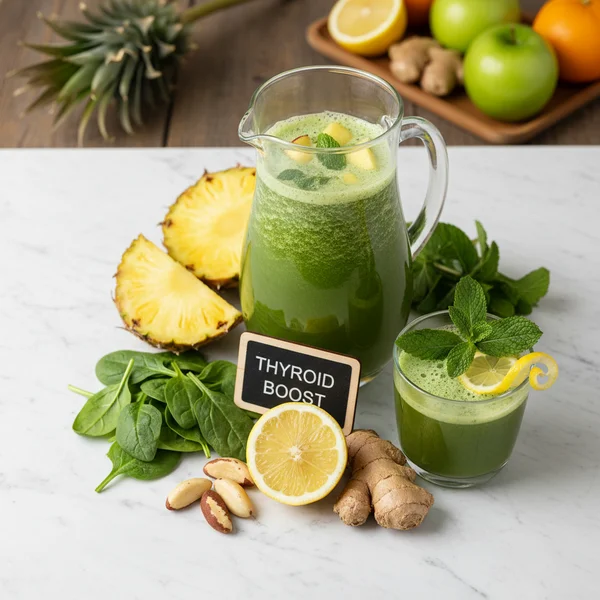
Juicing for thyroid health focuses on delivering bioavailable nutrients like Vitamin C, Selenium, and antioxidants while managing the intake of raw cruciferous vegetables to optimize hormone production and reduce inflammation.
The Role of Micronutrients in Thyroid Function
To understand why juicing can be beneficial, we must first look at the raw materials the thyroid requires to produce hormones like T3 and T4. The thyroid is highly sensitive to nutritional deficiencies. Iodine is perhaps the most famous requirement, but it does not work alone. Selenium is a critical mineral that acts as a catalyst for converting T4 (the inactive form of thyroid hormone) into T3 (the active form). Without adequate selenium, your body may struggle to use the hormones your thyroid is producing.
Furthermore, zinc and magnesium are essential for the “cross-talk” between the brain and the thyroid gland. Juicing allows you to consume a high volume of these minerals in a liquid form that is easily absorbed by the digestive tract. This is particularly helpful for individuals with thyroid issues who may also suffer from digestive sluggishness or “leaky gut,” which can hinder the absorption of nutrients from solid food. By stripping away the insoluble fiber, the juicing process delivers a “nutrient IV” directly to your system, reducing the metabolic energy required for digestion.
| Nutrient | Thyroid Benefit | Best Juicing Source |
|---|---|---|
| Selenium | T4 to T3 Conversion | Spinach, Swiss Chard |
| Vitamin C | Reduces Oxidative Stress | Lemons, Oranges, Strawberries |
| Chlorophyll | Heavy Metal Detox | Parsley, Wheatgrass, Cilantro |
Navigating the Goitrogen Controversy
One of the most frequent questions regarding juicing for thyroid health involves goitrogens. Goitrogens are naturally occurring compounds found in cruciferous vegetables like kale, broccoli, cauliflower, and cabbage. In high amounts, these compounds can interfere with the thyroid’s ability to uptake iodine. For someone with an underactive thyroid (hypothyroidism) or Hashimoto’s thyroiditis, the idea of juicing raw kale every morning can be a cause for concern.

However, the risks are often overstated for the average person. Most experts agree that the benefits of the phytonutrients found in these greens outweigh the risks, provided they are consumed in moderation and as part of a varied diet. If you are concerned about goitrogens, you can focus your juicing recipes on non-cruciferous bases like cucumbers, celery, carrots, and beets. If you do use kale or spinach, consider rotating them with other leafy greens or lightly steaming them before juicing (though this is less common in traditional juicing). The key is diversity; do not juice the same head of kale seven days a week. Rotate your ingredients to ensure a broad spectrum of nutrients without over-concentrating any single anti-nutrient.
Top Ingredients for a Thyroid-Supportive Juice
When selecting ingredients for your juice, focus on anti-inflammatory and mineral-rich produce. Celery is a superstar in the thyroid community because it contains mineral salts that may help clear the thyroid of pathogens and support the adrenal glands, which often work overtime when the thyroid is struggling. Cucumbers provide excellent hydration and contain silica, which supports the skin and hair—two areas often affected by thyroid imbalances.
Root vegetables like carrots and beets are also excellent. Carrots are rich in beta-carotene, which the body converts to Vitamin A, a nutrient essential for the thyroid to respond to thyroid-stimulating hormone (TSH). Beets are powerful liver cleansers; since a significant portion of thyroid hormone conversion happens in the liver, keeping this organ functioning optimally is vital. Additionally, adding a “kick” of ginger or turmeric can provide systemic anti-inflammatory benefits, which is particularly useful for those dealing with autoimmune-related thyroid issues.
The Radiant Thyroid Elixir: A Specialized Recipe
This specific recipe is designed to be low-goitrogen while being high in the minerals and vitamins that the thyroid craves. It utilizes a base of celery and cucumber for hydration and mineral support, with a touch of citrus to enhance the absorption of plant-based iron and minerals.
- Prep time: 10 minutes
- Cooking time: 0 minutes
- Servings: 1-2
- Calories: Approximately 85 calories per serving
Ingredients
- 4 large stalks of organic celery
- 1 medium cucumber (peeled if not organic)
- 1 green apple (to provide pectin and a hint of sweetness)
- 1-inch knob of fresh ginger root
- 1/2 lemon, peeled
- 1 small handful of fresh parsley
Instructions
- Wash all produce thoroughly under cold running water. If using non-organic cucumbers, ensure they are peeled to remove wax and pesticides.
- Cut the celery, cucumber, and apple into sizes that will easily fit into your juicer’s chute.
- Start the juicer and feed the ginger and parsley through first; this ensures the more fibrous ingredients are pushed through by the juicier items.
- Follow with the celery, cucumber, and apple.
- Finish by juicing the lemon.
- Stir the juice with a glass or wooden spoon and consume immediately on an empty stomach for maximum nutrient absorption.
How to Integrate Juicing into Your Lifestyle
Consistency is more important than quantity when it comes to juicing for thyroid health. Drinking a 16-ounce green juice once a month will not yield significant results. Instead, aim for a smaller 8-ounce serving three to four times a week. Many people find that drinking their juice first thing in the morning, about 30 minutes before breakfast, provides a natural energy boost that helps them avoid the “afternoon slump” common with thyroid conditions.
It is also important to remember that juice is a supplement, not a meal replacement. The thyroid requires adequate protein and healthy fats—like those found in avocados, wild-caught fish, and seeds—to function. Use your juice as a “nutrient primer” to set the stage for a balanced, whole-food diet. If you are taking thyroid medication, always consult with your endocrinologist before starting a daily juicing regimen, as the sudden increase in certain vitamins can occasionally require a dosage adjustment.
Expert Tips
When you begin your journey with juicing for thyroid health, the quality of your equipment and produce matters. Using a cold-press (masticating) juicer is generally preferred over a centrifugal juicer. Cold-press juicers operate at lower speeds, which generates less heat and prevents the oxidation of delicate enzymes and vitamins. This ensures that the juice you drink is as “alive” as possible.
Additionally, always aim for organic produce when juicing. Because you are consuming a concentrated form of the vegetable, you are also potentially consuming a concentrated form of any pesticides used during the growing process. Since the thyroid is highly sensitive to environmental toxins and endocrine disruptors, staying organic helps protect the gland from further stress.
- Add a pinch of high-quality sea salt to your juice to provide trace minerals that support adrenal health.
- Don’t throw away the pulp! You can use carrot or beet pulp in gluten-free baking or compost it for your garden.
- If the juice tastes too “earthy,” add an extra half of a lemon or lime to cut through the bitterness without adding extra sugar.
Conclusion
Embracing juicing for thyroid health is a proactive way to nourish your endocrine system and combat the fatigue associated with thyroid imbalances. By combining mineral-rich celery and cucumber with anti-inflammatory ginger and nutrient-dense greens, you create a powerful tool for wellness. Remember to rotate your ingredients to manage goitrogen intake and prioritize organic produce to minimize toxin exposure. While juicing is not a replacement for medical treatment, it serves as a potent ally in your journey toward hormonal balance and vibrant energy. Start with one simple recipe this week and listen to how your body responds.
❓ Frequently Asked Questions
1
How long does this thyroid juice last in the fridge?
For the best results, drink your fresh juice immediately after preparation to enjoy the maximum nutrient density. If you must store it, keep it in an airtight glass container for up to 24 hours. Oxidation begins quickly, which can deplete the delicate enzymes essential for supporting your thyroid health.
2
Can I make this thyroid juice ahead of time?
While drinking it fresh is ideal, you can prep the ingredients the night before. Simply wash and chop your vegetables, then store them in a sealed container. This reduces your morning prep time significantly, ensuring you can follow the instructions and enjoy your health boost without any stress.
3
What can I substitute for celery in this recipe?
If you don’t enjoy celery, cucumber is an excellent hydrating substitute for this juice. It provides a similar water content and mild flavor while remaining gentle on your system. You could also add a handful of spinach for additional iron and magnesium, which are both vital for thyroid support.
4
How do I know when the juice is done?
The juice is ready as soon as the produce has passed through your juicer and the resulting pulp is relatively dry. You should have a vibrant, clear liquid in your pitcher. Give the juice a quick stir to combine all the ingredients before pouring it into a cold glass.
5
Can I freeze juice for thyroid health?
Yes, you can freeze fresh juice in silicone molds or ice cube trays for up to three months. This is an excellent way to preserve nutrients if you have made a large batch. Simply thaw the cubes in a glass or toss them into a blender for a quick smoothie.