Why Am I Craving Butter? 7 Surprising Reasons
It is a common scenario: you are standing in your kitchen, and suddenly, the only thing that sounds appetizing is a thick slab of creamy butter. While some might dismiss this as a simple whim, cravings are often the body’s way of communicating internal needs. Whether you are wondering “why am i craving butter” because of a sudden dietary change or a long-standing habit, understanding the “why” can help you manage your nutrition better. In this article, we will delve into the biological, nutritional, and psychological triggers behind butter cravings. You will learn about the specific vitamins your body might be seeking, the role of healthy fats in brain function, and how to satisfy these urges with mindful choices and culinary balance.
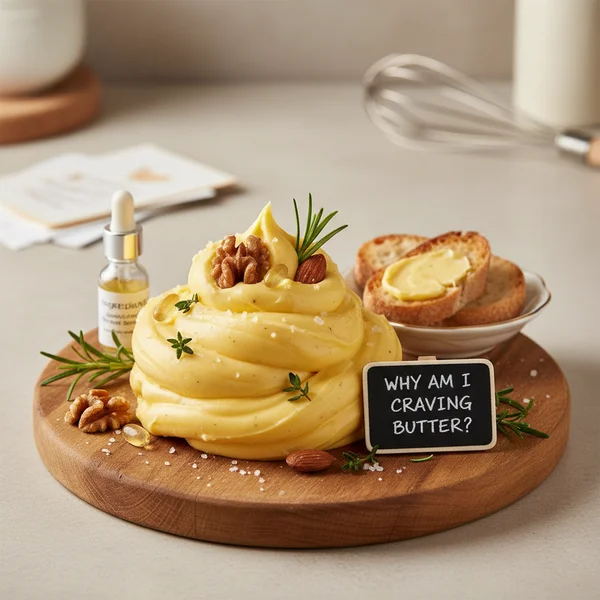
Craving butter usually indicates a need for fat-soluble vitamins (A, D, E, K), a lack of healthy dietary fats, or a biological requirement for concentrated energy and satiety.
Nutritional Deficiencies and Fat-Soluble Vitamins
One of the most frequent reasons people experience intense butter cravings is a deficiency in fat-soluble vitamins. Unlike water-soluble vitamins like Vitamin C, which the body flushes out daily, fat-soluble vitamins—specifically A, D, E, and K—require dietary fat for absorption and storage. Butter is a powerhouse of these nutrients, particularly if it comes from grass-fed cows. If your diet is chronically low in these specific vitamins, your brain may trigger a craving for butter as it is one of the most bioavailable sources of these essential compounds.
Vitamin A is crucial for vision and immune function, while Vitamin D is essential for bone health and mood regulation. Vitamin K2, which is frequently found in high-quality fermented or grass-fed dairy, plays a massive role in cardiovascular health by ensuring calcium is directed to the bones rather than the arteries. When the body senses a dip in these levels, it initiates a “hunger” for the densest source of these nutrients. Furthermore, butter contains trace amounts of iodine and selenium, which support thyroid health. If your metabolic system is feeling sluggish, the urge for a buttery snack might be your thyroid’s way of asking for support. Recognizing these nutritional gaps is the first step in moving from a mindless craving to a mindful dietary adjustment.
The Role of Healthy Fats and Satiety
In a world that has historically demonized saturated fats, many individuals inadvertently cut their fat intake too low. This can lead to a physiological state where the body feels perpetually “unfilled.” Butter provides a concentrated source of energy that triggers the release of satiety hormones like cholecystokinin (CCK). When you consume fat, your stomach sends signals to your brain that you are full and satisfied. If you have been eating a high-volume but low-fat diet—such as salads without oil or plain grilled chicken—your body may start craving butter simply to achieve a sense of fullness that it isn’t getting elsewhere.

Butter also contains Butyrate (or butyric acid), a short-chain fatty acid that is vital for gut health. Butyrate serves as the primary energy source for the cells lining your colon. It has anti-inflammatory properties and has been linked to improved insulin sensitivity. If your microbiome is out of balance, your gut-brain axis might be signaling a craving for butter to provide the raw materials needed for intestinal repair. Additionally, fats are the building blocks of hormones. For women especially, a low-fat diet can disrupt the production of estrogen and progesterone, leading the body to demand high-fat foods like butter to maintain hormonal equilibrium. Understanding that butter serves a functional purpose in the body can help alleviate the guilt often associated with these cravings.
Psychological Comfort and Sensory Triggers
Not every craving is rooted in a vitamin deficiency; many are deeply psychological or sensory. Butter has a unique “mouthfeel” that is difficult to replicate with other fats. The way it melts at body temperature creates a luxurious, coating sensation on the tongue that the brain associates with reward and comfort. This is due to the release of dopamine in the brain’s pleasure centers. If you are experiencing high levels of stress or emotional exhaustion, you might find yourself craving butter because it provides an immediate, albeit temporary, neurological “hug.”
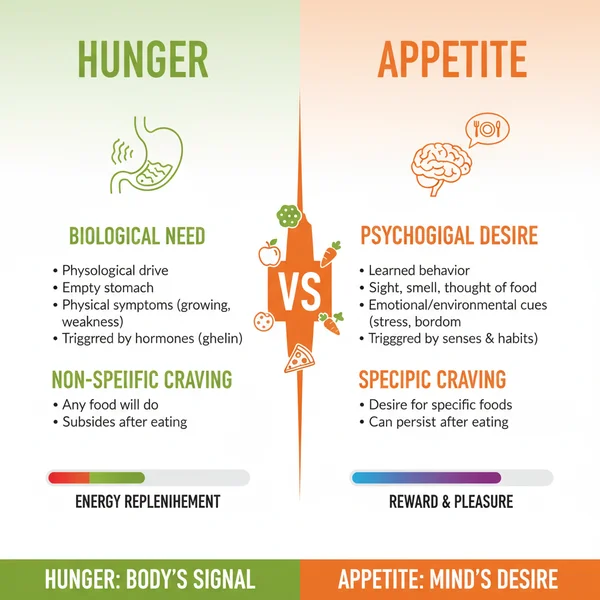
Sensory triggers also play a massive role. The smell of browning butter (the Maillard reaction) is one of the most evocative scents in the culinary world. If you have recently walked past a bakery or watched a cooking show where butter was a primary ingredient, your brain might fixate on that experience. This is known as “cue-induced craving.” To differentiate between a physical need and a sensory want, consider the following comparison table:
| Feature | Nutritional Craving | Emotional/Sensory Craving |
|---|---|---|
| Onset | Gradual and persistent | Sudden and intense |
| Target | Satisfied by various fats (avocado, nuts) | Specifically butter or buttery sweets |
| Feeling | General hunger or fatigue | Stress, boredom, or nostalgia |
Satisfying the Craving with a Balanced Approach
If you find that your craving is persistent, the best way to manage it is to incorporate butter into a healthy, balanced meal rather than eating it in isolation or in processed baked goods. When you use butter as part of a structured recipe, you can control the quality and the quantity. For those who want the flavor of butter without an overwhelming amount of calories, creating a “compound butter” is an excellent solution. By mixing high-quality grass-fed butter with fresh herbs, garlic, and lemon juice, you increase the nutrient density of the fat while satisfying the sensory need for that rich mouthfeel.
To give you a practical example of how to use butter healthily, consider a simple Herb-Basted Vegetable dish. The ingredients for this are straightforward: two cups of seasonal vegetables, one tablespoon of grass-fed butter, fresh rosemary, and a pinch of sea salt. The instructions are simple: steam the vegetables first, then toss them in the melted butter and herbs at the very end. The prep time is roughly five minutes, and the cooking time is under ten minutes. This method ensures that you get the servings of vegetables you need while the butter aids in the absorption of the vegetables’ vitamins. A single serving of this dish provides approximately 120-150 calories, making it a satiating side dish that silences the craving without derailing your health goals.
Expert Tips for Choosing and Consuming Butter
Nutritionists often recommend that if you are going to eat butter, quality should be your top priority. Grass-fed butter is significantly higher in Omega-3 fatty acids and Conjugated Linoleic Acid (CLA) compared to standard grain-fed butter. CLA is a type of fat that has been studied for its potential to help with weight management and heart health. If you are craving butter, your body might actually be looking for these anti-inflammatory fats rather than just saturated fat.
Another expert tip is to look into clarified butter, also known as Ghee. Ghee is produced by simmering butter and removing the milk solids, leaving behind pure butterfat. This is an excellent option for individuals who are sensitive to lactose or casein but still experience butter cravings. Ghee has a higher smoke point, making it safer for high-heat cooking, and it retains all the fat-soluble vitamins found in regular butter. By switching to high-quality options, you can turn a craving into a functional part of a healthy diet.
- Pair butter with fiber-rich foods like broccoli or whole-grain toast to slow down the absorption of fats and keep blood sugar stable.
- If you crave butter specifically when tired, check your salt intake; butter is often a delivery system for sodium, which the body needs for electrolyte balance.
- Use a kitchen scale to measure servings if you are tracking macronutrients, as it is easy to underestimate the caloric density of fats.
Conclusion
Craving butter is a multi-faceted experience that often points toward a need for fat-soluble vitamins, better satiety, or emotional comfort. By paying attention to the quality of the butter you consume and integrating it into nutrient-dense meals, you can satisfy your body’s signals in a healthy way. Remember that fat is a vital macronutrient for brain health and hormone production. Instead of fighting the urge, try to address the underlying cause by opting for grass-fed varieties or nutrient-rich recipes. Listen to your body, choose high-quality sources, and enjoy the rich benefits of butter in moderation.
❓ Frequently Asked Questions
1
How long does butter last in fridge?
Butter typically lasts for about one to three months in the refrigerator. However, for the best flavor and quality, it is recommended to consume it within a few weeks of opening. Always keep it tightly wrapped or in an airtight container to prevent it from absorbing other pungent food odors.
2
Can I make butter ahead of time?
Yes, you can make homemade butter ahead of time by over-churning heavy cream. Once the solids separate from the buttermilk, wash the butter thoroughly with ice-cold water. It will stay fresh in the fridge for up to two weeks or can be frozen for several months for later use.
3
What can I substitute for butter?
If you are looking for a butter substitute in a recipe, try using avocado, coconut oil, or extra virgin olive oil for a healthier fat profile. For baking, applesauce or Greek yogurt can provide moisture with fewer calories, though the texture and flavor of your recipe may vary slightly.
4
How do I know when butter is done?
When making brown butter or melting it, butter is done when the milk solids turn a golden-brown color and it gives off a distinct nutty aroma. For clarified butter, it is ready when the water has evaporated and the solids have settled, leaving a clear, golden liquid on top.
5
Can I freeze butter?
Yes, you can freeze butter easily. Salted and unsalted butter can be stored in the freezer for six to nine months if wrapped tightly in its original packaging and then placed in a freezer-safe bag. Thaw it in the refrigerator overnight before using it in your favorite recipe.