Are Clementines and Mandarins the Same? Ultimate Guide
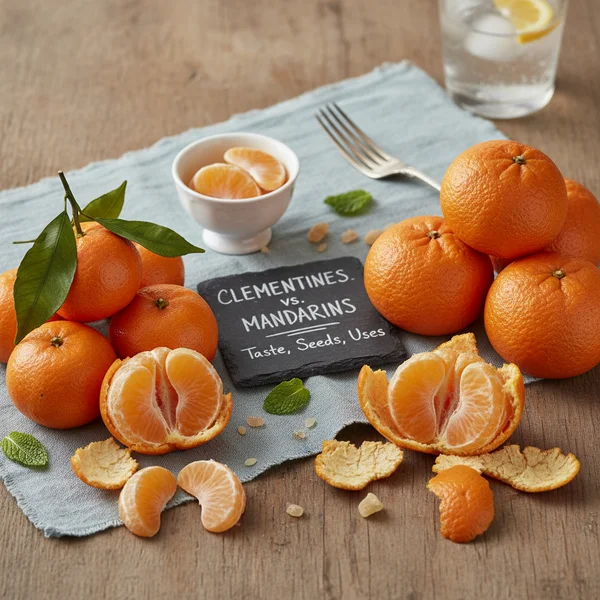
No, clementines and mandarins are not exactly the same, but they are closely related. Think of “mandarin” as the umbrella category or species name (Citrus reticulata), while “clementine” is a specific variety or hybrid within that family. Specifically, a clementine is a cross between a sweet orange and a mandarin, prized for being seedless, easy to peel, and exceptionally sweet compared to other mandarin varieties.
Understanding the Relationship Between Clementines and Mandarins
To understand the difference between these two citrus fruits, it is helpful to look at the botanical hierarchy of the citrus world. Mandarins are one of the original ancestral citrus species from which most modern citrus fruits descend. Unlike many other fruits that are bred from a wide variety of parents, the mandarin is a “parent” species itself. The mandarin family is vast and includes several distinct types, such as tangerines, satsumas, and clementines.
The clementine specifically is a spontaneous hybrid that was discovered in the late 19th century in the garden of an orphanage in Algeria, managed by Brother Clément Rodier. It is believed to be a natural cross between a Mediterranean mandarin and a sweet orange. This genetic mix gives the clementine its unique characteristics: it is smaller than a standard orange, possesses a thinner skin than many other mandarins, and most importantly, it is almost entirely seedless.
In the grocery store, you will often see clementines sold under popular brand names like “Cuties” or “Halos.” These brands use clementines during their peak season because their small size and easy-peeling nature make them a favorite snack for children. While a clementine is technically a mandarin, you cannot assume that any fruit labeled “mandarin” is a clementine. Other mandarins might have thicker skins, a more tart flavor profile, or contain many seeds, which changes how you might use them in a culinary context or a specific recipe.
Scientifically, clementines are classified as Citrus × clementina. Their popularity in the global market stems from their consistent sweetness and “zipper” skin, which allows the peel to fall away from the flesh with very little effort. Because they lack the bitter seeds found in common mandarins, they are the preferred choice for salads, desserts, and eating out of hand.
How to Differentiate Clementines from Other Mandarins
If you are standing in the produce aisle and trying to determine whether you are looking at a clementine or another type of mandarin, there are several physical markers to guide you. While they look similar at a glance, their structural differences are quite pronounced upon closer inspection.
1. Analyze the Exterior Skin
The skin of a clementine is smooth, shiny, and a deep, vibrant orange. It is typically thinner than the skin of a tangerine or a standard mandarin. If the fruit feels “loose” inside its skin—as if there is a small pocket of air between the peel and the segments—it is likely a mandarin or a satsuma. Clementines have a tighter fit, yet they remain extremely easy to peel.
2. Observe the Shape and Size
Clementines are generally the smallest members of the mandarin family. They are perfectly round or slightly oval, whereas satsumas often have a “neck” at the stem end or a flatter, more squat appearance. If the fruit looks perfectly symmetrical and fits easily into the palm of a child’s hand, it is likely a clementine.
3. Check for Seeds
The most definitive way to identify a clementine is by its lack of seeds. Because clementines are usually grown in environments where they are not cross-pollinated by other citrus trees, they remain seedless. If you slice into a fruit and find five or six seeds, you are likely holding a traditional mandarin or a tangerine.
4. Taste the Flavor Profile
While all mandarins are sweeter than the average Navel orange, clementines have a specific balance. They offer a high sugar content with very low acidity. Other mandarins may have a more complex, “spicier” citrus flavor, whereas the clementine is straightforward, honey-like sweetness. This makes them the ideal choice for a fruit salad recipe where you want a consistent, sugary burst of flavor without the interference of sour notes.
Using Clementines and Mandarins in the Kitchen
Both fruits are interchangeable in many culinary applications, but their subtle differences can affect your final dish. If you are following a recipe that calls for “mandarin segments,” using clementines is usually your best bet because you won’t have to worry about removing seeds. Below is a guide on how to prepare and use these fruits effectively in a simple culinary preparation.
Instructions for Prepping Citrus for Recipes:
To get the most out of your fruit, follow these steps:
1. Wash the exterior skin thoroughly, especially if you plan to use the zest.
2. Peel the fruit starting from the indented stem end.
3. Gently pull the segments apart.
4. Remove as much of the white pith (the stringy white bits) as possible, as this can be bitter.
5. If using for a salad, leave the segments whole. If using for a sauce or glaze, you may want to slice them in half to release more juice.
Sample Culinary Application: Clementine & Honey Vinaigrette
This simple dressing is perfect for winter greens.
- Prep Time: 5 minutes
- Cooking Time: 0 minutes
- Servings: 4
- Ingredients: 2 juiced clementines, 1 tablespoon honey, 2 tablespoons apple cider vinegar, 1/4 cup olive oil, salt, and pepper.
- Calories: Approximately 130 per serving (mostly from the olive oil).
Simply whisk the ingredients together until emulsified. The sweetness of the clementine juice balances the vinegar perfectly. Because clementines have such high juice content for their size, they are excellent for creating fresh dressings without the need for added refined sugars.
Important Considerations for Selection and Storage
When shopping for clementines or mandarins, quality can vary significantly based on the time of year. Generally, clementines are in their peak season from late November through January, which is why they are often nicknamed “Christmas Oranges.” Outside of this window, you may find that the fruits are drier or less flavorful.
Calories and Nutrition
From a nutritional standpoint, both fruits are quite similar. A medium-sized clementine contains about 35 to 40 calories. They are packed with Vitamin C, providing about 40% to 60% of your daily requirement in just one small fruit. They also contain fiber, potassium, and antioxidants. However, because they are so small and easy to eat, it is common for people to consume three or four in one sitting, which can bring the total calories up to around 150—roughly the same as a large banana or a small bag of chips, but with significantly more nutritional value.
Common Mistakes to Avoid
One mistake many people make is storing these citrus fruits in a bowl on the counter for too long. While they look beautiful as a centerpiece, their thin skins mean they lose moisture quickly. If they feel light or “hollow,” the juice inside has likely evaporated. To keep them fresh for up to two weeks, it is best to store them in the crisper drawer of your refrigerator.
Another consideration is the use of the peel. While orange zest is a common ingredient in many recipes, the skin of a clementine is much thinner and more delicate. It zests easily, but because it is so thin, you must be careful not to grate into the bitter white pith.
- Look for fruits that feel heavy for their size; this indicates a high juice content.
- Avoid any fruit with soft spots or “dents” in the skin, as this usually indicates mold is starting to form inside.
- If a recipe calls for canned mandarin oranges, you can substitute fresh clementine segments for a much better texture and less added syrup.
- Store clementines in a mesh bag rather than a plastic bag to allow air circulation and prevent mold growth.
Conclusion
In summary, while the terms are often used interchangeably in casual conversation, a clementine is a specific type of mandarin orange. All clementines are mandarins, but the mandarin family also includes tangerines, satsumas, and other hybrids. Clementines stand out due to their lack of seeds, deep orange color, and ease of peeling, making them the gold standard for snacking and fresh recipes. Whether you are counting calories, looking for a quick source of Vitamin C, or searching for the perfect ingredient for a winter salad, understanding the subtle differences between these citrus cousins will help you make the best choice at the market. When in doubt, look for the small, round, seedless fruit—that is your clementine.
❓ Frequently Asked Questions
1
How long do clementines and mandarins last in the fridge?
Mandarins and clementines typically last about one to two weeks in the refrigerator. To maximize freshness, store them in the crisper drawer in a breathable bag. If left on the counter at room temperature, they usually stay fresh for about three to five days before the skin dries.


2
Can I prep these citrus fruits ahead of time?
You can juice these fruits ahead of time, but the flavor is best when fresh. Since there is no cooking time involved, it is a fast process. Store the fresh juice in an airtight glass container in the fridge for up to twenty-four hours for peak sweetness and quality.
3
What can I substitute for clementines in a recipe?
If a recipe calls for clementines, you can easily substitute them with other mandarin varieties like Satsumas or Tangerines. If those are not available, naval oranges work well, though they are larger and slightly more acidic, so you may need to adjust the sugar content in your dish.
4
How do I know when a mandarin is ripe?
These fruits are ready to eat immediately after purchase with zero cooking time required. You know they are ripe when they have a bright orange color and feel heavy for their size. Follow these instructions: avoid fruits that feel hollow or have very loose, shriveled, or dry skin.
5
Can I freeze mandarins and clementines?
Yes, you can freeze mandarins and clementines quite easily. The best method is to peel them and separate the segments first. Lay them flat on a baking sheet to flash freeze, then transfer them to a freezer-safe bag. They are perfect for smoothies or as healthy chilled snacks.