Can You Freeze Pineapple? Perfect Preservation Guide
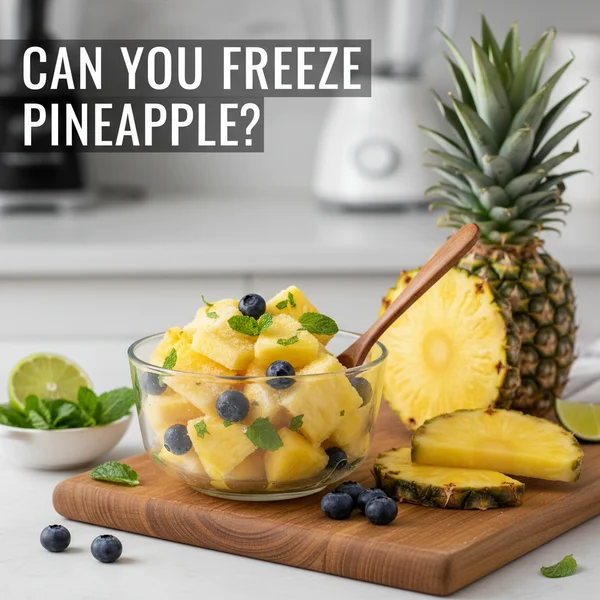
Yes, you can absolutely freeze pineapple! Freezing is one of the most effective ways to preserve the sweet, tropical flavor of a ripe pineapple before it spoils. When frozen properly at peak ripeness, pineapple chunks or slices can maintain their quality for 6 to 12 months. While the texture becomes slightly softer upon thawing, it remains perfect for smoothies, desserts, cocktails, and cooked dishes.
Understanding the Freezing Process for Tropical Fruits
Freezing pineapple is not just a matter of convenience; it is a practical way to manage food waste and ensure you always have access to nutritious ingredients for your favorite recipe. To understand why pineapple freezes so well, we have to look at its cellular structure. Pineapple is a high-moisture fruit, consisting of about 86% water. When you freeze the fruit, the water inside the plant cells expands and forms ice crystals. These crystals can rupture the cell walls, which is why thawed pineapple has a softer, more fibrous texture than fresh-cut fruit.
However, unlike some delicate berries that can turn into a mushy pulp, pineapple’s sturdy structure holds up remarkably well. This makes it an ideal candidate for long-term storage. Furthermore, the freezing process helps to lock in the essential vitamins and minerals. Pineapple is famous for containing bromelain, a unique enzyme that aids digestion and has anti-inflammatory properties. While some enzymatic activity is slowed down significantly at sub-zero temperatures, the nutritional profile remains largely intact. Whether you are monitoring your daily calories or simply looking for a healthy snack, frozen pineapple provides the same natural sweetness and fiber as fresh fruit.
Another benefit of freezing pineapple is the concentration of flavor. Because some of the moisture is lost during the thawing process (known as “drip loss”), the remaining fruit can sometimes taste even sweeter and more intense. This makes it a superior choice for instructions involving baking or making sauces where you want a punch of tropical flavor without the excess water content found in canned varieties that are often packed in heavy syrup.
Step-by-Step Guide to Freezing Pineapple for Maximum Freshness
If you want to ensure the best results, you cannot simply throw a whole pineapple into the freezer. Proper preparation is key to preventing the fruit from turning into a solid, unmanageable block of ice. Follow these detailed instructions to freeze your fruit like a pro.
- Select a Ripe Fruit: The quality of your frozen fruit depends entirely on its state before freezing. Choose a pineapple that has a sweet aroma at the base and slightly gives when pressed. Avoid fruit with soft spots or fermented smells.
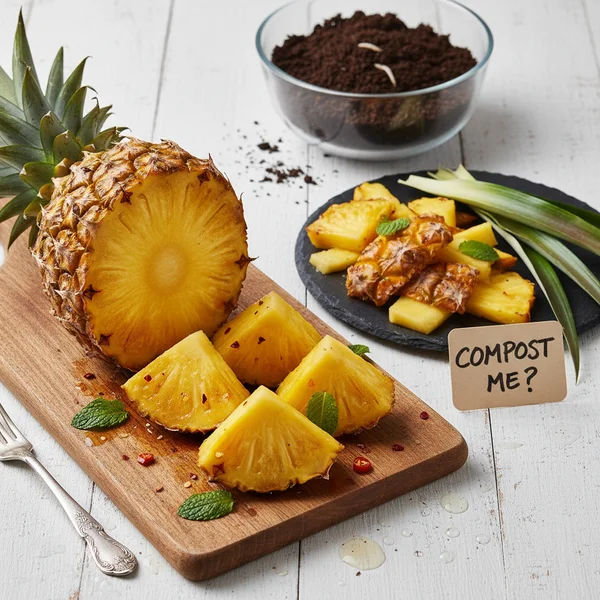
- Prep the Pineapple: Start by cutting off the top (the crown) and the bottom. Stand the pineapple upright and carefully slice off the skin in downward strokes. Be sure to remove the “eyes” with a small paring knife.
- Core and Cut: Slice the pineapple into four vertical sections around the tough center core. Discard the core or save it for infusing water. Cut the flesh into bite-sized chunks, rings, or wedges depending on your intended use.
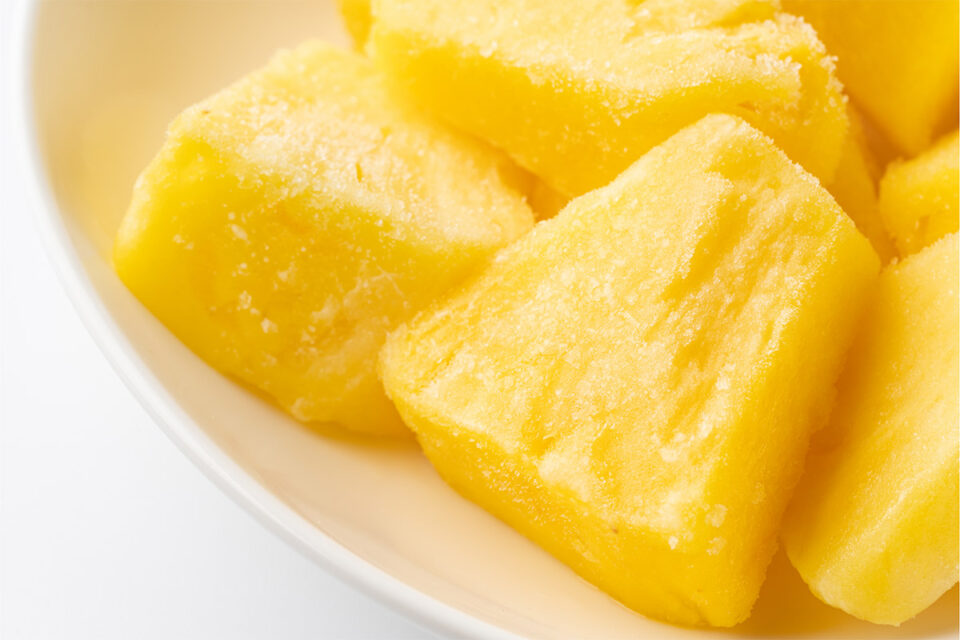
- The Flash Freeze Method: This is the most important step. Line a large baking sheet with parchment paper or a silicone mat. Arrange the pineapple chunks in a single layer, ensuring they do not touch each other. Place the tray in the freezer for 2 to 4 hours, or until the pieces are frozen solid. This prevents them from sticking together later.
- Final Packaging: Once flash-frozen, transfer the pieces into heavy-duty freezer bags or airtight containers. Squeeze out as much air as possible to prevent freezer burn. Label the bag with the date to keep track of its shelf life.
By following these steps, you minimize the “prep time” needed when you are ready to cook. You can simply grab a handful of chunks for a single serving without having to defrost the entire bag. This method is particularly useful for meal prepping or quick morning routines.
Important Considerations and Best Practices
While freezing pineapple is straightforward, there are a few considerations to keep in mind to maintain the highest quality. One of the primary enemies of frozen food is freezer burn. This occurs when air reaches the surface of the fruit, causing dehydration and oxidation. To avoid this, always use freezer-specific bags which are thicker than standard sandwich bags. For even better results, consider using a vacuum sealer, which removes nearly all oxygen and can extend the life of the fruit even further.
Texture is the other major consideration. If you plan on eating pineapple raw, you might notice the difference between fresh and thawed pieces. Fresh pineapple has a crisp, snappy bite, whereas thawed pineapple is somewhat softer. For this reason, many people prefer to use frozen pineapple while it is still partially frozen or in applications where texture is less critical, such as in a blended recipe. If you are using the pineapple for a fruit salad, try mixing it in while it still has a few ice crystals for a refreshing, sorbet-like consistency.
Also, consider the “servings” you typically need. If you often make smoothies for one, freeze the pineapple in small, pre-measured 1-cup portions. This reduces the amount of time the bag spends open and exposed to the warm air of your kitchen, which can cause frost to build up inside the packaging.
Nutritional Breakdown and Diet Integration
Incorporating frozen pineapple into your diet is an excellent way to satisfy a sweet tooth while keeping your calories in check. A standard one-cup serving of pineapple chunks contains approximately 80 to 85 calories. It is naturally fat-free, cholesterol-free, and low in sodium. It is also an incredible source of Vitamin C, providing over 100% of the daily recommended value in just one cup.
When you freeze your own pineapple, you have total control over the ingredients. Unlike store-bought “frozen fruit blends” or canned pineapple, home-frozen pineapple contains no added sugars, preservatives, or artificial syrups. It is 100% fruit. This makes it a perfect ingredient for those following clean-eating diets, vegan lifestyles, or weight management plans.
Because the cooking time for frozen pineapple is virtually zero when used in cold applications, it is a high-convenience food. You can toss it into a food processor with a splash of coconut milk to create a “nice cream” that tastes indulgent but remains low in calories compared to traditional dairy desserts.
Quick Recipe: Tropical Pineapple Smoothie Prep
Using your frozen stash is easy with this simple smoothie pack recipe. This is designed to be prepared in advance so you can just “dump and blend.”
Prep Time: 10 minutes
Cooking Time: 0 minutes
Servings: 2
Ingredients:
- 2 cups frozen pineapple chunks
- 1 frozen banana (sliced)
- 1/2 cup Greek yogurt (plain or vanilla)
- 1 cup unsweetened coconut water or almond milk
- 1 tablespoon chia seeds (optional)
Instructions:
- Place the frozen pineapple and banana slices into a blender.
- Add the Greek yogurt and your choice of liquid.
- Pulse until the large chunks are broken down, then blend on high for 30-45 seconds until creamy.
- Pour into glasses and top with chia seeds for added texture.
This recipe is approximately 210 calories per serving and provides a massive boost of energy and hydration. Because you are using frozen fruit, you don’t need to add ice, which can often water down the flavor of your smoothie.
- Don’t Throw Away the Core: While tough, the core is full of fiber. Chop it into very small bits and freeze it separately to add to high-powered blenders for smoothies.
- Use Juice to Prevent Browning: If you are worried about oxidation, toss the pineapple chunks in a little bit of lemon or lime juice before flash freezing. The citric acid acts as a natural preservative.
- Label Everything: Frozen pineapple looks a lot like frozen mango or ginger. Always use a permanent marker to label your bags with the content and the date.
- Baking directly from frozen: If you are using the fruit in muffins or cakes, you can often add the chunks directly to the batter while still frozen to prevent the juice from bleeding too much into the dough.
Conclusion
Freezing pineapple is a simple, effective, and economical way to enjoy this tropical delight all year round. By selecting high-quality fruit and utilizing the flash-freeze method, you preserve both the vibrant flavor and the dense nutritional profile of the fruit. Whether you are adding it to a morning smoothie, using it as a base for a healthy dessert recipe, or incorporating it into savory stir-fries, frozen pineapple is a versatile staple for any kitchen. With zero cooking time required for many uses and a low count of calories, it remains one of the best fruit preservation hacks available to the home cook.
❓ Frequently Asked Questions
1
How long does frozen pineapple last in the fridge?
Once thawed in the refrigerator, pineapple typically lasts for 3 to 5 days. It is important to keep it in an airtight container to maintain moisture. For the best flavor and texture, use it immediately in a recipe or as a cold topping for yogurt and desserts.
2
Can I make frozen pineapple treats ahead of time?
Absolutely! You can prepare frozen pineapple chunks months in advance for use in smoothies or snacks. Simply follow the instructions for flash freezing and store them in heavy-duty bags. This makes it incredibly easy to grab a handful whenever you need a quick, healthy boost for your morning meal.
3
What can I substitute for fresh pineapple?
If a recipe calls for fresh pineapple, frozen chunks are the best substitute because they retain the original sweetness and acidity. Canned pineapple is another option, though it is often softer and may contain added sugars from the syrup. Always drain canned versions thoroughly before adding them to your dish.
4
How do I know when the pineapple is ready to freeze?
A pineapple is ready to freeze when it is fully ripe. Look for a golden-yellow color on the skin and a sweet, fragrant aroma at the base. The leaves should pull out easily. Freezing at peak ripeness ensures the best sugar content and flavor preservation for future use.
5
Can I freeze a whole pineapple?
It is not recommended to freeze a whole pineapple with the skin on. The fruit will expand, and it becomes extremely difficult to peel and core once frozen. For the best results, always peel, core, and slice the pineapple into bite-sized pieces before placing them in the freezer storage.