How to Open a Juice Bar: Ultimate Success Guide
To open a juice bar, you must first conduct thorough market research and develop a unique business plan that focuses on health and wellness. Key steps include securing a high-traffic location, obtaining necessary health permits and business licenses, and investing in commercial-grade equipment like a high-performance blender and cold-press juicers. Success relies on sourcing fresh, high-quality produce to create a refreshing and hydrating menu that appeals to health-conscious consumers. Prioritizing operational efficiency and brand identity will help you stand out in the competitive beverage market.
Understanding the Business of Fresh Beverages
The modern consumer is increasingly focused on health, longevity, and nutrient-dense dietary options. Opening a juice bar positions you at the intersection of the wellness industry and the fast-casual food sector. Unlike traditional cafes, a juice bar relies heavily on the perceived and actual freshness of its ingredients. To succeed, you must understand that you are not just selling a drink; you are selling a lifestyle centered around hydrating, nutrient-rich products that provide a quick energy boost without the crash associated with sugary alternatives.
The technical side of the business requires a deep understanding of fruit and vegetable chemistry. For example, maintaining a chilled environment for your produce is essential to prevent enzymatic browning and nutrient degradation. Furthermore, the texture of your beverages is a major selling point. While centrifugal juicers are fast, many premium bars opt for cold-press technology to minimize heat friction, though a high-speed blender remains indispensable for creating smoothies with frozen fruit bases. These smoothies often serve as a substantial meal replacement, expanding your market reach beyond those looking for a simple green juice.
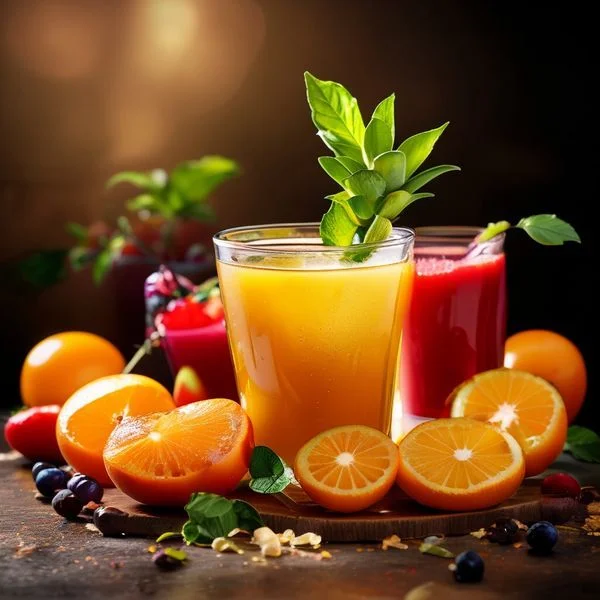
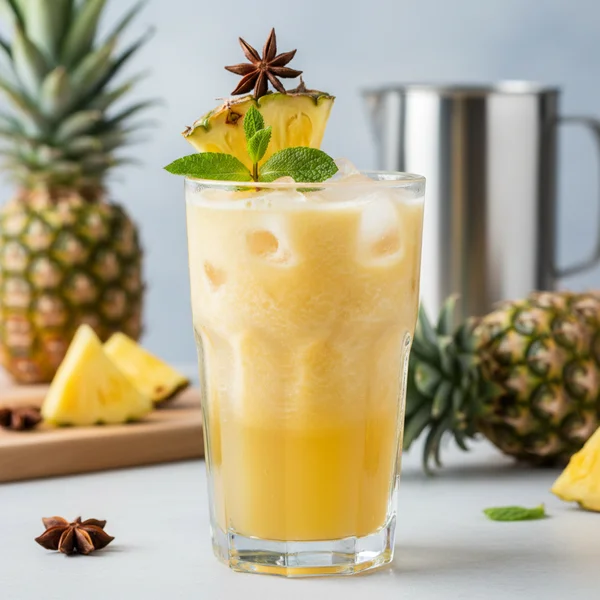
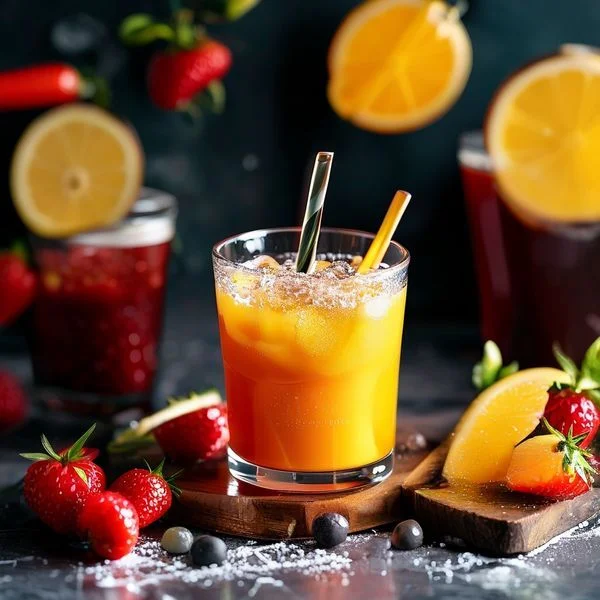
Market trends also suggest that “Instagrammability” plays a significant role in a juice bar’s success. A well-placed garnish, such as a sprig of mint, a slice of dragon fruit, or a dusting of hemp seeds, transforms a basic beverage into a visual experience that customers want to share online. This organic marketing is invaluable. Additionally, the inclusion of ice is more than just a cooling mechanism; the quality and shape of the ice can affect the dilution rate and overall mouthfeel of the drink, making it a critical component of your recipe development.
A Comprehensive Step-by-Step Guide to Launching Your Juice Bar
Opening a juice bar requires a balance of creative culinary skills and rigorous business logistics. Following a structured path ensures that you do not overlook critical regulatory or operational requirements.
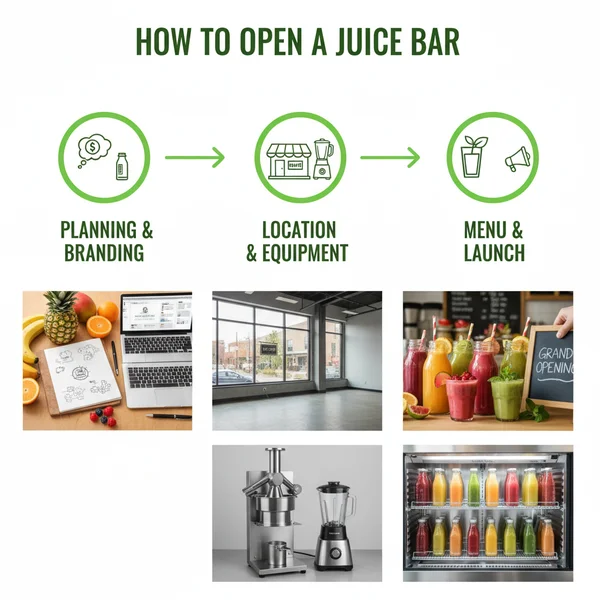
1. Develop a Niche Business Plan: Define your target demographic. Are you catering to the post-workout crowd, busy office professionals, or health-conscious families? Your menu and pricing should reflect this. Determine if you will focus on 100% organic ingredients, which increases costs but also justifies a higher price point.
2. Secure the Right Location: High foot traffic is essential for a juice bar. Locations near gyms, yoga studios, or corporate hubs are ideal. Ensure the space has adequate plumbing and electrical capacity to handle multiple heavy-duty machines running simultaneously.
3. Acquire Necessary Permits and Licenses: Contact your local health department early. Juice bars are subject to strict food safety regulations, especially concerning the handling of raw produce. You will need a retail food establishment license and potentially a specialized permit if you plan to bottle your juice for wholesale.
4. Invest in Professional Equipment: Do not cut corners here. You will need at least one industrial-strength blender capable of crushing frozen ingredients and ice several hundred times a day. You will also need commercial juicers (centrifugal or masticating), refrigeration units to keep ingredients chilled, and prep tables.
5. Sourcing Ingredients: Establish relationships with local farmers or wholesale produce distributors. Consistency is key; you need a reliable supply of kale, spinach, citrus, and ginger. Consider using frozen fruits for smoothies to ensure year-round availability and to help maintain a thick, refreshing consistency.
6. Menu Engineering and Testing: Create a signature menu that balances flavor and nutrition. Test recipes to ensure they remain stable and refreshing over time. Remember that the addition of a garnish can enhance the perceived value of the drink, making it feel like a premium treat rather than just a beverage.
7. Staff Training: Your staff should be knowledgeable about the health benefits of your ingredients. They should understand the importance of hygiene and the specific order in which ingredients are added to the blender to ensure a smooth, consistent blend every time.
Important Considerations for Long-Term Success
One of the most significant challenges in the juice bar industry is waste management. Fresh produce has a very short shelf life, and the “pulp” created during the juicing process can be substantial. Successful owners often find creative ways to use this byproduct, such as composting or partnering with local bakeries to use fruit pulp in muffins. Managing your inventory to minimize spoilage is the difference between profit and loss. Keeping your storage areas perfectly chilled and rotating stock using the “first-in, first-out” method is mandatory.
Consistency in temperature and texture is another vital consideration. A refreshing juice must be served at the optimal temperature. If a drink is too warm, it loses its appeal; if it is too ice-heavy, the flavors become muted. Finding the “goldilocks” zone of temperature control requires calibrated refrigeration and a consistent supply of ice. Furthermore, consider the hydrating properties of your menu. In the summer months, your marketing should lean heavily into the hydrating and chilled nature of your products to attract customers seeking relief from the heat.
Finally, do not underestimate the power of aesthetics. From the interior design of your shop to the way you apply a garnish to a finished cup, every detail contributes to the customer’s perception of “health” and “cleanliness.” A cluttered or messy prep area can quickly turn off customers who are there specifically for a health-focused product. Use clear, high-quality packaging that showcases the vibrant, natural colors of the fruits and vegetables.
- Optimize Your Prep: Pre-portion your frozen fruits and vegetables into individual bags to speed up service during peak hours and ensure consistent portions for the blender.
- Ice Quality Matters: Use filtered water for your ice to ensure it doesn’t alter the flavor profile of your refreshing beverages as it melts.
- Focus on Functional Add-ons: Offer “boosters” like collagen, protein powder, or spirulina to increase your average transaction value.
- Temperature Control: Always serve your juices in insulated cups or pre-chilled glassware to maintain that crisp, hydrating experience for the customer.
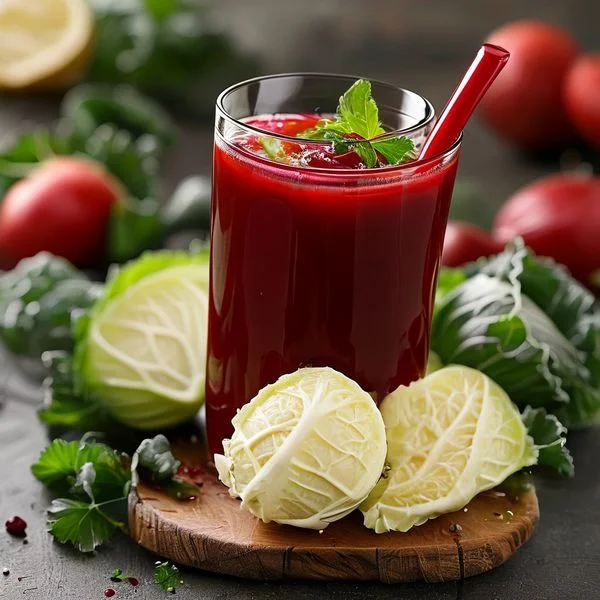
- Strategic Garnish: A simple garnish like a lemon zest or a few pomegranate seeds adds minimal cost but significantly boosts the premium feel of the drink.
Conclusion
Opening a juice bar is a rewarding venture that caters to the growing demand for convenient, healthy nutrition. By focusing on high-quality equipment—specifically a reliable blender and efficient cooling systems—and sourcing the freshest ingredients, you can build a brand that resonates with wellness enthusiasts. Remember that the success of your business lies in the details: the refreshing taste of a perfectly chilled juice, the hydrating benefits of your signature recipes, and the visual appeal of a thoughtfully placed garnish. With careful planning, strict inventory management, and a commitment to quality, your juice bar can become a staple in your community’s daily health routine.
❓ Frequently Asked Questions
1
How long does fresh juice last in the fridge?
Freshly pressed juice typically lasts between 24 and 72 hours when stored in an airtight glass container in the refrigerator. To maintain maximum nutrient density and prevent oxidation, it is best consumed within the first 24 hours. Always check for changes in color or smell before serving to customers.


2
Can I make juice bar recipes ahead of time?
While you can prep ingredients like washing and cutting produce ahead of time, it is best to juice items to order. This ensures the beverage remains refreshing and retains all its hydrating properties. If you must pre-batch, use a cold-press juicer to extend the shelf life without using heat.
3
What can I substitute for a commercial juicer?
If you are just starting, a high-powered professional blender can be used as a substitute by blending produce with a little water and straining the pulp through a nut milk bag. However, for a commercial juice bar, a dedicated centrifugal or masticating juicer is necessary for high-volume efficiency and quality.
4
How do I know when my juice menu is balanced?
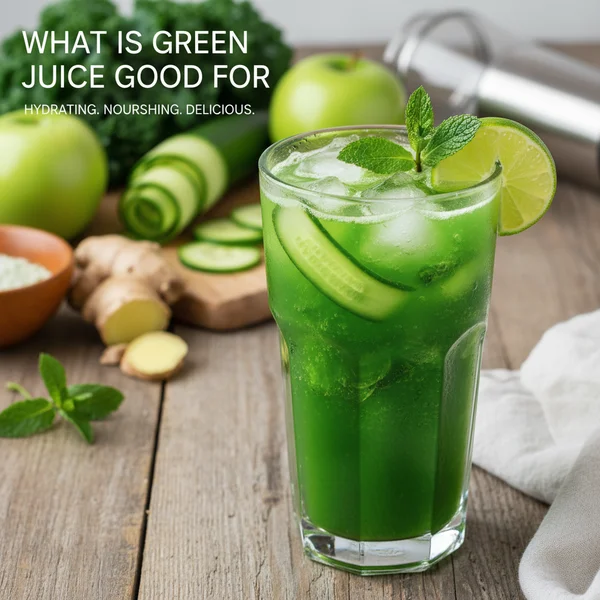
A balanced juice menu offers a variety of flavor profiles, including sweet, earthy, and citrus options. Ensure you have several hydrating green juices, some fruit-forward refreshing blends, and functional shots. Taste-test recipes regularly to ensure they aren’t overly bitter and that the garnish adds the perfect final touch to every cup.
5
Can I freeze fresh juice bar ingredients?
Yes, you can freeze certain ingredients like berries, bananas, or even ginger to use in smoothies or to keep drinks cold without diluting them with plain ice. Freezing helps reduce waste and ensures you always have stock for your blender, though fresh is always preferred for premium cold-pressed juices.