Best Juice for Inflammation and Pain: Healthy & Easy
Chronic inflammation is the silent culprit behind many modern ailments, ranging from stiff joints and arthritis to persistent muscle soreness and fatigue. While over-the-counter medications offer temporary relief, many health-conscious individuals are turning to nature’s pharmacy for long-term solutions. Incorporating the best juice for inflammation and pain into your daily routine can provide a potent dose of antioxidants and bioactive compounds that target the root cause of discomfort. In this comprehensive guide, we explore the top-ranked liquid remedies that can help soothe your body, reduce swelling, and restore your mobility. You will discover how simple ingredients, often found in your own kitchen, can be transformed into refreshing elixirs that promote systemic healing and peak physical performance.
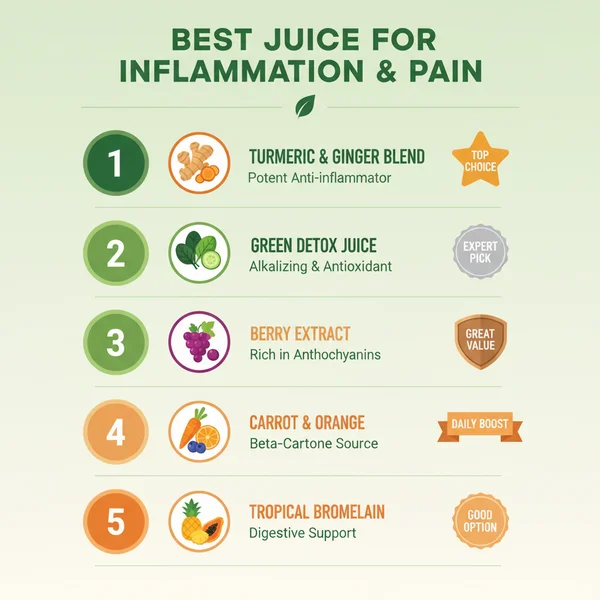
- Tart Cherry Juice
- Pineapple Juice (Bromelain Booster)
- Ginger and Turmeric Tonic
- Pomegranate Power Juice
- Beetroot and Apple Elixir
- Cold-Pressed Celery Juice
- Green Leafy Veggie Blend
- Hydrating Watermelon Juice
- Carrot and Orange Defense
- Aloe Vera and Lemon Cooler
The Complete List of the Best Juices for Inflammation and Pain
#1: Tart Cherry Juice
Tart cherry juice is widely regarded by nutritionists as the best juice for inflammation and pain, specifically for muscle recovery and gout management. It is exceptionally high in anthocyanins, which are plant pigments that have been shown to work similarly to anti-inflammatory drugs like ibuprofen. Drinking this juice chilled after a workout can significantly reduce delayed onset muscle soreness (DOMS). For a more refreshing experience, pour it over a glass of ice and add a sprig of mint as a garnish. Because it is naturally low in sugar compared to other fruit juices, it provides a powerful punch of antioxidants without causing a significant insulin spike, making it a staple for anyone dealing with chronic joint discomfort.
#2: Pineapple Juice (Bromelain Booster)
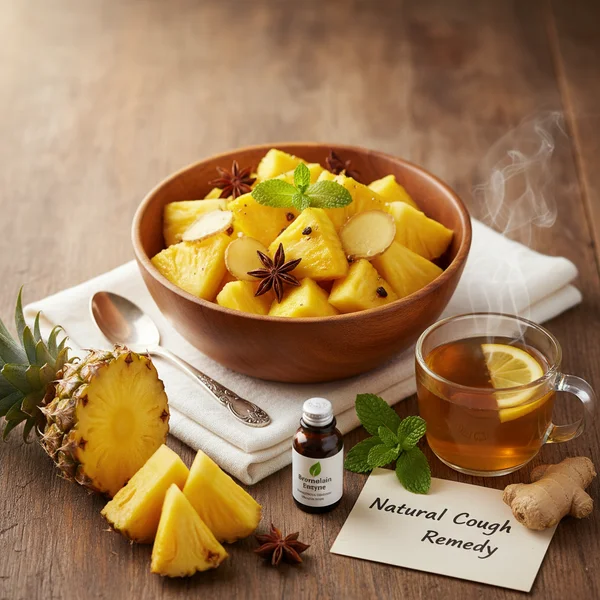
Pineapple juice contains a unique enzyme called bromelain, which has been studied extensively for its ability to reduce swelling and bruising. This makes it an excellent choice for individuals recovering from surgery or those dealing with osteoarthritis. To maximize the benefits, it is best to process fresh pineapple in a high-speed blender rather than buying canned versions, as heat processing can destroy the delicate enzymes. If you prefer a frozen treat, you can blend the pineapple with ice to create a slushy consistency. This juice is incredibly hydrating and provides a significant dose of Vitamin C, which is essential for collagen synthesis and the repair of connective tissues throughout the body.
#3: Ginger and Turmeric Tonic
When searching for the best juice for inflammation and pain, the combination of ginger and turmeric is unbeatable. Turmeric contains curcumin, a bioactive compound that blocks inflammatory cytokines, while ginger contains gingerol, which reduces pain pathways in the nervous system. Since curcumin is fat-soluble, many people blend these roots in a blender with a splash of coconut milk or a drop of olive oil. Serve this tonic chilled with a pinch of black pepper to enhance the absorption of the curcumin. It is a warming yet refreshing drink that can be consumed daily to manage systemic inflammation and improve overall digestive health, which is often linked to inflammatory markers.
#4: Pomegranate Power Juice
Pomegranate juice is packed with polyphenols, which are potent antioxidants that help protect the joints from cartilage damage. Research suggests that pomegranate extract can inhibit the production of enzymes that break down cartilage in people with osteoarthritis. It is best enjoyed as a hydrating morning beverage to kickstart your body’s defense mechanisms. For an extra crisp flavor, serve it over crushed ice and use a lemon slice as a garnish. The deep red color indicates its high nutrient density. While it is slightly more caloric than green juices, its ability to improve blood flow and reduce arterial inflammation makes it a multi-faceted health tonic for cardiovascular and musculoskeletal wellness.
#5: Beetroot and Apple Elixir
Beetroot juice is famous for its high nitrate content, which improves circulation and delivers oxygen to inflamed tissues more efficiently. When mixed with green apples, it becomes a balanced, refreshing drink that targets both oxidative stress and physical pain. The betalains in beets provide the anti-inflammatory effect, helping to reduce markers like C-reactive protein. You can prepare this by tossing raw beets and apples into a blender and straining the pulp, or using a juicer. If you find the earthy taste too strong, serving it chilled or even partially frozen as a granita can make the flavor profile much more palatable while keeping you hydrating throughout the afternoon.
#6: Cold-Pressed Celery Juice
Celery juice has gained massive popularity as a “miracle” drink for various inflammatory conditions. It contains apigenin and luteolin, two powerful flavonoids that help reduce inflammation and may even help with autoimmune responses. Because celery is mostly water, this juice is exceptionally hydrating, making it a perfect choice for the start of your day. It is best consumed fresh and chilled to preserve its volatile oils. Many enthusiasts prefer to avoid adding ice directly into the juice to prevent dilution, opting instead to refrigerate the stalks before juicing. Adding a cucumber to the blender can enhance the volume and provide a more neutral, refreshing base for those sensitive to the taste of celery.
#7: Green Leafy Veggie Blend
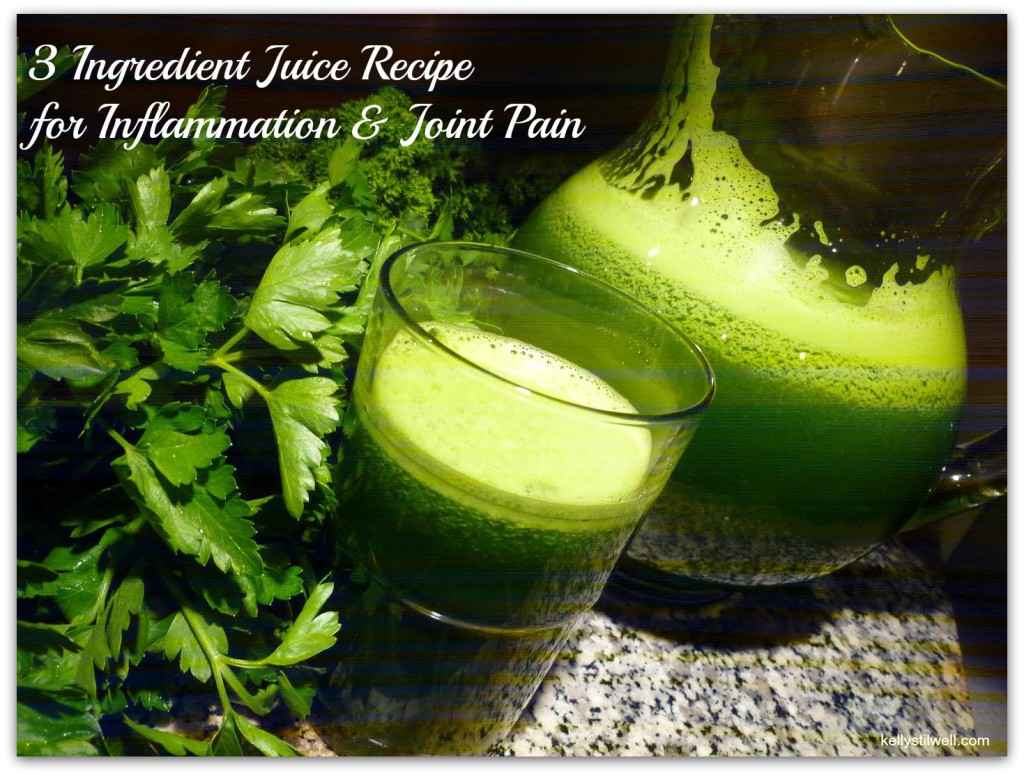
A juice made from kale, spinach, and parsley is a chlorophyll-rich powerhouse that helps alkalize the body and reduce inflammatory acidity. These greens are loaded with Vitamin K and antioxidants that support bone health and reduce joint pain. To make this a truly refreshing beverage, blend the greens with a squeeze of lemon and a small piece of green apple. Using a high-speed blender allows you to keep some of the fiber if you prefer a thicker consistency, or you can strain it for a smooth, chilled juice. A parsley garnish adds a professional touch and an extra boost of Vitamin C, helping to flush out toxins that contribute to chronic pain.
#8: Hydrating Watermelon Juice
Watermelon is more than just a summer fruit; it is a source of lycopene and the amino acid L-citrulline, both of which are effective at reducing muscle soreness and systemic inflammation. Because it has such high water content, it is naturally hydrating and does not require any additional liquids in the blender. For the best results, blend the red flesh with some of the white rind, where the citrulline concentration is highest. Serving it frozen as a healthy “frosty” or simply over a bed of ice makes it a delicious treat. It’s an ideal choice for the best juice for inflammation and pain when you need something light, sweet, and incredibly soothing on a hot day.
#9: Carrot and Orange Defense
This vibrant orange juice is rich in beta-carotene and Vitamin C, which work together to fight free radicals and reduce joint swelling. The combination of carrots and oranges provides a natural sweetness that appeals to almost everyone. To add an extra anti-inflammatory kick, many people grate a little fresh ginger into the blender during preparation. This juice is best served chilled and can be made in large batches to store in the refrigerator. It is highly refreshing and helps support the immune system, which is vital because chronic inflammation often stems from an overactive or stressed immune response. A thin orange slice garnish makes it feel like a spa-quality beverage.
#10: Aloe Vera and Lemon Cooler
Aloe vera juice is specifically effective for internal inflammation, particularly in the digestive tract, which can often manifest as skin issues or joint pain. When mixed with lemon juice, it creates a powerful detoxifying and hydrating drink. You can buy food-grade aloe vera gel and mix it in a blender with water and fresh lemon juice. Serve it over ice for a crisp, clean finish. This drink is very low in calories but high in polysaccharides that help the body manage pain levels. It is a very refreshing option for those who want to avoid fruit sugars while still reaping the benefits of a dedicated anti-inflammatory juice protocol.
How to Choose the Best Juice for Your Needs
Selecting the best juice for inflammation and pain depends largely on your specific symptoms and dietary preferences. If you are dealing with acute muscle soreness after exercise, tart cherry or watermelon juices are your best options due to their specific amino acid and anthocyanin content. However, for chronic conditions like rheumatoid arthritis, a vegetable-heavy juice featuring turmeric, ginger, and dark leafy greens will provide more sustainable, long-term relief.
When choosing, always prioritize fresh, cold-pressed juices over pasteurized, shelf-stable versions. Heat pasteurization often destroys the delicate enzymes and vitamins, such as bromelain in pineapple or Vitamin C in oranges, that are responsible for the anti-inflammatory effects. Additionally, pay attention to the sugar content. While fruit juices are natural, high sugar intake can actually trigger inflammation in some individuals. Aim for a ratio of three parts vegetable to one part fruit to keep the drink refreshing without causing a glucose spike. Finally, ensure you are staying hydrating by drinking plenty of plain water alongside these therapeutic juices to help flush out the toxins released during the anti-inflammatory process.
- Always add a pinch of black pepper to any juice containing turmeric to increase curcumin absorption by up to 2,000%.
- Use a high-speed blender instead of a centrifugal juicer if you want to retain more fiber, which helps regulate sugar absorption.
- Drink your anti-inflammatory juice on an empty stomach, at least 20 minutes before a meal, for maximum nutrient uptake.
- Freeze juice into ice cubes to add to water, ensuring you get a steady dose of anti-inflammatory compounds throughout the day.
Conclusion
Finding the best juice for inflammation and pain can be a transformative journey for your health. Whether you choose the enzyme-rich pineapple juice, the recovery-focused tart cherry, or the potent ginger-turmeric tonic, consistency is the key to seeing results. These natural beverages offer a delicious, hydrating, and refreshing way to support your body’s healing processes without the side effects of synthetic pills. If you are new to juicing, we recommend starting with the Tart Cherry or Celery juice, as they offer the most immediate and noticeable benefits for most people. Raise a chilled glass to your health today!

❓ Frequently Asked Questions
1
How long does this juice last in the fridge?
This juice is best consumed immediately to get the full benefit of its live enzymes. However, it will last in the refrigerator for up to 24 hours if stored in an airtight glass jar. Be sure to give it a good shake before drinking as separation is natural.
2
Can I make this juice ahead of time?
While fresh is best, you can certainly prep the ingredients like peeled ginger and chopped pineapple ahead of time. Simply store them in the freezer or fridge so you can toss them into your blender whenever you need a quick, anti-inflammatory boost without the extra morning prep work.
3
What can I substitute for pineapple?
If you don’t have pineapple, green apples or oranges are excellent substitutes. Pineapple is chosen for its bromelain content, which helps reduce swelling, but tart cherries are another scientifically-backed alternative known for reducing muscle pain and joint inflammation while providing a bright, tangy flavor profile for your juice.
4
How do I know when the juice is done?
If you are using a blender, the juice is ready once the mixture is completely vibrant in color and smooth in texture. If you aren’t using a high-powered machine, you may need to blend for an extra 60 seconds and then strain the liquid to remove any fibrous ginger bits.
5
Can I freeze this juice?
Yes, you can freeze this juice in silicone ice cube trays for easy portioning later. These cubes are perfect for adding to water or smoothies for a hydrating, anti-inflammatory kick. For the best taste and nutritional quality, try to use your frozen juice cubes within two to three months.