Celery and Carrot Juice: Refreshing & Healthy
Imagine waking up to a glass of liquid sunshine that not only tastes incredible but also fuels your body with essential nutrients. This celery and carrot juice is the ultimate refreshing beverage, perfect for those busy weekday mornings when you need a quick boost or as a hydrating recovery drink after a long workout. Whether you are hosting a healthy brunch for friends or simply looking for a way to incorporate more vegetables into your family’s diet, this vibrant blend is a guaranteed crowd-pleaser. The natural sweetness of the carrots perfectly balances the earthy, crisp notes of the celery, creating a harmonious flavor profile that even the pickiest eaters will love.
- ⏱️ Prep Time: 10 minutes
- 🍳 Cook Time: 0 minutes
- 👥 Servings: 2 servings
- 📊 Difficulty: Easy
Ingredients
To create this vibrant celery and carrot juice, you will need the following fresh ingredients. Using high-quality, organic produce when possible will yield the most flavorful and nutrient-dense results.
- 4 Large Carrots: Scrubbed and peeled if desired; these provide the base sweetness and a rich orange hue.
- 6 Stalks of Celery: Including the leaves for extra flavor and a salty, mineral-rich kick.
- 1 Small Green Apple: Cored and sliced to add a hint of acidity and natural sugar.
- 1-inch Knob of Fresh Ginger: Peeled to provide a spicy, warming undertone.
- 1/2 Fresh Lemon: Zested and juiced to brighten the overall flavor and prevent oxidation.
- 1/2 Cup Cold Filtered Water: Only necessary if you are using a blender rather than a traditional juicer.
- Ice Cubes: For serving, to ensure the drink is perfectly chilled.
- Fresh Parsley or Celery Leaves: To use as a beautiful garnish.
Before you begin the preparation, it is helpful to understand why this combination is so effective. Carrots are naturally sweet and dense, providing a smooth texture, while celery is incredibly hydrating and full of natural electrolytes. When combined in a high-speed blender, they create a drink that is both satiating and light. This recipe is designed to be accessible to everyone, whether you own a professional-grade juicer or a standard kitchen blender.
Step-by-Step Instructions
1. Start by thoroughly cleaning all of your produce. Place the carrots and celery stalks under cool, running water. Use a vegetable brush to scrub the carrots, removing any trapped dirt from the crevices. If your carrots are not organic, you may prefer to peel them with a vegetable peeler to ensure a cleaner taste and smoother texture. For the celery, make sure to rinse the inner parts of the stalks where soil often hides. Do not discard the celery leaves, as they contain a concentrated amount of flavor and nutrients that will enhance your juice.

2. Once cleaned, prepare the vegetables for processing. Cut the carrots into two-inch chunks and slice the celery stalks into similar lengths. If you are using a blender, cutting the vegetables into smaller pieces will help the blades catch the produce more effectively, preventing the motor from overworking. Core the green apple and cut it into segments. You do not need to peel the apple, as the skin contains beneficial compounds and the color will blend seamlessly into the juice. Peel the fresh ginger using the edge of a spoon to gently scrape away the thin skin.
3. If you are using a blender, place the carrot chunks, celery pieces, apple segments, and ginger into the blender jar. Pour in half a cup of cold, filtered water. This liquid acts as a “primer,” helping the ingredients circulate around the blades. If you want an even colder drink, you can substitute some of the water with a few ice cubes. Secure the lid tightly. If you are using a dedicated juicer, simply feed the ingredients through the hopper one by one, alternating between the hard carrots and the fibrous celery for the best extraction.
4. Turn your blender on the lowest speed and gradually increase to high. Process the mixture for about 60 to 90 seconds. You are looking for a completely pulverized, smooth puree. If the mixture seems too thick or the blender is struggling, add an extra tablespoon of water at a time until everything is moving freely. The goal is to break down the tough fibers of the vegetables as much as possible to release all the hydrating liquid trapped inside the cell walls of the plants.
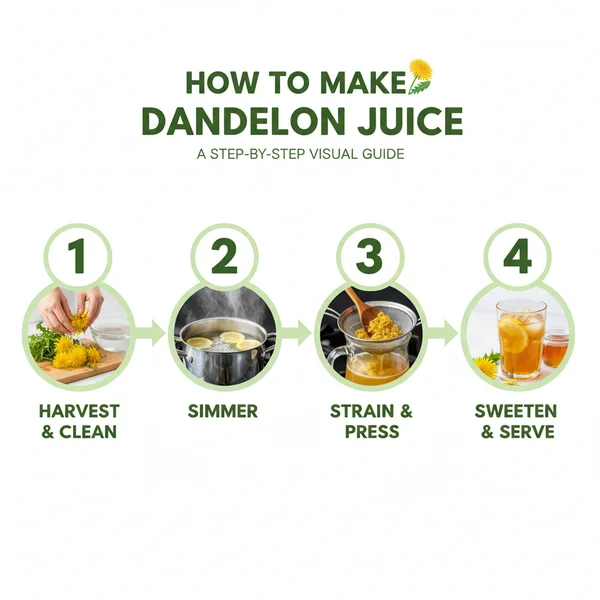
5. Prepare a large bowl or a pitcher and place a fine-mesh sieve or a nut milk bag over the top. Carefully pour the blended mixture into the sieve or bag. If using a sieve, use the back of a large spoon to press down firmly on the pulp, squeezing out every last drop of the vibrant orange liquid. If using a nut milk bag, gather the top of the bag and squeeze it firmly with your hands. This manual pressing ensures you get the most juice possible while leaving the dry pulp behind.
6. Once you have extracted all the juice, discard the pulp (or save it for baking into muffins or adding to soups). Squeeze the juice of half a lemon directly into the pitcher. The citric acid will not only add a refreshing zing but will also help keep the juice from darkening. Stir the mixture well with a long spoon to ensure the flavors are fully integrated. Taste a small amount; if you prefer it sweeter, you could add a drop of honey or maple syrup, though the carrots usually provide enough natural sugar.
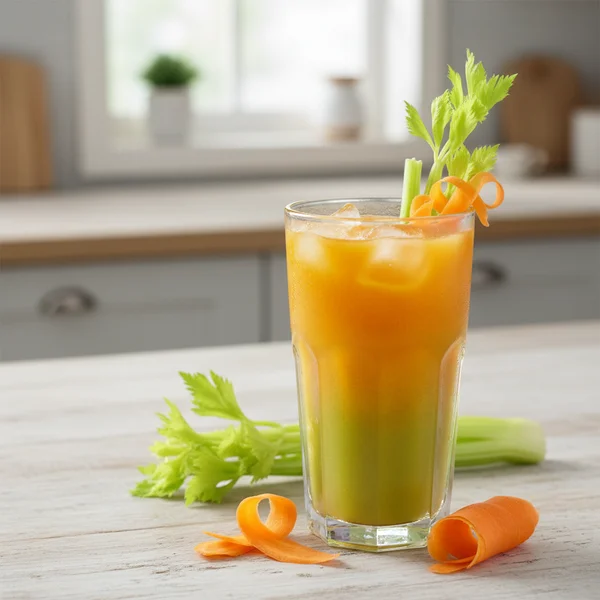
7. Prepare two tall glasses by filling them halfway with fresh ice. Pour the celery and carrot juice slowly over the ice, watching the beautiful, layered colors settle. Using ice is crucial because this juice is best enjoyed when it is deeply chilled, which heightens the crispness of the celery. The immediate drop in temperature makes the drink feel significantly more refreshing and revitalizing on the palate.
8. For the final touch, garnish each glass. A small sprig of fresh parsley or a tender inner celery leaf adds a professional look and a burst of herbal aroma. Serve your juice immediately to enjoy the peak flavor and nutrient density. This drink is best consumed within fifteen minutes of preparation to prevent the natural separation of the liquid and to ensure you receive the full benefits of the fresh enzymes.
To take this juice to the next level, try chilling your carrots and celery in the refrigerator overnight before juicing. This ensures the resulting liquid is ice-cold without needing too much extra ice, which can dilute the flavor. If you find the celery taste too dominant, increase the ratio of carrots or add a slice of orange for extra sweetness. For those who enjoy a bit of texture, you can skip the straining process entirely and enjoy it as a thick, fiber-rich smoothie, which will keep you full for a much longer period throughout the morning.
Variations and Substitutions
This celery and carrot juice recipe is incredibly versatile and can be adapted to suit your specific dietary needs or flavor preferences. If you want a more hydrating blend, try adding half of a peeled cucumber, which pairs beautifully with the celery. For those who enjoy a bit of spice, a pinch of cayenne pepper or a dash of turmeric can add an anti-inflammatory kick. If you prefer a frozen, slushy-like consistency, use frozen carrot coins instead of fresh ones in your blender. This will create a thick, frosty texture that is perfect for hot summer afternoons. For a sweeter, kid-friendly version, swap the green apple for a red Fuji apple or add a splash of fresh pineapple juice. Those following a keto or low-carb lifestyle can omit the apple and increase the ginger and lemon for a savory, zesty tonic.
Storage and Make-Ahead Instructions
Fresh vegetable juice is always best served immediately to maximize its nutritional value. However, if you need to save time, you can store this juice in an airtight glass container or a mason jar in the refrigerator for up to 24 hours. To minimize oxidation, fill the container all the way to the top to leave as little air as possible before sealing the lid. If the juice separates during storage, simply give it a vigorous shake before pouring it over fresh ice. You can also freeze the juice in silicone ice cube trays. These frozen juice cubes are excellent for dropping into smoothies later in the week, ensuring that none of your hard work goes to waste while providing a quick, hydrating boost to your morning routine.
Calories: 85 kcal | Carbohydrates: 18g | Fiber: 5g | Protein: 2g | Vitamin A: 320% DV | Vitamin C: 45% DV
❓ Frequently Asked Questions
1
How long does celery and carrot juice last in fridge?
For the best flavor and nutrient density, drink it immediately. However, you can store it in an airtight glass jar for up to 24 hours. Shake well before drinking, as natural separation will occur over time. Keep it as cold as possible to maintain its freshness.
2
Can I make celery and carrot juice ahead of time?
While fresh is best, you can prep it the night before. Keep it in a sealed container to minimize oxidation. Adding a squeeze of lemon juice acts as a natural preservative and helps maintain the vibrant color and fresh taste until you are ready to enjoy it.
3
What can I substitute for celery?
If you aren’t a fan of celery, cucumber is an excellent hydrating substitute. It provides a similar water content and mild flavor profile. Alternatively, use fennel for a slightly sweeter, anise-like taste that pairs beautifully with the earthy notes of carrots and the zing of fresh ginger.
4
How do I know when celery and carrot juice is done?
If using a juicer, it’s done once all produce has passed through the machine. If using a blender, blend until completely smooth with no large chunks. Once strained through a fine-mesh sieve or nut milk bag, your vibrant, pulp-free juice is ready to be served over ice.
5
Can I freeze celery and carrot juice?
Yes, you can freeze it in silicone ice cube trays for later use in smoothies. While some nutrients degrade slightly during freezing, it’s a great way to reduce waste. Thaw in the fridge or pop the cubes directly into your morning blender for an extra nutritional boost.