Carrot and Cucumber Juice: Ultimate Healthy Guide
Carrot and cucumber juice has long been a staple in the world of wellness, and for good reason. This vibrant elixir combines the earthy sweetness of beta-carotene-rich carrots with the crisp, cooling properties of cucumbers, resulting in a drink that is as delicious as it is beneficial. Whether you are looking for a morning pick-me-up or a post-workout recovery aid, this duo offers a unique balance of vitamins, minerals, and electrolytes. In this guide, we will explore the science behind this powerhouse beverage, various methods of preparation using a standard blender or juicer, and creative ways to customize your drink for maximum flavor and nutrition.
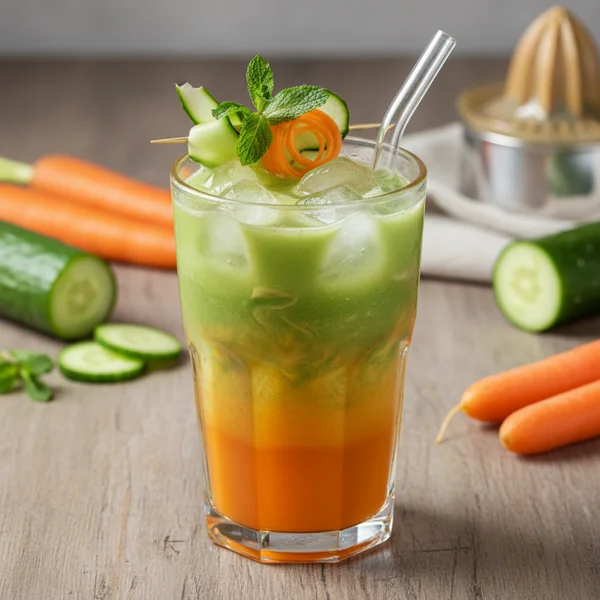
Carrot and cucumber juice is a nutrient-dense, low-calorie beverage that excels at internal hydration and skin support, offering a perfect balance of vitamins A, K, and essential electrolytes when served chilled.
The Nutritional Synergy of Carrot and Cucumber
The combination of carrots and cucumbers creates a nutritional profile that is greater than the sum of its parts. Carrots are world-renowned for their high concentration of beta-carotene, which the body converts into Vitamin A. This nutrient is essential for maintaining healthy vision, supporting the immune system, and promoting skin cell turnover. When you juice a carrot, you are essentially concentrating these carotenoids into a bioavailable liquid form that the body can absorb quickly.
Cucumbers, on the other hand, bring a high water content and a wealth of silica to the mix. Composed of approximately 95% water, cucumbers are naturally hydrating, making them the perfect base for any vegetable juice. The silica found in cucumber skins is a trace mineral that contributes to the strength of connective tissues, including hair, skin, and nails. By mixing these two ingredients, you create a drink that addresses both internal health and external aesthetics. Furthermore, cucumbers contain caffeic acid and ascorbic acid (Vitamin C), which help to reduce skin irritation and swelling.
Together, these vegetables provide a significant dose of potassium, an electrolyte that helps regulate fluid balance and blood pressure. Unlike fruit juices that are often high in fructose, carrot and cucumber juice remains relatively low-glycemic, providing a steady stream of energy without the dramatic insulin spikes. This makes it an ideal beverage for those managing their sugar intake while still seeking a refreshing and flavorful drink.
Juicing vs. Blending: Finding Your Perfect Consistency
When it comes to preparing carrot and cucumber juice, there are two primary schools of thought: using a dedicated juicer or employing a high-speed blender. Each method has its own set of advantages depending on your desired texture and nutritional goals. A juicer works by separating the liquid extract from the fibrous pulp. This results in a thin, smooth liquid that is very easy for the digestive system to process, allowing for rapid nutrient absorption. If you prefer a traditional “juice” consistency, a masticating or centrifugal juicer is your best bet.
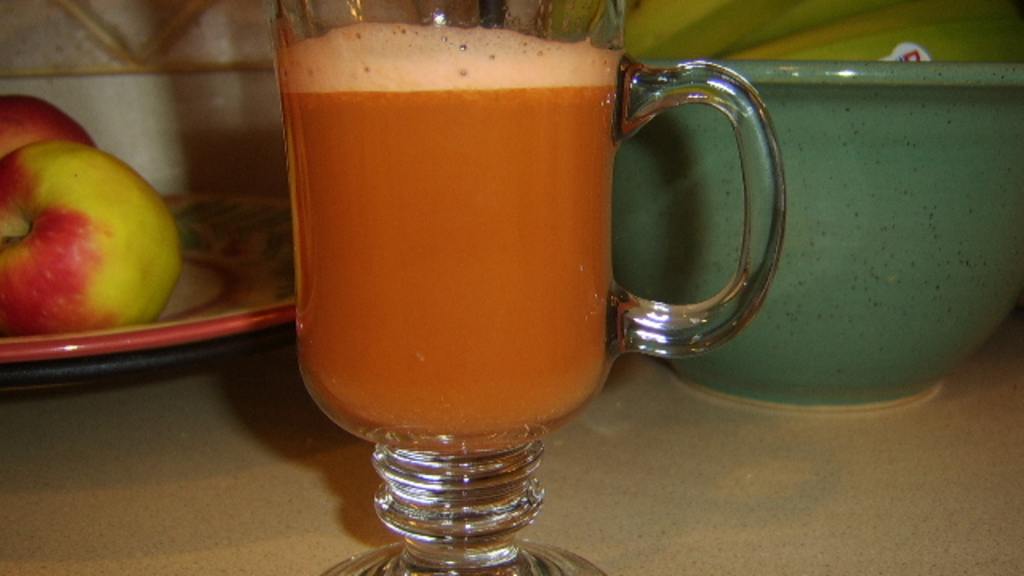
However, many health enthusiasts prefer using a blender. Blending the vegetables whole preserves the dietary fiber, which is crucial for digestive health and satiety. To achieve a juice-like consistency in a blender, you will likely need to add a small amount of filtered water or ice to help the blades catch the produce. If the resulting texture is too thick, you can pour the mixture through a nut milk bag or a fine-mesh strainer to remove the excess solids. This “blender juice” method is often preferred by those who want to avoid the cleanup associated with complex juicing machines.
| Feature | Centrifugal Juicer | High-Speed Blender |
|---|---|---|
| Texture | Thin and smooth | Thick or pulpy (unless strained) |
| Fiber Content | Low (mostly removed) | High (retains whole plant) |
| Preparation Speed | Fast processing | Requires more liquid/straining time |
Flavor Enhancements and Aesthetic Presentation
While the base of carrot and cucumber is delightful on its own, it serves as an excellent canvas for various flavor enhancers. To brighten the earthy notes of the carrot, consider adding a squeeze of fresh lemon or lime. The acidity not only improves the flavor profile but also helps prevent the juice from oxidizing too quickly, preserving that bright orange-green hue. For a spicy kick that aids digestion, a small knob of fresh ginger is a common addition that pairs beautifully with the sweetness of the carrots.
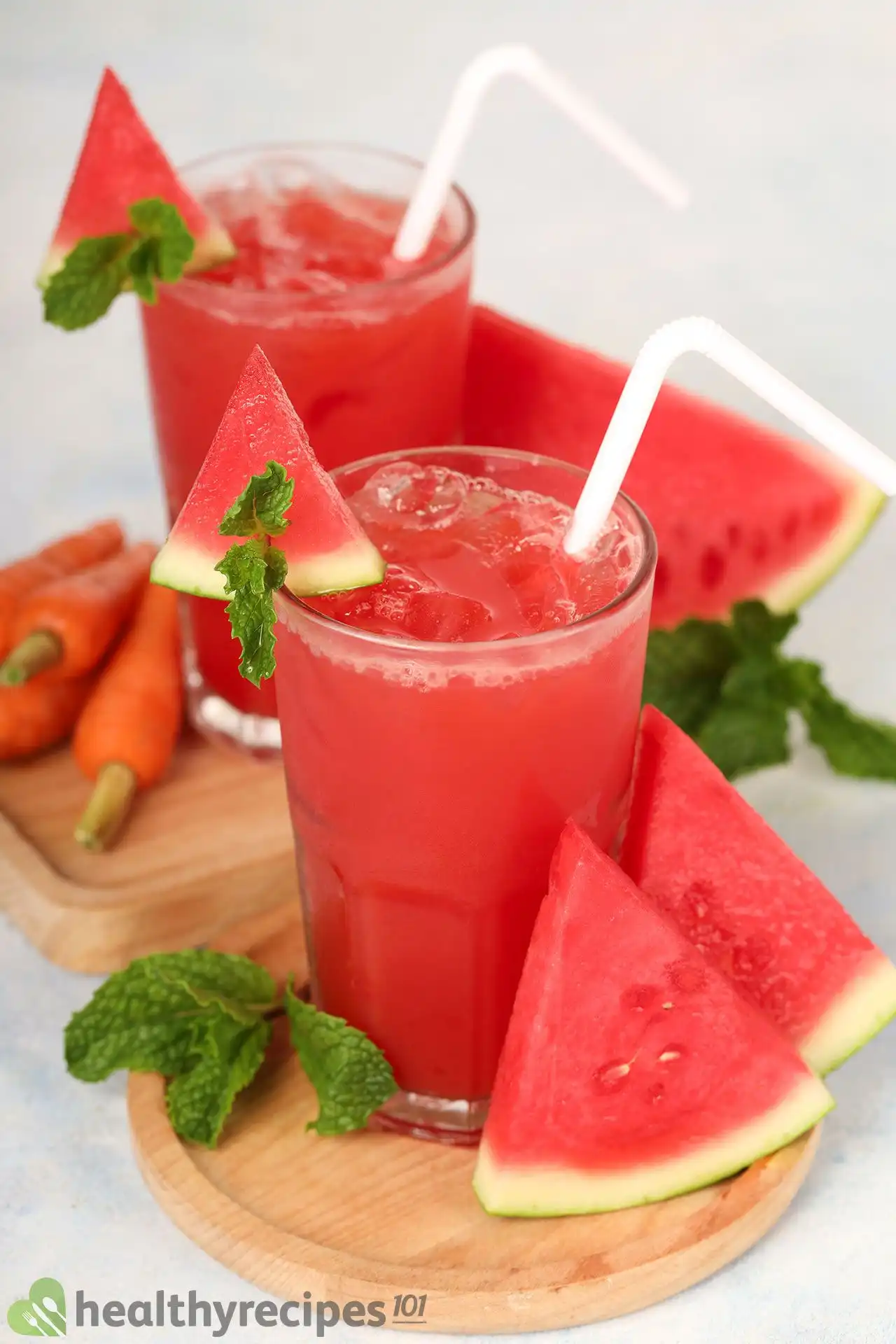
Presentation is just as important as taste when serving a refreshing beverage. Serving the juice chilled is non-negotiable for the best experience. You can achieve this by using frozen cucumber slices in place of regular ice cubes, which prevents the juice from becoming diluted as it sits. If you are serving this for a brunch or a social gathering, adding a sophisticated garnish can elevate the entire experience. A sprig of fresh mint, a thin ribbon of cucumber, or even a light dusting of black pepper can transform a simple vegetable juice into a gourmet treat.
For those who prefer a sweeter profile without adding processed sugars, incorporating a green apple or a few stalks of celery can adjust the flavor balance. Celery adds a salty, mineral undertone that complements the hydrating properties of the cucumber, while apple provides a natural tartness. Experimenting with these additions allows you to tailor the juice to your specific palate while maintaining the core health benefits of the primary ingredients.
The Science of Hydration and Skin Health
One of the most cited reasons for consuming carrot and cucumber juice is its impact on skin clarity and overall hydration. True hydration is about more than just drinking water; it involves the intake of electrolytes and structured water found in fresh produce. Cucumbers are a source of “living water,” which is filtered by the plant and rich in minerals. This type of hydration is more easily retained by the body’s cells compared to distilled or tap water alone. When you combine this with the collagen-supporting properties of carrot’s Vitamin A, you have a potent internal “beauty serum.”
Inflammation is a primary cause of many skin issues, including redness and acne. Both carrots and cucumbers possess anti-inflammatory compounds. The antioxidants in carrots help neutralize free radicals caused by UV exposure and environmental pollutants. Regular consumption of this juice can lead to what many call the “carrot glow”—a healthy, natural tint to the skin caused by the accumulation of carotenoids. Because this juice is so hydrating, it also helps the kidneys flush out toxins more efficiently, which in turn reduces the burden on the skin as an organ of elimination.
To maximize these benefits, it is best to drink the juice on an empty stomach, typically in the morning. This allows the digestive system to prioritize the absorption of the liquid nutrients without having to compete with heavy solids. Many people report an immediate feeling of being chilled and energized after a glass, likely due to the rapid delivery of electrolytes to the bloodstream.
Best Practices for Storage and Freshness
Freshly pressed juice is a volatile substance. The moment the cell walls of the vegetables are broken, enzymes and oxygen begin to interact, leading to a loss of nutrient potency. To get the most out of your carrot and cucumber juice, it should ideally be consumed within 15 to 20 minutes of preparation. However, in our busy lives, this isn’t always possible. If you must store your juice, do so in an airtight glass container, filling it to the very brim to minimize the amount of oxygen trapped inside.
Keeping the juice chilled in the refrigerator can extend its life for up to 24 hours, though you may notice some separation. This is natural; simply give the bottle a gentle shake before drinking. To preserve the highest level of antioxidants, some people choose to use frozen ingredients during the blending process. Using frozen carrots can create a slushy-like texture that remains cold for a longer period, making it a perfect summer treat. Avoid storing the juice in plastic containers, as the acidity of the vegetables (especially if you add lemon) can cause chemicals from the plastic to leach into your drink.
If you find yourself with an abundance of juice that you cannot finish, consider freezing it in ice cube trays. These “juice cubes” can be popped into future smoothies or even added to a glass of sparkling water for a subtle, refreshing flavor boost. This ensures that no part of your nutrient-dense creation goes to waste, while also providing a convenient way to add vitamins to other beverages.
Expert Tips for the Ultimate Juice Experience
To truly master carrot and cucumber juice, professional nutritionists often recommend paying close attention to the quality of your produce. Always opt for organic carrots and cucumbers when possible, as these are “thin-skinned” vegetables that tend to absorb pesticides more readily than others. If you cannot find organic, be sure to peel the carrots and scrub the cucumbers thoroughly with a vinegar-based wash to remove any wax or residue.
Another expert tip involves the order of processing. If you are using a juicer, alternate between the hard carrots and the watery cucumbers. The cucumber’s high liquid content helps to “flush” the carrot pulp through the machine, ensuring you get the maximum yield from both. For those using a blender, start with the cucumbers at the bottom near the blades; their high water content will quickly turn into a liquid base that allows the tougher carrots to be processed more easily without overheating the motor.
- Add a teaspoon of high-quality olive oil or avocado oil to your juice; the healthy fats significantly increase the absorption of the fat-soluble Vitamin A from the carrots.
- For an extra refreshing twist, freeze your cucumber chunks overnight before putting them in the blender to create a thick, chilled frappe consistency.
- Use a garnish of celery salt on the rim of your glass if you prefer a more savory, “mocktail” style beverage.
Conclusion
Incorporating carrot and cucumber juice into your daily routine is a simple yet transformative way to boost your nutritional intake. This hydrating beverage offers a unique combination of skin-supporting vitamins and cooling minerals that are perfect for any time of day. By choosing the right preparation method—whether it’s the fiber-rich blender approach or the smooth juicer style—and serving it chilled with a thoughtful garnish, you can enjoy a drink that feels like a luxury while providing profound health benefits. Start with a basic recipe and experiment with additions like ginger or lemon to find your own signature refreshing blend.
❓ Frequently Asked Questions
1
How long does carrot and cucumber juice last in fridge?
Fresh carrot and cucumber juice is best enjoyed immediately to preserve its nutritional value and flavor. However, you can store it in an airtight glass container in the refrigerator for up to 24 hours. Shake well before drinking as natural separation will occur over time. It is a very simple process.
2
Can I make carrot and cucumber juice ahead of time?
While you can make this juice up to a day in advance, the flavor and nutrients are most potent when consumed fresh. If you must prepare it ahead, add a splash of lemon juice to help preserve the color and store it in the coldest part of your fridge. Enjoy it cold.
3
What can I substitute for a blender?
If you do not have a juicer, a high-speed blender is an excellent substitute. Simply blend the vegetables with a small amount of water until smooth, then strain the mixture through a nut milk bag or fine-mesh sieve to remove the pulp. It creates a perfectly smooth and refreshing drink.
4
How do I know when carrot and cucumber juice is done?
The juice is ready once the vegetables are completely pulverized and the liquid is vibrant and uniform in color. If using a blender, ensure there are no large chunks remaining. After straining, the liquid should be smooth and light, ready to be poured over ice for the best experience.
5
Can I freeze carrot and cucumber juice?
Yes, you can freeze this juice in ice cube trays or freezer-safe containers for up to three months. This is a great way to preserve a large batch. Thaw in the refrigerator overnight or pop the juice cubes directly into a smoothie for a refreshing and hydrating nutritional boost.