Tomato and Mango Salsa: Refreshing & Easy
The vibrant fusion of tropical fruit and garden-fresh vegetables creates a culinary masterpiece that has become a staple in modern Mexican-inspired cuisine. Combining tomato and mango salsa offers a sophisticated profile that balances the natural sweetness of ripe fruit with the acidic, savory notes of traditional pico de gallo. This versatile condiment not only elevates simple grilled proteins but also serves as a nutritious, low-calorie dip that satisfies both sweet and savory cravings. In the following guide, you will discover how to master the balance of these flavors, understand the best ingredient varieties to use, and learn creative ways to integrate this salsa into your weekly meal rotation.
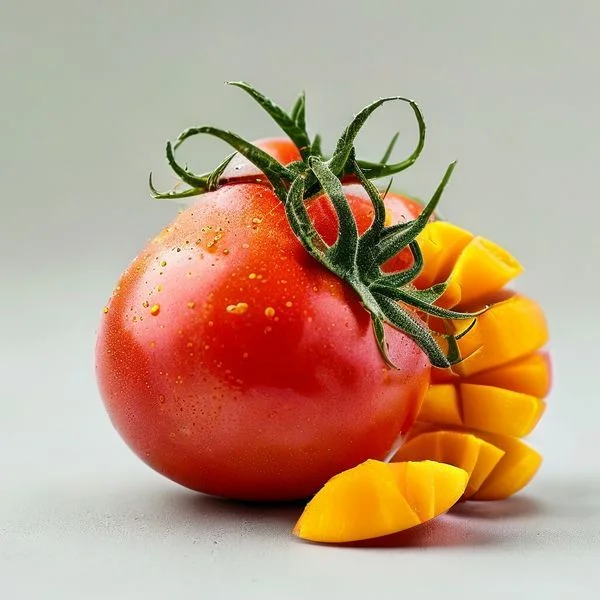
The secret to a world-class tomato and mango salsa lies in the contrast of textures and the equilibrium between the heat of fresh peppers and the acidity of citrus juice.
The Dynamic Contrast of Ingredients and Flavor Profiles
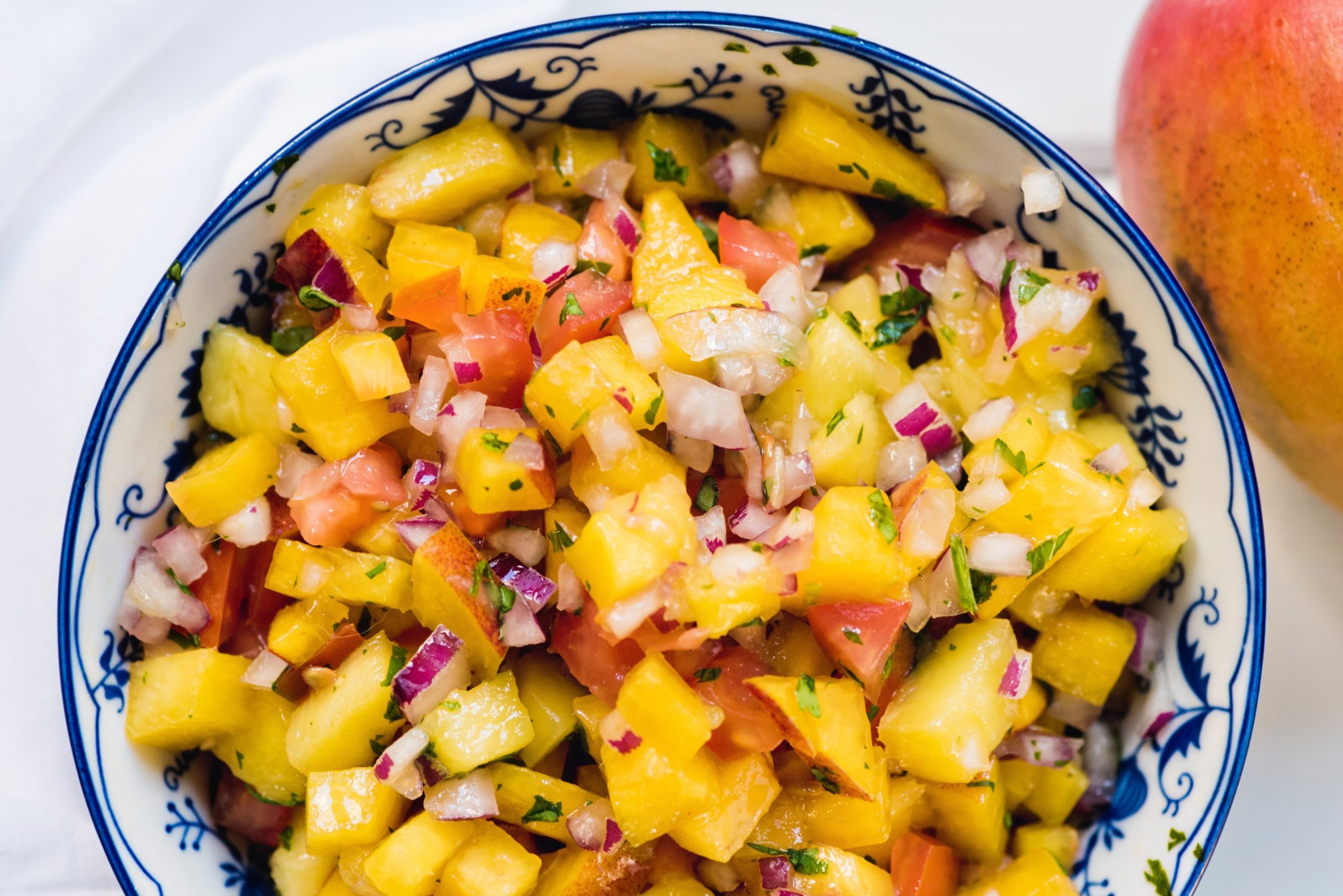
At the heart of any great tomato and mango salsa is the synergy between its components. While traditional salsa relies heavily on the acidity of the tomato, the addition of mango introduces a luscious, velvety texture and a high sugar content that cuts through the sharp bite of raw onions. To make this work effectively, one must choose the right variety of mango. Varieties like the Ataulfo (honey mango) are preferred for their lack of fibrous “strings” and intense sweetness, while the larger Tommy Atkins offers a firmer texture that holds its shape when diced.
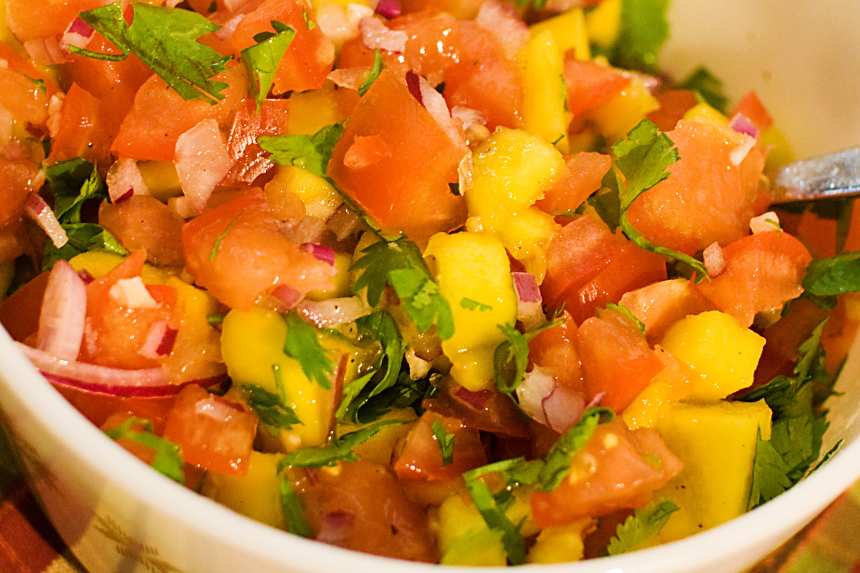
The savory counterpoint is provided by the tomato. Roma tomatoes are often the gold standard for this application because they possess a lower water content and a meaty walls, preventing the salsa from becoming unappealingly watery. When these two main players meet, they are tied together by the essential aromatic: cilantro. This herb provides a citrusy, peppery top note that brightens the entire dish.
Heat is another critical dimension. The inclusion of jalapeño allows the chef to control the intensity of the experience. By removing the seeds and membranes, you retain the crisp, vegetal flavor of the pepper with only a mild hum of heat. For those who prefer a more robust profile, a pinch of ground cumin can be introduced. This spice adds an earthy, smoky undertone that bridges the gap between the tropical fruit and the savory vegetables, grounding the flavor profile and giving it a more traditional Mexican depth.
Beyond the Bowl: Pairing with Mexican Classics
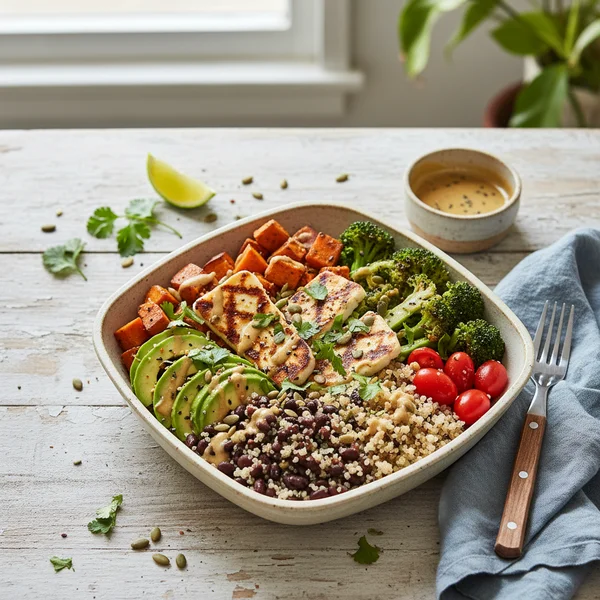
While many people view tomato and mango salsa as a simple dip for a tortilla chip, its utility in the kitchen is far more expansive. Its bright acidity makes it an incredible “fat-cutter,” meaning it pairs exceptionally well with rich, heavy ingredients. For instance, when serving a hearty bowl of black beans and rice, a generous spoonful of this salsa provides the necessary brightness to lift the dish.
In the realm of tacos and tostadas, this salsa acts as a functional garnish. Consider the structural layers of a classic taco: you have the soft or crunchy corn base, a protein, and then the toppings. If your taco includes a sharp, salty cheese like Cotija or a dollop of cool sour cream, the mango salsa provides a sweet-and-acidic relief that prevents the palate from becoming overwhelmed by salt and fat.
Below is a quick reference table for pairing your salsa with common Mexican meal components:
| Pairing Element | Why It Works |
|---|---|
| Grilled Fish Tacos | The mango complements the lightness of white fish like tilapia or mahi-mahi. |
| Refried Beans | The salsa adds texture and acidity to the creamy, dense beans. |
| Quesadillas | The fruitiness cuts through the melted cheese for a balanced bite. |
| Carnitas (Pork) | Sweet mango and pork are a classic culinary pairing that enhances savory notes. |
The Science of the Perfect Dice and Preparation
Texture is arguably just as important as flavor when constructing a tomato and mango salsa. If the pieces are too large, the flavors remain isolated; if they are too small or processed in a blender, the salsa becomes a mushy puree. The goal is a uniform, small dice (approximately 1/4 inch) for all ingredients. This ensures that every spoonful contains a bit of everything: a piece of mango, a fragment of tomato, a sliver of jalapeño, and a hint of onion.
Maceration is the secret technique used by professional chefs. Once the ingredients are combined, adding fresh lime juice and a pinch of salt begins to draw out the natural juices. This creates a “sauce” within the bowl that coats every ingredient. However, timing is vital. If the salsa sits for more than four hours, the salt will cause the tomatoes to break down and lose their structure. For the best experience, let the flavors meld for about 30 minutes at room temperature before serving.
The acidity from the lime serves a dual
Expert Tips for Customizing Your Salsa
Achieving the perfect batch requires a bit of intuition and adjustment based on your specific ingredients. Not all mangos or tomatoes are created equal, and their water content and sweetness levels will vary by season. To become a master of this dish, consider the “drain and dress” method. If your tomatoes are particularly juicy, dice them first and let them sit in a colander for ten minutes to remove excess liquid before mixing them with the mango.
Furthermore, don’t be afraid to experiment with the aromatics. While cilantro is the standard, a mix of cilantro and mint can emphasize the tropical nature of the mango. If you want to lean into the savory side, increasing the cumin or adding a charred poblano pepper instead of a raw jalapeño can introduce a complex smokiness that pairs beautifully with grilled meats.
- Use a serrated knife for the tomatoes and a very sharp chef’s knife for the mango to ensure clean cuts without crushing the flesh.
- To keep the salsa fresh for the next day, store the diced ingredients separately and combine them with the lime and salt just before serving to maintain texture.
- If the heat from the jalapeño is too intense, add a small amount of sour cream on the side of your dish to neutralize the capsaicin.
In conclusion, tomato and mango salsa is a vibrant, multi-dimensional condiment that brings a refreshing twist to traditional Mexican flavors. By focusing on the quality of your produce, maintaining a consistent dice, and balancing the essential elements of acidity, sweetness, and heat, you can create a restaurant-quality topping at home. Whether you are piling it onto a tortilla, serving it over beans, or using it to brighten up a dish topped with cheese, this salsa is sure to become a favorite. Start with fresh ingredients today and experience how a simple fruit and vegetable combination can transform your meals.
❓ Frequently Asked Questions
1
How long does tomato and mango salsa last in fridge?
This fresh salsa typically lasts between two to three days in the refrigerator. Store it in an airtight glass container to maintain the brightness of the cilantro and lime juice. Note that the tomatoes will release more liquid the longer it sits, so it is best enjoyed fresh.
2
Can I make tomato and mango salsa ahead of time?
Yes, you can prepare this dish an hour ahead to allow the cumin and jalapeño flavors to infuse. However, avoid making it more than six hours in advance, as the salt will draw moisture out of the fruit and vegetables, resulting in a watery consistency for the salsa.
3
What can I substitute for mango in this salsa?
If mangoes are unavailable, fresh pineapple or peaches are excellent alternatives that provide a similar sweet and acidic profile. These fruits pair beautifully with the lime and cilantro, ensuring your Mexican-inspired dip remains refreshing and flavorful. Simply maintain the same fruit-to-tomato ratio for the best results.
4
How do I know when tomato and mango salsa is done?
The salsa is ready when the ingredients are evenly distributed and the colors appear vibrant. Taste a small amount with a salty tortilla chip to check the balance of cumin and lime. The flavors should be a harmonious blend of sweetness from the mango and heat from the jalapeño.
5
Can I freeze tomato and mango salsa?
Freezing is not recommended for this salsa because the cell structures of the tomatoes and mangoes break down when frozen. Once thawed, the salsa will lose its signature crunch and become very watery. For the best culinary experience, always prepare this particular salsa using fresh, non-frozen ingredients.