Does Orange Juice Go Bad? Expert Safety Guide
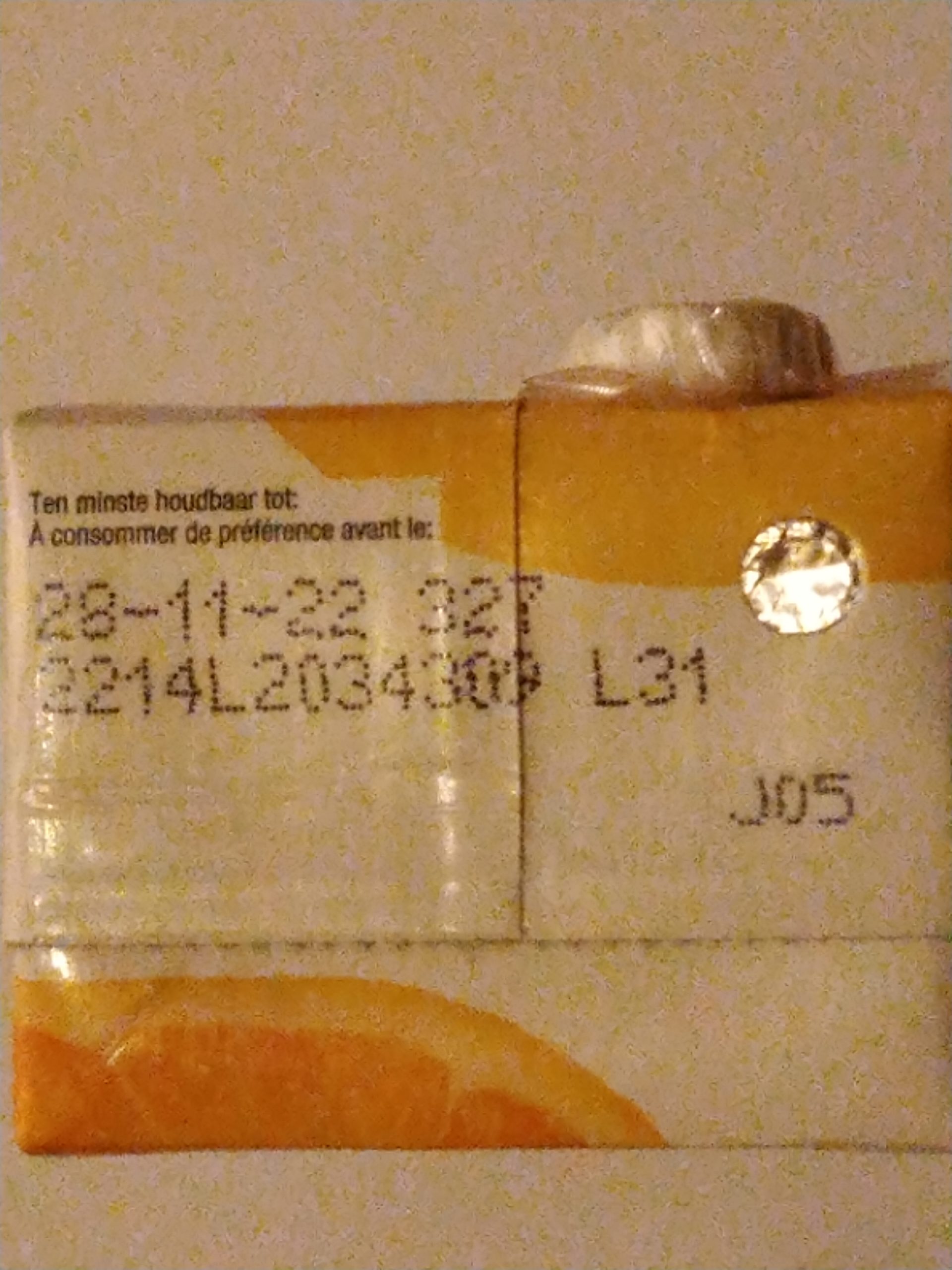
Yes, orange juice absolutely goes bad. Once opened, store-bought refrigerated orange juice typically lasts 7 to 10 days. Freshly squeezed orange juice is much more volatile, lasting only 2 to 3 days in the refrigerator. Unopened, pasteurized juice can last until the printed expiration date, while frozen concentrate remains viable for up to a year. Always look for signs of fermentation, such as a sour smell, fizzy texture, or mold growth, before consuming.

Understanding the Lifespan: Why and When Does Orange Juice Spoil?
Orange juice is a staple of the morning routine, beloved for being incredibly refreshing and hydrating. However, because it is a biological product rich in natural sugars and water, it serves as a perfect environment for microorganisms if not handled correctly. The question of whether orange juice goes bad depends heavily on how it was processed and how it is stored. Most commercially available orange juices undergo pasteurization—a heat treatment process that kills harmful bacteria and slows down spoilage enzymes. This process allows sealed containers to remain chilled in the grocery store for weeks.
When you deal with “not-from-concentrate” or reconstituted juices, the clock starts ticking the moment the seal is broken. Oxygen enters the container, initiating oxidation, which degrades the vitamin C content and alters the flavor profile. Over time, wild yeasts naturally present in the environment can find their way into the juice, beginning the fermentation process. This is why “old” orange juice often smells like vinegar or alcohol and may even appear slightly carbonated or “fizzy.”
Freshly squeezed orange juice is a different story entirely. Because it lacks the protective heat treatment of pasteurization, it retains all its natural enzymes and a higher bacterial load. While this makes it taste superior and feel more vibrant, it also means it spoils rapidly. Within just 48 to 72 hours, the flavor will begin to turn bitter and the risk of foodborne illness increases. For those who enjoy the ritual of juicing at home, it is often best to prepare only what you intend to drink immediately or within the next 24 hours.
Another common form is frozen concentrate. In its icy state, the juice can last for twelve months or more without significant degradation. However, once you mix it with water in a pitcher, it follows the same rules as opened store-bought juice. The quality of the water used and the cleanliness of the pitcher will also play roles in how quickly that reconstituted batch begins to turn.
How to Properly Store and Handle Orange Juice: A Step-by-Step Guide
To ensure your juice stays refreshing and safe for as long as possible, follow these specific steps for storage and preparation.

1. Maintain Constant Refrigeration
Orange juice should never sit on the counter for more than two hours. Bacteria multiply rapidly at room temperature. As soon as you finish pouring your glass, return the carton to the refrigerator. Store it on a shelf rather than in the refrigerator door, as the temperature in the door fluctuates every time it is opened. Keeping it in the back of the main compartment ensures it remains consistently chilled.
2. Use Airtight Containers
If you buy juice in a large tin or if the original carton becomes damaged, transfer the liquid to a glass bottle or a BPA-free plastic pitcher with a tight-sealing lid. Reducing the amount of air exposure is key to preventing oxidation. If you have a small amount of juice left in a large container, moving it to a smaller bottle can help extend its life by reducing the “headspace” where oxygen sits.
3. Utilize Your Freezer for Longevity
If you realize you won’t finish a carton before it spoils, don’t throw it away. Pour the juice into ice cube trays. Once frozen, transfer the cubes to a freezer bag. These orange ice cubes are perfect for adding to water for a hint of flavor or tossing into a blender for a morning smoothie. You can also freeze juice in its original plastic bottle (pour a little out first to allow for expansion) for up to 4 months.
4. Practice Clean Pouring Habits
Never drink directly from the carton. The bacteria from your mouth will transfer into the juice, causing it to spoil significantly faster—often within just a day or two. Always pour the juice into a clean glass. Similarly, ensure that any garnish you use, like a sprig of mint or an orange slice, is washed thoroughly before touching the liquid.
5. The Blender Refresh Method
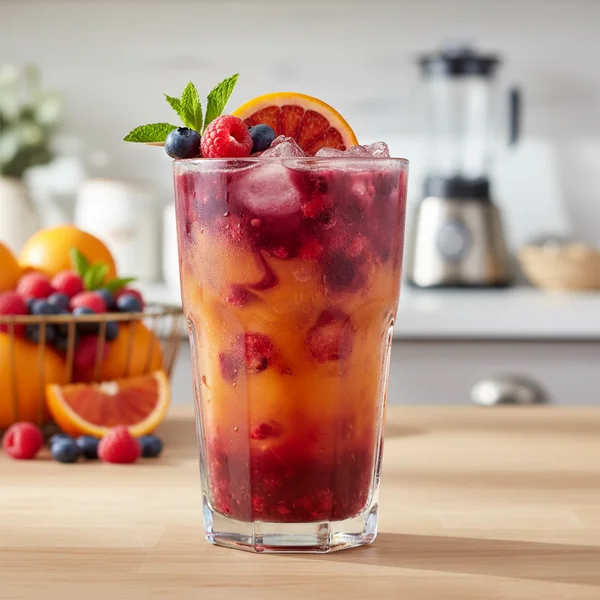
If your juice is nearing its expiration date but still smells and tastes fine, you can give it a second life. Toss the juice into a blender with plenty of ice and perhaps some frozen berries. This creates a slushy-like consistency that is extremely hydrating and masks the slight loss of brightness that occurs as juice ages. Serve it with a fresh citrus garnish to elevate the presentation.
Important Considerations and Safety Warning Signs
Knowing when to discard orange juice is vital for avoiding stomach upset or more serious food poisoning. There are several clear indicators that your juice has transitioned from a healthy beverage to a spoiled one. First, check the packaging. If a plastic bottle or cardboard carton appears bloated or “puffed up,” this is a definitive sign of fermentation. The gases produced by yeast and bacteria are trapped inside, creating internal pressure.
Second, use your sense of smell. Fresh orange juice should smell sweet and citrusy. If you detect any notes of yeast, alcohol, or vinegar, the juice has fermented and is no longer safe to drink. Third, observe the appearance. While some sedimentation is normal in high-pulp juices, look for mold around the rim of the container or floating on the surface. Darker discoloration or a muted, brownish tint is also a sign of heavy oxidation and spoilage.
Finally, perform a small taste test if the other signs are absent but you are still unsure. A “tingling” or fizzy sensation on the tongue is a red flag. Spoiled juice will taste sour, bitter, or metallic. It is a common mistake to think that boiling spoiled juice can make it safe; while heat kills bacteria, it does not necessarily remove the toxins or off-flavors already produced during the spoilage process. When in doubt, it is always safer to throw it out.
- The Ice Cube Trick: Freeze leftover juice in trays to use as “chillers” for cocktails or punch; they won’t water down the drink like regular water cubes do.
- Boost the Blender: Use orange juice as the base liquid for green smoothies to mask the taste of spinach or kale while adding vitamin C.
- Proper Garnish: If serving to guests, add a garnish of orange zest or a thin wheel of fruit to indicate the juice is fresh and high-quality.
- Hydration Mix: For a more hydrating post-workout drink, mix 50% orange juice with 50% coconut water and a pinch of sea salt.
- Temperature Check: Always keep your refrigerator at or below 40°F (4°C) to maximize the shelf life of all perishables.
Conclusion
In summary, orange juice is a perishable beverage that requires careful storage to maintain its quality and safety. While pasteurized, unopened containers can last for months, the timeline shrinks drastically once the seal is broken or if you are dealing with fresh-pressed varieties. By keeping your juice chilled, using airtight containers, and employing the freezer for long-term storage, you can enjoy this refreshing and hydrating drink without waste. Always stay vigilant for signs of fermentation and spoilage, and remember that when it comes to food safety, your senses of smell and sight are your best tools.
❓ Frequently Asked Questions
1
How long does orange juice last in fridge?
Commercially packaged orange juice stays fresh for about 7 to 10 days once opened. Fresh-squeezed juice lacks preservatives and should be consumed within 72 hours for the best flavor. Always keep the lid tightly sealed to maintain its refreshing quality and prevent the absorption of other food odors.
2
Can I make orange juice slushies ahead of time?
You can blend orange juice with ice in a blender and freeze it in portions. While best enjoyed immediately for a hydrating boost, you can store the mixture in the freezer. Simply pulse it again briefly before serving and add a fresh garnish to revive the presentation and texture.
3
What can I substitute for fresh oranges?
If you don’t have fresh oranges for juicing, high-quality frozen concentrate or bottled 100% juice are the best alternatives. For a different but similarly hydrating citrus profile, try using tangerines or grapefruits. These provide a similar acidity and vitamin C content for your refreshing morning beverage.
4
How do I know when orange juice is done?
Orange juice has gone bad if it develops a sour, fermented, or vinegar-like smell. Look for visual cues like mold growth around the cap or a cloudy, darker appearance. If the juice appears fizzy or the container is bulging, it has likely fermented and is no longer safe.
5
Can I freeze orange juice?
Yes, orange juice freezes very well for up to four months. To preserve this hydrating drink, pour it into freezer-safe containers or ice trays. Thaw it in the refrigerator overnight. If the texture separates after thawing, a quick whirl in the blender will restore its smooth, refreshing consistency.