Can You Juice Zucchini? Simple & Healthy Guide
Yes, you can absolutely juice zucchini. This versatile summer squash is composed of approximately 95% water, making it an incredibly hydrating and low-calorie base for fresh juices. Because of its mild, neutral flavor, zucchini works similarly to cucumber, absorbing the taste of stronger ingredients like lemon, ginger, or apple while providing a significant boost of vitamins C, B6, and potassium.
Why Is Zucchini an Excellent Choice for Juicing?
Zucchini, often overlooked in the world of cold-pressed beverages, is actually a powerhouse for anyone looking to increase their intake of liquid nutrients. While many people associate juicing with leafy greens or vibrant fruits, this summer squash offers a unique set of benefits that make it a staple in professional juice bars and home kitchens alike. The most significant advantage of juicing zucchini is its high water content. Because it is so hydrating, it produces a high yield of liquid, ensuring you get the most out of every vegetable you put through your machine.
From a nutritional standpoint, zucchini juice is a dense source of antioxidants. It contains significant amounts of lutein and zeaxanthin, which are essential for eye health, as well as vitamin C, which supports the immune system. Unlike some heavy fruit juices that can be high in natural sugars, zucchini juice is extremely low-glycemic. This makes it a perfect option for individuals monitoring their sugar intake or those looking for a weight-loss-friendly beverage.
Practically speaking, the texture of zucchini is ideal for juicing. It is firm enough to be easily processed by both centrifugal and masticating juicers, yet soft enough that it won’t put excessive strain on your equipment’s motor. Its neutral flavor profile is perhaps its greatest strength; it lacks the “grassy” or “earthy” notes found in kale or beets, allowing it to blend seamlessly into any flavor profile. Whether you want something sweet, spicy, or savory, zucchini provides the volume without distracting from the primary flavor components.
How to Juice Zucchini: A Step-by-Step Guide
If you are ready to incorporate this squash into your routine, the process is straightforward. You can achieve great results using a standard juicer, but if you don’t own one, a high-speed blender can also get the job done with a little extra effort.
Method 1: Using a Dedicated Juicer
- Preparation: Start by thoroughly washing your zucchini under cold running water. Since you will be juicing the skin—where many of the antioxidants are concentrated—it is best to use organic produce. Trim off both ends of the squash.
- Sizing: Cut the zucchini into long spears or chunks that fit comfortably into your juicer’s feed chute. There is no need to peel the zucchini or remove the seeds, as modern juicers can easily process the entire vegetable.
- Juicing: Turn on your machine and feed the pieces through. If you are using a masticating juicer, feed them slowly to maximize the yield. If using a centrifugal juicer, you can move a bit faster.
- Enhancement: To keep the juice refreshing, consider juicing a lemon or a thumb of ginger along with the zucchini.
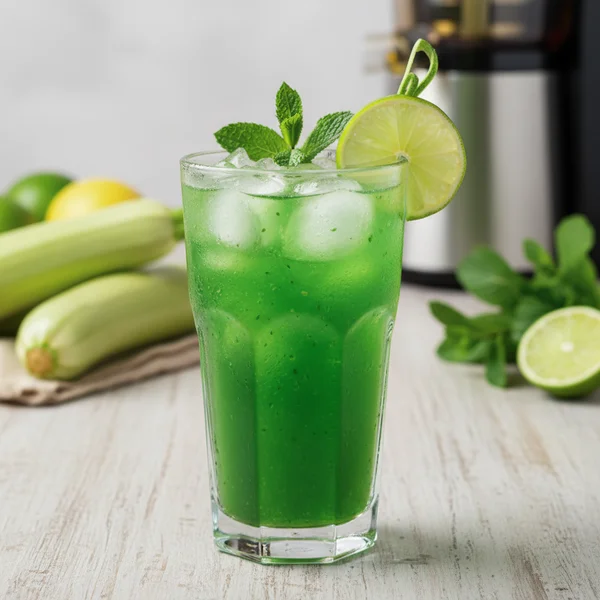
- Serving: Pour the liquid into a glass filled with ice. Zucchini juice is best enjoyed chilled to maintain its crisp flavor profile.
Method 2: The Blender Technique
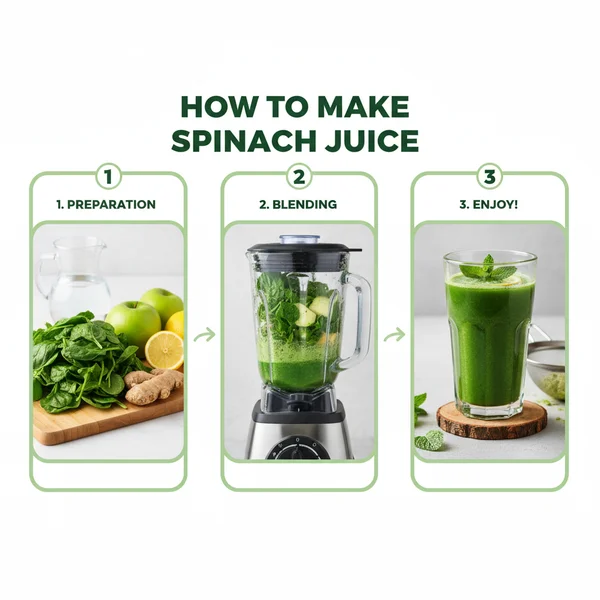
If you do not have a juicer, you can still enjoy the benefits of zucchini juice by using a blender. Chop the zucchini into small cubes and place them in the blender with a small splash of water or coconut water to help the blades move. Blend on high until the mixture is completely liquefied. To achieve a true juice consistency, pour the mixture through a nut milk bag or a fine-mesh strainer to remove the fibrous pulp. This method is excellent for those who want a smooth, hydrating drink without the bulk of the whole vegetable.
Important Considerations and Best Practices
While juicing zucchini is generally safe and highly beneficial, there are a few considerations to keep in mind to ensure the best tasting and healthiest results. One of the most important things to watch out for is bitterness. Occasionally, zucchini can contain high levels of cucurbitacins, which are compounds that produce a very bitter taste. If you slice a piece of zucchini and it tastes extremely bitter, do not juice it. In rare cases, extremely bitter squash can cause digestive upset.
Another consideration is the storage of your juice. Freshly pressed zucchini juice oxidizes relatively quickly. To get the most nutrients, you should drink it within 15 to 20 minutes of extraction. If you must store it, keep it in an airtight glass container in the refrigerator for no more than 24 hours. If you find yourself with an abundance of zucchini from a garden, you can even juice it in bulk and store the liquid in the frozen state using ice cube trays. These frozen cubes can be popped into smoothies later for an easy nutrient boost.
To elevate the presentation and flavor of your drink, think about the garnish. A sprig of fresh mint, a slice of lime, or a light dusting of sea salt on the rim of the glass can transform a simple vegetable juice into a sophisticated mocktail. Additionally, always remember to clean your juicing equipment immediately after use. Zucchini residue is quite watery, but the skin can leave behind small fibers that harden and become difficult to remove if left to dry.
- Keep it Cool: Always use zucchini straight from the refrigerator. Juicing chilled vegetables results in a much better-tasting beverage than juicing room-temperature produce.
- Balance the Flavor: Since zucchini is so mild, add a “bright” ingredient. Green apple, pear, or even a handful of pineapple chunks can add just enough sweetness to make the juice crave-able.
- Don’t Waste the Pulp: If you use the blender and strainer method, save the leftover zucchini pulp. It can be added to muffin batters, turkey burger mixes, or vegetable broths to add moisture and fiber.
- Mix Your Greens: Zucchini acts as a “buffer” for stronger greens. If you find straight kale or parsley juice too intense, use a 1:1 ratio of zucchini to mellow out the flavor.
The Health Impact of Zucchini Juice
Beyond simple hydration, zucchini juice serves as a functional beverage. It is naturally rich in potassium, an electrolyte that helps regulate fluid balance and nerve signals throughout the body. For athletes, a chilled glass of zucchini-based juice can be a wonderful post-workout recovery drink, especially when a pinch of salt is added to replenish lost minerals.
Furthermore, because the juicing process removes the insoluble fiber, the nutrients are absorbed into the bloodstream almost instantly. This provides a quick “energy lift” without the crash associated with caffeinated or sugary drinks. The presence of Vitamin B6 in zucchini juice is also noteworthy; this vitamin plays a crucial role in brain development and function, helping the body produce the hormones serotonin and norepinephrine, which affect mood.
Conclusion
In summary, you can and certainly should juice zucchini. It is a cost-effective, nutrient-dense, and incredibly hydrating vegetable that deserves a spot in your juicing rotation. Whether you are using a high-end masticating juicer or a simple kitchen blender, the process is easy and the results are consistently refreshing. By combining zucchini with other fruits and herbs, and serving it chilled over ice with a beautiful garnish, you can create a health-conscious beverage that is as delicious as it is beneficial. Don’t let your extra garden squash go to waste—turn it into a vibrant, liquid gold that supports your wellness goals.
❓ Frequently Asked Questions
1
How long does zucchini juice last in fridge?
Zucchini juice is best enjoyed immediately for maximum freshness. However, you can store it in an airtight glass container in the refrigerator for up to 24 hours. The flavor may change slightly over time, so give it a quick stir or shake before drinking it to re-incorporate ingredients.


2
Can I make zucchini juice ahead of time?
While you can make it a day ahead, it is not recommended for longer storage. The juice tends to oxidize and lose its vibrant color and nutritional value quickly. If you must prep early, add extra lemon juice to help preserve the color and taste in the fridge.
3
What can I substitute for zucchini?
If you run out of zucchini, cucumber is the best substitute as it provides a similar hydrating base and mild flavor profile. Celery is another excellent low-calorie option, though it has a much stronger, saltier taste that might require more apple or lemon to balance out the flavor.
4
How do I know when zucchini juice is done?
The juice is ready once you have extracted all the liquid from the pulp using your juicer. If you are using a blender, blend until completely smooth and then strain through a fine-mesh sieve or cheesecloth until only the dry pulp remains in the filter for a smooth drink.
5
Can I freeze zucchini juice?
Yes, you can freeze zucchini juice in ice cube trays for later use. Once frozen, transfer the cubes to a freezer bag. These cubes are perfect for adding to smoothies or as a hydrating boost to other fruit juices without diluting them with plain water while keeping them cold.