Best Time to Drink Vegetable Juice: Ultimate Guide
Determining the best time to drink vegetable juice is more than just a matter of convenience; it is a strategic approach to maximizing nutrient absorption and supporting your body’s natural circadian rhythms. Whether you are looking for a morning energy boost, a mid-day hydrating lift, or a post-workout recovery tool, the timing of your consumption dictates how effectively your digestive system processes vitamins and minerals. This comprehensive chart and guide are designed to help you navigate the nuances of liquid nutrition. By aligning specific vegetable blends with the optimal hours of the day, you can transform a simple beverage into a potent wellness ritual that keeps you feeling refreshed and revitalized from sunrise to sunset.
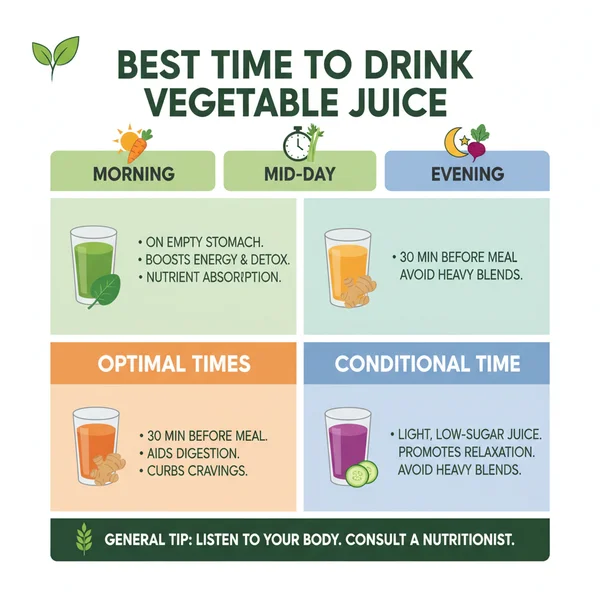
[CHART_INFOGRAPHIC_PLACEHOLDER: Best Time to Drink Vegetable Juice for Maximum Absorption]
The most effective time to drink vegetable juice is on an empty stomach, specifically 20-30 minutes before breakfast. This timing ensures that vitamins and enzymes enter the bloodstream rapidly without being slowed down by heavy digestion. However, secondary windows like pre-workout for energy and mid-afternoon for hydration provide significant metabolic benefits depending on the ingredients used.
Optimal Timing for Vegetable Juice Consumption
| Time of Day | Juice Type & Ingredients | Primary Benefit | Preparation Tip |
|---|---|---|---|
| Early Morning (Empty Stomach) | Green Juice (Kale, Spinach, Celery, Lemon) | Maximum nutrient absorption and detoxification. | Drink at room temperature to avoid shocking the system. |
| Mid-Morning (10:00 AM – 11:00 AM) | Carrot, Apple, and Ginger blend | Sustained mental clarity and digestive fire. | Keep chilled for a more refreshing experience. |
| Pre-Workout (30 mins before) | Beetroot, Nitrate-heavy greens | Increased blood flow and oxygen delivery to muscles. | Mix in a high-speed blender to retain some nitrate-rich fiber. |
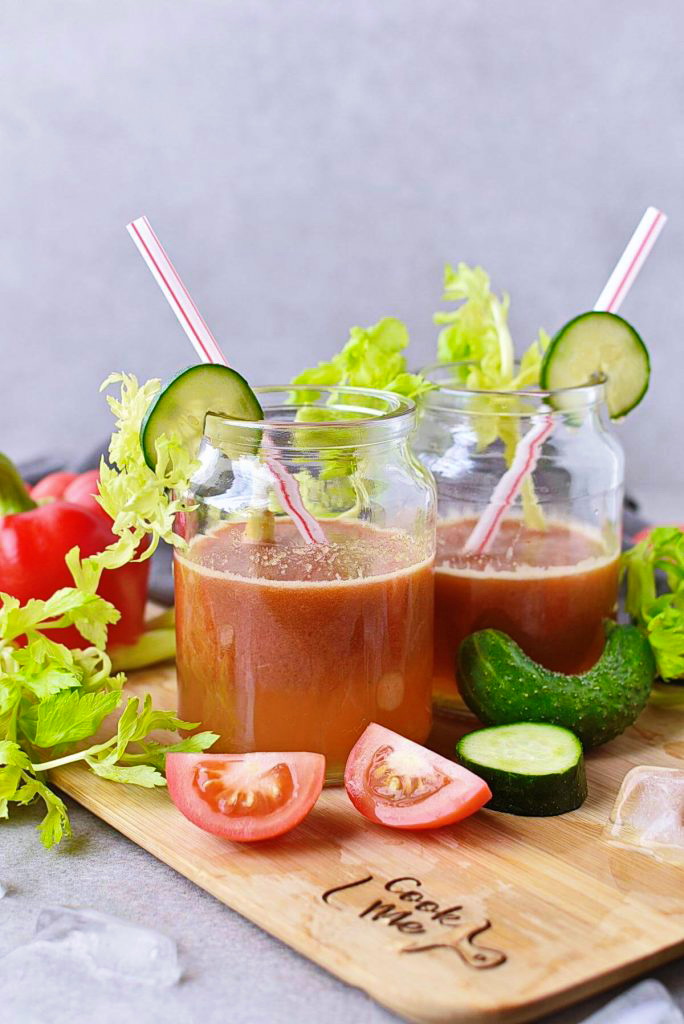
| Post-Workout (Recovery) | Cucumber, Tomato, and Sea Salt | Replenishing electrolytes and hydrating cells. | Serve over ice to lower core body temperature. |
| Lunch Companion | Cruciferous blend (Cabbage, Broccoli stalks) | Aiding protein digestion and enzyme production. | Use a parsley garnish to neutralize sulfur scents. |
| Mid-Afternoon Slump | Wheatgrass or concentrated leafy green shots | Alkalizing the blood to combat fatigue. | Use frozen wheatgrass cubes for a quick, cold zap of energy. |
| Late Evening (Pre-Dinner) | Fennel and Mint infusion | Calming the stomach and preventing overeating. | Drink 15 minutes before your meal to stimulate bile flow. |
| Bedtime (Occasional) | Pure Celery Juice (Small amount) | Liver support during the overnight fast. | Ensure it is chilled but not icy to prevent sleep disruption. |
How to Use This Chart
This chart is designed to serve as a versatile roadmap for anyone looking to integrate liquid nutrition into a busy lifestyle. To get the most out of this information, start by identifying your primary health goal for the day. If your objective is metabolic detoxification, prioritize the “Early Morning” row. If you are an athlete, the “Pre-Workout” and “Post-Workout” rows should be your main focus.
When preparing these juices, consider the texture and temperature indicated in the “Preparation Tip” column. For instance, using a blender instead of a traditional centrifugal juicer can be beneficial for specific blends where keeping some fiber is advantageous for slowing sugar absorption. Additionally, pay attention to the sensory details; a chilled juice often tastes significantly better than one at room temperature, making it easier to stick to your habit. For those who prefer a slushy consistency, using frozen vegetable chunks or adding ice during the blending process can turn a healthy drink into a refreshing treat. Always remember to garnish your juice with fresh herbs like mint or cilantro, which adds both aesthetic appeal and additional digestive enzymes. This chart is not just a set of rules, but a flexible guide that can be adapted to your unique schedule.
Detailed Breakdown of Juicing Windows
Understanding the “why” behind these specific times can help you stay committed to your juicing routine. The early morning window is widely considered the “gold standard.” When you wake up, your body is in a dehydrated state and your stomach is empty. Drinking a refreshing green juice at this time allows the micro-nutrients to bypass complex digestion and enter the bloodstream in as little as 15 to 20 minutes. This provides an immediate “cellular infusion” that coffee simply cannot replicate.
The mid-afternoon window, often referred to as the “slump period,” is another critical time. Between 2:00 PM and 4:00 PM, many people experience a drop in blood sugar and energy. Instead of reaching for a sugary snack, a hydrating cucumber and celery juice can provide the electrolytes needed to regain focus. Because these vegetables have high water content, they are incredibly hydrating, helping to plump up cells and improve cognitive function. If you find the flavor too earthy, adding ice or a frozen green apple to the blender can brighten the profile and make the drink more palatable.
For fitness enthusiasts, the pre-and post-workout categories are essential. Beetroot juice, for example, is rich in nitrates which help the body use oxygen more efficiently. Consuming this chilled about 30 minutes before exercise can significantly improve stamina. Conversely, the post-workout window is about cooling the body and replacing what was lost through sweat. A tomato-based vegetable juice is naturally high in potassium and sodium, making it a superior hydrating alternative to neon-colored sports drinks. Adding a garnish of celery stalks or a pinch of cracked pepper can enhance the savory profile, making it a satisfying recovery beverage.
Finally, consider the evening window. While many avoid drinking large amounts before bed to prevent nighttime bathroom trips, a small, concentrated dose of fennel or ginger juice can assist in breaking down a heavy dinner. This prevents the “heavy stomach” feeling and promotes a more restful night’s sleep. By strategically choosing the best time to drink vegetable juice, you ensure that every ounce of liquid works in harmony with your body’s needs.
- Temperature Control: Always serve juices chilled or over ice to preserve the delicate enzymes and enhance the refreshing flavor profile.
- Blender vs. Juicer: Use a high-speed blender if you want to include frozen ingredients like spinach or berries, which creates a thicker, more hydrating texture.
- Aromatic Garnish: Always add a garnish of fresh lemon zest or mint; the scent stimulates olfactory receptors that prepare your stomach for digestion.
- Storage: If juicing in advance, store in an airtight glass jar to minimize oxidation and keep the liquid chilled until the moment of consumption.
Conclusion
In conclusion, the best time to drink vegetable juice depends largely on your personal health objectives, but the general consensus points toward the early morning as the most impactful window. By consuming your nutrients on an empty stomach, you ensure the highest bioavailability of vitamins. Whether you use a blender to create a fiber-rich meal replacement or a juicer for a refreshing, chilled tonic, consistency is the key to success. Use the provided chart to tailor your intake, stay hydrating throughout the day, and enjoy the transformative power of fresh vegetables.
❓ Frequently Asked Questions
1
How long does vegetable juice last in fridge?
Freshly made vegetable juice typically lasts about 24 to 48 hours in the refrigerator. To maintain the highest nutrient levels, store it in an airtight glass container with minimal air space. The sooner you consume it, the more vitamins and enzymes your body will effectively absorb.
2
Can I make vegetable juice ahead of time?
Yes, you can make it ahead, but enzymes begin to degrade quickly. For the best results, prepare it no more than a day in advance. If you are using a blender, ensure you keep it chilled to maintain its refreshing quality and prevent any bacterial growth or oxidation.
3
What can I substitute for a juicer?
If you don’t have a juicer, use a high-powered blender. Simply blend your vegetables with a little water or ice, then strain the mixture through a nut milk bag or fine-mesh sieve. This method keeps the juice hydrating and smooth without needing specialized and expensive kitchen equipment.
4
How do I know when the juice is bad?
You will know your juice has gone bad if there is a sour smell, a significant change in color, or if the container appears bloated. Fresh juice should look vibrant and smell like the ingredients used. If it tastes fermented or fizzy, you should discard it immediately.
5
Can I freeze vegetable juice?
You can freeze vegetable juice for up to three months. Pour the juice into airtight containers or ice cube trays, leaving space for expansion. Thaw it in the refrigerator overnight. While the flavor remains, some texture and heat-sensitive nutrients might diminish slightly after the freezing and thawing process.