Best Fruit Juice for Hydration: Ultimate Guide
Staying properly hydrated is about more than just drinking gallons of plain water; it is about maintaining a delicate balance of fluids and electrolytes to keep your body functioning at its peak. While water is the gold standard, many people struggle to meet their daily intake goals due to flavor fatigue. This is where fruit juices come into play as a powerful tool for wellness. High-quality, natural juices provide essential minerals like potassium and magnesium, which help your cells actually absorb the water you drink. In this guide, we explore the best fruit juice for hydration, ranking the top options based on their water content, nutrient density, and overall ability to quench your thirst efficiently. From tropical classics to garden-fresh blends, you will discover which juices are the most effective for recovery and daily refreshment.
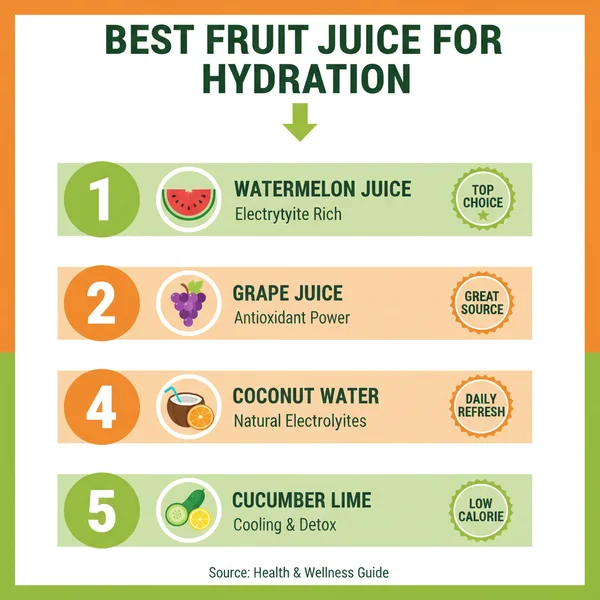
- Watermelon Juice (The Hydration King)
- Cucumber and Green Apple Blend
- Natural Coconut Water
- Freshly Squeezed Orange Juice
- Cold-Pressed Pineapple Juice
- Grapefruit Juice
- Tart Cherry Juice
- Pomegranate Juice
- Strawberry and Lime Infusion
- Lemon-Ginger Hydrator
The 10 Best Fruit Juices for Optimal Hydration
#1: Watermelon Juice
Watermelon is widely considered the best fruit juice for hydration because it is composed of approximately 92% water. Beyond its high liquid volume, watermelon is rich in L-citrulline, an amino acid that helps with muscle recovery, making it an ideal post-workout drink. To prepare it, simply toss fresh cubes into a blender and pulse until smooth. There is no need to strain out the fiber if you prefer a thicker consistency, though a fine mesh sieve creates a silky texture. For the ultimate experience, serve it heavily chilled with a squeeze of lime to balance the natural sugars. It is incredibly refreshing during peak summer heat and provides a natural dose of lycopene for heart health.
#2: Cucumber and Green Apple Blend
While often categorized as a vegetable, cucumber is botanically a fruit and serves as a hydrating powerhouse. When blended with green apple, you get a juice that is low in sugar but high in electrolytes. The apple provides a subtle sweetness and a boost of Vitamin C, while the cucumber offers silica and potassium. This combination is best served over ice to maintain its crisp flavor profile. Because it is so light, it acts as an excellent “spa water” alternative that feels much more indulgent. Adding a sprig of mint as a garnish can elevate the aromatic experience, making each sip feel like a luxury wellness treatment.
#3: Natural Coconut Water
Coconut water is nature’s version of a sports drink, packed with potassium, sodium, and magnesium. While technically the liquid found inside a young coconut rather than a pressed juice, it is often ranked as a top choice for fluid replacement. It is significantly more hydrating than many commercial beverages because its electrolyte balance closely mimics human blood plasma. For a creative twist, you can pour coconut water into frozen molds to make ice cubes that won’t dilute your other fruit juices. It has a mild, nutty flavor that pairs beautifully with almost any other fruit on this list, providing a tropical base for more complex juice recipes.
#4: Freshly Squeezed Orange Juice
Orange juice is a breakfast staple for a reason, but its hydration benefits are often underrated. It contains high levels of potassium, which is a key electrolyte lost through sweat. To maximize the hydrating potential of orange juice, consider diluting it with equal parts sparkling water. This reduces the sugar concentration, which can actually speed up the rate at which your body absorbs the fluid. When making this at home, ensure the oranges are chilled before juicing to keep the vitamins stable. A small zest garnish on the rim of the glass adds an extra punch of citrus oils that invigorate the senses and make the drink feel even more refreshing.
#5: Cold-Pressed Pineapple Juice
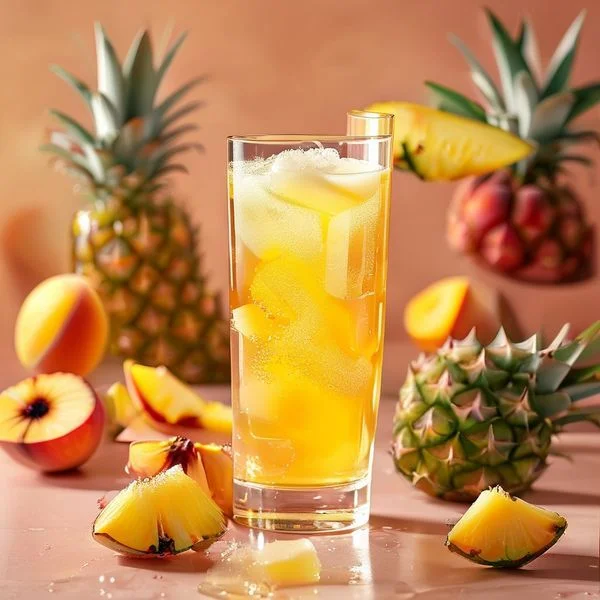
Pineapple juice is not only delicious but also contains bromelain, an enzyme that helps reduce inflammation. This makes it a fantastic choice for hydrating after a long day of physical activity. The natural sugars provide a quick energy boost, while the high water content replenishes lost fluids. For a thicker, slushie-like texture, you can use frozen pineapple chunks in a high-speed blender with a splash of water. This creates a chilled beverage that stays cold much longer than standard juice. It is a vibrant, tangy option that satisfies sweet cravings while keeping your cellular hydration levels in check during humid weather.
#6: Grapefruit Juice
If you prefer something less sweet, grapefruit juice is an exceptional candidate for the best fruit juice for hydration. It has a high water-to-calorie ratio and contains bioflavonoids that support vascular health. Many athletes choose grapefruit juice because it feels more refreshing and less cloying than heavier berry juices. To cut the bitterness, you can mix it with a little bit of honey or stevia. Serving it in a glass filled with crushed ice helps to mellow the sharp citrus notes. It is particularly effective when consumed in the morning to “wake up” the digestive system and prime the body for a day of proper fluid intake.
#7: Tart Cherry Juice
Tart cherry juice has gained a massive following in the fitness community for its ability to reduce muscle soreness and improve sleep quality, but it is also a secret weapon for hydration. It is dense with anthocyanins and potassium. While it is more concentrated than watermelon juice, diluting it with chilled water creates a powerful recovery tonic. You can also blend it with frozen berries to create a nutrient-dense smoothie. Because of its deep red color, a lemon wheel garnish provides a beautiful visual contrast. It is the perfect evening juice to help rehydrate the body after a stressful day or an intense gym session.
#8: Pomegranate Juice
Pomegranate juice is an antioxidant powerhouse that offers more than just flavor. It contains higher levels of antioxidants than most other fruit juices, which helps protect cells from oxidative stress during dehydration. While it is slightly lower in water percentage than cucumber or watermelon, its mineral density makes it highly effective at maintaining fluid balance. It is best enjoyed when chilled and can be mixed with seltzer for a refreshing, bubbly treat. Using a blender to process the seeds (arils) and then straining them is the most efficient way to get the freshest juice possible at home, ensuring you skip the preservatives found in bottled versions.
#9: Strawberry and Lime Infusion
Strawberries have one of the highest water contents of all berries, sitting at about 91%. When you juice them with a hint of lime, you create a drink that is both hydrating and vitamin-rich. This combination is particularly effective because the Vitamin C in the lime helps with the absorption of nutrients found in the strawberries. For a great summer drink, blend frozen strawberries with a little water and lime juice until you reach a pourable consistency. Serve it with a lime wedge garnish to enhance the aroma. This juice is a favorite for children and adults alike because it tastes like a treat while serving a functional purpose.
#10: Lemon-Ginger Hydrator
While lemons are rarely juiced alone, they are the ultimate addition to any hydrating routine. A lemon-ginger juice “shot” diluted into a large glass of chilled water is one of the most effective ways to stimulate hydration and digestion. The ginger provides an anti-inflammatory kick, while the lemon offers electrolytes and a refreshing acidity that makes you want to drink more water. It is a simple, low-calorie way to flavor your fluids without adding unnecessary sugars. For the best results, use a blender to liquefy the ginger root with water, strain it, and then add the fresh lemon juice and ice.
How to Choose the Most Hydrating Fruit Juice
When selecting the best fruit juice for hydration, the most important factor to consider is the sugar-to-water ratio. While natural fruit sugars (fructose) provide energy, high concentrations can actually slow down the rate of gastric emptying, meaning the fluid stays in your stomach longer instead of being absorbed by your intestines. To combat this, look for juices that are naturally high in water, such as watermelon or cucumber. If you are choosing store-bought options, always opt for “100% juice” with no added sugars or corn syrup.
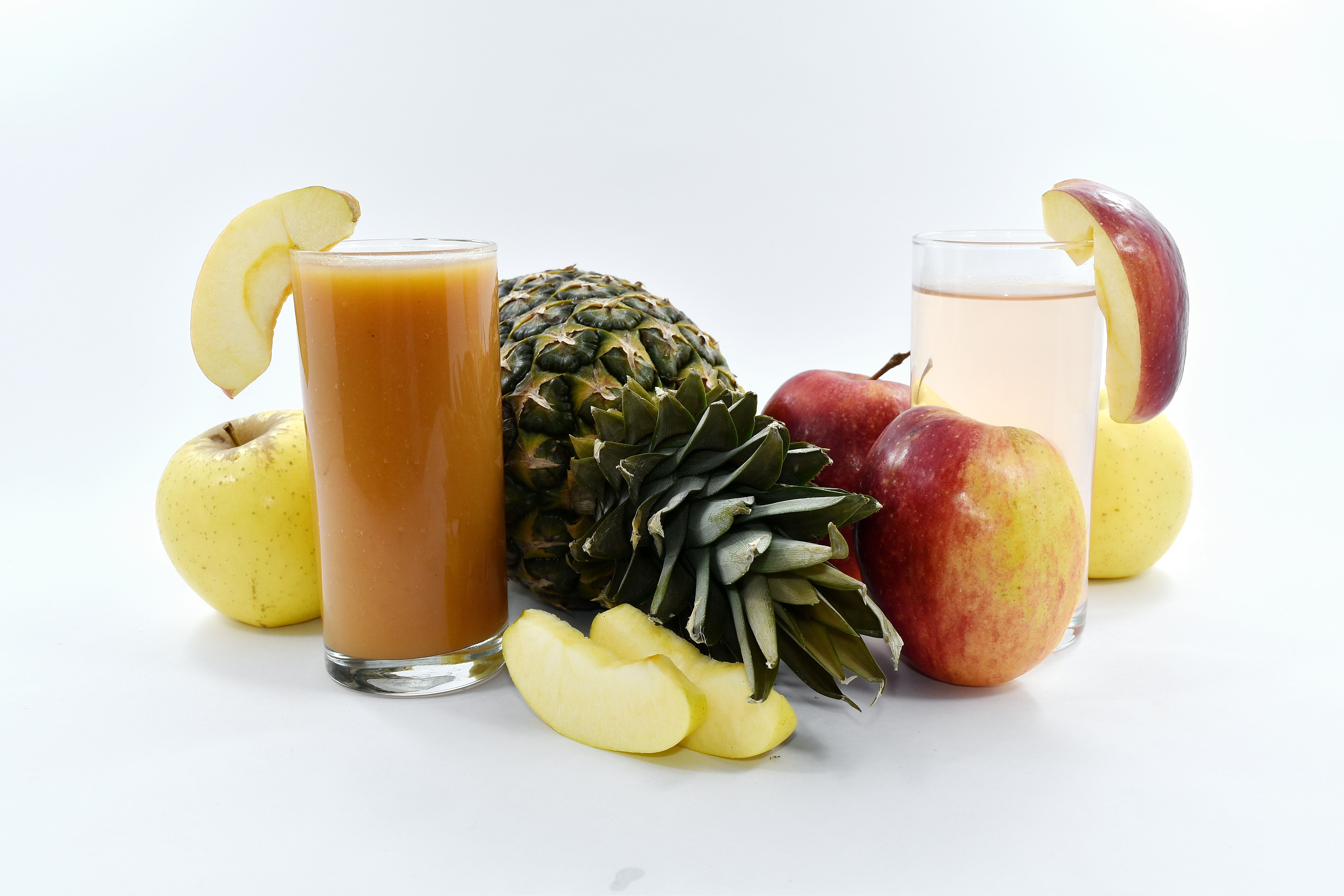
Another key criterion is electrolyte content. A juice that provides potassium, magnesium, and a trace of sodium will always be more hydrating than a simple sugar-water blend. Cold-pressed juices are generally superior to those made from concentrate because the lack of heat during processing preserves the delicate enzymes and minerals that aid in fluid balance. Finally, consider the temperature; chilled liquids are often absorbed faster and feel more refreshing, which encourages you to drink more throughout the day.
- The Dilution Method: Mix your juice with 50% flat or sparkling water. This lowers the glycemic load and increases the hydration speed.
- Add a Pinch of Sea Salt: A tiny pinch of high-quality sea salt in your fruit juice can enhance the electrolyte profile, helping your body retain the fluids more effectively.
- Temperature Matters: Use a blender with frozen fruit to create a “slushie” that keeps your core temperature down during exercise.
- Freshness is Key: Always consume fresh juice within 24 hours to ensure you are getting the maximum hydrating minerals before they oxidize.
Final Thoughts on Juice for Hydration
Incorporating the best fruit juice for hydration into your daily routine is an excellent way to support your health while enjoying vibrant, natural flavors. Whether you choose the electrolyte-rich coconut water or the lycopene-heavy watermelon juice, these beverages offer functional benefits that plain water simply cannot match. If you are looking for a place to start, try the watermelon juice first—its high water content and refreshing taste make it a crowd favorite. Remember to keep your drinks chilled and experiment with a garnish or two to make your hydration journey an enjoyable daily ritual.
❓ Frequently Asked Questions
1
How long does fresh juice last in fridge?
Freshly made juice is best consumed immediately but can last in the fridge for up to 24 hours. Store it in a sealed glass container to prevent oxidation. For the best flavor and maximum nutrient retention, try to drink it within the first 12 hours of preparation.
2
Can I make hydrating juice ahead of time?
While you can make it ahead, the nutrients and flavor are best right after blending. If you must prepare it in advance, keep it in a tightly sealed container in the coldest part of your refrigerator. Shake well before serving as natural separation will occur over time.
3
What can I substitute for watermelon?
If watermelon isn’t available, cucumber or cantaloupe are excellent hydrating substitutes. Both have very high water content and mild flavors that pair well with citrus. Strawberries also offer high hydration levels and a sweet profile that works well in many refreshing homemade juice recipes.
4
How do I know when the juice is done?
The juice is ready once it has a smooth, liquid consistency without any large chunks of fruit remaining in the blender. If you prefer a thinner drink, you can strain the mixture through a fine-mesh sieve, though keeping the pulp adds beneficial fiber to your beverage.
5
Can I freeze hydrating fruit juice?
Yes, you can freeze fresh juice into ice cubes or popsicles for a refreshing treat later. Freezing is a great way to preserve juice for up to three months. Simply thaw in the fridge or toss the frozen cubes directly into a blender for a quick slushy.