Pineapple and Coconut Juice: Delicious & Easy Guide
When you combine the zesty, acidic bite of a sun-ripened pineapple with the creamy, mellow sweetness of coconut, you create more than just a drink; you craft a sensory experience that defines tropical indulgence. Pineapple and coconut juice has long been a staple in coastal regions and island getaways, prized not only for its incredible flavor profile but also for its profound nutritional density. This combination provides a unique balance of enzymes, electrolytes, and vitamins that are difficult to find in other fruit pairings. In this guide, we will explore the science behind this flavor duo, the best ways to prepare it using a high-speed blender, and how you can transform these simple ingredients into a sophisticated, hydrating beverage suitable for any occasion.
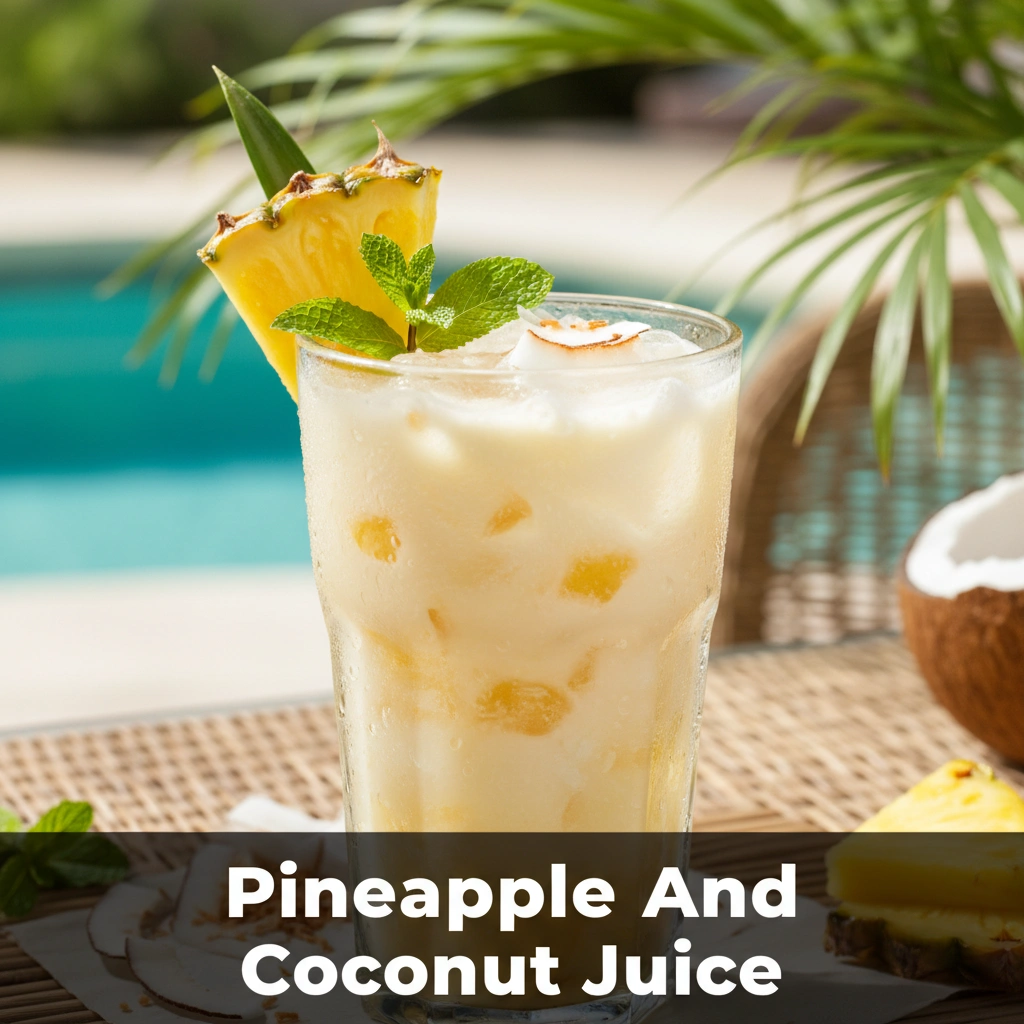
Pineapple and coconut juice is a nutrient-dense powerhouse that balances the digestive enzyme bromelain with hydrating electrolytes, making it the ideal post-workout or summer refreshment when served chilled.
The Science of Flavor: Why Pineapple and Coconut Pair Perfectly
The pairing of pineapple and coconut is a classic example of culinary synergy. At a molecular level, the acidity of the pineapple, driven by citric and malic acids, cuts through the rich medium-chain triglycerides (MCTs) found in coconut. This prevents the drink from feeling too heavy on the palate while simultaneously mellowing the sharp “sting” that fresh pineapple can sometimes cause due to its high bromelain content. Bromelain is a powerful enzyme that breaks down proteins, which is why your mouth might feel tingly after eating raw pineapple. When blended with coconut, the fats provide a protective layer, resulting in a smoother, more refreshing mouthfeel.
Furthermore, the aromatic compounds in both fruits are complementary. Pineapples are rich in esters, which give them their fruity, floral scent, while coconuts contain lactones, which provide that signature “creamy” aroma. When these two are mixed in a blender, the resulting beverage hits multiple flavor notes—sweet, tart, creamy, and floral—all at once. This complexity is why the combination remains a favorite for mixologists and health enthusiasts alike. Whether you are using the clear, mineral-rich water of a young green coconut or the thicker, more indulgent milk from a mature coconut, the results are consistently satisfying.
Preparation Techniques for the Ultimate Tropical Blend
Creating the perfect pineapple and coconut juice requires more than just tossing fruit into a container. To achieve a professional-grade consistency, the use of a high-speed blender is essential. A powerful motor ensures that the fibrous pulp of the pineapple is completely broken down, resulting in a silky liquid rather than a chunky mash. If you prefer a thinner consistency, you can strain the mixture through a fine-mesh sieve or a nut milk bag, though many prefer to keep the fiber for its digestive benefits.
When it comes to the coconut component, you have three primary choices, each yielding a different result:
- Coconut Water: This results in a light, highly hydrating, and translucent juice. It is perfect for a mid-day pick-me-up.
- Coconut Milk: This creates a richer, more “mocktail” style beverage. It is much more filling and has a dessert-like quality.
- Coconut Cream: Best used sparingly or when making a frozen treat, as it adds significant thickness and fat content.
For a truly refreshing experience, the temperature is key. Always start with chilled ingredients. If you are using fresh pineapple that hasn’t been in the refrigerator, adding a handful of ice to the blender can help bring the temperature down instantly while creating a frothy, aerated texture that enhances the drinking experience.
The Nutritional Profile and Hydration Benefits
Beyond the taste, pineapple and coconut juice is an exceptional choice for those looking to stay hydrating during warm weather or after physical exertion. Coconut water is often referred to as “nature’s Gatorade” because it is naturally packed with potassium, magnesium, and sodium. These electrolytes are crucial for maintaining fluid balance in the body and preventing muscle cramps. When you add pineapple to the mix, you introduce a significant dose of Vitamin C and Manganese, both of which support immune function and bone health.
| Nutrient | Source | Primary Benefit |
|---|---|---|
| Bromelain | Pineapple | Aids digestion and reduces inflammation |
| Potassium | Coconut | Regulates blood pressure and hydration |
| Vitamin C | Pineapple | Boosts immune system and skin health |
| Lauric Acid | Coconut | Provides antimicrobial properties |
This drink is particularly beneficial for digestive health. The enzymes in the pineapple help the body process proteins more efficiently, while the hydrating nature of the coconut water ensures that the digestive tract remains lubricated. Unlike processed sodas or sugary sports drinks, a natural blend of pineapple and coconut provides sustained energy without the subsequent sugar crash, thanks to the fiber and healthy fats that slow down the absorption of fruit sugars.
Creative Variations and Serving Suggestions
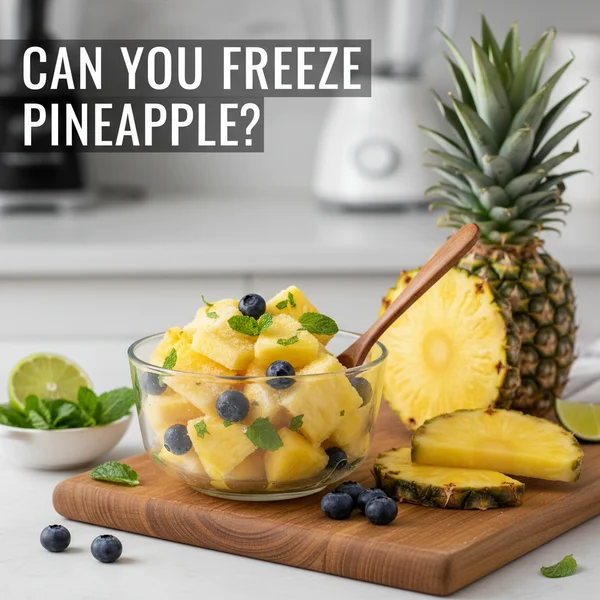
While a simple blend is delicious, there are many ways to elevate your pineapple and coconut juice. For those who enjoy a thicker texture, you can use frozen pineapple chunks instead of fresh ones. This turns the juice into a slushie-like consistency that stays chilled for much longer. If you are looking to serve this at a gathering, the presentation is just as important as the taste. Adding a sophisticated garnish can transform a simple glass of juice into a gourmet treat. Consider a sprig of fresh mint, a thin wedge of lime, or even a rim of toasted coconut flakes to add an extra layer of texture and aroma.
Another popular variation is the “Spicy Tropical” blend. By adding a tiny pinch of cayenne pepper or a slice of fresh ginger to the blender, you can create a drink that warms the throat while cooling the body. The heat of the spice contrasts beautifully with the cooling nature of the coconut. For a more floral note, a splash of lime juice or a drop of hibiscus extract can provide a beautiful pink hue and a tart finish that balances the sweetness of the pineapple.
The Importance of Temperature and Texture
To get the most out of your beverage, it should always be served chilled. Warm coconut juice can sometimes have an overly “oily” taste, and warm pineapple juice can feel cloyingly sweet. Keeping the drink at a low temperature ensures that the flavors remain crisp and the refreshing qualities are maximized. If you are preparing a large batch for a party, consider serving it in a chilled glass pitcher or even a hollowed-out pineapple for an authentic island vibe.
If you find that your juice has separated after sitting for a few minutes, don’t worry—this is a natural occurrence. Because the fats in coconut and the water-based juice of the pineapple have different densities, they will naturally move apart. A quick stir or a few seconds back in the blender will emulsify the ingredients once again. Using a small amount of ice during the blending process can also help create a temporary emulsion that lasts longer, giving the drink a frothy “head” similar to a well-shaken cocktail.
Expert Tips for the Best Results
When selecting a pineapple, look for one that is heavy for its size and has a fragrant base. A pineapple that lacks scent is likely underripe and will result in a tart, less flavorful juice. For the coconut, if you are using canned coconut milk, look for brands that do not use gums or thickeners like guar gum, as these can affect the natural mouthfeel of the juice. If you are adventurous enough to use a fresh coconut, be sure to save the soft “meat” inside; it can be blended into the juice for extra creaminess and a boost of healthy fiber.
- For an extra smooth texture, blend the pineapple first and strain it before adding the coconut water or milk.
- Use frozen pineapple to achieve a thick, creamy consistency without diluting the flavor with too much ice.
- Always add a squeeze of fresh lime juice to brighten the flavors and act as a natural preservative.
- Garnish with a sprig of mint; the aroma enhances the perception of sweetness without adding extra sugar.
Conclusion
Pineapple and coconut juice is much more than a simple tropical beverage; it is a versatile, nutrient-rich drink that offers a perfect balance of flavor and function. By understanding the chemistry of these ingredients and utilizing the right tools—like a high-quality blender and plenty of ice—you can
❓ Frequently Asked Questions
1
How long does pineapple and coconut juice last in fridge?
This fresh juice is best enjoyed immediately for the most vibrant flavor. However, you can store it in an airtight container or glass jar in the refrigerator for up to 24 hours. Be sure to give it a vigorous shake or stir before serving as natural separation will occur.

2
Can I make pineapple and coconut juice ahead of time?
While you can make it up to a day in advance, the flavor and nutrients are most potent when consumed fresh. If you must prepare it early, store it in the coldest part of your fridge and consider adding the ice and giving it a quick re-blend right before serving.
3
What can I substitute for fresh pineapple?
If fresh pineapple is unavailable, frozen pineapple chunks are an excellent substitute and actually help create a colder, frothier texture. Canned pineapple in its own juice also works well, though you should drain the liquid first to control the sweetness and the final consistency of your refreshing, hydrating beverage.
4
How do I know when the juice is done?
You will know the juice is ready when the mixture looks completely smooth and uniform in color. Stop your blender once there are no visible chunks of fruit or large pieces of ice remaining. It should have a slightly frothy top and a consistent, easily pourable texture throughout the jar.
5
Can I freeze pineapple and coconut juice?
Yes, you can freeze this juice to make delicious tropical popsicles or ice cubes for future drinks. Simply pour the mixture into molds and freeze for at least four hours. It is a great way to preserve any leftover juice while creating a healthy, icy snack for later consumption.