
10 Best Green Drink Recipes: Delicious & Healthy Juices
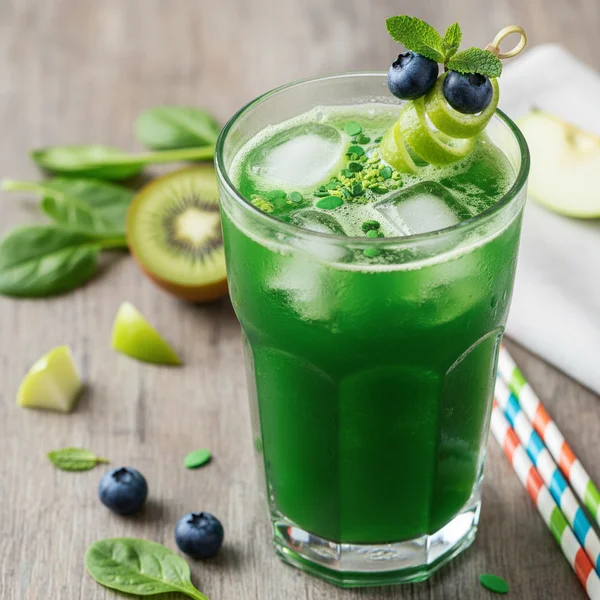
Green drink recipes provide a concentrated burst of vitamins and minerals while remaining delicious when balanced correctly with fruit and citrus. By following a simple vegetable-to-fruit ratio, you can create nutrient-dense drinks that support energy and digestion without any bitter aftertaste.
🎯 Key Takeaways
- Takeaway 1:Use a 2:1 vegetable-to-fruit ratio for the perfect balance of health and flavor.
- Takeaway 2:Lemon, lime, and ginger are the best ingredients for masking bitter leafy greens.
- Takeaway 3:Start with spinach or romaine for a milder flavor profile before moving to kale.
- Takeaway 4:Cucumber and celery serve as excellent hydrating bases due to their high water content.
- Takeaway 5:Consume your green juice immediately to ensure maximum enzyme and nutrient absorption.
The secret to a green drink you will actually enjoy lies in the 3-to-1 ratio: three parts hydrating, high-yield vegetables to one part tart fruit or citrus. You do not need a degree in nutrition to craft a drink that clears brain fog and boosts energy. The goal is to maximize micronutrient density while keeping the sugar low enough to avoid a midday crash. By mastering a few core ingredient bases, you can turn bitter kale or earthy spinach into a refreshing tonic that tastes like a treat rather than a chore.
This guide skips the expensive superfood powders and focuses on fresh, accessible produce you can find at any grocery store. We have curated these recipes to provide immediate systemic support for inflammation and digestion. Whether you are using a high-speed blender or a cold-press juicer, these five recipes represent the first half of our ultimate green juice list. Each one is designed to be palatable, effective, and ready in under ten minutes.
Essential Ingredients for Nutrient-Dense Green Drinks
Hydrating Bases and Leafy Powerhouses
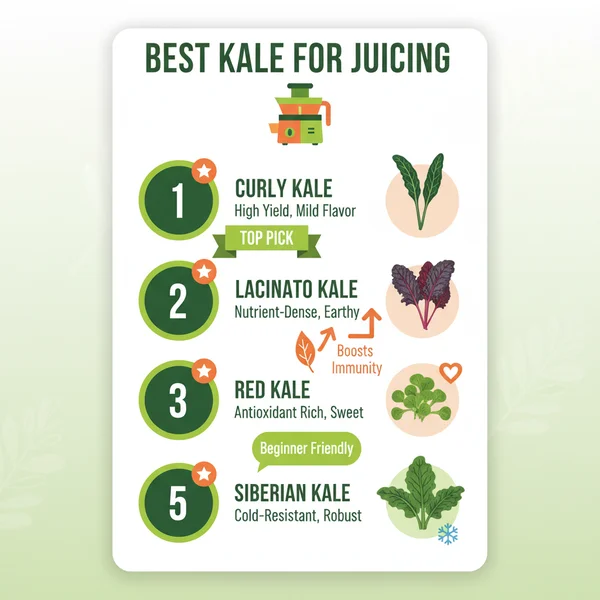
To create a high-volume drink without excessive calories, you must start with a high-water-content base. Cucumbers and celery are the gold standard here. A single large cucumber provides nearly 10 ounces of juice, acting as a natural electrolyte delivery system. Celery adds a subtle saltiness that balances the bitterness of darker greens. For your leafy greens, spinach is the best “beginner” leaf because its flavor is almost entirely masked by other ingredients. If you want more intensity, kale and parsley offer higher concentrations of chlorophyll and Vitamin K, but they require a stronger hand with citrus to remain drinkable.
- Cucumber: Provides Vitamin K and keeps the juice light and refreshing.
- Celery: Rich in luteolin, which helps reduce systemic inflammation.
- Spinach: The mildest green, perfect for high-volume nutrient loading.
- Romaine Lettuce: An underrated base that yields a surprisingly sweet, mild juice.
Balancing Flavors: The Science of Masking Bitter Greens
The Triple-A Method: Acid, Apple, and Aromatics
Most people fail at green juicing because they use too many greens and not enough balancers. To make kale or dandelion greens palatable, you need to employ the “Triple-A” method. Acid (lemon or lime) is non-negotiable; the citric acid physically breaks down the bitter compounds on your palate. Apple (specifically Granny Smith) provides a tart sweetness that masks the “dirt” taste of root vegetables or earthy greens. Finally, Aromatics like ginger or mint add a top note that distracts your senses from the heavy vegetable base.
- Lemon/Lime: Use one whole peeled citrus per 16 ounces of juice to brighten the flavor profile.
- Granny Smith Apples: These have lower sugar content than Red Delicious or Fuji, providing tartness without the glucose spike.
- Ginger: A one-inch knob adds a spicy “zing” that covers the taste of more pungent greens like kale.
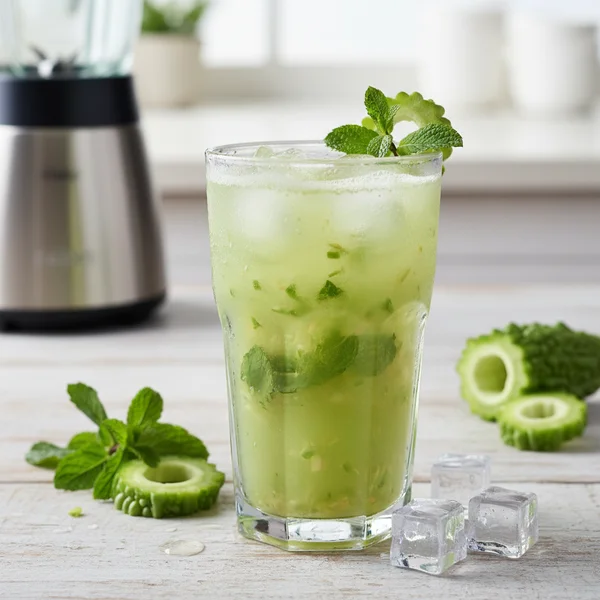
- Mint: Adding five to ten leaves transforms a heavy vegetable drink into a refreshing “mojito-style” health tonic.
Top 5 Green Drink Recipes (Part 1)
1. The Morning Glow-Up
This is the perfect entry-level juice. It is light, crisp, and focuses on skin hydration and vitamin C delivery.
- Ingredients: 2 large cucumbers, 2 cups fresh spinach, 1 Granny Smith apple, 1/2 lemon (peeled).
- Nutrition info: Approximately 145 calories, 4g protein, 0g fat, 32g carbs.
- Key Benefit: High silica content from cucumbers supports collagen production.
2. The Ginger-Green Zinger
If you prefer a drink with a “kick,” this recipe uses ginger to provide a spicy finish that aids digestion.
- Ingredients: 4 stalks celery, 2 cups kale (stems removed), 1-inch knob of fresh ginger, 1 medium pear.
- Nutrition info: Approximately 165 calories, 3g protein, 0.5g fat, 38g carbs.
- Key Benefit: Gingerols in the ginger help soothe the digestive tract and reduce bloating.
3. The Hydration Hero
This recipe is ideal for post-workout recovery or hot summer days. It tastes more like a mocktail than a vegetable juice.
- Ingredients: 2 cucumbers, 1/2 cup fresh mint leaves, 1 lime (peeled), 1 green apple.
- Nutrition info: Approximately 130 calories, 2g protein, 0g fat, 30g carbs.
- Key Benefit: The mint-lime combination acts as a natural cooling agent for the body.
4. The Heavy Metal Detox
Parsley is a powerful herb for supporting the liver and kidneys. This drink is more savory than the others.
- Ingredients: 1 head of romaine lettuce, 1 bunch of fresh parsley, 2 lemons (peeled), 1 large cucumber.
- Nutrition info: Approximately 110 calories, 5g protein, 1g fat, 22g carbs.
- Key Benefit: Parsley acts as a natural diuretic and supports kidney filtration.
5. Tropical Kale Kick
Using pineapple is a great way to introduce tougher greens like kale to children or picky eaters.
- Ingredients: 1 cup fresh pineapple chunks, 2 cups chopped kale, 1 cucumber, 1 tablespoon lime juice.
- Nutrition info: Approximately 180 calories, 4g protein, 1g fat, 42g carbs.
- Key Benefit: Bromelain from the pineapple aids in protein digestion and reduces inflammation.
Nutritional Comparison: Cold-Pressed vs. Blended Green Drinks
When you are choosing how to consume your greens, the debate usually boils down to bioavailability versus fiber. Both methods have distinct advantages, and the “better” choice often depends on your specific health goals for the day.
Micronutrient Bioavailability and Digestion
Cold-pressing removes the insoluble fiber, leaving behind a concentrated liquid “gold” of vitamins and minerals. Because the digestive system doesn’t have to work to break down tough plant cell walls, the nutrients enter your bloodstream almost instantly. This provides a rapid energy boost without the “heavy” feeling that sometimes follows a solid meal.
- Best for: A quick morning “pick-me-up” or a pre-workout nutrient surge.
- Key Benefit: Allows for a much higher volume of greens (like three heads of kale) to be consumed in one sitting than you could ever eat whole.
- Example: A cold-pressed juice featuring cucumber, celery, and ginger is an excellent hydration tool that mimics natural electrolytes.
The Importance of Dietary Fiber and Satiety
On the other hand, blending your greens into a smoothie keeps the fiber intact. Fiber is essential for maintaining a healthy gut microbiome and regulating blood sugar. When you blend greens with fruit, the fiber slows down the absorption of fructose, preventing the “sugar crash” that can sometimes happen with fruit-heavy juices.
- Best for: Meal replacements or those looking to manage weight through satiety.
- Key Benefit: Keeps you full for longer and supports healthy bowel movements.
- Pro Tip: If you find green juices too “thin,” blending half an avocado with your greens can add healthy fats and a creamy texture.
Evaluating Juicer Types for Leafy Green Extraction
Not all machines are created equal when it comes to extracting liquid from stubborn, leafy vegetables. If you are serious about your green drink routine, the type of technology you use will directly impact your juice yield and the quality of the final product.
Masticating (Slow) Juicers for Maximum Yield
Masticating juicers are often considered the gold standard for green juices. They use a slow-turning screw (auger) to “chew” the greens against a screen. This process generates very little heat, which helps preserve sensitive enzymes and antioxidants that might otherwise degrade.
- Efficiency: These machines are far better at extracting juice from thin leaves like spinach, parsley, and wheatgrass.
- Storage: Because less oxygen is introduced during the process, masticating juice typically stays fresh in the fridge for up to 72 hours.
- Example: If you juice 100g of kale in a masticating juicer, you will noticeably get more liquid and “drier” pulp than with other methods.
Centrifugal Juicers and Speed Efficiency
Centrifugal juicers are the most common type found in kitchens. They use a high-speed spinning blade to shred produce and force the juice through a mesh filter. While they are incredibly fast and convenient for hard vegetables like carrots or apples, they are notoriously inefficient with leafy greens.
- The Downside: The high speed can create friction and heat, which may slightly reduce the nutritional potency of your drink.
- Leafy Green Hack: To get the most out of a centrifugal juicer, tightly roll your leafy greens into a “cigar” shape and sandwich them between two hard ingredients, like a piece of ginger and an apple. This forces the greens through the blades more effectively.
- Maintenance: These are generally easier to clean, making them a good entry-point for beginners who are short on time.
Conclusion
Incorporating green drinks into your daily routine is one of the most effective ways to flood your body with essential micronutrients. Whether you prefer the rapid absorption of a cold-pressed juice or the filling, fiber-rich nature of a blended green smoothie, the most important factor is consistency. By choosing the right equipment for your favorite ingredients—like a masticating juicer for those tough leafy greens—you can maximize both flavor and health benefits.
Ready to get started? Your first step is to pick one “gateway” recipe from our list—perhaps something with a touch of green apple for sweetness—and try it tomorrow morning. Your body will thank you for the extra boost of vitality!
❓ Frequently Asked Questions
What makes a green drink taste good instead of bitter?
The secret to a palatable green drink is balancing the ‘earthiness’ of greens with acidity and natural sweetness. Adding a green apple or a squeeze of lemon neutralizes bitter compounds, while fresh ginger adds a refreshing zing that masks the taste of kale or parsley.
Should I remove the stems from kale and spinach before juicing?
You can juice the stems as they contain significant water and nutrients, but they are more bitter than the leaves. If you are sensitive to bitter flavors, removing the woody stems of kale while keeping the leaves will result in a much smoother, milder juice.
Is it better to juice or blend green vegetables?
Juicing removes the fiber, allowing for a concentrated hit of nutrients that enter the bloodstream quickly. Blending keeps the fiber intact, which helps with digestion and keeps you full longer; the choice depends on whether you want a quick nutrient boost or a meal replacement.
What are the best ‘booster’ ingredients to add to my recipes?
Beyond basic greens, you can enhance your drinks with anti-inflammatory turmeric, omega-3 rich chia seeds, or a teaspoon of spirulina for extra protein. Fresh herbs like mint or cilantro also provide unique health benefits and a fresh, aromatic flavor profile.
How do I choose between a centrifugal and a masticating juicer?
Centrifugal juicers are faster and more affordable but are less efficient at extracting juice from leafy greens. Masticating (cold-press) juicers operate at lower speeds, which preserves more enzymes and yields significantly more juice from greens like spinach and wheatgrass.
Can green drinks replace a meal?
A green juice is typically not a full meal replacement because it lacks protein and healthy fats. To make a green drink a meal, you should blend it into a smoothie and add ingredients like avocado, protein powder, or nut butter to ensure nutritional balance.