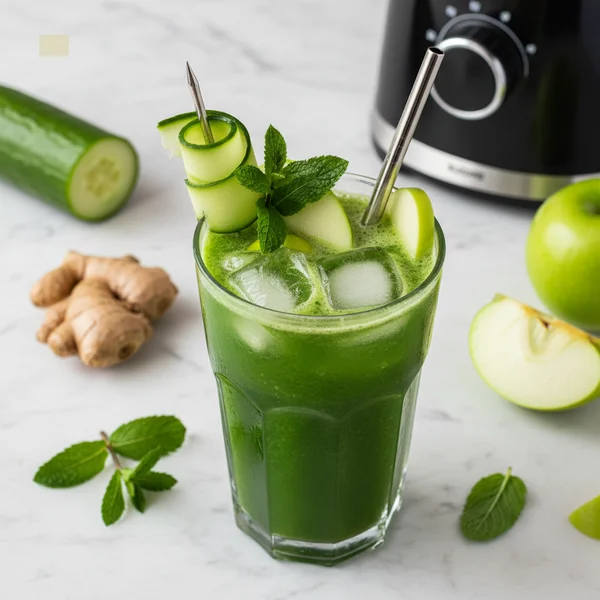
Green Juice for Kids: Healthy & Delicious
Finding ways to incorporate more vegetables into a child’s diet is a common challenge for parents and caregivers. Green juice for kids offers a practical and effective solution to bridge the nutritional gap, providing a concentrated dose of vitamins, minerals, and antioxidants in a format that is easy to consume. Unlike store-bought varieties that are often loaded with added sugars and preservatives, homemade versions allow you to control every ingredient, ensuring a refreshing and nutrient-dense beverage. In this guide, you will learn the benefits of green juice, the best kid-friendly ingredients to use, and creative ways to serve these vibrant drinks so that even the pickiest eaters will ask for seconds.
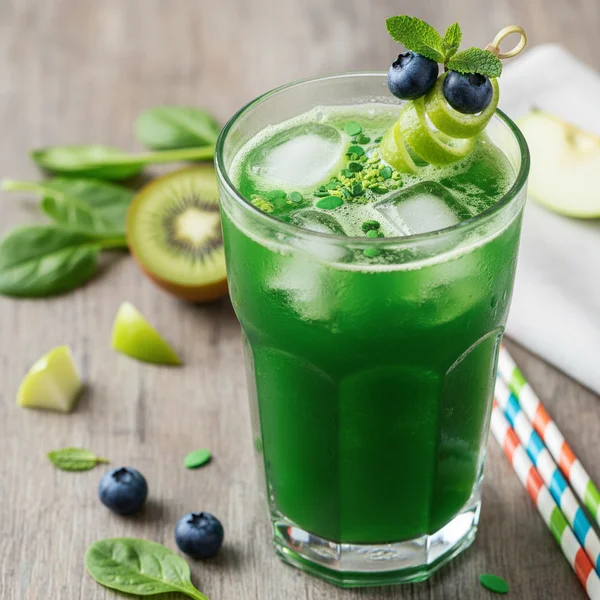
The secret to successful green juice for kids is a 60/40 ratio of sweet fruits to leafy greens, ensuring the drink is palatable while remaining a powerhouse of essential vitamins and hydration.
The Nutritional Powerhouse: Why Kids Need Green Juice
Green juice for kids is more than just a trend; it is a functional tool for supporting growth and development. Leafy greens like spinach and kale are rich in Vitamin K, which is essential for bone health, and Vitamin A, which supports vision and immune function. Furthermore, many children struggle to drink enough water throughout the day. Using base ingredients like cucumber and celery makes the juice incredibly hydrating, replenishing fluids and electrolytes naturally.
Beyond simple vitamins, green juices provide phytonutrients that are often missing from processed snacks. These compounds help protect cells and support a healthy gut microbiome. When children consume greens in liquid form, the body can often absorb certain nutrients more quickly because the digestive system does not have to work as hard to break down tough plant fibers. This is particularly helpful for active children who need a quick energy boost that doesn’t come from refined sugars.
It is important to remember that while juice is a fantastic supplement, it should not entirely replace whole fruits and vegetables, which provide necessary dietary fiber. However, as a daily addition to breakfast or an after-school snack, a glass of chilled green juice can significantly elevate a child’s total nutrient intake. By introducing these flavors early, you are also training their palate to enjoy earthy, vegetable-forward profiles rather than just hyper-sweet flavors.
Top Kid-Friendly Ingredients and Flavor Balancing
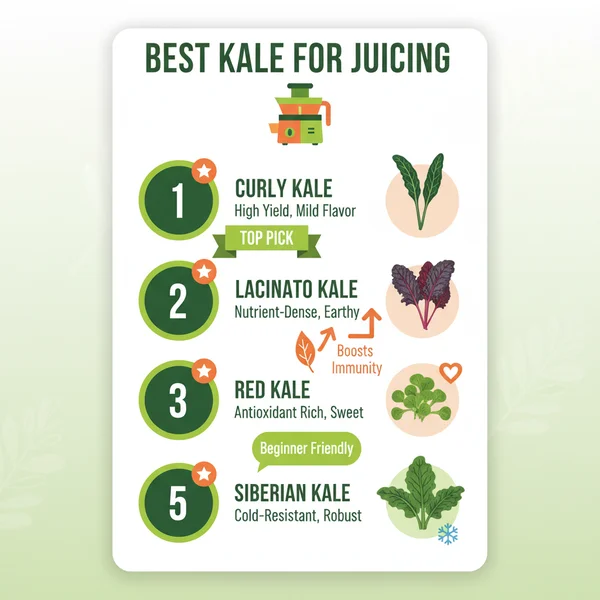
The biggest hurdle with green juice for kids is often the “earthy” taste of certain vegetables. To overcome this, focus on high-water, mild-tasting greens and balance them with naturally sweet fruits. Spinach is the ultimate “gateway” green because it has a very neutral flavor that is easily masked by fruit. Kale is another excellent option, though it is slightly more bitter and should be used in smaller quantities initially.
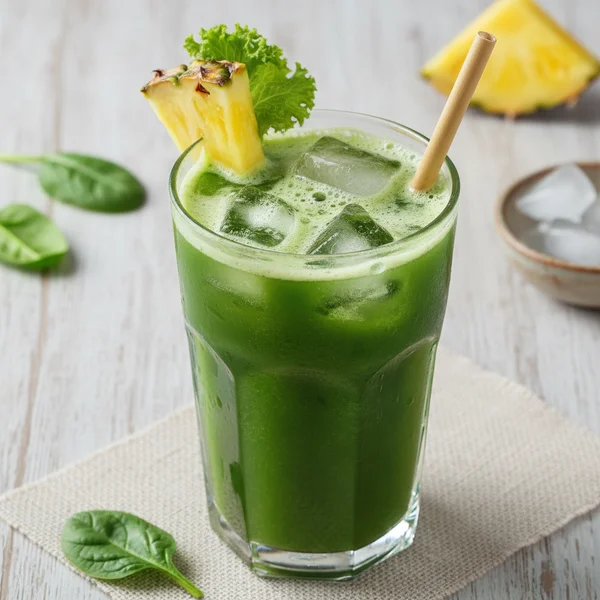
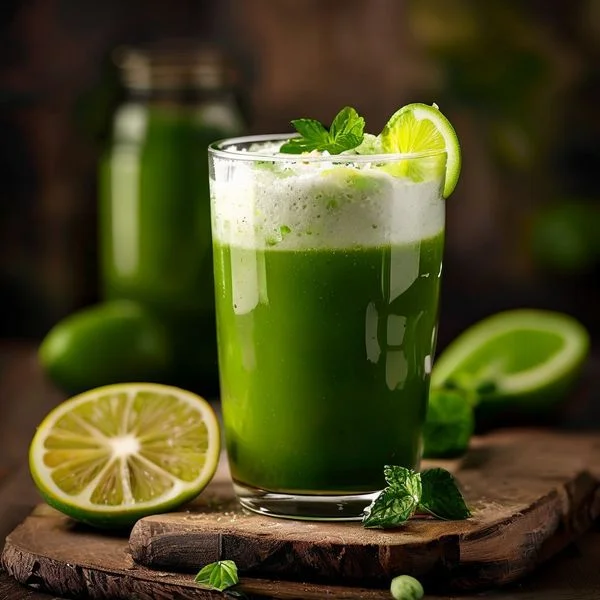
To make the juice appealing, use “masking” fruits. Pineapple and green apples are the gold standard for kid-friendly juices. Pineapple contains bromelain, an enzyme that aids digestion, and its intense sweetness hides the taste of kale or parsley perfectly. Green apples provide a tart crispness that cuts through the grassiness of the vegetables. Citrus, such as lemon or lime, adds a refreshing zing and helps preserve the bright green color of the juice through a process of acidification.
Consider the following ingredient combinations for a balanced juice:
- The Beginner Blend: Spinach, cucumber, green apple, and a squeeze of lemon.
- The Tropical Green: Kale, pineapple, orange, and a hint of fresh mint.
- The Hydration Hero: Celery, pear, cucumber, and lime.
Using a variety of ingredients ensures a broad spectrum of nutrients. For example, adding a small piece of ginger can provide anti-inflammatory benefits and a subtle spice that older children might enjoy, while a handful of grapes can add extra sweetness and antioxidants.
Methods of Preparation: Blender vs. Juicer
There are two primary ways to create green juice for kids at home, and each has its own set of advantages. The traditional method involves a juicer, which separates the liquid from the pulp. This results in a very smooth, thin consistency that most children find easier to drink. If you use a slow masticating juicer, you preserve more heat-sensitive nutrients and enzymes, resulting in a superior quality beverage.
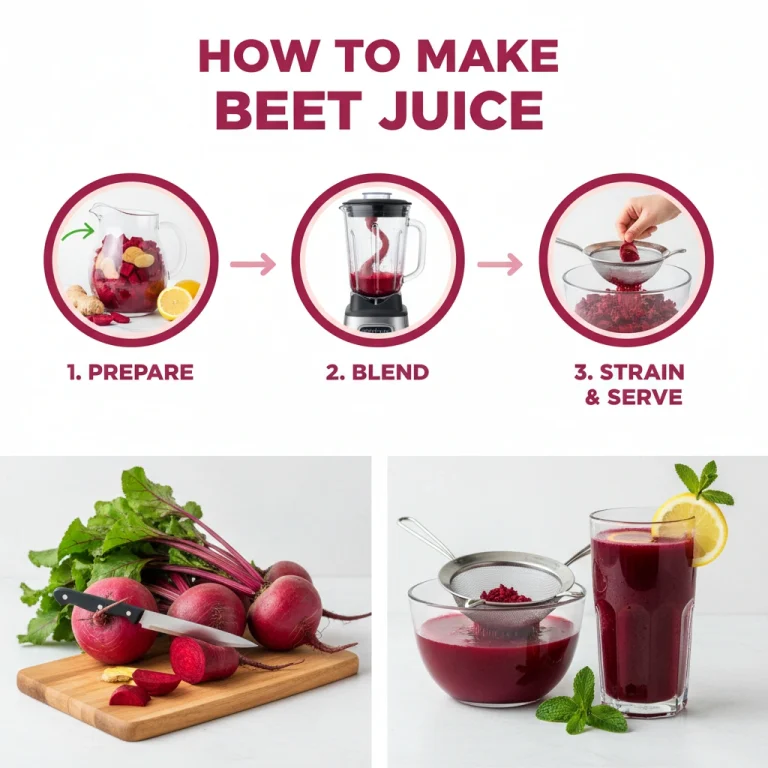
However, you do not need expensive equipment to get started. A high-speed blender is a versatile alternative. To make “juice” in a blender, simply combine your fruits and vegetables with a bit of water or coconut water. Once the mixture is completely liquefied, pour it through a fine-mesh strainer or a nut milk bag to remove the solids. This “blender juice” method is often more accessible and easier to clean up for busy parents.
Regardless of the tool you use, temperature is key. Most children prefer their beverages chilled. If using a blender, you can add a handful of ice directly into the mix to create a frothy, cold texture. If using a juicer, it is best to refrigerate the produce beforehand or serve the finished juice over ice cubes made of frozen fruit juice to prevent dilution.
Creative Presentation and Fun Serving Ideas
Presentation is half the battle when serving green juice for kids. If a child sees a glass of dark green liquid, they may be hesitant. Using opaque cups with colorful lids and straws can pique their interest without making the color the focal point. Alternatively, you can lean into the color by giving the drink a fun name, such as “Slime Juice,” “Superhero Fuel,” or “Jungle Potion.”
Adding a garnish can make the experience feel special. A simple strawberry on the rim, a slice of orange, or even a fun reusable straw can transform a healthy drink into a treat. For a more interactive experience, let the kids help drop the ingredients into the juicer or push the button on the blender. Involvement often leads to a higher willingness to try the final product.
For those extra hot days, you can turn your green juice into a frozen treat. Pour the freshly made juice into popsicle molds and freeze them for several hours. These green juice popsicles are a fantastic way to provide a refreshing, hydrating snack that feels like a dessert. The freezing process slightly mutes the flavors, which can be helpful for children who are still adjusting to the taste of greens.
Overcoming Resistance and Picky Eating Habits
If your child is particularly sensitive to new tastes, start with “micro-dosing” the greens. Begin with a juice that is 90% fruit and only 10% spinach. Over the course of several weeks, gradually increase the vegetable content as their taste buds adapt. This slow transition prevents the “shock” of a vegetable-heavy drink and builds long-term acceptance.
Another effective strategy is the “color camouflage” technique. If you mix purple carrots or blueberries into your green juice, the color will change to a deep purple or burgundy, hiding the fact that there are greens inside. While the nutritional profile changes slightly, it is a great way to ensure they are still getting those leafy green benefits without the visual bias.
Consistency is vital. Offer a small “taster” glass alongside their regular breakfast. Make it a family activity where everyone toasts with their green drinks. When children see adults enjoying the juice and talking about how it makes them feel energetic and strong, they are much more likely to mimic that behavior. Positive reinforcement and a lack of pressure are the best tools for expanding a child’s palate.
Expert Tips for Quality and Safety
When preparing green juice for kids, food safety and ingredient quality should be your top priorities. Always wash all produce thoroughly, even if it is organic, to remove any dirt or potential pathogens. Since kids have developing immune systems, this step is non-negotiable. If possible, choose organic leafy greens, as these are often on the “Dirty Dozen” list of produce with the highest pesticide residues.
Experts also suggest being mindful of the sugar-to-fiber ratio. While fruit makes the juice taste better, it also adds fructose. To mitigate blood sugar spikes, try to include a source of healthy fat or protein with the juice, such as a few walnuts or a piece of cheese. Furthermore, dental health is a consideration; have your child rinse their mouth with water after drinking juice to wash away natural sugars and acids that can affect tooth enamel.
Finally, fresh is always best. Homemade green juice lacks the pasteurization and preservatives of commercial products, meaning it should be consumed within 24 hours for maximum nutrient density and flavor. If you must store it, use an airtight glass jar and fill it to the very top to minimize oxidation, keeping it in the coldest part of the refrigerator.
- Freeze leftover juice in ice cube trays to add to future smoothies or to keep a fresh glass of juice chilled without watering it down.
- Use a blender to make “green milk” by blending spinach with a banana and almond milk for a creamier, more filling alternative to traditional juice.
- Always add a squeeze of lemon or lime; the Vitamin C helps the body absorb the non-heme iron found in leafy greens.
In conclusion, green juice for kids is an exceptional way to boost their daily nutrition and keep them hydrating throughout the day. By carefully selecting sweet base fruits like apple and pineapple, using a blender or juicer to achieve a smooth texture, and serving the drink chilled with a fun garnish, you can make vegetables an enjoyable part of their routine. Start with simple recipes and involve your children in the process to foster a lifelong love for healthy, refreshing beverages. Whether served as a liquid or a frozen treat, green juice is a powerful ally in supporting your child’s health.
❓ Frequently Asked Questions
1
How long does green juice for kids last in fridge?
For the best taste and maximum nutrient retention, this green juice should be consumed immediately. However, you can store it in an airtight glass jar or bottle in the refrigerator for up to 24 hours. Be sure to give it a good shake before serving as separation is natural.


2
Can I make green juice for kids ahead of time?
You can definitely prepare this juice up to a day in advance. While fresh is always best to prevent oxidation, storing it in a tightly sealed container in the fridge helps maintain its quality. It is a great time-saver for busy mornings or as a quick after-school snack.
3
What can I substitute for spinach?
If you don’t have spinach, you can substitute it with kale or swiss chard, though these have stronger flavors. For a mild taste that kids prefer, romaine lettuce is an excellent alternative. It provides a similar hydrating base and light green color without the earthy bitterness of darker leafy greens.
4
How do I know when green juice for kids is done?
The juice is ready once all ingredients are completely liquefied and the mixture looks vibrant and consistent. If you are using a blender rather than a juicer, you may want to strain the mixture through a fine-mesh sieve or nut milk bag to ensure a smooth, kid-friendly texture.
5
Can I freeze green juice for kids?
Yes, you can freeze this juice to make healthy popsicles or ice cubes for later use. Simply pour the juice into molds or an ice tray and freeze until solid. This is a fantastic way to preserve the juice and provide a cooling, nutritious treat on hot days.