Grapefruit Benefits for Liver: Ultimate Guide
Grapefruit often occupies a centerpiece position on breakfast tables around the world, but its role in human health extends far beyond its refreshing, tangy flavor. For individuals looking to support their metabolic health, the specific grapefruit benefits for liver function have become a topic of significant scientific interest. This citrus fruit is packed with unique bioactive compounds that serve as a natural defense mechanism for the liver, an organ responsible for over 500 vital functions including detoxification and nutrient processing. In this guide, we will explore the specific antioxidants that make grapefruit a liver-cleansing superstar, how it helps manage fat accumulation, and provide a practical way to incorporate it into your routine.
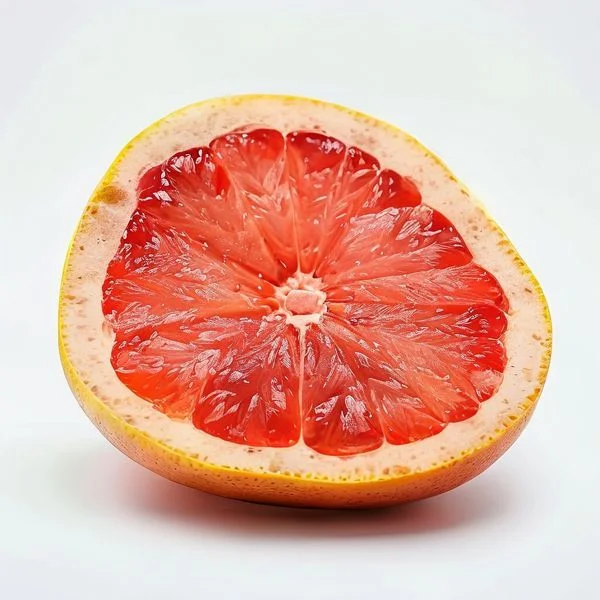
Grapefruit contains naringenin and naringin, two powerful antioxidants that protect liver cells from injury, reduce chronic inflammation, and enhance the organ’s natural ability to metabolize fats and process toxins effectively.
The Science of Grapefruit and Liver Protection
The primary reason grapefruit is so highly regarded for liver health lies in its high concentration of two specific flavonoids: naringin and naringenin. These compounds are responsible for the fruit’s signature bitter taste, but they are also potent antioxidants. Research suggests that these substances can help protect the liver from oxidative stress, which occurs when there is an imbalance between free radicals and antioxidants in the body. When the liver is under constant oxidative stress, it can lead to long-term cellular damage and scarring, known as fibrosis.
Furthermore, naringenin has been shown to mimic the effects of fasting in the liver. It helps the liver become more efficient at burning fat rather than storing it. By activating certain genetic pathways, grapefruit compounds can help reduce the accumulation of lipids within liver cells. This is particularly beneficial for maintaining a healthy liver weight and ensuring that the organ remains pliable and functional. Unlike other citrus fruits, the concentration of these specific flavonoids in grapefruit provides a unique biological “kickstart” to the liver’s filtration system, making it a valuable addition to a balanced diet.
Combating Fat Accumulation and Inflammation
One of the most significant grapefruit benefits for liver health is its potential role in managing Non-Alcoholic Fatty Liver Disease (NAFLD). This condition is characterized by an excessive buildup of fat in the liver, often linked to diet and metabolic issues. The antioxidants found in grapefruit work to reduce the inflammatory response that often accompanies fat buildup. By lowering inflammation, these compounds prevent the progression of fatty liver into more severe stages, such as non-alcoholic steatohepatitis (NASH).

In addition to reducing fat, grapefruit enhances the production of detoxifying enzymes. These enzymes are essential for the Phase I and Phase II detoxification pathways, where the liver breaks down harmful chemicals, heavy metals, and metabolic waste into water-soluble forms that can be excreted. A diet rich in grapefruit helps maintain a high level of these enzymes, ensuring that the body’s “filter” does not become clogged or sluggish. When compared to other fruits, grapefruit’s ability to influence these specific enzymatic pathways is remarkably high, offering a natural way to support the body’s innate cleansing processes.

Liver-Boosting Grapefruit and Ginger Infusion Recipe
While eating a fresh grapefruit is the most direct way to gain its benefits, creating a concentrated infusion can make it easier to consume regularly. This recipe combines the acidity of the fruit with the anti-inflammatory properties of ginger to create a powerful liver-supportive beverage. It is light, refreshing, and designed to be consumed on an empty stomach for maximum absorption of the bioactive ingredients.
This drink is an excellent alternative to sugary juices, providing a burst of Vitamin C and antioxidants without the blood sugar spike. Follow the instructions below to prepare this simple tonic at home.
- Prep time: 10 minutes
- Cooking time: 0 minutes
- Servings: 2 servings
- Calories: 75 calories per serving
Ingredients:
- 1 large ruby red grapefruit (juiced)
- 1 inch piece of fresh ginger (peeled and grated)
- 1 cup of filtered water
- A handful of fresh mint leaves
- Optional: 1 teaspoon of raw honey
Instructions:
- Juice the grapefruit, ensuring you include some of the pulp, as it contains extra fiber and flavonoids.
- In a large pitcher, combine the grapefruit juice with the filtered water.
- Add the grated ginger and muddled mint leaves to the mixture.
- Stir well and let the mixture sit for at least 5 minutes to allow the ginger and mint to infuse.
- Strain into glasses and serve chilled or at room temperature.
Important Precautions and Medication Interactions
While the grapefruit benefits for liver health are numerous, it is vital to discuss the “grapefruit effect” regarding medication. Grapefruit contains compounds called furanocoumarins, which inhibit a specific enzyme in the small intestine known as CYP3A4. This enzyme is responsible for breaking down many common medications. When this enzyme is blocked, the body absorbs too much of the medicine, which can lead to dangerously high levels of the drug in the bloodstream.
Common medications that interact with grapefruit include certain statins for high cholesterol, blood pressure medications, and some organ transplant rejection drugs. If you are taking any prescription medication, it is essential to consult with a healthcare professional before significantly increasing your grapefruit intake. For those not on these specific medications, grapefruit remains a safe and highly effective fruit for promoting long-term liver vitality and metabolic balance.
Expert Tips for Maximum Liver Support
To get the most out of your grapefruit consumption, timing and variety matter. Nutritionists often recommend choosing deeper-colored varieties, such as Ruby Red or Star Ruby, because they contain higher levels of lycopene, another antioxidant that works alongside naringenin to protect cells. Consuming grapefruit or its juice in the morning can help stimulate bile production, which aids in the digestion of fats throughout the rest of the day.
Furthermore, try to consume the white pith (the stringy layer between the skin and the fruit) whenever possible. While bitter, the pith is where the highest concentration of naringin is found. If the bitterness is too intense, blending the whole fruit into a smoothie rather than just juicing it can help mask the taste while ensuring you receive all the fiber and nutrients necessary for optimal liver function.
- Choose heavy fruits with thin skins, as these typically have the highest juice content and nutrient density.
- Avoid heating grapefruit juice, as high temperatures can degrade Vitamin C and sensitive flavonoids.
- If the taste is too tart, pair it with avocado; the healthy fats in avocado help the body absorb the fat-soluble nutrients in the fruit.
Summary of Liver Longevity
Incorporating grapefruit into your diet is a scientifically backed way to enhance liver health and boost your body’s natural detoxification pathways. By leveraging the power of naringin and naringenin, you can help reduce liver fat, fight inflammation, and protect against oxidative damage. Whether you enjoy it fresh, in a salad, or as a morning tonic, the benefits are clear. However, always remember to check with your doctor if you are taking medications. Start slowly, enjoy the tart flavor, and give your liver the antioxidant support it needs to thrive.
❓ Frequently Asked Questions
1
How long does fresh grapefruit last in fridge?
Whole grapefruits stay fresh in the refrigerator for about two to three weeks. Once cut into segments or juiced, they should be stored in an airtight container and consumed within three to four days to ensure you receive the maximum nutritional benefits and the freshest citrus flavor.
2
Can I make grapefruit juice ahead of time?
You can prep grapefruit juice up to 24 hours in advance, but it is best enjoyed fresh. Over time, the juice loses vitamin C and may become increasingly bitter due to enzyme activity. Store it in a glass jar with a tight lid to minimize oxidation during storage.
3
What can I substitute for grapefruit?
If you are on medication that prevents grapefruit consumption, pomelos are the closest relative. For similar liver-boosting benefits, try oranges, lemons, or limes. While they contain different flavonoids, they provide high levels of vitamin C and citric acid which support the body’s natural detoxification pathways effectively.
4
How do I know when a grapefruit is ripe?
A ripe grapefruit should feel heavy for its size, indicating it is full of juice. The skin should be relatively thin and smooth rather than thick and leathery. Give it a gentle squeeze; it should have a slight bounce and emit a fragrant, sweet citrus aroma.
5
Can I freeze grapefruit?
Yes, you can freeze grapefruit segments for up to six months. Peel the fruit and remove as much pith as possible, then flash freeze segments on a tray before transferring to a freezer bag. These are perfect for adding to morning smoothies or using as healthy ice substitutes.