What Vegetables Should Not Be Juiced: Essential Guide
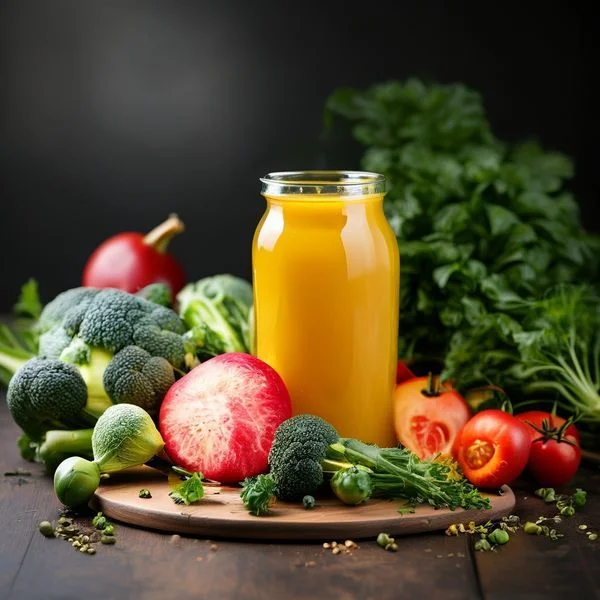
Juicing has become a staple for health enthusiasts seeking a refreshing and hydrating start to their day. By extracting the liquid essence of plants, you can consume a high concentration of vitamins and minerals in a single glass. However, not every plant in the produce aisle belongs in a centrifugal or masticating extractor. Understanding what vegetables should not be juiced is crucial for both your digestive health and the longevity of your kitchen equipment. Some vegetables contain high levels of oxalates that can tax the kidneys, while others may cause significant thyroid interference or digestive distress when consumed raw in concentrated liquid form. This comprehensive guide and chart serve as a vital safety resource, ensuring your chilled morning beverage remains a nutritional powerhouse rather than a health hazard. By distinguishing between what to juice and what to save for the blender, you can optimize your nutrient intake safely and effectively.
The following table identifies high-risk vegetables that can cause digestive upset, toxicity, or kidney issues when juiced, offering safer, nutrient-dense alternatives for your liquid recipes.
The Main Safety Chart: Vegetables to Avoid Juicing
| Vegetable Type | Primary Risk/Reason to Avoid | Best Preparation Method | Safer Juicing Alternative |
|---|---|---|---|
| Rhubarb | Extremely high in oxalic acid; toxic to kidneys. | Cooked/Stewed with sweetener. | Green Apples |
| Broccoli/Cauliflower | Contains goitrogens; difficult to digest raw. | Steamed or Roasted. | Cucumber or Celery |
| Raw Mushrooms | Contain agaritine (a toxin); zero juice yield. | Sautéed or Grilled. | N/A (Avoid in juice) |
| Whole Citrus Peels | Essential oils in skin cause stomach irritation. | Zested for garnish. | Peeled Citrus Fruit |
| Raw Potatoes | High starch content leads to bloating and gas. | Baked, Boiled, or Mashed. | Sweet Potatoes (Limited) |
| Excessive Spinach | High oxalates can contribute to kidney stones. | Sautéed or in a blender smoothie. | Romaine Lettuce |
| Raw Beets (Excessive) | Very potent; can cause “beeturia” and dizziness. | Roasted or Lightly Pickled. | Carrots |
| Bitter Melon | Extremely hypoglycemic; can drop blood sugar too fast. | Stir-fried. | Kale (Small amounts) |
How to Use This Chart for Your Juicing Routine
This chart is designed to be a quick-reference guide for anyone looking to maximize the health benefits of their hydrating beverages while minimizing risks. When planning your weekly juice prep, check your grocery list against the “Vegetable Type” column. If an item appears here, it is best to reconsider its role in your drink. For example, if you were planning on adding a large head of broccoli for its Vitamin C, the chart suggests switching to cucumber or celery to keep the drink refreshing without the bloating often caused by raw cruciferous fiber.

Furthermore, use the “Best Preparation Method” column to divert these items into your solid meals. Many of the “forbidden” juicing vegetables are actually nutritional powerhouses when cooked. For instance, while you shouldn’t juice rhubarb due to its high concentration of oxalic acid, it makes a delicious compote when stewed. Additionally, if you find yourself craving the creaminess that starchy vegetables provide, consider using a blender instead of a juicer. Blending allows you to incorporate frozen fruits or steamed vegetables into a thick smoothie, which is much easier on the digestive tract than concentrated raw starch juice.
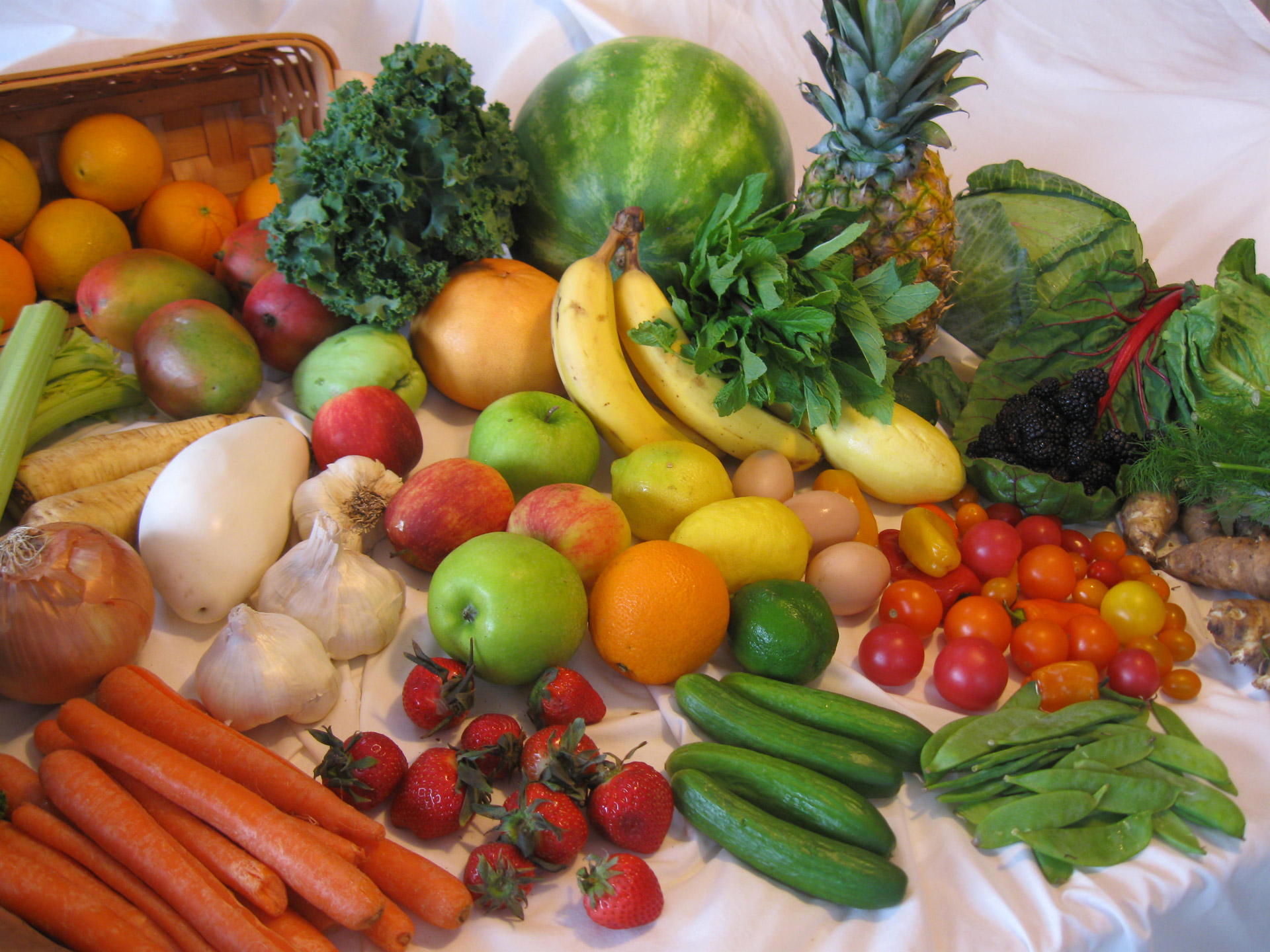
Lastly, always serve your finalized safe juices chilled or over ice to maintain the integrity of the enzymes. A sprig of mint or a slice of ginger as a garnish can elevate the flavor profile while providing additional digestive support, compensating for the lack of fiber in extracted juices.
Detailed Breakdown: Why These Vegetables are Restricted
Understanding the “why” behind these restrictions helps you make better decisions even when you don’t have the chart handy. The primary reasons for excluding certain vegetables from the juicer fall into three categories: toxicity, digestibility, and concentrated chemical compounds.
The Oxalate Issue (Rhubarb and Spinach): Rhubarb is the most dangerous entry on the list. Its leaves are notoriously toxic, but even the stalks contain such high levels of oxalic acid that juicing them can lead to acute kidney irritation or the formation of kidney stones. While spinach is a common “green juice” ingredient, experts recommend moderation. If you juice spinach daily, the concentrated oxalates can interfere with calcium absorption. It is often better to put spinach in a blender with a banana or use it as a frozen base for a smoothie where the fiber slows down the absorption of these compounds.
The Goitrogen Concern (Cruciferous Veggies): Broccoli, cauliflower, and cabbage are members of the brassica family. While incredibly healthy when steamed, in their raw, juiced form, they contain goitrogens. These substances can interfere with iodine uptake in the thyroid gland if consumed in high quantities. Furthermore, the sugar types found in these vegetables (raffinose) are not broken down in the stomach; when juiced, they reach the gut rapidly and can cause extreme gas and cramping. To keep your morning routine refreshing and pain-free, stick to water-rich bases like cucumber.
Starch and Sugars (Potatoes and Beets): Juicing a raw potato is a recipe for a stomach ache. The resistant starch in raw potatoes is not meant for liquid consumption and can lead to severe bloating. Beets, while popular, are incredibly potent. High concentrations of beet juice can cause “beeturia” (pink urine) and, in some people, a rapid detox reaction that leads to dizziness. It is always best to dilute beet juice with a more hydrating liquid like celery juice and never consume it as a stand-alone shot unless your body is well-adjusted.
Toxins and Irritants (Mushrooms and Citrus Peels): Raw mushrooms contain small amounts of agaritine, which is considered a mild toxin that is neutralized by heat. Beyond that, mushrooms contain almost no juice, making them a waste of time for an extractor. Regarding citrus, while the flesh is great, the peels of lemons, limes, and oranges contain pungent oils that act as a gastric irritant. Always peel your citrus before juicing, using only a tiny bit of zest as a garnish for flavor.
- Rotate Your Greens: Never juice the same green vegetable for more than three days in a row to avoid alkaloid buildup.
- Temperature Matters: Always store your produce in the refrigerator so it is chilled before juicing; this slows down the oxidation process.
- The Blender Hybrid: If you want the nutrients of broccoli or spinach without the juice risks, steam them first, let them cool, and then whiz them in a blender with your fresh juice.
- Dilution is Key: Always aim for a ratio of 80% hydrating vegetables (cucumber/celery) and 20% “strong” vegetables or fruits.
Conclusion
Juicing is a fantastic way to flood your system with bioavailable nutrients, provided you choose your ingredients wisely. By avoiding high-oxalate plants like rhubarb and gas-inducing cruciferous vegetables like raw broccoli, you protect your kidneys and your digestive comfort. Remember that the best juices are those that remain refreshing, hydrating, and easy for your body to process. Use the chart above to guide your shopping trips, and don’t be afraid to use your blender for those fiber-rich vegetables that simply aren’t meant for the juicing carafe. Stay safe, stay chilled, and enjoy your path to better health.
❓ Frequently Asked Questions
1
How long does fresh juice last in fridge?
Fresh juice is best consumed immediately but can last up to 48 hours in an airtight glass container. Keeping it cold ensures it remains refreshing and hydrating. However, nutrients begin to degrade quickly due to oxidation, so drinking it sooner rather than later provides the most health benefits.
2
Can I make vegetable juice ahead of time?
You can prepare juice up to a day ahead, provided it is stored properly in a sealed bottle. While it stays safe to drink, the flavor may change slightly. To keep it tasting fresh, add a splash of lemon juice and serve over ice right before you drink it.
3
What can I substitute for juicing kale?
Spinach or romaine lettuce are perfect substitutes if you want a milder flavor. These alternatives are very hydrating and easy on the digestive system. If you want the nutrients of kale without the bitterness, try pulsing it in a blender with fruit instead of running it through a juicer.
4
How do I know when vegetables are bad?
Look for signs of wilting, slime, or discoloration. Fresh vegetables should feel firm and look vibrant. If they have a fermented smell or soft spots, they are not suitable for juicing. Using high-quality produce ensures your beverage is healthy, clean, and delicious every time you make it.
5
Can I freeze fresh vegetable juice?
Yes, you can freeze vegetable juice in silicone trays or airtight jars for up to three months. Thaw it in the refrigerator when you are ready to enjoy it. Frozen juice cubes are also great to add to a blender for a quick, icy, and nutrient-packed smoothie treat.