How to Preserve Fresh Juice: Perfect Storage Tips
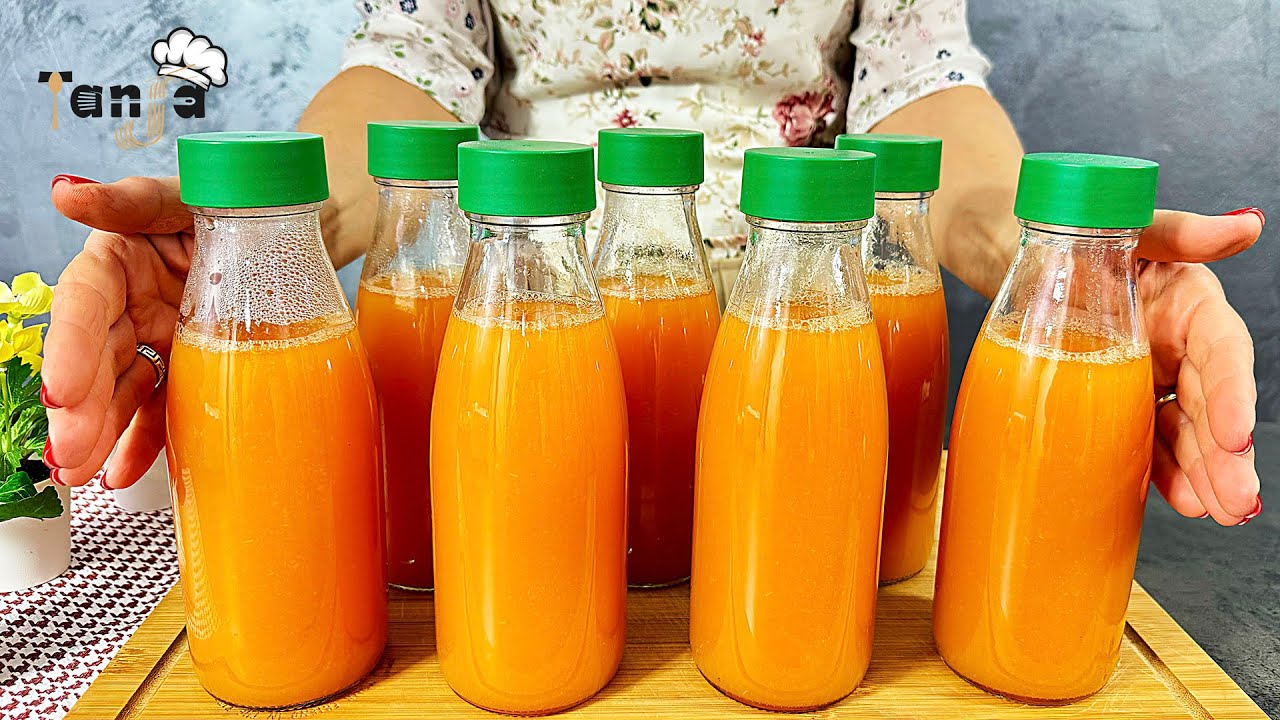
To preserve fresh juice effectively, store it in an airtight glass container filled to the brim to minimize oxidation. When kept chilled in the refrigerator, most fresh juices last between 24 and 72 hours, depending on the extraction method used. For long-term preservation, juice can be kept frozen for up to three months. Adding a splash of lemon or lime juice provides natural acidity that helps maintain color and nutrients, ensuring your hydrating beverage remains refreshing and nutrient-dense until you are ready to enjoy it.

The Science of Juice Preservation and Why It Matters
Preserving fresh juice is a race against time and biology. The moment a fruit or vegetable is processed through a blender or juicer, its cellular structure is broken down, exposing the liquid to oxygen and light. This process, known as oxidation, leads to the degradation of vitamins, enzymes, and antioxidants. Furthermore, natural sugars in the juice can become a breeding ground for bacteria if the liquid is not handled with care.
The duration of freshness largely depends on your extraction method. Centrifugal juicers, which use high-speed spinning blades, introduce significant amounts of heat and oxygen into the liquid. Consequently, juice from these machines usually lasts only 24 hours. In contrast, cold-press or masticating juicers crush the produce slowly, generating minimal heat and keeping the nutrient profile intact for up to 72 hours. Even when using a high-powered blender to create a whole-food juice, the aeration involved means immediate refrigeration is essential.
Temperature control is the most critical factor in slowing down these chemical reactions. Keeping juice chilled below 40°F (4°C) slows the growth of spoilage-causing microorganisms and preserves the refreshing, crisp flavor profile. Additionally, the pH level of the juice affects its longevity; high-acid juices like orange or grapefruit naturally resist spoilage longer than low-acid vegetable juices like carrot or kale. By understanding these biological levers, you can extend the life of your hydrating beverages and reduce food waste.
Step-by-Step Guide to Preserving Your Fresh Juice
To ensure your juice remains safe and delicious, follow these systematic steps for preparation and storage.
1. Sanitize Your Equipment: Before you begin, ensure your blender, juicer, and storage containers are meticulously clean. Cross-contamination from old food particles is a primary cause of rapid spoilage.
2. Prepare the Produce: Wash all fruits and vegetables thoroughly. If you are not using organic produce, consider peeling items like cucumbers or apples to remove wax and pesticide residue, which can affect the shelf life of the final product.
3. Extract and Acidify: Process your juice as quickly as possible. Once the liquid is extracted, stir in a teaspoon of lemon or lime juice. The citric acid acts as a natural preservative, preventing the juice from turning brown.
4. The “To-The-Top” Pour: Pour the juice into a glass bottle, filling it until the liquid is almost touching the lid. The goal is to leave as little room for air as possible. Air trapped in the bottle is the primary catalyst for nutrient loss.
5. Seal and Chill: Use a lid with a silicone or rubber seal to create an airtight environment. Place the bottle in the coldest part of your refrigerator immediately. Avoid storing it in the door, where temperature fluctuations occur frequently.
6. Freezing for Longevity: If you cannot finish the juice within three days, move it to the freezer. Use silicone ice cube trays to freeze the juice into small portions. Once frozen, transfer the cubes to a freezer-safe bag. These cubes can be popped back into a blender later for a quick slushy or used to keep a fresh glass of juice chilled without diluting it.
Important Considerations for Juice Quality
When preserving fresh juice, the type of container you choose is just as important as the juice itself. Glass is highly recommended over plastic. Plastic containers are porous and can leach chemicals or odors into the juice over time. Furthermore, clear glass allows light to enter, which can degrade light-sensitive vitamins like riboflavin. If possible, use amber-colored glass or store your clear bottles in a dark corner of the refrigerator.
Another vital consideration is the “separation” phenomenon. It is perfectly normal for fresh juice to separate into layers as it sits. This does not necessarily mean the juice has spoiled; it simply means the solids have settled. Always give the bottle a gentle shake before serving to re-incorporate the fiber and nutrients. However, if you notice a sour smell, carbonation (bubbles), or any signs of mold, discard the juice immediately.
Finally, consider the ingredients you are juicing. Leafy greens like spinach and parsley oxidize much faster than root vegetables like beets. If you are making a green juice blend, plan to consume it earlier in the preservation window compared to a hardy citrus or ginger-based shot. Keeping your juice hydrating and safe requires a keen eye for these small but significant changes in texture and aroma.
- Use Ice Cubes: Freeze your juice in ice trays to use as a flavor-boosting garnish in sparkling water.
- Vacuum Seal: If you juice frequently, invest in a vacuum-sealing lid for your mason jars to remove all air.
- Keep it Dark: Store juices in the back of the fridge where it is darkest and coldest to protect light-sensitive nutrients.
- Garnish Later: Do not add a garnish like fresh mint or basil until right before you drink to keep the juice’s base flavor pure.
Conclusion
Preserving fresh juice requires a balance of proper equipment, immediate cooling, and air-tight storage. By minimizing exposure to heat, light, and oxygen, you can enjoy a refreshing and hydrating drink that tastes as though it were just made. Whether you are using a blender for a thick smoothie or a cold-press machine for a clear elixir, remember that the clock starts as soon as the produce is cut. Utilize your refrigerator for short-term needs and the freezer for long-term storage to ensure you always have a nutrient-rich beverage ready to go.
❓ Frequently Asked Questions
1
How long does fresh juice last in fridge?
Most fresh juices last between 24 and 72 hours when stored in a sealed glass container. Centrifugal juicers produce juice that spoils faster, usually within 24 hours, while cold-press or masticating juicers create juice that stays fresh and hydrating for up to three days if kept consistently chilled.

2
Can I make fresh juice ahead of time?
Yes, you can make fresh juice ahead of time, but it is best consumed within 48 hours for maximum nutrient density. To keep it refreshing, store it in a vacuum-sealed bottle. If you need it to last longer, freezing is the most effective method for long-term preservation.
3
What can I substitute for airtight glass jars?
While glass is best, you can use high-quality, BPA-free plastic bottles or stainless steel thermoses. The key is ensuring the seal is completely airtight to prevent oxidation. Vacuum-sealable bags are also an excellent alternative if you plan on freezing the juice for convenient use in smoothies later.
4
How do I know when fresh juice is done?
Fresh juice is done once it has been fully extracted and strained of excess pulp. You will know it has spoiled if it develops a sour smell, an off-color due to excessive browning, or if the container appears bloated, which indicates fermentation and bacterial growth has occurred.
5
Can I freeze fresh juice?
Absolutely. Freezing fresh juice in ice cube trays or freezer-safe jars is the best way to preserve it for up to six months. Leave a little headspace for expansion. Thaw in the refrigerator and shake well before serving with a fresh garnish to restore its vibrancy and flavor.